
Association between Cardiorespiratory Fitness and Executive Function among Chinese Adolescents Aged 13-18
Jianbo Yu1,2, Chaoxiang Mu1,2, Zhiqiang Liu3, Lei Ma1,2, Xiuming Yu3, Lianlian Wang1,2, Meng Chen1,2, Yumeng Li1,2*
1Key Laboratory of Adolescent Health Assessment and Exercise Intervention, Ministry of Education, East China Normal University, Shanghai, China
2College of Physical Education and Health, East China Normal University, Shanghai, China
3College of Economics and Management, Shanghai Institute of Technology, Shanghai, China
*Correspondence to:Yumeng Li, Key Laboratory of Adolescent Health Assessment and Exercise Intervention,Ministry of Education, East China Normal University, 500 Dongchuan Road, Minhang District, Shanghai, 200241, China; E-mail: Yumeng.Li@stu.ecnu.edu.cn
DOI: 10.53964/phe.2024004
Abstract
Objective: Explore the association between cardiorespiratory fitness (CRF) and execution function (EF) among Chinese adolescents aged 13-18.
Methods: After excluding invalid and outliers data, 3,465 participants (52.21%boys) from six major administrative regions in China were selected for the study. CRF (VO2max) in these adolescents was indirectly estimated using the 20m shuttle run test (20mSRT) and Léger equation. EF, including inhibition, working memory, and cognitive flexibility, was tested through the Flanker task, 2-back task, and more-odd shifting task, respectively. A shorter reaction time (RT) indicated better EF performance. Pearson correlation and stratified regression analysis were employed to investigate the association between CRF and EF among the adolescents.
Results: A negative association was observed between VO2max and the RT for inhibition, 2-back, and cognitive flexibility in Chinese adolescents (r=-0.048, -0.248, -0.172, respectively, P<0.01).
The VO2max was negative correlated with the RT for inhibition, 2-back, and cognitive flexibility in Chinese adolescents (r=-0.048, -0.248, -0.172, respectively, P<0.01). Stratified regression analysis, with VO2max as an independent variable and RT for inhibition, 2-back, and cognitive flexibility as dependent variables, revealed B values of -0.183, -15.099, and -3.904, respectively. This indicated that with every 1mL/kg·min increase in VO2max, the RT shortened by 0.183ms, 15.099ms, 3.904ms, respectively.
Conclusion: CRF was positively associated with EF, specifically inhibition, working memory, and cognitive flexibility.
Keywords: cardiorespiratory fitness, executive function, inhibition, working memory, cognitive flexibility, adolescents
1 INTRODUCTION
EF is an advanced cognitive process that is closely linked to the learning ability and mental health of adolescents[1]. EF is not a single structure; it is multidimensional[2]. Most studies suggest that EF encompasses three subfunctions, namely inhibition, working memory, and cognitive flexibility[3]. Inhibition refers to the ability to control dominant information in cognitive processes. Without inhibition individuals would be at the mercy of stimulation and and would be unable to override temptation[4]. Working memory enables holding information in the brain and process process it mentally. Cognitive flexibility builds on inhibition and working memory, which allows individuals to switch between different situational requirements at will[5]. Underdevelopment of EF in adolescents can lead to abnormal cognitive, social, and emotional development, which can have negative impacts on their academic performance, daily living, and long-term prospects[6].
The accumulating evidence from past studies increasingly suggests the significance of physical health for brain health in adolescents, particularly in relation to EF[7]. Related research has found that individuals who tend to better tolerate higher workloads are those with higher levels of CRF[8], and higher levels of CRF have been associated with enhancements in brain and functioning[9]. For instance, Hayes et al. argued that CRF was a potential mechanism to affect brain health in adolescents[10]. Additionally, CRF is the core indicator of all components for evaluating the physical health of adolescents[11]. The association between CRF and EF has been shown in cross-sectional studies[12,13] and randomized controlled trials[14,15], with increased CRF level being associated with positive effects on performance of EF. EF is known to be particularly sensitive to oxygen; CRF reflects the integrated ability to transport oxygen from the atmosphere to the mitochondria to perform physical work[16]. Interestingly, CRF exhibits remarkable compensatory development characteristics within the respiratory and circulatory oxygen transport systems[17]. CRF is more closely associated with inhibition and working memory performance in older adolescents than muscular fitness[18]. Several cross-sectional studies, utilizing either field-based or laboratory-based measures of CRF, have revealed positive relationships between CRF level and EF performance[19-21].
Although the three sub functions of the EF are mutually supportive, there are still differences on the relationship between CRF and EF in these research results[22,23].Indeed, not all studies support a positive correlation between CRF levels and various sub-function performance of EF. For instance, a study on preschoolers in the US has found that a significant correlation between aerobic fitness and inhibition, but not with working memory[24].And a cross-sectional study of 362 Spanish preschoolers have showed that there was no relationship between CRF and cognitive flexibility, with age being the only predictor of cognitive flexibility[25].On the contrary, Our previous research found a significant positive correlation between CRF level and the performance of working memory and cognitive flexibility of Tibetan adolescents at HA areas in China, but no with inhibition[6]. To our best knowledge, differences in factors such as age, gender, and regions among adolescents lead to varying results in the association between CRF and EF. Therefore, the association between CRF and EF can be influenced by factors such as age, sex, region, and testing methods. It is particularly important to study the association between CRF and EF among Chinese adolescents, so as to provide theoretical support for their physical health and brain health in the future.
Given the vast territory and large population of China, especially among its adolescent population, the current study investigated the association between CRF and EF among Chinese adolescents in different regions. Based on previous findings in studies of adolescents, we hypothesized a positive association between CRF level and EF performance. The research results will provide a scientific basis for the improvement of CRF and EF among Chinese adolescents.
2 METHODS
Participants were recruited for a cross-sectional study of Chinese adolescents aged 13-18, which was conducted from October 2022 to June 2023. Prior to the start of the study, survey requirements were explained to all participants and informed consent forms were provided to parents, teachers, and adolescents. The study was conducted according to the guidelines of the Declaration of Helsinki. The survey had been approved by the Human Experiment Ethics Committee of East China Normal University (approval No.: HR761-2022). The participants of the cross-sectional study should be: (1) Chinese adolescents with IQ>90 according to the Wechsler Intelligence Scale; (2) No physical disability. (3) No color blindness or color weakness; (4) No negative psychological emotions such as depression and anxiety.
Using stratified cluster sampling, participants were recruited through three stages. Firstly, taking into account geographical distribution and economic development, one city was selected from each of the six traditional administrative regions in China: Shanghai City in the East China region, Taiyuan City in the North China region, Wuyuan City in the Central South region, Urumqi City in the Northwest region, Xingyi City in the Southwest region, and Harbin City in the Northeast region. Secondly, from each of the selected cities, one middle school and one high school were randomly chosen for this study. Thirdly, with the class as the smallest unit of cluster sampling, two classes were randomly selected from each grade in each school. All eligible students in the selected classes were recruited for this cross-sectional study, resulting in a total of 3,867 students. Finally, after excluding invalid responses and outliers, 3,465 participants (1,809 boys and 1,656 girls) aged 13-18 were selected, yielding a gender ratio of approximately 1:1 (Figure 1).
|
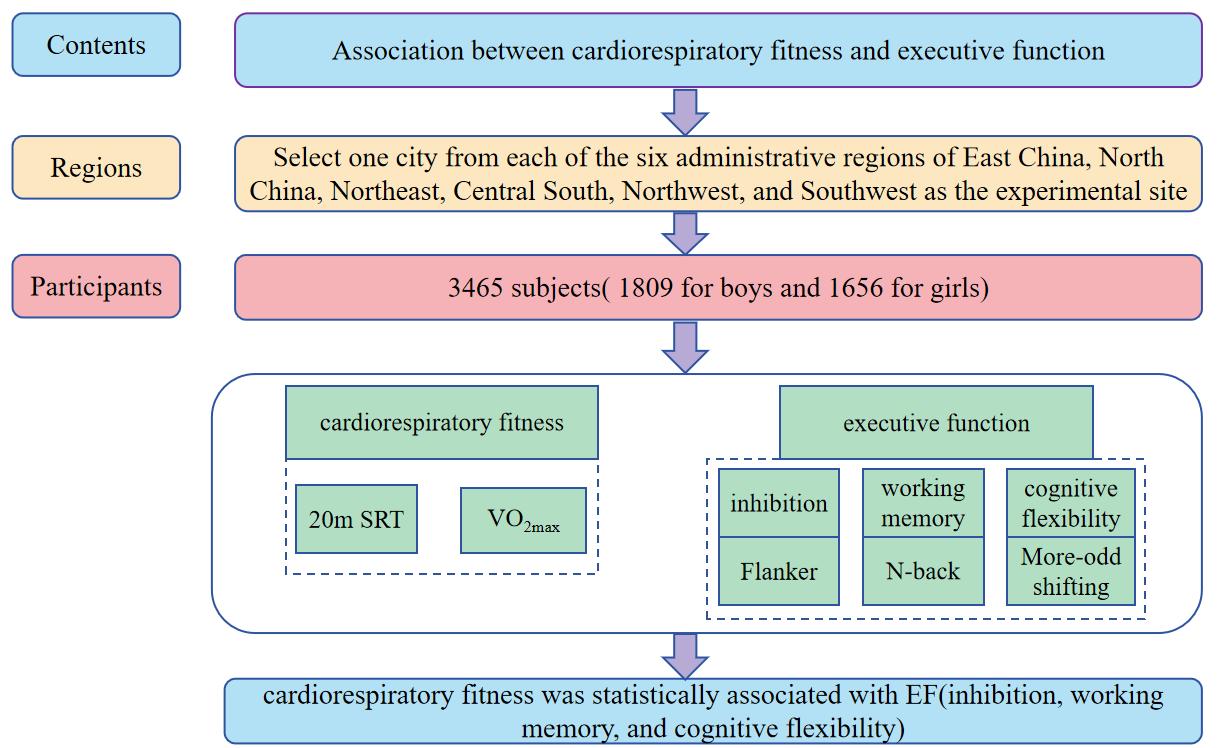
Figure 1. Flowchart of the study design.
There are large number of indicators in the academic field for evaluating CRF, mainly including VO2max, peak oxygen uptake, etc. Due to factors such as controllability, scientificity, and economy, VO2max has become the main indicator for most studies of CRF in large-scale populations[26]. VO2max can be evaluated using both direct and indirect methods. And the present study used the Léger equation to indirectly calculate the VO2max through 20m SRT[27]. The 20m SRT required participants to follow the prompts of the music and continuously run back and forth between two sign lines that are 20m apart. Participants started at a speed of 8.0km/h. After approximately 1min, the music signaled the end of the first stage, and the speed increased to 9.0km/h. Thereafter, the participants’ running speed increased by 0.5km/h each minute. The final number of shuttle times completed by the participants was recorded as the test result. The participants’ final stage and final speed were calculated based on the test result. Factors that may affect the reliability of the test results, such as test motivation, climate, and environmental conditions, were strictly controlled. The Léger equation is used to calculate VO2max based on participants’ age and final speed.
VO2max(mL/kg·min)=31.025+(3.238×S)-(3.248×A)+(0.1536×S×A)
S=the final running speed;
S=8+(0.5×completed stage number);
A=age at the last birthday.
The EF assessments were carried out using a computer that ran a program developed by the E-prime 1.1 software system (Psychology Software Tools Inc., Pittsburgh, USA). And participants need to conduct testing in a quiet and undisturbed environment. The performance of inhibition was tested by Flanker task; the performance of working memory was tested by 2-back task; and the performance of cognitive flexibility was tested by more-odd-shifting task. The task results showed the reaction time (RT) and accuracy (ACC) of participants in the assessment.The participants with task ACC over 80% were selected, and compared their task RT. The shorter the RT of any task for the participant, indicating the better performance of their corresponding function.
Inhibition task involves two conditions: congruent(LLLLL or FFFFF) and inconsistent (LLFLL or FFLFF). Participants gaze at the center of computer screen, and one of two different conditions appears randomly on screen for 1000ms. Participants pressed correspondingly the "F" or the "L" that appeared in the center of the screen on the keyboard. The RT of participants under both conditions was recorded, and defined RT of inhibition as the difference between the RT of inconsistent and consistent. The shorter differences reflected better performance of inhibition.
Working memory task involves 2-back task, which was composed of a series of rapidly changing letters(A, S, P, G, T) appearing on the center of the screen. Each letter remains on the screen for 2,000ms, the participants were instructed to accurately remember each letter appeared on the computer screen. Participants need to compare each letter with the one that appeared two trials ago. Participants pressed the "F" key if the two letters were consistent, and pressed the "J" key if the two letters were inconsistent. A shorter RT indicates better working memory performance.
Cognitive flexibility task involves three tests. The test 1 was composed of a series of randomly changing black Arabic number (1-4 and 6-9) appearing on the center of the screen. Participants need to compare each number with number "5", and pressed the "D" key if it was smaller than number "5", pressed the "F" key if it was larger than number "5". The test 2 was composed of a series of randomly changing green Arabic number (1-4 and 6-9) appearing on the center of the screen. Participants pressed the "J" key if the number was odd, and pressed the "K" key if it was even. The test 3 involved a series of randomly alternating numbers from test 1 and test 2. The whole task consisted of six parts, repeated each test twice, and each number was lasted for 2000 ms. We define situation A as comprising test 1 and test 2, while situation B corresponds to test 3. Recorded the average RT of participants for situation A and B separately. Finally, the RT of cognitive flexibility was calculated by the difference the average RT of situation A and situation B. The shorter differences reflected better performance of cognitive flexibility.
Many studies have shown that EF may be influenced by social demographic , dietary intake, obesity, and physical activity (PA) . Therefore, the present study took age, gender, region, sugary-sweetened beverage (SSB) consumption, breakfast intake, body mass index (BMI), waist circumference (WC), and moderate-to-vigorous physical activity (MVPA) as covariates. Data on age, gender, MVPA, and SSB has been collected through questionnaires obtained from the Chinese National Survey on Students' Constitution and Health (CNSSCH). Measure the participants' intake of SSB by asking the question, 'How many times did you consume SSB in the past week?' (0, 1-2, 3-4, 5-6, 7). Measure the participants' intake of breakfast by asking the question, 'How many times did you consume breakfast in the past week?' (0, 1-2, 3-4, 5-6, 7). Finally, participants were classified as never consuming SSB(0 day/week), occasionally consuming SSB(1~4 days/week), frequently consuming SSB (≥5 days/week), never consuming breakfast(0 day/week), occasionally consuming breakfast(1~4 days/week), and frequently consuming breakfast(≥5 days/week). Conduct a survey on the PA status of participants using the 'Physical Activity Evaluation Questionnaire for Chinese Children and Adolescents Aged 7-18', where PA greater than or equal to 3METs is considered MVPA for this study. The height, weight, WC of participants will be measured in accordance with the Chinese Student Physical Health Standards. BMI will be calculated as weight (kg) divided by the square of height (m). To ensure the accuracy of the data, all testers will receive training prior to testing.
3 RESULTS
Table 1 showed Descriptive characteristics. After excluding invalid data and extreme values, 3,465 adolescents aged 13-18 years old (52.21% boys) were eventually included. The average VO2max of adolescents was 41.88mL/kg·min. The average values of inhibition RT, 2-back RT, and cognitive flexibility RT were 17.13ms, 1,052.78ms, and 334.31ms, respectively.
Table 1. Characteristics and Assessments of Subjects
Variable |
Total sample |
SE |
IQR |
Kurtosis |
Skewness |
Coefficient varible |
N |
3,465 |
|
|
|
|
|
Boys |
1,809(52.21%) |
|
|
|
|
|
Girls |
1,656(47.79%) |
|
|
|
|
|
Breakfast - never |
72(2.08%) |
|
|
|
|
|
Breakfast - occasionally |
474(13.68%) |
|
|
|
|
|
Breakfast - frequently |
2,919(84.24%) |
|
|
|
|
|
SSB - never |
503(14.51%) |
|
|
|
|
|
SSB - occasionally |
2,416(69.73%) |
|
|
|
|
|
SSB - frequently |
546(15.76%) |
|
|
|
|
|
Age(years) |
14.59±1.78 |
0.03 |
3.00 |
-1.09 |
0.18 |
12.21% |
VO2max(mL/kg· min) |
41.88±5.65 |
0.10 |
7.62 |
0.76 |
0.48 |
13.48% |
BMI(kg/m2) |
21.30±4.38 |
0.07 |
5.23 |
4.07 |
1.36 |
20.56% |
WC(cm) |
69.69±17.41 |
0.30 |
14.00 |
7.20 |
-1.77 |
24.98% |
MVPA(min) |
126.03±18.03 |
0.31 |
0.00 |
6.13 |
2.63 |
14.31% |
Inhibition(ms) |
17.13±13.17 |
0.22 |
18.11 |
0.60 |
0.99 |
76.86% |
2-back(ms) |
1,052.78±287.34 |
4.88 |
366.52 |
-0.11 |
-0.27 |
27.29% |
Cognitive flexibility(ms) |
334.31±122.26 |
2.08 |
145.70 |
1.27 |
0.71 |
36.57% |
Figure 2 showed the analysis of the double variable Pearson correlations of the various variables of the subjects. In general, there was a negative correlation between VO2max and inhibition RT, 2-back RT, cognitive flexibility RT (r=-0.048,-0.248,-0.172, respectively, P<0.01). The meaning is that the higher of CRF, the shorter RT of EF, with shorter RT indicating better performance of EF.
|
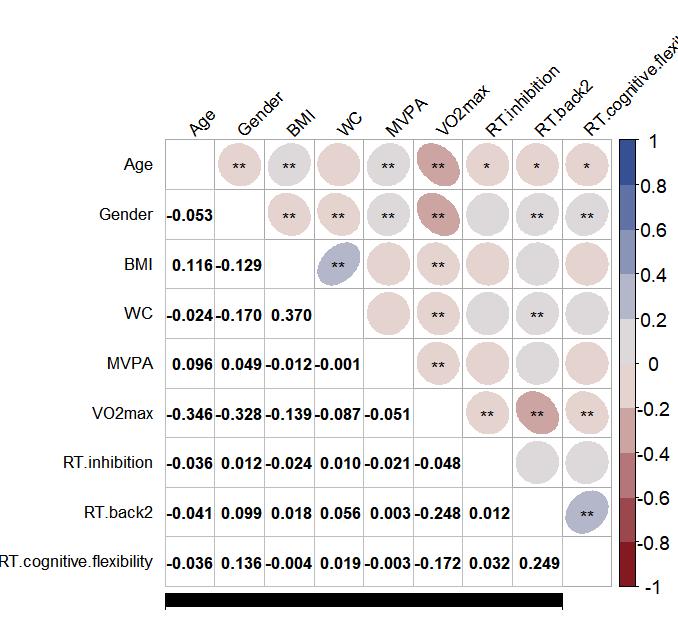
Figure 2. Pearson Correlation and Heat Map of Various Variable in Adolescents.
Table 2 showed the stratified regression analysis of EF in Chinese adolescents. After adjustment in Model 2, the inhibition RT, 2-back RT and cognitive flexibility RT ΔR2 equaled 0.004, 0.064 and 0.024, respectively, (ΔF=15.530, 225.024, 239.857, 85.245, respectively, P<0.01 ). VO2max had significant negative association with the RT for inhibition(B=-0.183, P<0.01), 2-back(B=-15.099, P<0.01), and cognitive flexibility (B=-3.904, P<0.01), respectively. With VO2max increased by 1mL/kg·min, RT for inhibition, 2-back, and cognitive flexibility shortened 0.183ms, 15.099ms, 3.904ms, respectively. Figure 3 showed that a closer association between CRF and inhibition RT, 2-back RT, cognitive flexibility RT (β=-0.078, -0.297, -0.180,respectively, P<0.01). VO2max was significantly positively association with the performance of inhibition,working memory, cognitive flexibility.
Table 2. Stratified regression analysis of VO2max with executive function
|
Inhibition RT |
2-back RT |
Cognitive flexibility RT |
|||
Model1 |
Model2 |
Model1 |
Model2 |
Model1 |
Model2 |
|
B·(t) |
B·(t) |
B·(t) |
B·(t) |
B·(t) |
B·(t) |
|
Constant |
22.352(7.299)** |
34.285(7.970)** |
1,004(15.147)** |
1,988.434(22.026)** |
347.940(12.360)** |
602.399(15.385)** |
Age |
-0.212(-1.649) |
-0.420(-3.029)** |
-5.541(-1.992)* |
-22.705(-7.804)** |
-1.636(-1.385) |
-6.074(-4.813)** |
Gender-Girls |
0.286(0.624) |
-0.500(-1.003) |
63.517(6.404)** |
-1.331(-0.127) |
35.032(8.320)** |
18.265(4.024)** |
BMI |
-0.082(-1.475) |
-0.106(-1.899) |
0.675(0.561) |
-1.301(-1.110) |
0.064(0.126) |
-0.447(-0.879) |
WC |
0.016(1.109) |
0.008(0.598) |
1.137(3.743)** |
0.550(1.856) |
0.285(2.208)* |
0.133(1.035) |
MVPA |
-0.014(-1.114) |
-0.014(-1.113) |
0.015(0.057) |
0.019(0.072) |
-0.047(-0.413) |
-0.047(-0.411) |
Breakfast - occasionally |
1.102(0.029) |
1.119(0.671) |
41.706(1.152) |
43.098(1.231) |
-14.577(-0.948) |
-14.217(-0.936) |
Breakfast - frequently |
0.434(0.012) |
0.574(0.363) |
15.934(0.465) |
27.462(0.828) |
-13.432(-0.992) |
-11.451(-0.796) |
SSB - occasionally |
-0.375(-0.578) |
-0.337(-0.521) |
-19.428(-1.384) |
-16.347(-1.204) |
-7.794(-1.308) |
-6.997(-1.188) |
SSB - frequently |
-0.647(-0.785) |
-0.630(-0.767) |
-13.563(-0.760) |
-12.184(-0.706) |
-13.602(-1.796) |
-13.246(-1.770) |
VO2max |
|
-0.183(-3.941)** |
|
-15.099(-15.487)** |
|
-3.904(-9.233)** |
R2 |
0.003 |
0.007 |
0.018 |
0.082 |
0.022 |
0.046 |
F· |
1.137 |
2.581** |
7.080** |
30.798** |
8.782** |
16.621 |
ΔR2 |
0.003 |
0.004 |
0.018 |
0.064 |
0.022 |
0.024 |
ΔF |
1.137 |
15.530** |
7.080** |
239.857** |
8.782** |
85.245** |
Notes: BMI, body mass index; WC, waist circumference; MVPA, moderate-to-vigorous physical activity; never consuming SSB and breakfast as reference.* P<0.05.**P<0.01.
|
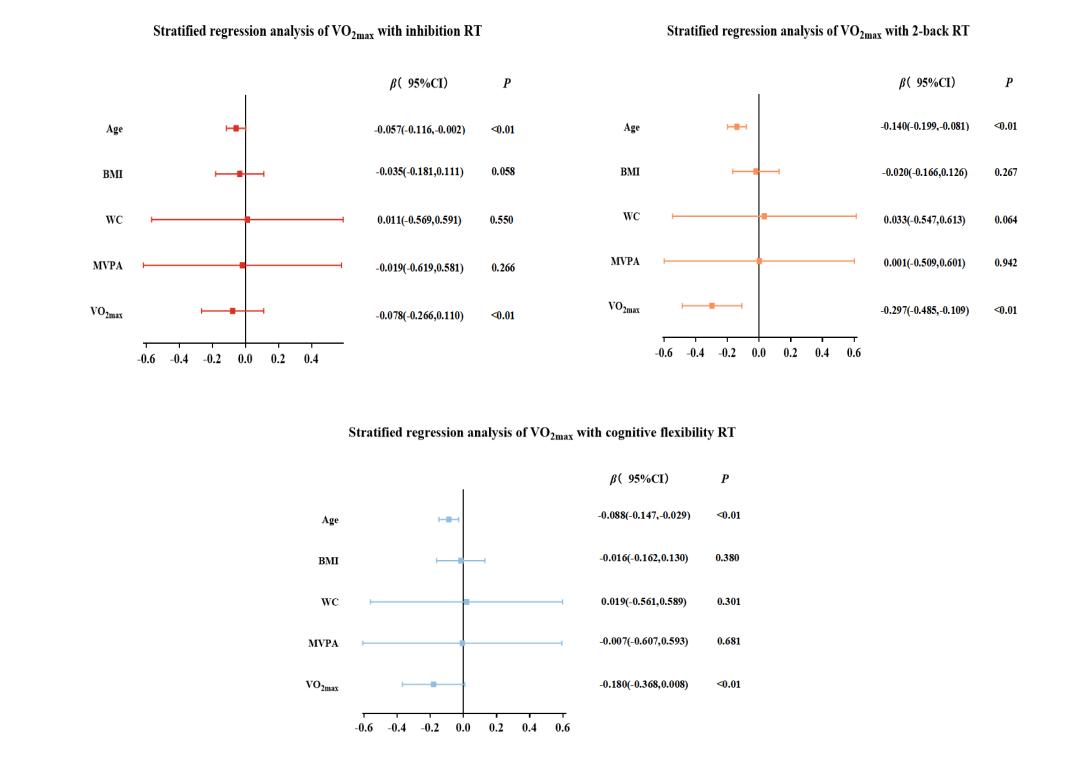
Figure 3. Stratified Regression Analysis Forest Plot.
4 DISCUSSION
The present cross-sectional study investigated the association between CRF and EF in Chinese adolescents. The result of the present study showed that the greater CRF level was association with the better performance of EF among Chinese adolescents aged 13-18. Specially, after adjusting for demographic information, dietary behaviors, physical activity, and certain physical status, the result suggested a negative association between VO2max and RT of inhibition, working memory, cognitive flexibility, as determined by multiple linear stratified regression.
In terms of inhibition, the result of this study showed that there was a significant negative association between VO2max and inhibition RT (P<0.05) . This meant that CRF was significant positive associated with inhibition among Chinese adolescents aged 13-18. Interestingly, there was difference on the result of the relationship between CRF and inhibition. Our previous study has found that there was no significant in the performance of inhibition in Chinese Tibetan adolescents with different levels of CRF at high altitude[28]. The difference in the results indicating that the inhibition was particularly sensitive to oxygen concentration. The result may be caused by low oxygen concentration in high altitude in China. As is well known, CRF reflects the integrated ability to transport oxygen from the atmosphere to the mitochondria to perform physical work. Adolescents with high CRF level are able to transport more oxygen to organs and tissues such as brain. Therefore, the result of present study has showed that there was a positive association between CRF and performance of inhibition, which was understandable. Moreover, there may be different conclusion because that EF has numerous influencing factors. A study argued that there were also differences in the levels of EF among adolescents of different genders. Different testing methods and objects also lead to different results. A further exploration of the influencing factors on EF in the future.
After adjusting for demographic information, dietary behaviors, physical activity, and certain physical status, VO2max was positively associated with shorter RT in 2-back task. It meant that the level of CRF was significantly positively correlated with working memory among Chinese adolescents aged 13-18. Similar to our findings, increasing evidence showed that adolescents with high CRF performed better in working memory[18,29]. Interestingly, almost all studies that used different methods evaluate CRF and working memory. A study used the Laboratory-based to evaluate CRF (VO2peak) and N-back task to test working memory showed that CRF was associated with performance of working memory[29]. The same result has also appeared in the study used field-based test to evaluated CRF (PACER test) and N-back task to test working memory showed that CRF (Pacer) was related to better performance of working memory in old adolescents[14]. The present study used the field-based method (20m SRT) to test CRF and indirectly estimated VO2max through the Léger equation. The notable advantage of this approach lies in it being able to obtain a larger sample size to provide more robust evidence for delving into the relationship between CRF and working memory among Chinese adolescents.
The present study showed that there was a negative relationship between VO2max and RT of more-odd shifting task by using multiple linear stratified regression. Namely, CRF was positively associated with cognitive flexibility among Chinese adolescents. The result was consistent with the previous studies[19,30]. Interestingly, some studies suggested that CRF was not related to cognitive flexibility. For instance, Zhan et al. believed that there was a correlation between CRF and cognitive flexibility among adolescents aged 11-12, but not among those aged 9-10[30]. And a relevant study has reported that age was the only predictor of cognitive flexibility[25]. The research subject of this study were 13-18 years old, therefore the result (CRF was positively associated with cognitive flexibility ) was understandable. CRF stimulates angiogenesis in the motor cortex, leading to an enhancement in blood flow and subsequent improvement in brain vascularization. Consequently, this process has the potential to positively influence cognitive flexibility. It’s worth mentioning that cognitive flexibility builds on inhibition and working memory, and it recognized the core of EF[4]. Given the relative complexity of research on cognitive flexibility, it is necessary to carry out prospective cohort studies to further explore and analyze the various factors that influence cognitive flexibility in the future.
The present study has some strengths and limitations. First, the cross-sectional nature of the current study prevents us to reveal the causal relationship between CRF and EF. A prospective cohort study will be necessary to delve deeper into the causal relationship between CRF and EF among Chinese adolescents. Second, the current study only selected adolescents aged 13-18 as participants, but individuals’ brain development varies at different stages, which could also have an impact on the research results. Therefore, the conclusions of this study are not applicable to children and adults. The present study also had strengths that should be noted. One of the strengths of the current study is its large sample size, which was achieved by using the field-based method (20m SRT) to test CRF across six major administrative regions in China. Furthermore, the present study controlled for a range of covariates, including demographic information (age, sex), dietary behavior (SSB consumption, breakfast habits), and physical status (BMI, WC, MVPA). By doing so, it enabled a more scientific exploration of the association between CRF and EF.
5 CONCLUSION
The present study investigated the association between CRF and EF in a large sample of Chinese adolescents aged 13-18. The main findings revealed that there was a significant association between higher CRF (VO2max) and shorter RT of inhibition, 2-back, and cognitive flexibility. The greater CRF was associated with the better performance of EF. The result provide support for emphasizing adolescents’ engagement in aerobic exercise as a means for improving their EF. And further exploration will be conducted on the causal relationship between CRF and EF among Chinese adolescents in the future.
6 PRACTICAL IMPLICATIONS
After controlling for demographic information and concomitant variables, we found a statistically significant association between cardiorespiratory fitness and executive function among Chinese adolescents aged 13-18.
Cardiorespiratory fitness was a predictor of executive function among Chinese adolescents aged 13-18.
Improving cardiorespiratory fitness should be an effective approach to enhancing brain function among Chinese adolescents aged 13-18.
Acknowledgements
Not applicable.
Conflicts of Interest
The authors declared no conflict of interest.
Author Contribution
The author contributed to the manuscript and approved the final version.
Abbreviation List
CRF: cardiorespiratory fitness
EF: execution function
RT: reaction time
ACC: accuracy
SSB: sugary-sweetened beverage
BMI: body mass index
WC: waist circumference
MVPA: moderate-to-vigorous physical activity
CNSSCH: Chinese National Survey on Students' Constitution and Health
SRT: shuttle run test
References
[1] Stuss DT, Alexander MP. Executive functions and the frontal lobes: a conceptual view. Psychol Res, 2000; 63: 289-98.[DOI]
[2] Baddeley, A. Exploring the Central Executive. Q J Exp Psychol A, 1996; 49: 5-28.[DOI]
[3] Miyake A, Friedman NP, Emerson MJ et al. The unity and diversity of executive functions and their contributions to complex "Frontal Lobe" tasks: a latent variable analysis. Cogn Psychol, 2000; 41: 49-100.[DOI]
[4] Diamond A. Executive functions. Handb Clin Neurol, 2020; 173: 225-240.[DOI]
[5] Yangüez M, Bediou B, Hillman CH et al. The Indirect Role of Executive Functions on the Relationship between Cardiorespiratory Fitness and School Grades. Med Sci Sports Exerc, 2021; 53: 1656-1665.[DOI]
[6] Andersen PN, Skogli EW, Hovik KT et al. Associations Among Symptoms of Autism, Symptoms of Depression and Executive Functions in Children with High-Functioning Autism: A 2 Year Follow-Up Study. J Autism Dev Disord, 2015; 45: 2497-507.[DOI]
[7] Donnelly JE, Hillman CH, Castelli D et al. Physical Activity, Fitness, Cognitive Function, and Academic Achievement in Children: A Systematic Review. Med Sci Sports Exerc, 2016; 48: 1223-4.[DOI]
[8] Hüttermann S, Memmert D. Does the inverted-U function disappear in expert athletes? An analysis of the attentional behavior under physical exercise of athletes and non-athletes. Physiol Behav, 2014; 131: 87-92.[DOI]
[9] McAuley E, Kramer AF, Colcombe SJ. Cardiovascular fitness and neurocognitive function in older adults: a brief review. Brain Behav Immun, 2004; 18: 214-20.[DOI]
[10] Hayes SM, Hayes JP, Cadden M et al. A review of cardiorespiratory fitness-related neuroplasticity in the aging brain. Front Aging Neurosci, 2013; 5: 31.[DOI]
[12] Hillman CH, Buck SM, Themanson JR et al. Aerobic fitness and cognitive development: Event-related brain potential and task performance indices of executive control in preadolescent children. Dev Psychol, 2009; 45: 114-29.[DOI]
[13] Kamijo K, Pontifex MB, Khan NA et al. The association of childhood obesity to neuroelectric indices of inhibition. Psychophysiology, 2012; 49: 1361-71.[DOI]
[14] Hillman CH, Pontifex MB, Castelli DM et al. Effects of the FITKids randomized controlled trial on executive control and brain function. Pediatrics, 2014;134:e1063-71.[DOI]
[15] Moreau D, Kirk IJ, Waldie KE. High-intensity training enhances executive function in children in a randomized, placebo-controlled trial. Elife, 2017; 6: e25062.[DOI]
[16] Ross R, Blair SN et al. Importance of Assessing Cardiorespiratory Fitness in Clinical Practice: A Case for Fitness as a Clinical Vital Sign: A Scientific Statement From the American Heart Association. Circulation J Am Heart Assoc, 2016; 134: e653-e699.[DOI]
[18] Shigeta TT, Leahy AA, Smith JJ et al. Cardiorespiratory and muscular fitness associations with older adolescent cognitive control. J Sport Health Sci, 2021; 10: 82-90.[DOI]
[19] Scudder MR, Lambourne K, Drollette ES et al. Aerobic capacity and cognitive control in elementary school-age children. Med Sci Sports Exerc, 2014; 46: 1025-1035.[DOI]
[20] Song TF, Chi L, Chien-Heng C et al. Obesity, Cardiovascular Fitness, and Inhibition Function: An Electrophysiological Study. Front Psychol, 2016; 7: 1124.[DOI]
[21] Ishihara T, Sugasawa S, Matsuda Y et al. Relationship between sports experience and executive function in 6-12-year-old children: independence from physical fitness and moderation by gender. Dev Sci, 2018; 21: e12555.[DOI]
[22] Scott SP, Souza MJD, Koehler K et al. Cardiorespiratory Fitness Is Associated with Better Executive Function in Young Women. Med Sci Sports Exerc, 2016; 48: 1994-2002.[DOI]
[23] Hayes SM, Forman DE, Verfaellie M. Cardiorespiratory Fitness Is Associated With Cognitive Performance in Older But Not Younger Adults. J Gerontol B Psychol Sci Soc Sci, 2016; 71: 474-482.[DOI]
[24] Pindus DM, Drollette ES, Scudder MR et al. Moderate-to-Vigorous Physical Activity, Indices of Cognitive Control, and Academic Achievement in Preadolescents. J Pediatr, 2016; 173: 136-142.[DOI]
[25] Nieto-López M, Sánchez-López M, María E et al. Relation between physical fitness and executive function variables in a preschool sample. Pediatr Res, 2020; 88: 623-628.[DOI]
[26] Santo AS, Golding LA. Predicting maximum oxygen uptake from a modified 3-minute step test. Res Q Exerc Sport, 2003; 74: 110-115.[DOI]
[28] Liu Y, Hong J, Yin X et al. Relationship between cardiorespiratory fitness and executive function of Chinese Tibetan adolescents aged 13-18[In Chinese]. J Sci Med Sport, 2023; 26: 610-615.[DOI]
[29] Kao SC, Westfall DR, Hillman et al. Muscular and Aerobic Fitness,Working Memory, and Academic Achievement in Children. Med Sci Sports Exerc, 2017; 49: 500-508.[DOI]
[30] Zhan Z, Ai J, Ren F et al. Cardiorespiratory Fitness, Age, and Multiple Aspects of Executive Function Among Preadolescent Children. Front Psychol, 2020; 11: 1198.[DOI]
Copyright © 2024 The Author(s). This open-access article is licensed under a Creative Commons Attribution 4.0 International License (https://creativecommons.org/licenses/by/4.0), which permits unrestricted use, sharing, adaptation, distribution, and reproduction in any medium, provided the original work is properly cited.


 Copyright ©