The Impact of Rehabilitation Nursing Based on the Interactive Model of Client Health Behavior on Neurological Function Recovery in Patients with Cerebral Infarction
Lianhua Ji1, Junyan Cheng2, Zhonghua Fu3*
1Department of Emergency Medicine, Henan Provincial People's Hospital, Renmin Hospital of Zhengzhou University, Clinical Medical College of Henan University, Zhengzhou, Henan Province, China
2Department of Cerebrovascular Diseases, Henan Provincial People's Hospital Cerebrovascular Disease Hospital, Zhengzhou, Henan Province, China
3Department of Clinical Pharmacy, Henan Provincial People's Hospital, Zhengzhou University People's Hospital, Henan University Clinical Medical College, Zhengzhou, Henan Province, China
*Correspondence to: Zhonghua Fu, Department of Clinical Pharmacy, Henan Provincial People's Hospital, Zhengzhou University People's Hospital, Henan University Clinical Medical College, Zhengzhou, 450003, Henan Province, China; Email: ad63vwgv@163.com
Abstract
Objective: To explore the impact of rehabilitation nursing based on the Interactive Model of Client Health Behavior (IMCHB) on neurological function recovery in patients with cerebral infarction.
Methods: A total of 80 patients with cerebral infarction hospitalized in the neurology department of our hospital from March 2024 to October 2025 were retrospectively selected and divided into a control group (conventional nursing, n=40) and an observation group (IMCHB rehabilitation nursing, n=40) according to the ward. Propensity score matching (PSM) was used to balance the baseline data between the two groups. The two groups were compared in terms of limb function (Fugl-Meyer Assessment Scale), neurological function (NIHSS), functional exercise compliance (EAQ), self-management ability (AHSMSRS), quality of life (EORTCQLQ-C30), and the recurrence rate of cerebral infarction.
Results: All indicators in the observation group were significantly better than those in the control group (P<0.05), and the recurrence rate of cerebral infarction was lower than that in the control group.
Conclusion: The IMCHB model effectively promotes neurological function recovery in patients with cerebral infarction through psychological support, behavioral intervention, and family participation, improves patients' initiative in participating in limb functional exercise, motor function, and quality of life, and provides a scientific basis for optimizing rehabilitation nursing strategies in clinical practice.
Keywords: Interactive Model of Client Health Behavior, rehabilitation nursing, cerebral infarction, neurological function, recovery
1 INTRODUCTION
Cerebral infarction, as the second leading cause of death and the third leading cause of disability worldwide, poses a severe challenge to public health systems due to its high incidence, high disability rate, and high recurrence rate. According to the latest data from the World Health Organization in 2025, there are approximately 15 million new cases of stroke worldwide each year, with cerebral infarction accounting for 70% of them. Moreover, about 65% of the surviving patients have varying degrees of neurological deficits, which seriously affect their quality of life and increase the social medical burden[1-3]. Although early thrombolysis, thrombectomy, and other vascular recanalization treatments have significantly improved the prognosis in the acute phase, the quality of rehabilitation nursing remains a key factor determining patients' long-term functional recovery[4-6].
Traditional rehabilitation nursing models mostly focus on passive limb training and basic daily life care, lacking in-depth intervention in patients' psychosocial factors and behavioral motivations. Recent studies have pointed out that approximately 40% of patients with cerebral infarction experience limited functional recovery due to anxiety, depression, poor rehabilitation compliance, or insufficient family support. In this context, patient-centered interactive nursing models have gradually become a research hotspot. The Interactive Model of Client Health Behavior (IMCHB), proposed by American scholar Cox in 1982, emphasizes activating patients' intrinsic rehabilitation motivation through three pathways: psychological support, behavioral intervention, and family participation. Its effectiveness has been validated in the management of chronic diseases such as diabetes and chronic obstructive pulmonary disease[7,8].
This study employed propensity score matching (PSM) to balance baseline data and systematically evaluated the comprehensive impact of the IMCHB on neurological function, limb function, functional exercise compliance, self-management ability, quality of life, and recurrence rate in patients with cerebral infarction. The aim was to provide high-level evidence-based evidence for optimizing clinical rehabilitation nursing strategies. This study strictly adhered to the "Chinese Guidelines for the Diagnosis and Treatment of Cerebral Infarction (2021 Edition)" and international stroke rehabilitation standards, aiming to systematically validate the clinical value of the IMCHB model in cerebral infarction rehabilitation. The research results not only offer a new theoretical framework for cerebral infarction rehabilitation nursing but also provide a practical example for promoting the transition of rehabilitation nursing from "passive treatment" to "active health management," demonstrating significant clinical application value and public health significance.
2 RESEARCH SUBJECTS AND METHODS
2.1 Research Subjects
Eighty patients with cerebral infarction hospitalized in the neurology department our hospital from March 2024 to October 2025 were selected and divided into a control group (conventional nursing, n=40) and an observation group (IMCHB rehabilitation nursing, n=40) according to the ward. Inclusion criteria: (1) Meeting the diagnostic criteria in the "Chinese Guidelines for the Diagnosis and Treatment of Cerebral Infarction"; (2) First-time onset with a disease course ≤ 7 days; (3) Complete clinical data without missing information. Exclusion criteria: (1) Complicated with severe cardiac, hepatic, or renal insufficiency; (2) Presence of mental illness or cognitive impairment; (3) Previous history of stroke. PSM was used to balance the baseline data (age, gender, average disease course, National Institutes of Health Stroke Scale (NIHSS) score on admission, etc.) between the two groups to ensure comparability.
|
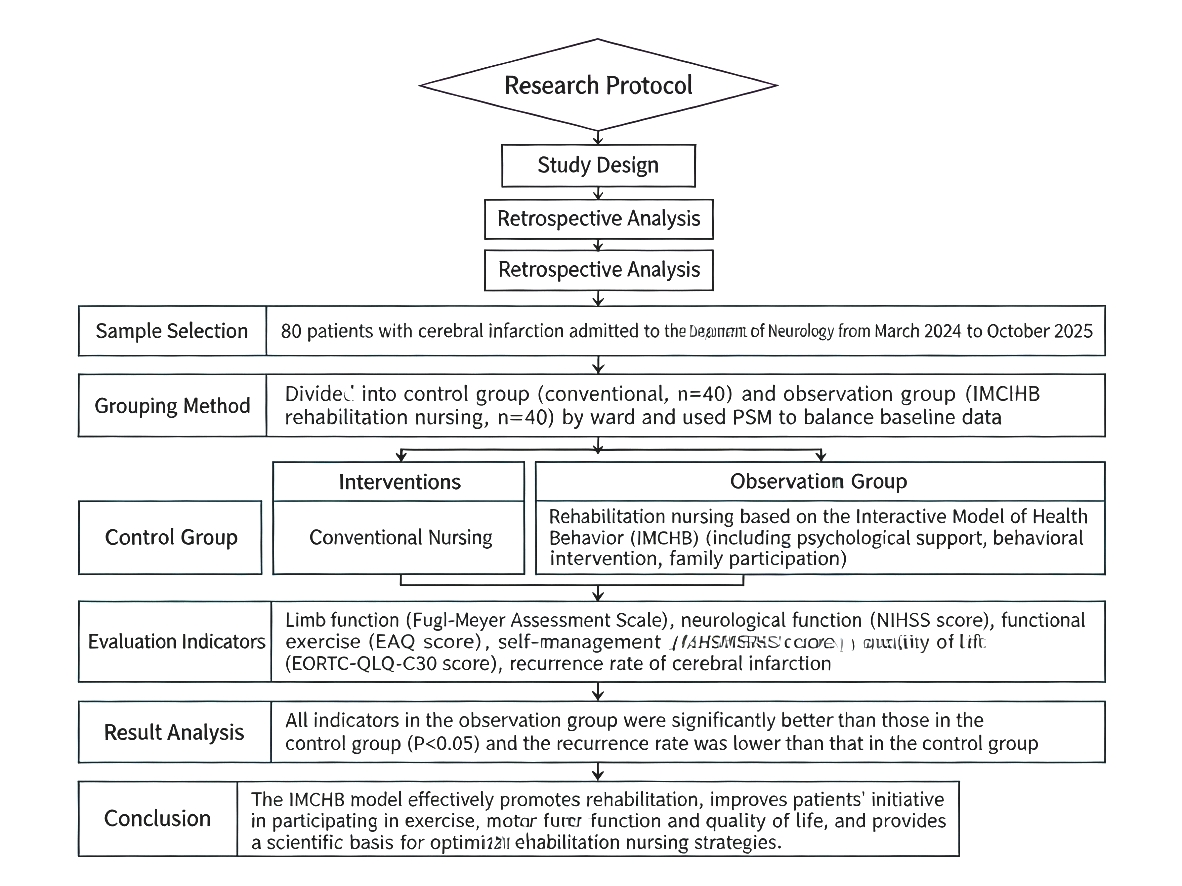
Figure 1. Flowchart.
2.2 Ethical Statement
This study adopted a retrospective cohort research design and strictly followed the STROBE statement for data collection and analysis. Approval was obtained from the hospital ethics committee. Due to the retrospective nature of the study, patient informed consent was waived, but all patient data were anonymized.
2.3 Sample Size
The sample size calculation in this study was based on the expected effect size of the IMCHB on neurological function recovery in patients with cerebral infarction. The formula for comparing the means of two independent samples was used, with α=0.05 (two-sided) and β=0.20 (power of 0.80). Taking neurological function (NIHSS score) as the primary observation indicator, the estimated mean difference (δ) between the observation group and the control group was 3.5, and the standard deviation (σ) was 5.0 (based on pre-experimental data). The calculation indicated that 32 cases were required in each group. Considering a 10% loss to follow-up rate, 40 cases were finally included in each group (total 80 cases), meeting the requirements for sample size adequacy. PSM was performed using logistic regression to calculate propensity scores, with age, gender, average disease course, NIHSS score on admission, etc., as covariates. One-to-one matching was achieved through nearest-neighbor matching (caliper value of 0.02). After matching, the standardized mean differences of all baseline variables were <0.1, indicating good balance between the groups and effective control of confounding bias. The sample size design and PSM method strictly adhered to the "Chinese Guidelines for the Diagnosis and Treatment of Cerebral Infarction (2021 Edition)" and international stroke rehabilitation standards, ensuring the reliability and clinical application value of the research results.
2.4 Nursing Methods
The control group adopted the conventional nursing model. After admission, the responsible nurse conducted a comprehensive health assessment for the patients. Once the patients' conditions tended to stabilize, the medical staff encouraged them to initiate a limb function exercise plan as early as possible and provided continuous exercise guidance to the patients and their caregivers during the exercise process. Before discharge, personalized discharge guidance services were provided based on the patients' rehabilitation progress, covering various aspects such as the formulation of subsequent rehabilitation exercise plans, key points of daily life safety protection, dietary and nutritional management advice, guidance on standardized medication use, and arrangements for regular follow-up visits[9-11].
The observation group implemented IMCHB rehabilitation nursing based on the Interactive Model of Client Health Behavior. A professional early-stage limb function rehabilitation nursing team was established by integrating multidisciplinary human resources from the neurology department, and the responsibilities of each team member were clearly define[12,13]. On the basis of conventional nursing, according to the early-stage limb function rehabilitation nursing plan for patients with cerebral infarction, after the patients' vital signs and neurological symptoms stabilized for 24 hours, personalized early-stage limb function rehabilitation nursing was carried out based on the assessment results of the affected limb's motor function and self-care ability. Within the first two days after the patients' admission, the specialized nursing team conducted in-depth communication with the patients and their caregivers, completed a comprehensive situation assessment by combining medical records and interview content, and the assessment results needed to be reviewed and confirmed by the early-stage limb function rehabilitation nursing team. During the hospitalization treatment, the team, in conjunction with the assessment results and the expectations of the patients and their caregivers, jointly negotiated and formulated short-term and long-term rehabilitation goals and specific plans, clarified the roles and responsibilities of all parties in the rehabilitation process, and after reaching a consensus, the patients carried out rehabilitation exercises according to the plan. Based on the specific situations of the patients and their caregivers, the specialized nursing team provided health information guidance through various forms such as distributing health education manuals, scanning QR codes to watch videos on disease and rehabilitation exercise knowledge, face-to-face explanations, and conducting educational lectures; provided support and resources according to the patients' limb function levels and caregivers' preferences, with rehabilitation therapists demonstrating exercise movements on site and promptly correcting improper postures; if patients experienced emotional problems during rehabilitation, psychologists would provide targeted psychological guidance according to their psychological states, and at the same time, the team actively mobilized social support systems such as family support and peer support to provide emotional support. During daily ward rounds, the specialized nursing team dynamically assessed the patients' disease progression, changes in limb function, implementation of the rehabilitation plan, and the degree of achievement of stage goals. Any abnormalities were promptly reported, and patients with more rehabilitation problems were followed up on a priority basis. The rehabilitation plan was adjusted and optimized in a timely manner and continuously tracked. Before discharge, the specialized nurses used the teach-back method to assess the patients' and caregivers' levels of knowledge and skills by asking questions and guiding the patients to review and demonstrate what they had mastered. Based on the assessment results, targeted face-to-face intensive education on cerebral infarction and limb function rehabilitation knowledge was provided to the patients and their caregivers to improve their disease management abilities. Additionally, through re-demonstrations and explanations by rehabilitation therapists or specialized nurses and skill guidance, it was ensured that the patients and their family members could correctly carry out rehabilitation exercises after discharge. At the same time, the team explained the advantages and disadvantages of different follow-up methods to the patients and their caregivers and jointly decided on specific follow-up dates and methods, such as telephone follow-up, WeChat follow-up, home visits, or outpatient visits[14-17]. After discharge, the patients or their caregivers recorded their rehabilitation situations daily and sent them to a WeChat communication group. In the first 8 weeks, specialized nurses conducted follow-up visits every 2 weeks, adjusted the rehabilitation plans according to the rehabilitation situations, and continuously followed up. Patients with good rehabilitation progress were encouraged and praised, while those facing difficulties in completing the plans were analyzed for challenges together, and professional help was provided.
2.5 Research Indicators
Limb function assessment was conducted using the Fugl-Meyer Assessment (FMA) scale before nursing implementation and at the 3-month post-nursing stage. This scale consists of two sub-items: upper limb function (33 items) and lower limb function (17 items). Each item adopts a 3-level scoring criterion, with the maximum score for the upper limbs being 66 points and for the lower limbs being 34 points. A higher score indicates better limb function recovery. Neurological function status was evaluated using the NIHSS, with a total score ranging from 0 to 42 points. A lower score indicates a better neurological function status. Functional exercise compliance was assessed using the Exercise Adherence Questionnaire (EAQ), developed by Lin Beilei et al. This scale includes three dimensions: exercise effect supervision compliance (3 items), physical participation in exercise compliance (8 items), and proactive seeking of advice compliance (3 items), totaling 14 items. Each item is scored on a 1-to-4 scale based on the level of compliance, with "fully achievable" scored as 4 points, "mostly achievable" as 3 points, "occasionally achievable" as 2 points, and "not achievable at all" as 1 point. A higher total score indicates a higher level of functional exercise compliance in patients. Self-management ability assessment was carried out before and after the intervention using the Adult Health Self-Management Ability Rating Scale (AHSMSRS). This scale covers three dimensions: health self-management environment (10 items), health self-management cognition (14 items), and health self-management behavior (14 items), using a 5-level scoring method. The total score ranges from 38 to 190 points, with a higher score representing a higher level of ability and confidence in health self-management among patients. Quality of life was assessed using the Quality of Life Questionnaire-Core 30 (EORTC QLQ-C30) developed by the European Organization for Research and Treatment of Cancer (EORTC) in the late 1980s. This scale has a Cronbach's alpha coefficient of 0.88 and includes multiple dimensions such as emotion, physical strength, cognition, and role. The total score ranges from 0 to 100 points, with a higher score indicating better quality of life. The recurrence rate was statistically analyzed at 3 months after patient discharge. The recurrence of cerebral infarction in the two groups of patients was investigated through telephone follow-up or outpatient follow-up visits, and the recurrence rate of cerebral infarction was calculated.
Above all, relevant personnel involved in data collection were required to undergo standardized training and assessment to ensure the standardization and accuracy of data collection. Systematic assessments of patients were conducted using pre-selected standardized scales at the time points before intervention implementation and 3 months after intervention completion. During the survey process, staff used unified and standardized guiding language to assist patients or their caregivers in completing electronic questionnaires and immediately checked the completeness of the questionnaire data upon completion. If any content gaps or filling errors were found in the questionnaires, they were immediately verified and confirmed with the patients and their caregivers, and the missing information was promptly supplemented or the incorrect content was corrected to ensure the quality and reliability of the survey data.
2.6 Statistical Analysis
GraphPad Prism 8 software was used for image processing, and SPSS 26.0 statistical software was used for data statistical analysis. Quantitative data conforming to a normal distribution were presented in the form of mean ± standard deviation (SD), and differences between groups were verified through t-tests or repeated measures analysis of variance. Qualitative data were presented in the form of frequency and percentage (%), and differences between groups were compared using various statistical methods such as χ² tests, Fisher's exact probability method, or rank-sum tests to ensure the scientific nature of data processing and the reliability of result analysis.
3 RESULTS
3.1 Baseline Data
There were no significant differences in baseline data such as age, gender, and average disease course between the two groups of patients (P>0.05), indicating comparability (See Table 1).
Table 1. Baseline Data of the Two Groups of Patients
Observation Group (n=40) |
Control Group (n=40) |
t/χ² |
P |
|
Gender |
|
|
0.447 |
0.512 |
Male |
23 |
25 |
|
|
Female |
17 |
15 |
|
|
Age (year) |
45-65 |
45-65 |
|
|
Mean±SD |
58.56±3.11 |
58.95±3.24 |
0.361 |
0.628 |
Course of disease (year) |
1-6 |
1-6 |
|
|
Mean±SD |
3.48±1.21 |
3.35±1.65 |
0.413 |
0.588 |
3.2 Limb Function
Before nursing, there was no statistically significant difference in the FMA scores (upper and lower limb functions) between the two groups of patients (34.56±2.11 / 19.65±1.28 vs 34.49±2.08 / 19.73±1.36, P>0.05). After 3 months of nursing, the FMA scores (upper and lower limb functions) in the observation group were significantly higher than those in the control group (59.57±1.73 / 27.01±1.17 vs 53.45±1.66 / 23.45±1.51), with statistically significant differences (P<0.05, Figure 2).
|
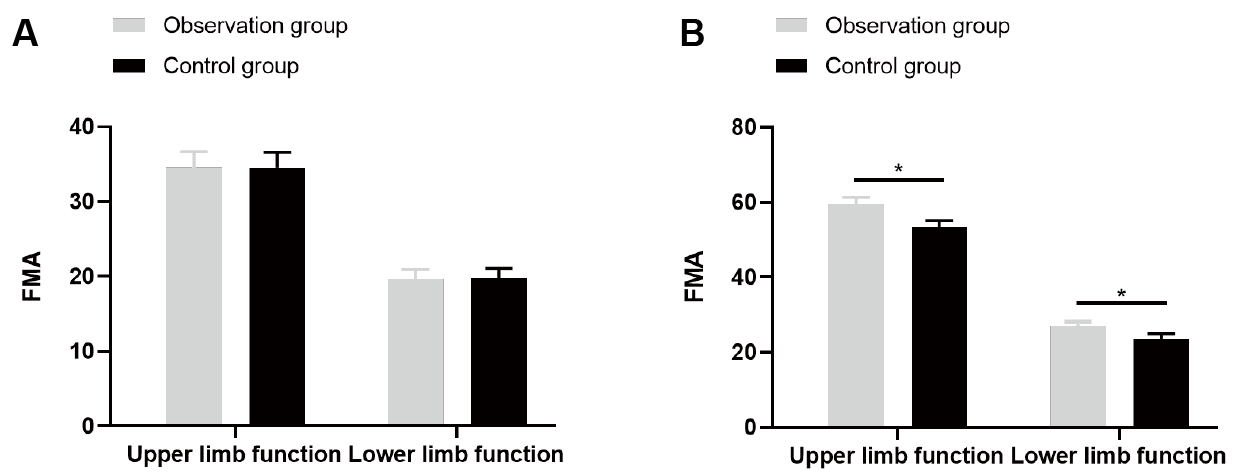
Figure 2. FMA Scores of the Two Groups Before and After Nursing. Notes: A represents the comparison of scores before nursing; B represents the comparison of scores after nursing; * indicates a statistically significant difference between the two groups, P<0.05.
3.3 Neurological Function
Before nursing, there was no statistically significant difference in the NIHSS scores between the two groups of patients (30.38±1.28 vs. 30.49±1.55, P>0.05). After 3 months of nursing, the NIHSS score in the observation group was significantly lower than that in the control group (21.32±1.24 vs. 25.98±1.48), with a statistically significant difference (P<0.05, Figure 3).
|
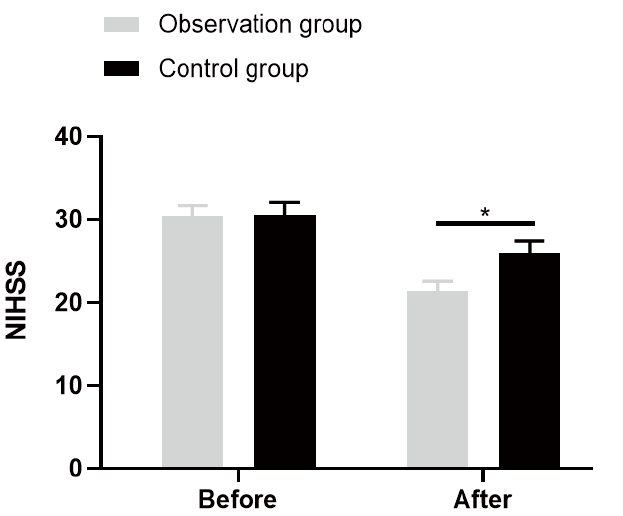
Figure 3. NIHSS Scores of the Two Groups Before and After Nursing. Notes: * indicates a statistically significant difference between the two groups, P<0.05.
3.4 Functional Exercise
Before nursing, there was no statistically significant difference in the EAQ scores between the two groups of patients (28.71±1.33 vs. 28.59±1.44, P>0.05). After 3 months of nursing, the EAQ score in the observation group was significantly higher than that in the control group (41.81±1.98 vs. 33.24±1.67), with a statistically significant difference (P<0.05, Figure 4).
|
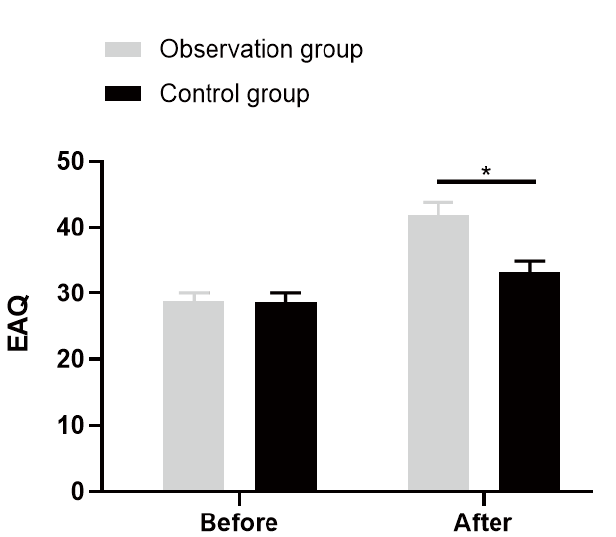
Figure 4. EAQ Scores of the Two Groups Before and After Nursing. Notes: * indicates a statistically significant difference between the two groups, P<0.05.
3.5 Self-Management
Before nursing, there was no statistically significant difference in the AHSMSRS scores (health self-management environment and health self-management cognition) between the two groups of patients (30.78±2.56 / 43.61±2.71 vs. 30.69±2.27 / 43.68±2.49, P>0.05). After 3 months of nursing, the AHSMSRS scores (health self-management environment and health self-management cognition) in the observation group were significantly higher than those in the control group (63.87±3.97 / 41.87±2.25 vs. 54.78±3.17 / 32.43±2.22), with statistically significant differences (P<0.05, Figure 5).
|
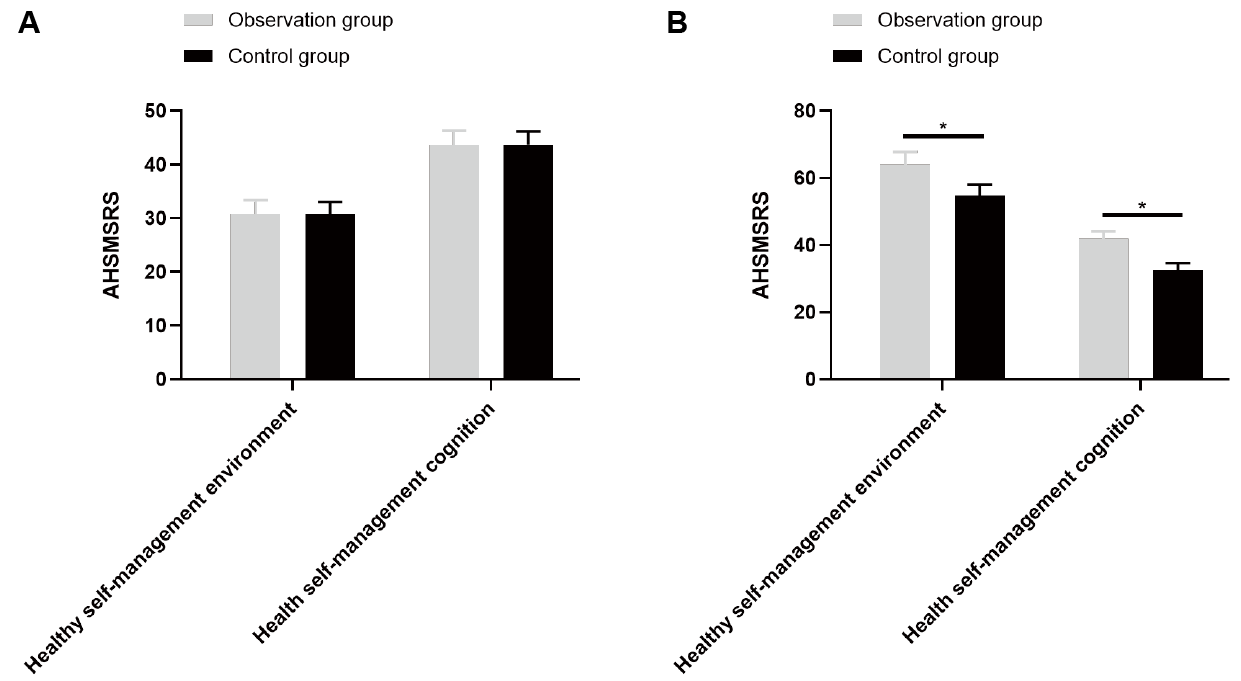
Figure 5. AHSMSRS Scores of the Two Groups Before and After Nursing. Notes: A represents the comparison of scores before nursing; B represents the comparison of scores after nursing; * indicates a statistically significant difference between the two groups, P<0.05.
3.6 Quality of Life
Before nursing, there was no statistically significant difference in the EORTCQLQ-C30 scores between the two groups of patients (62.89±5.28 vs 62.77±5.41, P>0.05). After 3 months of nursing, the EORTCQLQ-C30 score in the observation group was significantly higher than that in the control group (84.98±3.27 vs 71.59±5.11), with a statistically significant difference (P<0.05, Figure 6).
|
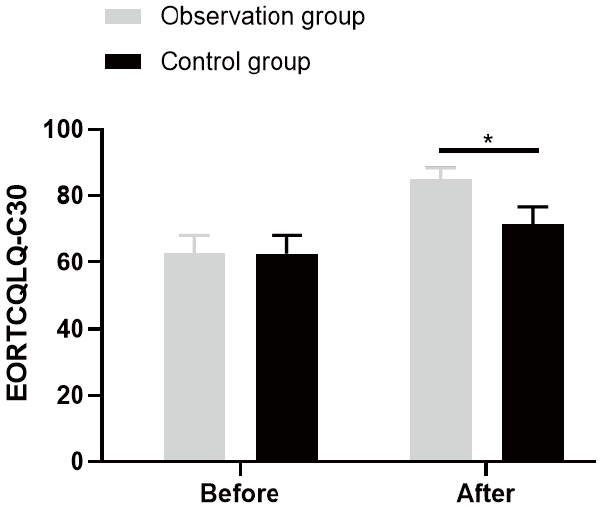
Figure 6. EORTCQLQ-C30 Scores of the Two Groups Before and After Nursing. Notes: * indicates a statistically significant difference between the two groups, P<0.05.
3.7 Recurrence Rate
During the follow-up at 3 months after discharge, 8 patients (10.00%) experienced recurrence of cerebral infarction, including 1 patient in the observation group with a recurrence rate of 2.50%, which was lower than that in the control group with 7 patients and a recurrence rate of 17.50%. The difference was statistically significant (P<0.05, Figure 7).
|
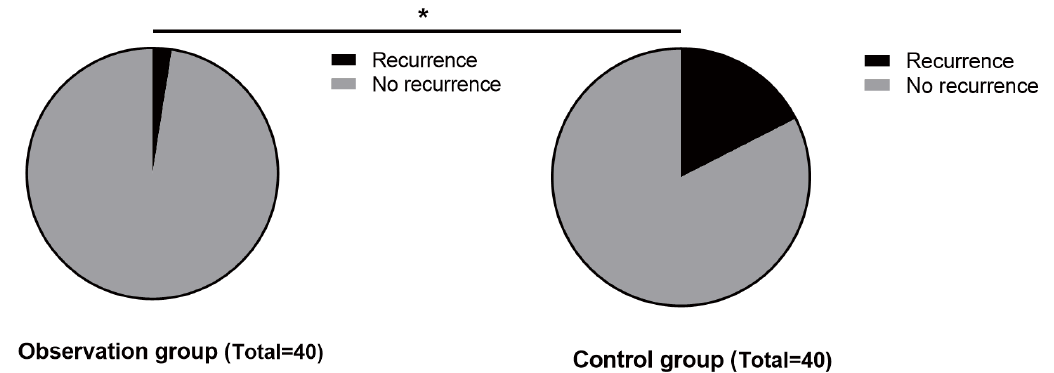
Figure 7. Recurrence Rates of Cerebral Infarction in the Two Groups. Notes: * indicates a statistically significant difference between the two groups, P<0.05.
4 DISCUSSION
When cerebral infarction occurs, local brain tissue can be damaged or even die, triggering a series of inflammatory responses and neurological damage, which may ultimately lead to limb motor dysfunction and disability in patients. Conducting scientific and effective limb function rehabilitation exercises early after cerebral infarction is crucial for promoting the recovery of patients' neurological and motor functions. Previous studies have confirmed that implementing comprehensive nursing intervention measures during the early limb function rehabilitation process of cerebral infarction patients can more comprehensively promote the rehabilitation process and effectively improve their motor function levels[18,19]. The results of this study also show that the observation group significantly outperformed the control group in terms of limb function, neurological function, functional exercise compliance, self-management ability, quality of life, and recurrence rate. The core mechanism lies in the fact that the IMCHB model achieves multi-dimensional rehabilitation improvement through three pathways: psychological support, behavioral intervention, and family participation.
The underlying mechanism of limb function improvement is closely related to the precise implementation of early rehabilitation exercises in the IMCHB model. In the observation group, a personalized limb function rehabilitation plan was initiated 24 hours after the patient's vital signs stabilized. Based on the assessment results of the motor function and self-care ability of the affected limb, rehabilitation therapists demonstrated exercise movements on-site and corrected improper postures in real time. This immediate feedback mechanism effectively avoided secondary damage to the neuromuscular system caused by incorrect movement patterns. Meanwhile, the multidisciplinary team collaboration model ensured the dynamic adjustment of the rehabilitation plan. During daily rounds, the specialized nursing team systematically evaluated the patient's disease progression, changes in limb function, and the implementation of the rehabilitation plan, and promptly optimized the training program for those with slow rehabilitation progress. This closed-loop management model of "assessment-intervention-reassessment" significantly improved rehabilitation efficiency. Compared with the conventional nursing model in the control group, which only provided basic rehabilitation guidance, the IMCHB model achieved better recovery of limb function through precise and dynamic rehabilitation interventions[20,21].
The mechanism of neurological function improvement can be attributed to the synergistic effect of psychosocial factors and neurobiological processes. In the observation group, targeted psychological guidance from psychological counselors and emotional support provided by social support systems such as family and peer support effectively alleviated patients' anxiety and depression. Studies have shown that negative emotional states in patients with chronic diseases can lead to increased cortisol levels through the activation of the hypothalamic-pituitary-adrenal axis (HPA axis), thereby inhibiting the expression of neurotrophic factors and delaying neurological function recovery[22]. The IMCHB model reduces patients' stress responses through psychological support and promotes the secretion of neurotrophic factors, thus accelerating neurological function repair[23,24]. In addition, the standardized guidance of exercise movements by rehabilitation therapists reduces secondary neurological damage caused by incorrect movement patterns, further optimizing the path of neurological function recovery.
The improvement in functional exercise compliance stems from the practical application of health behavior theory in the IMCHB model. The observation group adopted multi-dimensional health information delivery methods, such as distributing health education manuals, scanning QR codes to watch rehabilitation videos, face-to-face explanations, and educational lectures, and provided personalized support based on the specific needs of patients and caregivers. The application of this "information-motivation-behavioral skills" model significantly enhanced patients' intrinsic motivation to actively participate in rehabilitation exercises. Meanwhile, the teach-back method was used to strengthen patients' mastery of rehabilitation knowledge, ensuring that they could correctly implement the rehabilitation plan after discharge[25-27]. Studies have confirmed that patients' mastery of rehabilitation knowledge is significantly positively correlated with their exercise compliance. The IMCHB model achieved a significant improvement in compliance through dual interventions of knowledge reinforcement and behavior guidance.
The enhancement of self-management ability reflects the innovative application of chronic disease management theory in the IMCHB model. The observation group used the AHSMSRS to conduct a systematic assessment from three dimensions: environment, cognition, and behavior, and improved patients' ability and confidence in health self-management through targeted reinforcement education. In particular, before discharge, the rehabilitation therapists or specialized nurses provided another demonstration, explanation, and skill guidance to ensure that patients and their families mastered correct rehabilitation skills. This "teach a man to fish" educational model significantly improved patients' self-management ability after discharge[28]. The improvement in self-management ability not only promoted the continuous implementation of the rehabilitation plan but also further improved patients' psychological state by enhancing their sense of control over the disease, forming a virtuous cycle.
The improvement in quality of life is a comprehensive manifestation of the multi-dimensional interventions of the IMCHB model. According to the assessment results of the Quality of Life Questionnaire EORTCQLQ-C30 developed by the EORTC, the observation group was significantly better than the control group in multiple dimensions such as emotion, physical strength, cognition, and role. This improvement stems from the comprehensive attention of the IMCHB model to patients' physiological, psychological, and social functions: improving patients' daily activity ability through limb function rehabilitation, alleviating cognitive impairment through neurological function improvement, optimizing emotional state through psychological support, and enhancing social support networks through family participation. This holistic nursing concept achieved a systematic improvement in patients' quality of life[29,30].
The significant reduction in recurrence rate validates the effectiveness of the IMCHB model in long-term rehabilitation management. The observation group achieved continuous optimization of the rehabilitation plan and timely resolution of problems through daily rehabilitation records after discharge, interaction in WeChat communication groups, and follow-up by specialized nurses every two weeks. In particular, the professional assistance and encouragement and praise mechanisms for those with difficulties in rehabilitation progress effectively enhanced patients' confidence and motivation to persist with rehabilitation. Studies have shown that patients with cerebral infarction are at a high risk of recurrence within three months after discharge. The IMCHB model reduces this risk through continuous post-discharge interventions, and its mechanisms may involve improved rehabilitation compliance, continuous control of risk factors, and strengthening of the social support system.
Compared with similar studies at home and abroad, the results of this study exhibit advantages in terms of sample size design, follow-up time, and assessment dimensions. PSM was used to balance baseline data, ensuring inter-group comparability. The six-month follow-up time covered the critical period of cerebral infarction rehabilitation, improving the reliability of the results. However, this study still has limitations: the single-center study design may limit the external validity of the results. Although propensity score matching was used to balance baseline data, multivariate regression analysis was not conducted to identify independent factors influencing the intervention effect. Although the six-month follow-up time covers the critical period of rehabilitation, the long-term effects still require longer-term tracking and verification. In addition, the study did not include an economic cost analysis, making it difficult to comprehensively evaluate the cost-effectiveness ratio of the IMCHB model. Future studies should conduct multi-center, large-sample randomized controlled trials, combined with long-term follow-up data and cost-effectiveness analysis, to further verify the independent effects and long-term clinical value of the IMCHB model. At the same time, the application of digital health management tools in the IMCHB model, such as intelligent rehabilitation equipment and mobile health apps, can be explored to improve the precision and accessibility of rehabilitation interventions, provide higher-level evidence-based evidence for clinical promotion, and drive the transformation of rehabilitation nursing models from "experience-driven" to "data-driven."
In summary, the IMCHB model demonstrates significant clinical value in the rehabilitation nursing of patients with cerebral infarction through three pathways: psychological support, behavioral intervention, and family participation. Its core mechanism lies in achieving precise and dynamic implementation of rehabilitation plans through multidisciplinary team collaboration, optimizing the biological process of neurological function recovery through psychosocial interventions, and improving patients' self-management ability and rehabilitation compliance through the translation of health behavior theory, ultimately achieving significant improvements in multiple dimensions such as limb function, neurological function, and quality of life, as well as a reduction in recurrence rate. This study provides a scientific basis for clinically optimizing rehabilitation nursing strategies and has important practical significance and theoretical value in promoting the transformation of rehabilitation nursing from "passive treatment" to "active health management."
5 CONCLUSION
Rehabilitation nursing based on the health behavior interaction model can significantly improve the neurological rehabilitation effect and quality of life of patients with cerebral infarction. This model forms a multi-dimensional rehabilitation network through psychological support, behavioral intervention, and family participation, providing a scientific basis for clinically optimizing rehabilitation nursing strategies. In the future, multi-center, large-sample studies are needed to further verify the long-term effects and mechanisms of the IMCHB model in cerebral infarction rehabilitation.
Acknowledgements
Not applicable.
Ethical Statement
This study was approved by the Ethics Committee of Henan Provincial People's Hospital. Due to the retrospective nature of the study, patient informed consent was waived, but all patient data were anonymized.
Conflicts of Interest
The authors declared no conflict of interest.
Data Availability
All data generated or analyzed during this study are included in this published article.
Copyright Permissions
Copyright © 2026 The Author(s). Published by Innovation Forever Publishing Group Limited. This open-access article is licensed under a Creative Commons Attribution 4.0 International License (https://creativecommons.org/licenses/by/4.0), which permits unrestricted use, sharing, adaptation, distribution, and reproduction in any medium, provided the original work is properly cited.
Author Contribution
Ji L designed the study, performed the statistical analyses, interpreted the data, and drafted the manuscript; Cheng J assisted in study design and data collection, and contributed to data analysis and manuscript revision; Fu Z supervised the study, critically revised the manuscript, and approved the final version.
Abbreviation List
AHSMSRS, Adult Health Self-Management Ability Rating Scale
EAQ, Exercise Adherence Questionnaire
EORTC QLQ-C30, Quality of Life Questionnaire-Core 30
EORTC, European Organization for Research and Treatment of Cancer
FMA, Fugl-Meyer Assessment
IMCHB, Interactive Model of Client Health Behavior
NIHSS, National Institutes of Health Stroke Scale
PSM, Propensity score matching
References
[1] Zhao Y, Zhang X, Chen L et al. Neuronal injuries in cerebral infarction and ischemic stroke: From mechanisms to treatment (Review). Int J Mol Med, 2022; 49: 15.[DOI]
[2] Zhen C, Wang Y, Li X et al. Multiple cerebral infarction linked to underlying cancer: a review of Trousseau syndrome-related cerebral infarction. Br J Hosp Med (Lond), 2021; 82: 1-7.[DOI]
[3] Lakshmipriya T, Gopinath SCB. Clinical Markers and Diagnostics for Diagnosing Cerebral Infarction. CNS Neurol Disord Drug Targets, 2025; 24: 494-497.[DOI]
[4] Serramito García R, Santín Amo JM, Román Pena P et al. Cerebral infarction after pituitary apoplexy: Description of a case and review of the literature. Neurocirugia (Astur), 2016; 27: 310-314.[DOI]
[5] Kong Y, Zhang X, Wang Y et al. Predictive serum biomarkers of patients with cerebral infarction. Neurol Res, 2022; 44: 331-341.[DOI]
[6] Yang Q, Yang Y, Li X. Related Factors of Cerebral Hemorrhage after Cerebral Infarction and the Effect of Atorvastatin Combined with Intensive Nursing Care. Comput Math Methods Med, 2022; 2022: 9546006.[DOI]
[7] Cross LA. Interaction Model of Client Health Behavior for Informal Caregivers: A Theoretical Analysis. Res Theory Nurs Pract, 2023.[DOI]
[8] Wei G. Impact of the Interaction Model of Client Health Behavior on the Physical and Psychological Health of Patients with Limb Fracture. Iran J Public Health, 2022; 51: 2060-2068.[DOI]
[9] Xu T, Zhang Y, Li J et al. A Psychological Intervention Program for Patients with Cerebral Infarction. Dement Geriatr Cogn Disord, 2023; 52: 83-90.[DOI]
[10] Blood Pressure and Dementia: Holistic Interventions. Holist Nurs Pract, 2019; 33: 129.[DOI]
[11] Guanci MM. Management of the Patient with Malignant Hemispheric Stroke. Crit Care Nurs Clin North Am, 2020; 32: 51-66.[DOI]
[12] Schuelke S, Aurit S, Connot N et al. Virtual Nursing: The New Reality in Quality Care. Nurs Adm Q, 2019; 43: 322-328.[DOI]
[13] Ahn YH, Ham OK. Evaluation of the Interaction Model of Client Health Behavior-based multifaceted intervention on patient activation and osteoarthritis symptoms. Jpn J Nurs Sci, 2020; 17: e12306.[DOI]
[14] Wang YY, Zhang X, Li J et al. Prevalence of poor sleep quality among stroke survivors: A meta-analysis and systematic review. Sleep Med Rev, 2025; 80: 102070.[DOI]
[15] Xu C, Zhan T. Study on rehabilitation effect of continuous nursing on patients with dysphagia in acute cerebral infarction. Medicine (Baltimore), 2025; 104: e43141.[DOI]
[16] Zhang Z, Dong Y, Sun Y. Effect of mindfulness-based cognitive therapy on rumination and post-traumatic growth in patients with acute cerebral infarction: A randomized controlled trial. Medicine (Baltimore), 2025; 104: e42570.[DOI]
[17] Cooke J, Jones M, Smith R et al. Acute middle cerebral artery stroke in a patient with a patent middle cerebral artery. Neurol Clin Pract, 2019; 9: 250-255.[DOI]
[18] Xu YN, Wang XZ, Zhang XR. Clinical value of precise rehabilitation nursing in management of cerebral infarction. World J Clin Cases, 2024; 12: 24-31.[DOI]
[19] Chen QQ, Wang Y, Li X et al. Analysis of mental health status and related factors in patients with acute cerebral infarction. World J Psychiatry, 2023; 13: 793-802.[DOI]
[20] Cho SJ, Kim Y, Lee J et al. Effect of a Hospital-To-Home Transitional Intervention Based on an Interaction Model of Client Health Behavior for Adult Patients with Stroke. J Community Health Nurs, 2023; 40: 273-288.[DOI]
[21] Feng ZF, Wang Y, Li J et al. Construction and application of a self-care behavior intervention scheme for chronic heart failure patients based on interaction model of client health behavior. Sci Rep, 2025; 15: 31119.[DOI]
[22] Chen L, Han Z, Gu J. Early Path Nursing on Neurological Function Recovery of Cerebral Infarction. Transl Neurosci, 2019; 10: 160-163.[DOI]
[23] Guan X, Zhang Y, Wang L et al. The Effect of Intervention Program based on Interaction Model of Client Health Behavior on Patients of Pressure Injury. Altern Ther Health Med, 2024; 30: 141-147.
[24] Hickman RL Jr, Clochesy JM, Alaamri M. Validation of an Interaction Model of Health Behavior Among Adults With Hypertension. West J Nurs Res, 2016; 38: 874-892.[DOI]
[25] Zhang LY, Liu Y, Wang X et al. Ecological model of health behaviour of hypertensive stroke patients at the end of recovery period. J Clin Nurs, 2023; 32: 3909-3920.[DOI]
[26] Duan Y, Wang X, Li Y et al. Effectiveness of a WeChat Mini Program-Based Intervention on Promoting Multiple Health Behavior Changes Among Chinese Patients With Cardiovascular Diseases in Home-Based Rehabilitation: Randomized Controlled Trial. J Med Internet Res, 2025; 27: e66249.[DOI]
[27] Jiang Y, Zhang X, Wang Y et al. Impact of a mobile health intervention based on multi-theory model of health behavior change on self-management in patients with differentiated thyroid cancer: protocol for a randomized controlled trial. Front Public Health, 2024; 12: 1327442.[DOI]
[28] Tobiano G, Jerofke-Owen T, Marshall AP. Promoting patient engagement: a scoping review of actions that align with the interactive care model. Scand J Caring Sci, 2021; 35: 722-741.[DOI]
[29] Suh M, Choi-Kwon S, Kim JS. Sleep Disturbances at 3 Months after Cerebral Infarction. Eur Neurol, 2016; 75: 75-81.[DOI]
[30] Liu ZY, Long N, Ni BY et al. [Home-based Rehabilitation of Stroke Patients]. Sichuan Da Xue Xue Bao Yi Xue Ban, 2018; 49: 485-489.



 Copyright ©