
Emerging Nanotechnology and Advances in Biosensor Systems for Heavy Metal Detection in Water: A Review
R. I. Nandini1, Nitesh Kumar Poddar1*
1Biochemistry & Molecular Biology Laboratory, Department of Biosciences, Manipal University Jaipur, Jaipur, Rajasthan, India
*Correspondence to: Nitesh Kumar Poddar, Biochemistry & Molecular Biology Laboratory, Department of Biosciences, Manipal University Jaipur, Jaipur-Ajmer Express Highway, Dehmi Kalan, Near GVK Toll Plaza, Jaipur, Rajasthan 303007, India; Email: niteshkumar.poddar@jaipur.manipal.edu
DOI: 10.53964/jmn.2026002
Abstract
Over the past few decades, heavy metal contamination of water has been a serious concern. These hazardous metals don’t break down easily and can build up slowly in living organisms and eventually become toxic because they are difficult to decompose. Many researchers have been trying to develop more effective and rapid methods for detecting these metals, particularly at very low concentrations. This review focuses on recent studies regarding various types of nanoparticles (NPs) used to improve the sensitivity and reliability of detection systems. To gather relevant literature, a systematic search was conducted in Google Scholar using keywords like “heavy metals”, “NPs” and “biosensors”. Carbon-based structures, magnetic particles, and quantum dots are examples of metal NPs that significantly enhance the performance of sensors. Techniques such as optical, electrochemical and magnetic sensing can detect metals such as lead, mercury and cadmium with better accuracy than older or conventional techniques. Overall, the studies carried out suggest that integrating nanotechnology with sensing techniques can offer more useful and effective tools for monitoring heavy metal contamination in water. Further research on NPs and biosensing, combined with Artificial intelligence (AI) and Internet of Things (IoT), is required for more accurate, sensitive and portable detection of heavy metals in water. Advances in green synthesis of NPs will also promote sustainability.
Keywords: Heavy metals, nanoparticles, biosensors, water monitoring, nanotechnology
1 INTRODUCTION
|

Figure 1. Framework of Nanoparticle-based Detection of Heavy Metals in Water.
2 HEAVY METALS AND NPS: THEIR TYPES
Heavy metals occur naturally in the earth, but human activities have disrupted their natural cycles and balance due to practices such as industrial processes and agriculture, among others. These metals often accumulate in plants, especially in parts rich in secondary metabolites. The long exposure of humans to heavy metals such as cadmium, copper, lead, nickel, and zinc can lead to severe health problems. Among the major concerns, the transition metals such as copper, lead, and zinc, generally implicated in environmental pollution, induce oxidative stress, interfere with enzymes, damage DNA, and cause inflammation[15]. Cadmium, once absorbed, binds to metallothionein, leading to accumulation in the kidneys and liver, causing renal tubular dysfunction, electrolyte imbalances, bone demineralisation (osteomalacia, osteoporosis), and contributing to atherosclerosis and cardiovascular disease[8]. Exposure to lead impairs neurocognitive function, especially in children, disrupts hematologic and renal systems, and increases the risk for hypertension and reproductive problems through oxidative and inflammatory pathways[8]. Mercury, chromium, and arsenic bioaccumulate and interfere with cellular processes, leading to gastrointestinal distress, kidney damage, such as mercurial nephropathy, pulmonary effects, dermatitis, and increased cancer risk via genomic instability and interference with DNA repair mechanisms[8]. Generally, chronic exposure to high levels of these metals results in multi-organ toxicity to include the nervous, renal, cardiovascular, skeletal, reproductive, and hematologic systems, and promotes carcinogenesis and immune dysfunction[15]. Below is a table for a brief and summarised understanding.
Table 1. Heavy Metal Ions, Their Toxic Effects and Maximum Limit
No. |
Heavy Metal Ion |
From where it is mainly released |
Diseases and side effects in humans |
WHO Max Limit (mg/L) |
References |
1 |
Cr (VI) |
Metallurgy, mining, leather industries, etc. |
Carcinogenic, stomach disease, puking, and migraine |
0.05 |
[16-18] |
2 |
Pb²⁺ |
Batteries, pesticides, fertilizers, and metal plating |
Cancer, mental disorders, allergies, autism, dyslexia, and kidney failure |
0.1 |
[5] |
3 |
Cd²⁺ |
Metal coating, batteries, coal burning, and pigments |
Kidney diseases, renal problems, and carcinogens |
0.01 |
[5] |
4 |
As |
Pesticides, animal supplements, metallurgy, electrical production, and coal |
Skin disease, liver diseases, breathing, and vascular problems |
0.05 |
[16] |
5 |
Hg¹⁺ |
Metallurgy, catalyst, mercury lamps, paper industry, pharmaceuticals, and the agricultural industry. |
Nervous system damage, blood circulatory disorder, and kidney failure |
0.00003 |
[16] |
6 |
Cu²⁺ |
Pharmaceutical and chemical industries, water pipelines, and alloys |
Liver diseases and brain-related issues |
0.25 |
[8] |
7 |
Ni²⁺ |
Ceramics, glass, batteries, and catalysts |
Lung diseases, carcinogenic, and skin diseases |
0.2 |
[8] |
8 |
Zn²⁺ |
Zinc alloys, rubber, and the paint industry |
Toxic to aquatic species; in humans, causes anxiety and lethargy |
0.8 |
[18] |
NPs are extremely small particles, typically in the range of 1 and 100 nanometres[10]. They exhibit properties that are very different from their macroforms because of quantum effects and their exceptionally high surface-to-volume ratio. These characteristics confer unique NP properties like chemical reactivity, optical and magnetic behaviour, enabling them to interact with other molecules in unique ways. Depending on their composition, several groups have been defined, including metal-based particles such as silver, gold, and iron oxides, or carbon-based structures like nanotubes and graphene, and magnetic. These are prepared by a variety of synthesis techniques, which broadly range from chemical, physical, and biological methods[19]. A variety of synthesis techniques are used to produce them, ranging from chemical, physical and biological methods. They are widely incorporated into nano-sensors that can detect pollutants in surface water, including heavy metals, organic compounds, and microbial contaminants, often at trace concentrations. The use of Silver nanoparticles (AgNPs) are widely seen in colourimetric sensors for the detection of mercury ions, while magnetic NPs are used as adsorbents to achieve simple separation of pollutants from water samples[20]. Titanium dioxide and zinc oxide NPs have photocatalytic and antimicrobial activities that help in contaminant degradation and pathogen monitoring[18]. Such applications show that NPs not only work in laboratory-based measurements of water quality but also in real-time water quality assessment and environmental remediation. NPs have been referred to as revolutionary tools in water quality testing, particularly for detecting heavy metals, due to their high surface-to-volume ratio, tunable surface chemistry, optical, electrical, and magnetic properties that allow sensitive and selective sensing[13]. Gold nanoparticles (AuNPs), for example, take advantage of localised surface plasmon resonance (LSPR) for colourimetric detection, whereby aggregation due to target ions like mercury or lead will induce a visible colour shift from red to blue, offering rapid, hence allowing a rapid on-site analysis. AgNPs work under similar principles but are more frequently used in fluorescent or surface-enhanced Raman scattering (SERS) methods, which offer high sensitivity towards cadmium and chromium ions. Carbon-based nanomaterials, including carbon dots (CDs) and graphene oxide, can be implemented using electrochemical and fluorescence-based sensing, thus allowing for numerous detections through electron transfer or quenching mechanisms. Quantum dots are photo-luminescent materials that can be used in fluorescence assays, whereas magnetic NPs, such as iron oxides, can allow enhanced separation through magnetic fields, enhancing detection in complex matrices like wastewater[21]. When compared with traditional methods, these NPs are better as they facilitate portable, cost-effective sensors with real-time capabilities, although stability and selectivity challenges remain in environmental samples. The integration of NPs in water testing not only enhances sensitivity but also aids in eco-friendly approaches, which include green synthesis from natural sources, which reduce secondary pollution. For instance, magnetic NPs may be functionalized with ligands that selectively bind with targeted heavy metals, followed by electrochemical sensing, which could detect trace levels of metals in water[22]. The limit of detection (LOD) measures sensitivity, with lower values corresponding to higher performance sensitivity. AuNPs utilize plasmonic aggregation for colorimetric sensing of heavy metals, showing poor sensitivity with LOD values of 0.57μM for Fe³⁺, 1.8μM for Pb²⁺, and 0.111μM for Hg²⁺[23]. AgNPs demonstrate high sensitivity in the nanomolar (nM) range for a number of heavy metals for effective trace detection[24]. Carbon-based NPs, such as CDs do either fluorescence quenching or electrochemical detection, and often have high sensitivity with LOD values of 9 pM for Cd²⁺, 0.14nM for Pb²⁺, 18.7nM for Hg²⁺, and 0.13μM for Fe³[25]. Quantum dots (QDs), involving nitrogen-doped carbon quantum, CdSe, and CdTe, offer tunable fluorescence quenching with high sensitivity[1]. Magnetic NPs like Fe₃O₄ allow separation-enhanced detection, also with high sensitivity and detections around 1.2nM for Cd²⁺, 6nM for Pb²⁺, and 0.1μM for Cr⁶⁺[26]. Below is a table for easy understanding.
Table 2. Types of NPs Along with Their Sensitivity, Metals Detected and Mechanisms
No. |
Type of NPs |
Sensitivity |
Detection Mechanisms used |
Reference |
1 |
Gold NP |
0.57μM (for Fe³⁺); 1.8μM (for Pb²⁺); 0.111ppm (for Hg²⁺) |
Colorimetric (aggregation-induced color change via LSPR); SERS, DPV |
[27] |
2 |
Silver NP |
0.1–10nM for Hg²⁺ (typically, nano-molar range) |
Colorimetric (visual color shift); Fluorescence |
[28] |
3 |
Carbon-based NPs |
0.001μg/L (for Cd²⁺); 0.03μg/L (for Pb²⁺); 18.7nM (for Hg²⁺); 0.13μM (for Fe³⁺) |
Spectroscopic (pre-concentration and absorption); Fluorescence (quenching) |
[24] |
4 |
Quantum Dots based (CQDs, CdSe, CdTe) |
0.23μM (for Hg²⁺); 25nM (for Cd²⁺) |
Fluorescence (quenching or restoration) |
[25] |
5 |
Magnetic NP (Fe₃O₄ Iron Oxide) |
0.13μg/L (for Cd²⁺); 1.25μg/L (for Pb²⁺); 10⁻⁷M (for Cr⁶⁺) |
Electrochemical (modified electrodes); SERS; Adsorption (magnetic separation) |
[20] |
3 BIOAVAILABILITY OF NPS
The bioavailability of NPs determines their environmental impact and functional behaviour, especially in aquatic systems where they interact with heavy metals. Bioavailability means the fraction of an element or NP accessible for biological uptake or chemical transformation. If released to water, changes will occur through processes such as aggregation, dissolution, or other surface modifications; these changes will influence the interaction between NPs, living organisms and other contaminants. For example, metal oxide NPs (such as ZnO, CuO, and TiO₂) alter the chemical speciation of heavy metals in soils and sediments, thereby decreasing or increasing their mobility. ZnO and CuO NPs enhanced the acid-soluble fraction of Zn and Cu, thus increasing bioavailability, while TiO₂ NPs decreased the availability of Cd in paddy soils[29]. Similarly, NPs can affect the pattern of uptake of divalent ions by aquatic plants and emphasise their role both as vector-carriers and sinks of contaminants[30]. However, in aquatic organisms, the partial dissolution of AgNPs in fish gut models, increasing Ag⁺ ion bioavailability and hence pointing out possible dietary exposure routes[31]. Bioavailability of NPs is influenced by factors such as size, surface charge, and coating materials, which also state their environmental reactivity and potential toxicity. Even though NPs are able to immobilize heavy metals through adsorption and precipitation, hence decreasing bioavailability, under certain physicochemical conditions, NPs can act as vectors that enhance metal uptake in biota[30]. Understanding NP bioavailability is also crucial for the design of safer and more predictable nanomaterials intended for water purification and sensing applications.
4 DETECTION MECHANISMS OF VARIOUS NPS
Nanoparticle-based biosensors utilise the unique properties of nanomaterials, including their high surface-to-volume ratio, adjustable surface chemistry, and enhanced optical, electrical, and magnetic features[32]. These features help create sensors that are very sensitive, selective, and portable. They can detect small amounts of heavy metals like mercury (Hg²⁺), lead (Pb²⁺), cadmium (Cd²⁺), chromium (Cr⁶⁺), and arsenic (As³⁺/As⁵⁺) in water. Each method uses specific interactions between NPs and target metal ions to produce measurable signals through changes in electrical, optical, or magnetic properties. A detailed explanation of these methods, with the help of recent studies, is given in detail below.
4.1 Adsorption-based Separation using NPs
Adsorption is a practical and powerful approach to separating and detect heavy metals in contaminated water. NPs, with enormous surface area and tunable chemistry, act like microscopic sponges that capture metal ions selectively. Graphene oxide (GO), magnetic iron oxide (Fe₃O₄), titanium dioxide (TiO₂), and chitosan composite materials are widely used for this purpose. Their surfaces host abundant oxygen, hydroxyl, and carboxyl groups that attract positively charged ions such as Pb²⁺, Cd²⁺, and Hg²⁺ through electrostatic or coordination interactions[33]. Among them, GO-based and magnetic nanocomposites have high efficiency and ease of recovery. Fe₃O₄GO-Ethylenediaminetetraacetic Acid (EDTA) nanostructures, for example, can be magnetically separated after adsorption without inducing secondary pollution and with ease of reuse[34]. This process removes toxic ions and pre-concentrates them for further detection by spectroscopic or electrochemical methods. The adsorption efficiency is highly dependent on various parameters such as pH, ions, and surface modification. Recent progress has also integrated chitosan, Metal Organic Frameworks, or doped CDs into adsorbents to improve selectivity and durability[35]. Generally speaking, nanoparticle-based adsorption provides an elegant bridge between water purification and analytical sensing low-cost and high-impact path toward cleaner and safer water systems.
4.2 Membrane-based Separation using Nanomaterials
Water purification with heavy metal contamination can be efficiently addressed in a smart and scalable manner using membrane-based separation. This physical sieving process, with nanoscale surface interaction, would not rely on only chemical reactions. Advanced membranes fabricated from GO, CNTs, or their polymer-nanoparticle hybrid allow water molecules to pass while rejecting larger or charged metal ions[33]. For instance, GO membranes have tunable interlayer channels and oxygen-containing groups that selectively trap toxic ions through electrostatic and coordination forces[35]. These membranes have been further improved by functionalizing with aminophosphonic, carboxyl, or thiol groups to improve the affinity and detection sensitivity. As an example, GO membranes modified with aminophosphonic acid showed rapid pre-concentration of trace Cu2+ and Pb2+, which significantly improved the detection using spectroscopic sensors[36]. Nanocomposite membranes incorporating Fe3O4 or TiO2 provide added advantages, including magnetic recovery, self-cleaning properties, and resistance to fouling. Most of these hybrid membranes achieved removal efficiencies above 99 % while maintaining high water permeability and mechanical stability[36]. Continuous progress in the design of nanocomposites is steadily overcoming these challenges.
4.3 Electrochemical Biosensor Detection Mechanisms
Electrochemical biosensors detect heavy metal ions through changes in electrical properties, that is, current, voltage, or impedance arising from the interaction of metal ions with nanoparticle-modified electrodes. Increasingly, nanomaterials like AuNPs, AgNPs, or other carbon-based materials such as graphene oxide and carbon nanotubes (CNTs) have been used to improve electron transfer and signal amplification toward the detection of lower levels, even at ppb levels. Detection depends on the redox activity of heavy metal ions that are either oxidised or reduced on the electrode surface, thus giving measurable electrical signals. The addition of NPs increases the surface area of the electrodes, enhancing sensitivity and reducing the limit of detection. For instance, ligand-functionalized AuNPs (e.g., with thiols or aptamers) selectively bind metal ions such as Pb²⁺ or Cd²⁺, effectively changing the electrochemical properties of the electrode[37]. The binding event thus modifies electron transport, which can be detected by techniques such as cyclic voltammetry (CV), differential pulse voltammetry (DPV), or square wave voltammetry (SWV). The theoretical basis could include Langmuir adsorption isotherms to stimulate binding kinetics and Nernst equations to quantify the redox potential shifts. CV: This is a potentio-dynamic method that involves monitoring the resulting current potential while linearly cycling the electrode potential between two preset values[38]. DPV: This method measures both before and after discrete voltage pulses that are superimposed on a linear potential ramp, because of its higher sensitivity and resolution, making well-defined peaks allow for an easy determination of the redox potentials and to perform quantitative analysis of species[39]. SWV: This uses a square wave potential superimposed with current sampled at the end of each forward and reverse pulse. It offers higher sensitivity, faster scan rates, sharper, and better-resolved peaks, ideal for the analysis of redox processes and accurate quantification of electron transfer changes. A square wave is a particular form of voltage waveform applied to the electrode[39]. The square wave potential is composed of quick, alternating voltage pulses that switch between two values (one higher and one lower potential) in a square-like pattern. The frequency and amplitude of the waveform’s oscillations are fixed. A working electrode, such as glassy carbon or screen-printed carbon electrodes, is coated with NPs, such as AuNPs or CNTs, to improve conductivity and surface area[40]. The NPs are coated with ligands, DNA aptamers, or enzymes that selectively bind to target metal ions-examples include Pb²⁺ or Hg²⁺. Heavy metal ions interact with the functionalized surface, creating a change in the electrical properties-for instance, an increase in current owing to ion reduction. Example: The use of AgNPs functionalized with cetyltrimethylammonium bromide and poly-lysine for Hg²⁺ detection[37].
4.4 Optical Biosensor Detection Mechanisms
Optical biosensors utilise the optical properties of NPs, such as LSPR in metal NPs or fluorescence in quantum dots, to detect heavy metals through visible changes in colour or fluorescence intensity. These methods are highly sensitive and suitable for real-time, on-site[41]. The collective vibration of electrons at a specific wavelength of light is LSPR. When light hits metal NPs, the free electrons on their surface start oscillating collectively. Colourimetric detection exploits the LSPR properties of metal NPs, particularly AuNPs and AgNPs. LSPR occurs when incident light excites the free electrons on the NP surface, causing an absorption peak[42]. When ions like Hg²⁺ or Pb²⁺ bind to the NP surface or induce aggregation, the LSPR peak shifts, resulting in a visible colour change (e.g., from red to blue for AuNPs). AuNPs or AgNPs are synthesised (e.g., via chemical reduction) and stabilised with ligands like citrate or thiols. Target ions bind to the NP surface or induce aggregation through coordination chemistry or electrostatic interactions. For example, Hg²⁺ forms complexes with thiol-functionalized AuNPs, reducing interparticle distance aggregation shifts the LSPR peak, altering the solution's colour, which is detectable by UV-Vis spectroscopy or the naked eye[28]. Silver NP sensor for Hg²⁺ detection, where aggregation caused a colour shift from yellow to colourless, analysed via UV-Vis spectroscopy. Theoretical simulations using quantum mechanical models confirmed the role of Hg²-induced dipole changes in the LSPR shift, achieving high sensitivity[28]. Fluorescence detection it relies on the photoluminescent properties of nanomaterials like CDs or QDs. Heavy metal ions quench or enhance the fluorescence intensity through electron transfer, charge transfer, or inner filter effects[1]. Fluorescent nanomaterials (e.g., N-doped carbon quantum dots or CdSe QDs) are synthesised with high quantum yields. Heavy metal ions bind to the nanomaterial surface, quenching fluorescence via electron transfer (e.g., Hg²⁺ with CDs) or enhancing it through coordination. Fluorescence intensity is measured using a fluorometer, with calibration curves determining metal concentration. LODs can reach 9 pM for Cd²⁺ using CDs[20]. Graphene oxide quantum dots are used for Hg²⁺ detection, where fluorescence quenching occurred due to electron transfer from the quantum dots to Hg²[43].
4.5 Surface-Enhanced Raman Scattering Detection
SERS enhances the Raman scattering signals of molecules adsorbed on NP surfaces, particularly AuNPs and AgNPs, due to electromagnetic and chemical enhancement effects[44]. Some of the scattered photons have a different energy and frequency from the incident photons. This occurs when light interacts with molecules, causing them to gain or lose energy and vibrate or rotate. This frequency shift is called the Raman shift, which is a result of this energy transfer and provides information about the sample's molecular structure and vibrational modes. When light from a laser hits a sample, most of it is scattered elastically, meaning it retains its original energy and frequency[45]. However, a small portion of the light is scattered inelastically, meaning that the contact with the sample molecule lowers or increases its energy[45]. The electromagnetic enhancement caused by LSPR creates hot spots with increased electric fields, while chemical enhancement involves charge transfer between the NP and analyte. Selective detection is made possible by the different Raman spectrum shifts produced by heavy metal ions interacting with functionalised NPs[43]. AuNPs or AgNPs are added with ligands such as thiols or DNA aptamers that bind selectively to heavy metal ions. Metal ions like Hg²⁺ or Pb²⁺ bind to the NP surface, altering the vibrational modes of the ligand or NP. A Raman spectrometer measures the enhanced scattering signals, which can identify spectral shifts indicating metal presence. The LODs can reach nanomolar levels. Example- functionalized AuNPs with thiol ligands for Pb²⁺ detection through SERS, studies confirmed that Pb²⁺ binding altered the ligand's vibrational modes, producing distinct Raman peaks with an LOD of 6nM[46].
4.6 Magnetic Nanoparticle-based Biosensor Detection Mechanism
Magnetic NPs (e.g., Fe₃O₄) enable detection by allowing the separation of heavy metal ions from complex matrices. Magnetic NPs functionalized by appropriate ligands adsorb metal ions through coordination or electrostatic interactions. This is followed by magnetic separation using a magnetic field. Detection is often coupled with electrochemical or various spectroscopic methods. The adsorption is modelled using the Langmuir or the Freundlich isotherms. The Langmuir isotherm assumes monolayer adsorption onto a homogeneous surface with a finite number of identical binding sites which are devoid of any interaction between adsorbed species. The Freundlich isotherm assumes adsorption on a heterogeneous surface with a non-uniform energy distribution multilayer adsorption[20]. Synthesis of Fe₃O₄ NPs is done and is coated with ligands (e.g., EDTA or thiol groups) to increase metal and ion binding. Heavy metal ions bind to the surface of NPs, thus concentrating the analyte. An external magnetic field isolates the nanoparticle-metal complexes from the water matrix. The concentrated ions are detected using electrochemical such as stripping voltammetry or spectroscopic methods to reach LODs of 0.13μg/L for Cd²⁺[21]. Example - employed Fe₃O₄ NPs functionalized with polyvinyl-pyrrolidone to adsorb Pb²⁺, and then detected by electrochemical detection. Nanoparticle-based sensors for heavy metals operate through diverse transduction modes, each enhanced by metal-specific design. NPs preconcentrate target ions via adsorption or chelation before electrochemical stripping generates a quantifiable current peak. For instance, AuNPs modified with L-cysteine enable selective Pb²⁺ deposition through thiol-metal coordination, achieving LODs as low as 4×10⁻⁵μM in lake water[27]. Optical sensing, including surface plasmon resonance and fluorescence, exploits NP aggregation or quenching induced by specific ion binding[47]. Thymine-functionalized AuNPs, for example, form T-Hg²⁺-T base pairs that trigger colour changes which can be detected by the naked eye, with LODs below 10nM in tap water[48]. Magnetic NPs like Fe₃O₄ enable separation-enhanced detection, and it is ideal for multi-metal screening in wastewater[49].
5 DATA ANALYSIS AND QUANTIFICATION
Data analysis and quantification make nanoparticle-based biosensors truly effective. The process converts unprocessed electrical or optical measurements into accurate figures that indicate the amount of metal present. The sensors provide accurate results to monitor water quality efficiently, reliable concentration values that can be compared with safety criteria established by the WHO. A calibration curve is made to interpret the sensor values. Sensor is tested using specific metal concentrations with a given metal concentration, like lead (Pb²⁺) or mercury (Hg²⁺). Each concentration produces a certain signal, such as a shift in light intensity in electrochemical sensors or in optical sensors[50]. Plotting these points results in a line or curve that shows how the signal increases with concentration[50]. After this is known, the sensor may be used to measure the unknown water samples and use the curve to estimate the 4metal content of of the sample using the curve[50]. Limit of Detection (LOD) and Limit of Quantification (LOQ) are two crucial parameters. LOD is the least amount of metal that the sensor can detect reliably. LOQ is the lowest value that can be measured with accuracy and precision. These values are calculated using the standard deviation of the blank signal, which is a sample without metal and the slope of the calibration curve[51]. Nanoparticle-based sensors usually achieve very low detection, often in ppb or even lower[51]. In real-world water samples, many other ions like calcium, sodium, or magnesium and organic materials may interfere with the readings. To fix this, researchers use blank corrections, matrix matching, or internal standards to remove background noise. Sometimes, they take the difference between two signals (ΔI or ΔR) to reduce errors caused by unwanted substances. For example, DNA-based electrochemical sensors often use the ratio of signal change instead of absolute current to get a more accurate result[52]. After converting sensor signals into concentrations, the data accuracy is checked. Researchers run several tests and present the average values along with standard deviations. By introducing known concentrations of metals into actual water samples and measuring the amount the sensor senses back, they also determine the recovery percentages. Tables and graphs, with error bars, are used to demonstrate uncertainty and to display the results. Principal component analysis or machine learning models are examples of computer-based data analysis that scientists may employ in advanced investigations, particularly when several metals are identified simultaneously[53]. This refers to new developments in which biosensors are connected to AI and IoT for automated data processing[53].
|
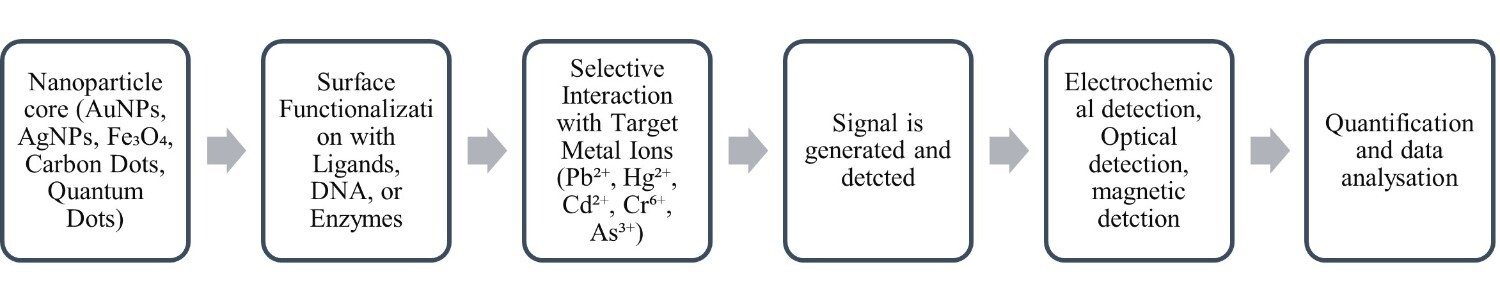
Figure 2. Framework of How a Signal is Generated for Heavy Metal Detection.
6 CHALLENGES AND LIMITATIONS
Nanoparticle-based detection faces significant obstacles, such as stability concerns, interference in samples like wastewater and groundwater, scalability, cost, environmental effects, and regulatory challenges. Below is a more detailed description of how these challenges are being faced by the producers and the researcher.
6.1 Aggregation and Stability of NPs
One of the most enduring problems with nanoparticle-based sensing is instability. In complicated aqueous solutions, metallic AuNPs, AgNPs and carbon-based (CDs, Graphene Oxide Quantum Dots) nanomaterials clump together or break down, which makes them inefficient and less reliable. Aggregation can be caused by Changes in pH, ionic strength, or the presence of organic substances. This can change optical LSPR shifts or electrochemical signals, thereby masking responses that are specific to metals[54]. In the case of colourimetric sensors, aggregation of AuNPs (meant for Hg²⁺ detection through thiol binding) can cause false-positive colour changes and reduce specificity. Regarding electrochemical sensors, aggregation of Fe₃O₄ NPs may decrease electrode conductivity, thereby affecting signals for Pb²⁺ or Cd²⁺[54]. AgNPs used for Cd²⁺ detection in wastewater aggregated in high-salinity conditions, resulting in inconsistent UV-Vis absorbance readings[26].
6.2 Selectivity in Complex Solutions
Environmental water samples often have ions (e.g., Na⁺, Ca²⁺, Mg²⁺) along with organic matter (e.g., humic acids) that interfere with metal-specific detection, hence reducing the sensor selectivity. Functionalized NPs, such as thiol-coated AuNPs for Hg²⁺, may bind non-target ions with similar chemical properties, resulting in false positives or reduced signal intensity[21]. For example, aptamer-based sensors for Pb²⁺ may cross-react with Cu²⁺ due to similar coordination chemistry, while fluorescence quenching of CDs for Cr⁶⁺ can be disrupted by organic fluorophores in wastewater[1]. Example: AuNP-aptamer sensors for Hg²⁺ showed reduced selectivity in river water because of interfering Cu²⁺ and Zn²⁺; extra chelating agents were added to suppress non-target binding, further complicating sensor design[22]. To address selectivity challenges in intricate water matrices, various effective solutions have been suggested. Discrimination between chemically identical ions is greatly enhanced by surface functionalisation with metal-specific ligands (thiols, aptamers, and peptides)[22]. Selective coordination geometry is made possible by molecular recognition elements like DNA aptamers, which lower cross-reactivity with competing ions like Cu²⁺ or Zn²⁺[48]. Accuracy in multi-ion situations has also been demonstrated to be enhanced by machine learning-assisted signal processing and ratiometric sensing techniques[53]. When combined, these techniques improve sensor dependability in an actual environment.
6.3 Reproducibility and Standardisation
The performance of nanoparticle-based sensors is highly dependent on the size, morphology and surface functionalization of the nanomaterials used. Conditions such as pH, temperature lead to inconsistent sensor performance. This is a problem for metal-specific detection, where small variations in the properties of NPs can alter binding affinity or the output signal. For example, SERS sensors for Pb²⁺ detection show different enhancement factors; in AuNP size can change the enhancement factor. While electrochemical sensors for Cu²⁺ may shift due to inconsistent electrode modification[45].
6.4 Cost and Scalability
The synthesis, functionalization, and integration of NPs into sensors like, chip devices, are often very costly and complex, limiting scalability for large-scale environmental monitoring. Reagents and special equipment, such as Raman spectrometers for SERS, increase costs, making these sensors less viable[55]
6.5 Environmental and Health Concerns
The production and disposal of NPs cause chronic illnesses, which sometimes include toxic chemicals such as sodium borohydride for AuNPs reduction. NPs, which are discharged into water during testing, cause bioaccumulation or contamination, which questions about the sustainability and long-term safety of the ecosystem. AgNPs employed for Cd2+ sensing have the potential to emit silver ions, which is a danger to aquatic life, also limits their lifespan, and damages the ecosystem. Leaching of cadmium is another danger associated with CdSe quantum dots for As3+ detection[56]. With a limit of detection of 0.001μg/L, Cd2+ detection employing CdSe quantum dots raises concerns regarding NP leaching in wastewater, making it crucial to look into waste management[13]. Green synthesis methods by using plant extracts or biocompatible polymers are being explored, but their efficiency and metal-specific performance are often lower than traditional methods.
6.6 Toxicity, Environmental Risks, and Long-term Stability of NPs
Although NPs are often praised as tools for heavy metal detection, it is difficult to ignore the potential hazards they pose to the environment and biological systems. According to several studies, ion leaching, oxidative stress induction, and bioaccumulation can lead to cytotoxic and genotoxic effects in aquatic organisms exposed to metallic NPs, particularly AgNPs, AuNPs, and Cd-based quantum dots[13,56]. When used often in environmental monitoring, AgNPs are known to emit Ag⁺ ions under aquatic settings, which might disturb microbial ecosystems and impair fish gill function, generating ecological issues[31]. Another significant issue is long-term stability. Long-term field deployment may result in decreased sensitivity and inaccurate sensor outputs due to NP aggregation, surface oxidation, or ligand desorption[54]. Despite their exceptional fluorescence qualities, cadmium-containing quantum dots (CdSe, CdTe) raise extra concerns due to potential cadmium leakage, restricting their large-scale environmental application[13]. Recent studies have focused on green manufacturing techniques, polymer encapsulation, surface passivation, and biodegradable coatings to improve NP stability while lowering toxicity in order to allay these worries[9,56]. Therefore, before using nanoparticle-based biosensors for water quality monitoring on a wide scale, thorough life-cycle assessment and ecotoxicological evaluation are crucial.
7 FUTURE ASPECTS AND EMERGING TRENDS
Future advancements will overcome challenges like scalability, selectivity, and integration for sustainable water quality management. It involves the integration of NPs with advanced systems to enable multifunctional detection. For example, nanomaterial-modified bioelectrochemical systems, such as microbial fuel cells, could detect and remove heavy metals while producing bioenergy[57]. Similarly, the integration of NPs in lab-on-chip devices and microfluidic electrochemical sensors will enable portable, automated monitoring in remote areas, enhancing sensitivity and selectivity for multiplexed detection of arsenic, mercury, lead, copper, cadmium, nickel, and chromium[58]. In comparison to metals like bismuth (Bi) NPs, which are interfered with by Cu(II) ions, manganese NPs provide catalytic activity and magnetic separation in composites, which also enables nanomolar detection in tap, river, and wastewater samples[59]. Green synthesis uses sources such as plant extracts for Fe₃O₄, which will reduce environmental impact. Future studies have to focus on long-term stability and toxicity profiling, by using bioelectrochemical NP systems, AI for data analytics and the IoT for connectivity. This will enable real-time, remote, and predictive monitoring[14]. Numerous nanoparticle-based biosensors have proven to function well in actual environmental samples, going beyond laboratory validation. AuNPs functionalised with thioglycolic acid have been used for on-site colorimetric detection of Pb²⁺ in tap and lake water, with minimal sample preparation and detection limits below WHO permitted levels[27]. Plasmonic silver NP sensors have demonstrated good selectivity even in the presence of competing ions when evaluated for Hg²⁺ detection in river and industrial effluent[28].
Wastewater samples have been effectively treated with electrochemical sensors that incorporate Fe3O4 magnetic NPs, allowing for quick magnetic separation and stripping voltammetry for multi-metal detection[20,26]. Continuous monitoring of Pb²⁺, Cd²⁺, and Cu²⁺ in actual water distribution systems has been further shown using IoT-enabled electrochemical platforms coupled with nanoparticle-modified electrodes, indicating its translational potential[1]. The examples provided show that nanoparticle-based biosensors are progressing from proof-of-concept research to real-world environmental implementation.
7.1 Comparison with Other Emerging Heavy Metal Detection Technologies
While nanoparticle-based biosensors offer portability and rapid detection, alternative technologies such as molecular sensors, ICP-MS, and advanced spectroscopic techniques remain widely used. Molecular sensors based on chelating dyes and supramolecular receptors provide high selectivity but often lack sensitivity at ultra-trace levels and require controlled laboratory conditions[11]. Advanced spectroscopic methods such as ICP-MS and atomic absorption spectroscopy offer excellent accuracy and multi-element analysis but involve high operational costs, complex sample preparation, and limited field applicability[12]. Compared to these approaches, nanoparticle-based biosensors provide a unique balance of sensitivity, cost-effectiveness, and real-time monitoring capability. However, they may suffer from reproducibility and long-term stability issues, whereas spectroscopic techniques offer superior standardisation. Thus, NP biosensors are best positioned as complementary tools for on-site screening rather than replacements for laboratory-based analytical methods.
7.2 Integration of AI and IoT with Nanoparticle-based Biosensors
Combining IoT and AI with biosensors based on NPs
The use of nanoparticle-based biosensors in conjunction with AI and the IoT is a revolutionary development in water quality monitoring. Multiple heavy metals may be accurately identified even in complicated datasets thanks to AI techniques that facilitate pattern detection, signal denoising, and predictive analytics[53]. For real-time multiplexed detection of Pb²⁺, Cd²⁺, and Cu²⁺, deep learning-assisted electrochemical sensors connected with IoT platforms have been created, allowing automated alarms and monitoring[14]. These devices provide continuous monitoring of water resources by combining wireless data transmission, cloud-based analytics, and electrodes enhanced with NPs. Biosensing tools promote sustainable water management strategies by reducing human intervention, enhancing data dependability, they enabling early warning systems for environmental contamination[53]. Beyond detection, predictive analytics enabled by AI offer an additional advantage by identifying contamination trends and forecasting potential pollution events before regulatory thresholds are exceeded. When combined with IoT connectivity, these intelligent biosensors support early warning systems and remote water quality management, particularly in resource-limited or geographically dispersed regions. However, challenges related to data standardization, sensor compatibility, and long-term field validation remain.
8 CONCLUSION AND OPINION
For the quick and sensitive detection of heavy metals in water, nanotechnology-based biosensors are an effective tool, with benefits over traditional methods. NPs have unique physicochemical properties, such as high surface area, tunable reactivity, and optical adaptability, enabling the identification of toxic metals like lead, mercury, cadmium, and chromium even at very low concentrations. Integration of metallic, carbon-based, and magnetic nanomaterials into electrochemical and optical sensing has advanced real-time, portable, and cost-effective water monitoring systems. Challenges related to NP stability, reproducibility, and environmental safety remain. Future advancements will depend on creating eco-friendly synthesis methods, improving selectivity in complex solutions, and integrating AI and IoT technologies for more precision and faster work[14]. The integration of nanotechnology with green chemistry will promote sustainability. Such innovations will enhance detection accuracy, along with water management and environmental protection[60].
Acknowledgements
The authors express their sincere gratitude to the Department of Biosciences, Manipal University, Jaipur. The authors also thank Dr Nitesh Kumar Poddar for his valuable guidance, supervision, and insightful discussions throughout the preparation of this review.
Conflicts of Interest
The authors declare no conflict of interest.
Data Availability
Data sharing is not applicable to this review as no datasets were generated or analyzed during the current study.
Copyright Permissions
Copyright © 2025 The Author(s). Published by Innovation Forever Publishing Group Limited. This open-access article is licensed under a Creative Commons Attribution 4.0 International License (https://creativecommons.org/licenses/by/4.0), which permits unrestricted use, sharing, adaptation, distribution, and reproduction in any medium, provided the original work is properly cited.
Author Contribution
The concept and topic of this review were proposed and supervised by Dr Poddar NK. Nandini RI conducted the literature search, data compilation, and preparation of the initial draft. Thankful to Dr Poddar’s feedback, guidance, and revisions to refine the work. The final version was reviewed and approved by both authors before submission.
Abbreviation List
AgNPs, Silver nanoparticles
AI, Artificial intelligence
AuNPs, Gold nanoparticles
CDs, Carbon dots
CNTs, Carbon nanotubes
CV, Cyclic voltammetry
DPV, Differential pulse voltammetry
EDTA, Ethylenediaminetetraacetic acid
GO, Graphene oxide
ICP-MS, Inductively coupled plasma-mass spectrometry
IoT, Internet of Things
LOD, Limit of detection
LOQ, Limit of quantification
LSPR, Localized surface plasmon resonance
NP / NPs, Nanoparticle(s)
ppb, parts per billion
SERS, Surface-enhanced raman scattering
SWV, Square wave voltammetry
WHO, World health organization
References
[1] Gontrani L, Pulci O, Carbone M et al. Detection of Heavy Metals in Water Using Graphene Oxide Quantum Dots: An Experimental and Theoretical Study. Molecules, 2021; 26: 5519.[DOI]
[2] Singh R, Gautam N, Mishra A et al. Heavy metals and living systems: An overview. Indian J Pharmacol, 2011; 43: 246-253.[DOI]
[3] Oros A. Bioaccumulation and Trophic Transfer of Heavy Metals in Marine Fish: Ecological and Ecosystem-Level Impacts. J Xenobiot, 2025; 15: 59.[DOI]
[4] Palaniappan M, Gleick PH, editors. Clearing the Waters: A Focus on Water Quality Solutions. Pacific Institute: Oakland, CA, USA. 2010.
[5] Kinuthia GK, Ngure V, Beti D et al. Levels of heavy metals in wastewater and soil samples from open drainage channels in Nairobi, Kenya: community health implication. Sci Rep, 2020; 10: 8434.[DOI]
[6] Baby R, Hussein MZ, Abdullah AH et al. Nanomaterials for the Treatment of Heavy Metal Contaminated Water. Polymers, 2022; 14: 583.[DOI]
[7] Afzal I, Begum S, Iram S et al. Comparative analysis of heavy metals toxicity in drinking water of selected industrial zones in Gujranwala, Pakistan Sci Rep, 2024; 14: 30639.[DOI]
[8] Jomova K, Alomar SY, Nepovimova E et al. Heavy metals: toxicity and human health effects. Arch Toxicol, 2025; 99: 153-209.[DOI]
[9] Altammar KA. A review on nanoparticles: characteristics, synthesis, applications, and challenges. Front Microbiol, 2023; 14: 1155622.[DOI]
[10] Joudeh N, Linke D. Nanoparticle classification, physicochemical properties, characterization, and applications: a comprehensive review for biologists. J Nanobiotechnol, 2022; 20: 262.[DOI]
[11] Aloisi A, Della Torre A, De Benedetto A et al. Bio-Recognition in Spectroscopy-Based Biosensors for *Heavy Metals-Water and Waterborne Contamination Analysis. Biosensors, 2019; 9: 96.[DOI]
[12] Hara TO, Singh B. Electrochemical Biosensors for Detection of Pesticides and Heavy Metal Toxicants in Water: Recent Trends and Progress. ACS EST Water, 2021; 1: 462-478.[DOI]
[13] Vonnie JM, Rovina K, Mariah AMA et al. Trends in nanotechnology techniques for detecting heavy metals in food and contaminated water: a review. Int J Environ Sci Technol, 2023; 20: 8041-8072.[DOI]
[14] Lahari SA, Kumawat N, Amreen K et al. IoT integrated and deep learning assisted electrochemical sensor for multiplexed heavy metal sensing in water samples. NPJ Clean Water, 2025; 8: 10.[DOI]
[15] Sharma M, Kant R, Sharma AK et al. Exploring the impact of heavy metals toxicity in the aquatic ecosystem. Int J Energy Water Resour, 2025; 9: 267-280.[DOI]
[16] Balali-Mood M, Naseri K, Tahergorabi Z et al. Toxic Mechanisms of Five Heavy Metals: Mercury, Lead, Chromium, Cadmium, and Arsenic. Front Pharmacol, 2021; 12: 643972.[DOI]
[17] Velma V, Vutukuru SS, Tchounwou PB. Ecotoxicology of Hexavalent Chromium in Freshwater Fish: A Critical Review. Rev Environ Health, 2009; 24: 129-145.[DOI]
[18] Gakwisiri C, Raut N, Al-Saadi A et al. A Critical Review of Removal of Zinc from Wastewater. Water Environ J, 2012; 26: 570-582.
[19] Qu D, Zheng M, Zhang L et al. Formation mechanism and optimization of highly luminescent N-doped graphene quantum dots. Sci Rep, 2014; 4: 5294.[DOI]
[20] Zhang K, Song X, Liu M et al. Review on the Use of Magnetic Nanoparticles in the Detection of Environmental Pollutants. Water, 2023; 15: 3077.[DOI]
[21] De Silva M, Cao G, Tam KC. Nanomaterials for the removal and detection of heavy metals: a review. Environ Sci Nano, 2025; 12: 2154-2176.[DOI]
[22] Berlina AN, Zherdev AV, Dzantiev BB. Progress in rapid optical assays for heavy metal ions based on the use of nanoparticles and receptor molecules. Microchim Acta, 2019; 186: 172.[DOI]
[23] Ibrahim NH, Taha GM, Hagaggi NSA et al. Green synthesis of silver nanoparticles and its environmental sensor ability to some heavy metals. BMC Chem, 2024; 18: 7.[DOI]
[24] Torres Landa SD, Bogireddy NKR, Kaur I et al. Heavy metal ion detection using green precursor derived carbon dots. iScience, 2022; 25: 103816.[DOI]
[25] Nair VR, Shanthil M, Sandeep K et al. Quantum Dot-Based Fluorometric Sensor for Hg(II) in Water Customizable for Onsite Visual Detection. ACS Omega, 2023; 8: 29468-29474.[DOI]
[26] Sulthana SF, Iqbal UM, Suseela SB et al. Electrochemical Sensors for Heavy Metal Ion Detection in Aqueous Medium: A Systematic Review. ACS Omega, 2024; 9: 25493-25512.[DOI]
[27] Saputri FA, Aulia TS, Jatmika C et al. Colorimetric sensor for Pb2+ detection in water using thioglycolic acid-conjugated gold nanoparticles. RSC Adv, 2025; 15: 6931-6937.[DOI]
[28] Abbasi NM, Hameed MU, Nasim N et al. Plasmonic Nano Silver: An Efficient Colorimetric Sensor for the Selective Detection of Hg2+ Ions in Real Samples. Coatings, 2022; 12: 763.[DOI]
[29] Zhang W, Long J, Li J et al. Effect of Metal Oxide Nanoparticles on the Chemical Speciation of Heavy Metals and Micronutrient Bioavailability in Paddy Soil. Int J Environ Res Public Health, 2020; 17: 2482.[DOI]
[30] Asztemborska M, Bembenek M, Jakubiak M et al. The Effect of Nanoparticles with Sorption Capacity on the Bioaccumulation of Divalent Ions by Aquatic Plants. Int J Environ Res, 2018; 12: 245-253.[DOI]
[31] Clark NJ, Boyle D, Handy RD. An assessment of the dietary bioavailability of silver nanomaterials in rainbow trout using an ex vivo gut sac technique. Environ Sci Nano, 2019; 6: 646-660.[DOI]
[32] Varnakavi N, Lee N. A Review on Biosensors and Recent Development of Nanostructured Materials-Enabled Biosensors. Sensors, 2021; 21: 1109.[DOI]
[33] Vo TS, Hossain MM, Jeong HM et al. Heavy metal removal applications using adsorptive membranes. Nano Converg, 2020; 7: 36.[DOI]
[34] Melchor-Durán AP, Moreno-Virgen MR, Bonilla-Petriciolet A et al. Heavy Metal Removal from Water Using Graphene Oxide in Magnetic-Assisted Adsorption Systems: Characterization, Adsorption Properties, and Modelling. Separations, 2024; 11: 294.[DOI]
[35] Megawati Z, Ratri I, Agustini KT et al. Graphene Oxide (GO) Membrane in Removing Heavy Metals from Wastewater: A Review. Chem Eng Trans, 2020; 82: 415-420.[DOI]
[36] Ahmad H, Husain FM, Khan RA. Graphene oxide lamellar membrane with enlarged inter-layer spacing for fast preconcentration and determination of trace metal ions. RSC Adv, 2021; 11: 11889-11899.[DOI]
[37] Pan N, Maji TK, Bandyopadhyay S et al. A Combined Spectroscopic and Theoretical Analysis of Plasmonic Silver Nanoparticle Sensor Towards Detailed Microscopic Understanding of Heavy Metal Detection. Plasmonics, 2022; 17: 223-236.[DOI]
[38] Wang HW, Bringans C, Hickey AJR et al. Cyclic Voltammetry in Biological Samples: A Systematic Review of Methods and Techniques Applicable to Clinical Settings. Signals, 2021; 2: 138-158.[DOI]
[39] Machado SAS, Cincotto FH. Electrochemical Methods Applied for Bioanalysis: Differential Pulse Voltammetry and Square Wave Voltammetry. In: Kubota LT, Da Silva JAF, Sena MM et al., editors. Tools and Trends in Bioanalytical Chemistry. Springer International Publishing: Cham, Switzerland. 2022: 273-282.[DOI]
[40] Ferrier DC, Honeychurch KC. Carbon Nanotube (CNT)-Based Biosensors. Biosensors, 2021; 11: 486.[DOI]
[41] Vonnie JM, Ting BJ, Rovina K et al. Natural and Engineered Nanomaterials for the Identification of Heavy Metal Ions—A Review. Nanomaterials, 2022; 12: 2665.[DOI]
[42] Chen Z, Zhang Z, Qi J et al. Colorimetric detection of heavy metal ions with various chromogenic materials: Strategies and applications. J Hazard Mater, 2023; 441: 129889.[DOI]
[43] Pandey G, Rajput NS, Sharma UK et al. Remediation of environmental issues using graphene based materials for water purification: Synthesis, kinetics, and factors effecting the removal of heavy metal ions. Next Mater, 2025; 8: 100765.[DOI]
[44] Wei H, Abtahi SMH, Vikesland PJ. Plasmonic colorimetric and SERS sensors for environmental analysis. Environ Sci Nano, 2015; 2: 120-135.[DOI]
[45] Cialla-May D, Bonifacio A, Markin A et al. Recent advances of surface enhanced Raman spectroscopy (SERS) in optical biosensing. TrAC Trends Anal Chem, 2024; 181: 117990.[DOI]
[46] Hussain N, Pu H, Sun DW. Core size optimized silver coated gold nanoparticles for rapid screening of tricyclazole and thiram residues in pear extracts using SERS. Food Chem, 2021; 350: 129025.[DOI]
[47] Shellaiah M, Sun KW. Review on Anti-Aggregation-Enabled Colorimetric Sensing Applications of Gold and Silver Nanoparticles. Chemosensors, 2022; 10: 536.[DOI]
[48] Yuan H, Sun G, Peng W et al. Thymine-Functionalized Gold Nanoparticles (Au NPs) for a Highly Sensitive Fiber-Optic Surface Plasmon Resonance Mercury Ion Nanosensor. Nanomaterials, 2021; 11: 397.[DOI]
[49] Gorylewski D, Tyszczuk-Rotko K. From Synthesis to Sensing: The Insight into the Properties of Fe3O4 Magnetic Nanoparticles and Their Surface Modification Strategies in Voltammetric Trace Determination of Heavy Metal Ions. Molecules, 2025; 30: 3796.[DOI]
[50] Tian Y, Liu J, Qiao J et al. Advancements in Electrochemical Sensing Technology for Heavy Metal Ions Detection. Food Chem X, 2025; 25: 102204.[DOI]
[51] Kanellis VG. Sensitivity limits of biosensors used for the detection of metals in drinking water. Biophys Rev, 2018; 10: 1415-1426.[DOI]
[52] Skotadis E, Aslanidis E, Tsekenis G et al. Hybrid Nanoparticle/DNAzyme Electrochemical Biosensor for the Detection of Divalent Heavy Metal Ions and Cr3+. Sensors, 2023; 23: 7818.[DOI]
[53] Xu X, Yang S, Wang Y et al. Nanomaterial-based sensors and strategies for heavy metal ion detection. Green Anal Chem, 2022; 2: 100020.[DOI]
[54] Rajoria S, Vashishtha M, Sangal VK. Heavy Metal Ions in Wastewater: A Review on Detection and Toxicity. J Environ Sci Public Health, 2023; 7: 1082.
[55] Darwish MA, Abd-Elaziem W, Elsheikh A et al. Advancements in nanomaterials for nanosensors: a comprehensive review. Nanoscale Adv, 2024; 6: 4015-4046.[DOI]
[56] Nawała J, Dawidziuk B, Dziedzic D et al. Applications of ionic liquids in analytical chemistry with a particular emphasis on their use in solid-phase microextraction. TrAC Trends Anal Chem, 2018; 105: 18-36.[DOI]
[57] Nawała J, Dawidziuk B, Dziedzic D et al. Applications of ionic liquids in analytical chemistry with a particular emphasis on their use in solid-phase microextraction. TrAC Trends Anal Chem, 2018; 105: 18-36.[DOI]
[58] Zhang H, Li L, Wang C et al. Recent advances in designable nanomaterial-based electrochemical sensors for environmental heavy-metal detection. Nanoscale, 2025; 17: 2386-2407.[DOI]
[59] Keramari V, Girousi S. Manganese Nanoparticles for Heavy Metal Detection vs. Noble and Base Metal Nanoparticles; Prospects, Limitations, and Applications in Electroanalysis. Chemosensors, 2025; 13: 313.[DOI]
[60] Robert B, Kalpathy SK. Future prospects, challenges and opportunities in detecting heavy metal ions in water. J Water Process Eng, 2025; 75: 107992.[DOI]



 Copyright ©