
Reuse of By-products from the Sugar and Alcohol Sector for Biogas Production
Ludimila R. Dayrell1, Daniela C. S. Oliveira1, David L. Nelson1, Arlete B. dos Reis1, Thiago M. Pasin2* , Vivian M. Benassi1
1Federal University of Jequitinhonha and Mucuri Valleys, Institute of Science and Technology, Diamantina, Brasil
2University of Texas at San Antonio, Department of Chemistry, San Antonio, USA
*Correspondence to: Thiago M. Pasin, PhD, Postdoctoral Fellow, University of Texas at San Antonio, Department of Chemistry, San Antonio, TX 78249, USA; Email: thiagopasin@hotmail.com
Abstract
Greenhouse gas (GHG) emissions are a primary driver of climate change, emphasizing the need for sustainable energy solutions. In Brazil, the sugar and ethanol industry are key components of agribusiness, contributing significantly to the national economy. However, this sector produces large quantities of vinasse and bagasse as by-products of ethanol generation, posing significant environmental challenges. Effective management of these residues is essential for reducing their ecological footprint and enhancing the sustainability of the production chain. This review explores anaerobic biodigestion as a promising strategy for converting vinasse and bagasse into valuable biogas and digestate. Biogas, a renewable energy source primarily composed of methane, can reduce reliance on fossil fuels, while digestate can be used as a biofertilizer, closing the loop in agricultural production. The review discusses the biological processes involved in anaerobic biodigestion, with a focus on microbial communities and key operational parameters that influence process efficiency, such as temperature, pH, and co-digestion strategies. We also examine recent technological advancements and case studies that highlight the feasibility and benefits of integrating anaerobic biodigestion into the sugar and ethanol sector. By detailed literature research, this review underscores the potential of biodigestion to reduce GHG emissions, minimize waste, and contribute to the development of a circular economy. Ultimately, the adoption of anaerobic biodigestion can play a crucial role in supporting Brazil’s transition toward a more sustainable and low-carbon energy future.
Keywords: anaerobic biodigestion, biogas production, sugar and ethanol industry
1 INTRODUCTION
The world's population is growing, and at the same time, the energy demand is increasing, making the search for new energy sources imminent. However, the use of natural resources must occur sustainably to ensure enough energy supply for current society and future generations.
Climate change has been significantly accelerated by the increased emissions of greenhouse gases (GHGs) resulting from activities such as burning fossil fuels, livestock farming, and agribusiness, among others. This heightened pace has prompted regulations and motivated countries to transition towards a more sustainable global energy matrix. The generation of clean and renewable energy becomes the target of research to maintain the evolution and well-being of humanity[1].
Agribusiness represents an important part of the economy in Brazil. According to data collected on Brazil's Gross Domestic Product (GDP) by the Center for Advanced Studies in Applied Economics of Esalq/USP in partnership with the Brazilian Confederation of Agriculture and Livestock and the Luiz de Queiroz Foundation for Agricultural Studies, in 2022, agribusiness represented 24.8% of the national GDP[2].
Sugarcane is a plant of the grass family, species Saccharum officinarum, originating from South Asia, and widely cultivated in tropical and subtropical countries. In Brazil, it represents the oldest agricultural crop and sustains the sugarcane industry, responsible for the production of sugar and ethanol, two important products of the national economy[3]. However, the waste from this activity causes environmental impacts and requires adequate treatment[4].
Anaerobic digestion, a controlled fermentative process occurring in biodigesters, offers a sustainable solution for treating and recycling nutrients from various waste sources. These include rural waste (such as feces and urine), agro-industrial by-products (e.g., vinasse, sugarcane bagasse, and effluents from dairy industries and slaughterhouses), domestic or community waste (like sewage sludge), and plant materials (such as water hyacinth). This technique reduces the potential pollution and health risks of by-products, as well as promotes the generation of biogas and biofertilizers[5]. The implementation of biodigesters enables the sustainable utilization of biomass, including ethanol vinasse, cattle manure, and sugarcane bagasse, for biogas production. This biogas can be used in burners for heat generation or stationary engines for electricity production. Additionally, the digestate—an effluent produced after anaerobic digestion—can be applied to sugarcane fields through fertigation, reducing costs associated with fertilizer purchases[6].
This review aims to explore the role of anaerobic digestion in managing agro-industrial waste from Brazil’s sugar and ethanol sector. Specifically, it seeks to assess the potential of this technology to enhance renewable energy production, reduce environmental impacts, and support sustainable agricultural practices. The review will critically analyze recent advancements, challenges, and opportunities associated with integrating anaerobic digestion into the industries. Additionally, Brazil’s experience serves as a model for clean energy solutions, and the country’s success in implementing these technologies can offer valuable insights for globally connected efforts to combat climate change and transition to sustainable energy systems.
2 BIOGAS: AN ALTERNATIVE SOURCE OF ENERGY
Biogas is a renewable and sustainable biofuel that serves as an alternative to fossil natural gas. It is produced through anaerobic digestion, a biological process that converts organic matter into a mixture of gases. The primary components of biogas are methane (40-75%) and carbon dioxide (15-60%), with smaller amounts of water vapor (5-10%), hydrogen sulfide (0.005-2%), siloxanes (0-0.2%), hydrocarbons (<0.6%), ammonia (<1%), oxygen (0-1%), carbon monoxide (<0.6%), and nitrogen (0-2%). Methane is the most critical component due to its high calorific value; biogas containing 65% methane has an energy content of approximately 22,353kJ/m³[7].
Anaerobic digestion has gained global recognition as an effective method for remediating and treating organic waste. Its potential to generate biogas enables the production of renewable, decentralized energy, providing a sustainable alternative to fossil natural gas. It is estimated that 50 million micro-digesters with the capacity to produce 2 to 10m3 of biogas are currently in operation worldwide, being used for cooking, heating, and lighting. Additionally, around 132,000 small (<1,000m3), medium (1,000-10,000m3), and large (>10,000m3) biodigesters are currently in operation worldwide, generating approximately 87TWh of electricity. However, only 1.6-2.2% of the potential energy production from biomass is currently being exploited[7]. According to the International Energy Agency[8], global biogas production in 2018 was 35 million tonnes of oil equivalent (Mtoe), and it is estimated that the world will reach 570 Mtoe of biogas production by 2050[9]. Figures 1 and 2 illustrate two scenarios outlined by the IEA for biogas consumption projections from 2018 to 2040. These scenarios consider applications in energy generation, cogeneration in agriculture and industry, and biomethane production. The first scenario reflects biogas demand based on currently implemented environmental policies. In contrast, the second, more optimistic scenario envisions increased demand driven by policies prioritizing sustainable development. This approach aims to reduce greenhouse gas (GHG) emissions and enhance the overall environmental balance of human activities on the planet. From Figure 1, it can be observed that the projection of biogas demand from 2018 to 2040 is mainly focused on energy generation and biogas purification into biomethane for partial replacement of fossil natural gas. The total volume of biogas used in 2018 was 35 Mtoe, and it is estimated that this volume will be almost 100 Mtoe in 2030, reaching 150 Mtoe in 2040.
|
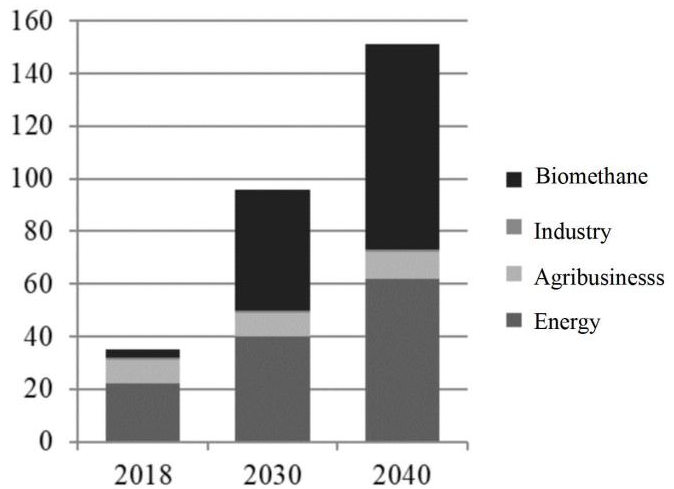
Figure 1. Chart of Prospects for Global Biogas Consumption by Sector in the Declared Policies Scenario, 2018 - 2040 (Mtoe).
In Figure 2, the projection of biogas demand from 2018 to 2040, in a sustainable development scenario, reaches significantly higher volumes of biogas than those presented in Figure 1, with this projection exceeding 300 Mtoe in 2040.
|
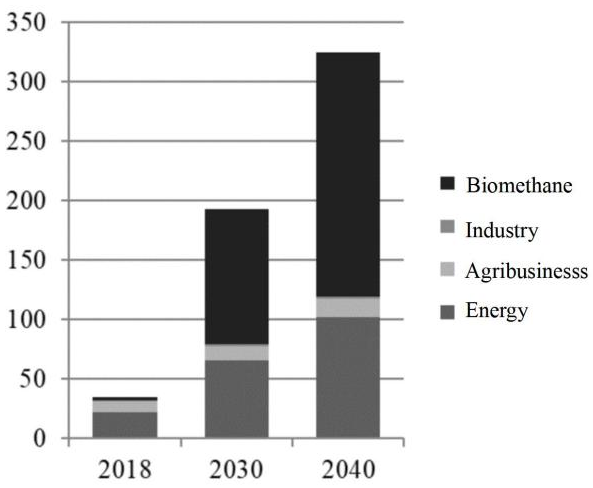
Figure 2. Chart of Prospects for Global Biogas Consumption by Sector in the Sustainable Development Scenario, 2018 - 2040 (Mtoe).
3 BIOGAS PRODUCTION IN BRAZIL
Brazil has enormous potential for the production of biofuels, with a large amount of arable land and climatic conditions that allow for crop rotation throughout the year, generating biomass. Among the most common biofuels are biodiesel, bioethanol, and biogas. Biogas obtained through the anaerobic digestion of renewable resources can be used for heat production, electricity, or transportation fuel[10]. According to data obtained from the Biogasmap of CIBiogás, Brazil currently has 671 biogas plants, with an installed capacity of around 2.08 billion cubic meters of biogas per year. Of these, 635 are in operation for energy purposes in the country, producing a total of 1.7 billion cubic meters per year, representing 94.63% of the identified plants. Twenty-six plants are in the implementation phase, and 10 are undergoing refurbishment[11]. A study conducted by the Brazilian Biogas and Biomethane Association – Abiogás, indicated that Brazil has the greatest potential for biogas production on the planet, with approximately 84.6 billion cubic meters per year[12]. The sugarcane industry can generate the equivalent of 41.4 billion Nm³ per year, and the agro-industry sector 37.4 billion Nm³ per year[13]. However, currently, biogas production in the country remains underexploited, producing only 2% of its capacity potential[12]. According to the National Energy Balance 2022, based on the year 2021, electricity consumption in Brazil was 262.2 million metric tons of oil equivalent, an increase of 3.5% compared to the previous year. The share of renewable sources in the energy generated in the country was 44.7%, a decrease of 3.8% compared to 2020, due to the water scarcity in 2021[14]. Among the renewable energy sources in the country, sugarcane biomass (16.4%), hydroelectric (11%), firewood and charcoal (8.7%), and other renewables (8.7%) stand out, with biogas accounting for only 1.4% of the generation[12].
In summary, the sugarcane and agro-industry sectors are of great importance to Brazil's economy. However, to ensure the sustainability of these sectors, it is essential to properly manage the byproducts of their production chains. Generating biogas through anaerobic digestion is a promising alternative to utilize, treat, and add value to the waste from these segments.
4 SUGAR AND ALCOHOL SECTOR IN BRAZIL
Sugarcane (Saccharum officinarum) is native to New Guinea, in the southwestern Pacific. It is a perennial plant of the grass family, with great adaptability to the soil and climate of tropical and subtropical countries[13,15]. The expansion of this agricultural crop around the world began with the nautical migrations of the inhabitants of the Pacific Ocean regions, reaching the islands of the South Pacific, Malaysia, Bengal, Indonesia, and finally India, where sugarcane became established as a crop for sugar production[4,15]. In this trade route between India and Europe, Portugal stood out due to its geographical position, where the passage of merchant ships through its territory was mandatory. This fact stimulated the beginning of sugarcane production on the island of Madeira, Portugal, a country that later, with maritime expansions and the "discovery" of America, established large sugarcane production centers in the northeast and southeast of Brazil, where sugarcane was mainly used for sugar production, which was exported to Europe[15]. Several crops are grown in Brazil, and since the colonial period, sugarcane has been one of the country's main agricultural products. Over the years, Brazilian sugarcane agribusiness has become technically qualified and currently has one of the lowest production costs in the world, as well as the potential for the expansion of the crop[16,13]. Brazil is the largest producer of sugarcane in the world. In the 2021/22 harvest, 585.2 million tons were harvested, ranking second in global ethanol production with 26.78 billion liters produced. It is a leader in sugar production and exports, producing 35.05 million tons in the 2021/22 harvest, of which 26 million tons were exported[4]. The sugarcane industry holds significant potential to support the sustainable development of the planet. One of its key contributions is ethanol, a renewable fuel that is compatible with many vehicle engines and helps reduce greenhouse gas emissions. Additionally, exploring the utilization of sugarcane byproducts is highly relevant in the current global energy and climate landscape, where there is an urgent need to establish sustainable production systems that contribute to mitigating greenhouse gas emissions and promoting a circular economy.
5 GENERATION AND USE OF BY-PRODUCTS BY THE SUGAR AND ALCOHOL SECTOR
The modernization of sugarcane sugar and ethanol production has enabled various advancements in the entire production chain, creating jobs and income for society, and utilizing agricultural management and technologies with lower environmental impact. However, considerable volumes of byproducts are generated in the processing of sugarcane in sugar and ethanol mills, which can cause environmental damage and waste material that could be exploited in other processes[17,18]. Figure 3 presents a simplified flowchart to produce sugar and ethanol from sugarcane, highlighting the by-products (straw, bagasse, filter cake, and vinasse) generated in the processing.
|
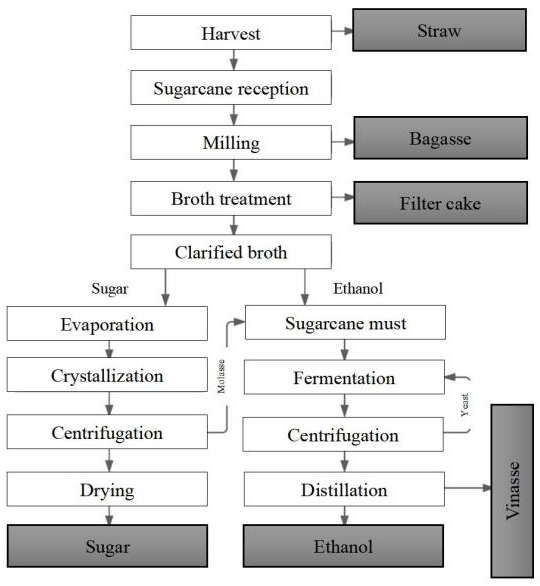
Figure 3. Flowchart of Sugar and Ethanol Production from Sugarcane.
5.1 Sugarcane Straw
From processing one ton of sugarcane, an average of 280kg of straw is generated. This by-product is typically left in the sugarcane field to serve as coverage, contributing to nutrient cycling, maintaining soil moisture, and preserving soil microbiota. The straw can also be used to compose animal feed and produce second-generation ethanol, and bioenergy[19,20].
5.2 Sugarcane Bagasse
After grinding one ton of sugarcane, approximately 250kg of bagasse is produced. This by-product is mainly used as fuel for boilers in sugarcane mills or in thermoelectric plants for the generation of electrical energy[4,13]. In the realm of utilizing sugarcane bagasse, there are potential studies ranging from its application as forage in ruminant feeding to the creation of cellulose nanocrystals to improve the mechanical properties of composite materials. It is also the main lignocellulosic biomass in second-generation ethanol biorefineries due to its fermentable carbohydrate content, high availability, and low cost[21]. In addition to the mentioned examples, sugarcane bagasse can be converted into biogas through biodigesters[22-24]. The utilization of sugarcane bagasse is partly limited by the composition and structure of the material. Its fractions consist of carbohydrate polymers divided into cellulose and hemicellulose, along with other components such as lignin, proteins, lipids, and ash. The three-dimensional structure of lignocellulosic biomass fibers hinders the access and utilization of the substrate by microorganisms and enzymes[13,17,25]. In Table 1 below, we present some results obtained in other studies, where the authors characterized the lignin, cellulose, and hemicellulose contents of sugarcane bagasse in natura.
Table 1. Lignocellulosic Characterization of Sugarcane Bagasse
Lignin (%) |
Cellulose (%) |
Hemicellulose (%) |
References |
24.5±0.5 |
36.7±2.2 |
24.5±0.7 |
[11] |
7.6±7.6 |
47.2±3.4 |
8.5±17.7 |
[26] |
33.7±1.7 |
48.8±0.8 |
24.0±7.39 |
[16] |
Hashemi, Karimi, and Karimi evaluated the methanogenic potential of sugarcane bagasse pretreated thermochemically with solutions of ammonia and ethanol, obtaining maximum methane yields of 298.0, 248.6, and 299.3mL/gSV (volatile solids) from the liquid fraction, solid fraction, and pretreated slurry at 70°C, respectively. In comparison, the methane yield from untreated bagasse was only 105.6mL/gSV[27]. Vants, Khan, and Ahmad conducted a study involving the co-digestion of fruit and vegetable waste with sugarcane bagasse. They observed that the maximum biogas production was 2600mL/day using a ratio of bagasse to fruit and vegetable waste of 30:70[28]. Janke and colleagues found that the time required for the onset of biogas production from sugarcane bagasse is longer than that of vinasse and filter cake, attributing this extended period to the greater difficulty of substrate degradation by the microorganisms responsible for material hydrolysis. This is because in bagasse, glucose, and xylose molecules, the main energy sources in the medium, are complex in the form of cellulose and hemicellulose protected by lignin. This underscores the importance of applying pretreatment processes to lignocellulosic biomasses to achieve better kinetic results in digesters[29].
5.3 Vinasse
Vinasse is generated in large volumes during the distillation stage of fermented sugarcane juice in ethanol production, at an average rate of 13 liters of vinasse per liter of ethanol. Therefore, seeking efficient ways to manage this by-product is fundamental for the sustainability of the ethanol production chain, as vinasse can pose environmental risks, such as greenhouse gas emissions[30]. Currently, the main use of vinasse is in the fertigation of sugarcane fields. However, the long-term viability of this practice impacts the soil's characteristics, properties, and microbiota. Another possible use of vinasse is anaerobic digestion, which allows for waste treatment and biogas production. This can contribute to the self-sufficiency and sustainability of agribusiness by providing a source of renewable energy. The final digestate has fertilizer properties equivalent to raw vinasse but with a reduced chemical oxygen demand, minimizing environmental impact[6,31,32]. Regarding its composition, vinasse has a high moisture content, around 93-97%, approximately 5% organic matter, and 2% inorganic solids, which include minerals such as potassium, calcium, nitrogen, and sulfur[33]. The following Table 2 presents some chemical characteristics of ethanol vinasse.
Table 2. Chemical Characteristics of Ethanol Vinasse
Parameters |
Measurement |
References |
Hydrogenionic potential |
3.25-4.97 |
[34] |
Chemical oxygen demand |
104.64-299.25mg/L |
[34] |
Volatile solids |
46.39kg/m3 |
[33] |
Total solids |
27-81.5kg/m3 |
[33] |
Carbon / Nitrogen ratio |
11-15 / 1 |
[33] |
Total proteins |
2150-6894mg/L |
[34] |
Carbohydrates |
9117mg/L |
[34] |
According to the review conducted by Parsaee, Kiani, and Karimi, anaerobic digestion of ethanol vinasse is an economically viable process. The absence of lignin in its composition simplifies biogas production, yielding an average of 14.23m3 of methane for every 1m3 of digested vinasse[33]. Parsaee, Kiani, and Karimi highlight several points to consider in the anaerobic digestion of vinasse, such as the presence of melanoidins, which are high molecular weight polymers formed through Maillard reactions and inhibit microbial growth. They also mention the low carbon content, resulting in a carbon-to-nitrogen (C/N) ratio below the optimal range for the process. Additionally, the presence of H2S produced during vinasse fermentation due to its high sulfate content can lead to a loss in the final quality of the biogas obtained and negatively impact the bioavailability of nutrients in the digester[33]. One way to make the anaerobic digestion process of vinasse more efficient regarding the critical points raised by Parsaee, Kiani, and Karimi would be to add a lignocellulosic source, such as sugarcane bagasse and straw, preferably pretreated, to the substrate. This adjustment helps in the C/N ratio since lignocellulosic biomass has high carbon content and low nitrogen content. Additionally, along with diluting the vinasse with water (at a ratio of 1/3), adding biomass reduces the levels of H2S and its effects on the process[33].
Anaerobic digestion of vinasse was also studied by Pinheiro and Polizeli, who aimed to optimize biogas production systems using vinasse as a substrate and bovine manure as inoculum. They obtained biogas volumes ranging from 2.08mL to 347.90mL, concluding that the best temperature for the process was 25°C, with an inoculum concentration of 300g/L and 50% dilution of vinasse at a pH between 6 and 7[35].
Adarme and colleagues evaluated the anaerobic co-digestion of various by-products from the sugarcane biorefinery, including hemicellulose hydrolysate (obtained by hydrothermal pretreatment of sugarcane bagasse), vinasse, yeast extract, and fly ash from sugarcane bagasse. The best experimental conditions obtained were a mixing ratio of 25-75% hemicellulose hydrolysate - vinasse; 1.0g/L yeast extract; 15g/L fly ash from bagasse and 100-0% hemicellulose hydrolysate - vinasse; 1.5g/L yeast extract; 45g/L fly ash from bagasse, respectively, generating 0.279 and 0.267Nm3 of CH4 per kg of COD[36].
5.4 Filter cake
Another byproduct resulting from sugarcane processing is filter cake, composed of a mixture of ground bagasse and decantation sludge, separated from the juice after its treatment. For each ton of ground sugarcane, an average of 40kg of filter cake is produced. This biomass is an organic compound rich in calcium, nitrogen, and potassium. Due to these characteristics, it has been applied in the fertilization of sugarcane fields and can also be used as a substrate in anaerobic digestion processes[37].
6 THE BIOGAS PRODUCTION CHAIN
The biogas production chain (Figure 4) begins at the source of the organic biomass to be transformed. This can have various origins such as animal waste, agro-industrial waste, and municipal solid waste, among others. These materials will be destined for the anaerobic digestion process, where microorganisms metabolize them into biogas, which has its calorific value linked to its methane-rich composition. In other words, the higher the percentage of methane present in the biogas, the greater the potential for energy generation through this biofuel. Thus, biogas can be burned directly, or the gas mixture can be purified to obtain biomethane, whose applications replace natural gas, such as in gas networks and vehicle fueling[38].
|
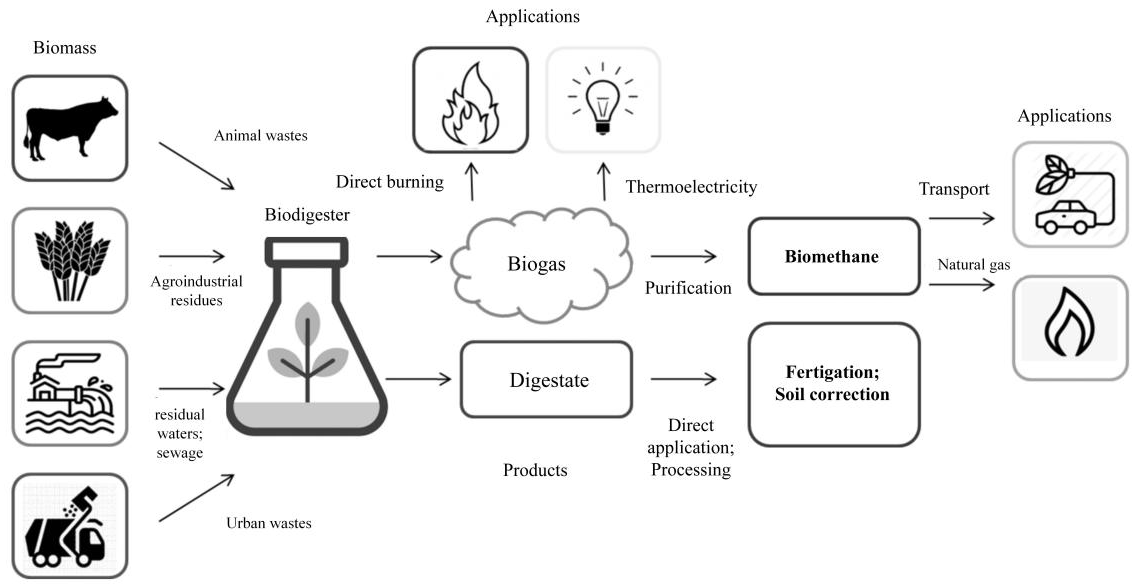
Figure 4. Biogas Production Chain.
Another important application of the anaerobic digestion process is attributed to the reduction of toxicity of the biomass feeding the digesters. These, after being degraded by the microorganisms in the system, result in digestate, a liquid byproduct of the bioprocess with fertilizing potential, which can be applied to soil fertilization, returning to the environment as a source of nutrients for plants and closing the carbon cycle contained in the original biomass. Thus, the biogas production chain can operate cyclically and sustainably.
7 LIGNOCELLULOSIC BIOMASS: COMPOSITION AND CHALLENGES
Lignocellulosic biomass represents one of the most abundant and renewable organic resources, encompassing plant-derived materials from native and cultivated forests, agricultural residues, municipal solid waste, and wood industry by-products. Its widespread availability and high carbon content make it a promising feedstock for biofuel production. However, its structural complexity presents significant challenges for efficient conversion into bioenergy[39,40].
The primary constituents of lignocellulosic biomass are:
Cellulose (40-50%):
A linear polymer of β-1,4-linked D-glucose units, cellulose forms crystalline microfibrils that contribute to the tensile strength of the plant cell wall. Due to its high crystallinity and extensive hydrogen bonding, cellulose is recalcitrant to enzymatic hydrolysis, necessitating pre-treatment for efficient bioconversion[17].
Hemicellulose (20-30%):
Hemicellulose is a heterogeneous matrix of branched polysaccharides, including pentoses (xylose, arabinose) and hexoses (glucose, galactose, mannose). Its amorphous nature makes it more susceptible to hydrolysis than cellulose, but its structural diversity complicates complete degradation[18].
Lignin (10-25%):
Lignin is a complex, hydrophobic, and aromatic polymer composed of phenylpropanoid units, providing structural integrity and resistance to microbial attack. However, its recalcitrance significantly hinders the enzymatic release of fermentable sugars from cellulose and hemicellulose, making it a major barrier to biomass conversion[41].
In addition to these major components, lignocellulosic biomass contains minor constituents such as pectin, proteins, lipids, and extractives (e.g., chlorophyll and waxes), which influence its physical and chemical properties depending on the plant species, age, and environmental conditions[39,40].
8 CHALLENGES IN BIOFUEL PRODUCTION
The recalcitrance of lignocellulosic biomass is a critical obstacle in biofuel production. The tightly packed and chemically bonded structure of cellulose, hemicellulose, and lignin limits enzymatic access to fermentable sugars. To overcome this, various pre-treatment technologies have been developed.
8.1 Physical Pre-treatment
Techniques such as milling, grinding, and steam explosion reduce particle size and disrupt the lignocellulosic matrix, increasing surface area and porosity[42].
8.2 Chemical Pre-treatment
Acid hydrolysis, alkaline delignification, and oxidative treatments target lignin removal and hemicellulose solubilization, enhancing cellulose accessibility for subsequent enzymatic hydrolysis[24,42,43].
8.3 Biological Pre-treatment
Fungal or bacterial degradation of lignin and hemicellulose offers a low-energy, environmentally friendly alternative, though it is typically slower than physical or chemical methods. Despite advances in pre-treatment and hydrolysis technologies, the economic feasibility of large-scale lignocellulosic biofuel production remains a challenge. Research continues to focus on optimizing these processes, developing enzyme cocktails with enhanced efficiency, and engineering robust microbial strains capable of fermenting a wide range of sugars into biofuels such as bioethanol, biobutanol, and biomethane[18,44].
9 ENVIRONMENTAL AND ECONOMIC POTENTIAL
Lignocellulosic biomass offers significant environmental benefits, including the reduction of greenhouse gas emissions, waste valorization, and the potential for carbon sequestration. However, in many developing countries, agricultural residues and other lignocellulosic materials remain underutilized, often being burned or left in fields, contributing to air pollution and environmental degradation[4]. Integrating lignocellulosic biomass into bioenergy systems such as anaerobic digestion or advanced biofuel production can transform these residues from environmental liabilities into valuable energy resources, contributing to a sustainable and circular bioeconomy[42,43].
10 ANAEROBIC BIODIGESTERS: PRINCIPLES, EVOLUTION, AND MODERN DEVELOPMENTS
Anaerobic biodigesters are engineered systems that enable the microbial degradation of organic waste in the absence of oxygen. Through this process, these systems produce biogas, a renewable energy source, and digestate, which can be used as a fertilizer. At the core of an anaerobic biodigester is a closed fermentation chamber that facilitates the digestion of biomass, and a gas holder (or bell) that stores the biogas generated during this process. Additionally, systems for feeding the biomass, removing the digestate, and recovering biogas are integral to the operational design[45]. A simplified schematic of a typical biodigester structure is shown in Figure 5.
|
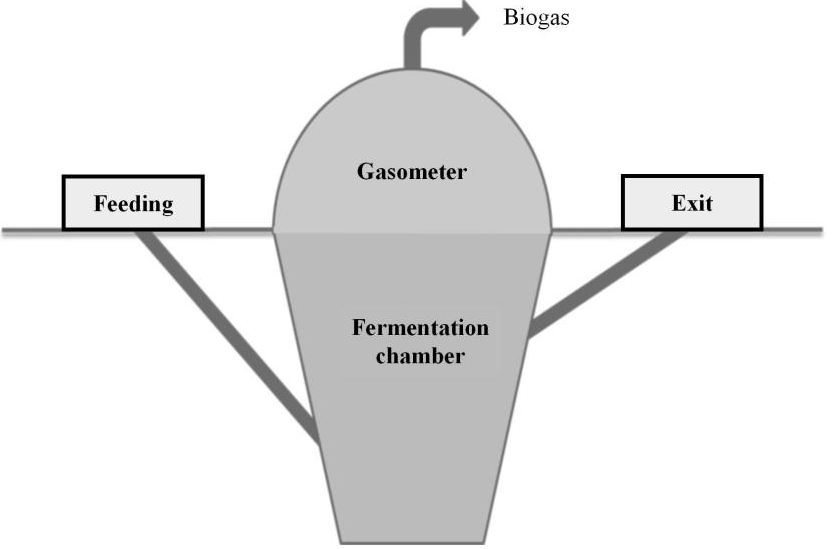
Figure 5. Simplified Model of Anaerobic Biodigester.
11 KEY OPERATIONAL REQUIREMENTS FOR EFFICIENT BIODIGESTERS
For a biodigester to operate efficiently and productively, it must satisfy three key requirements: (i) effective waste sanitization, (ii) generation of biogas to meet energy demands, and (iii) conversion of digestate into usable fertilizer. The overall efficiency of the biodigester depends on various operational and design factors, including the type of construction, temperature conditions, the presence of agitation, and the flow dynamics of materials within the system. The type of biogas storage and the presence of mechanisms for bacterial biomass aggregation further influence the system's productivity. These factors collectively determine the viability and performance of the digester under different conditions[35].
12 HISTORICAL DEVELOPMENT OF BIODIGESTERS
India has been a pioneer in the development of biodigesters, with the first system being constructed around 1908. By 1992, India had installed approximately 160,000 units across the country. The Indian biodigester design consists of a main fermenter tank, subdivided into two chambers to allow for material recirculation, optimizing the fermentation process. The gas holder, typically in direct contact with the biomass, adjusts in response to the pressure created by the produced biogas[35,46]. In China, biodigesters were introduced in the 1950s, and by 1992, approximately 7.2 million units had been installed. The Chinese model typically features a masonry-built structure located below ground level. It includes an inlet and outlet for biomass and a valve for biogas collection, which can be piped for use. A critical design aspect is the system’s waterproofing, which must withstand the internal pressure exerted during operation, ensuring the structural integrity of both the fermentation chamber and gas holder[35,47]. In Brazil, the "Canadian" biodigester, also known as the "Covered Lagoon" has gained significant traction due to its low cost and ease of installation. This system consists of an underground fermentation chamber covered by a PVC tarpaulin that inflates under the pressure of the biogas. This expandable design allows for scalability, making it suitable for both small- and large-scale applications. The biogas is extracted through a valve, and the system’s low cost has made it especially popular among small producers[48].
13 ADVANCEMENTS IN MODERN ANAEROBIC DIGESTION TECHNOLOGIES IN BRAZIL
While traditional biodigester models such as the Indian, Chinese, and Canadian designs continue to be used, technological advancements have led to the development of more efficient and sophisticated systems. Modern biodigesters, such as the Upflow Anaerobic Sludge Blanket reactor and Continuous Stirred-Tank Reactors, are increasingly adopted for large-scale applications. These systems provide enhanced control over key operational parameters such as temperature, material flow, and agitation, which in turn optimizes biogas production. Such models are designed for higher efficiency and adaptability, allowing for better management of feedstock and more predictable operational outcomes[49,50]. In Brazil, the use of anaerobic biodigesters has expanded significantly, particularly in the agricultural sector. According to a 2019 report by the Ministry of Agriculture, Livestock, and Supply, there were 371 biodigesters in operation in the country, processing 14.4 million cubic meters of animal waste annually. These systems have been instrumental in mitigating greenhouse gas emissions, with an estimated reduction of approximately 160 million tons of CO2 equivalent per year. This demonstrates the potential of biodigesters not only as a waste treatment technology but also as a significant contributor to national sustainability efforts[51].
14 ANAEROBIC BIODIGESTION STEPS
The conversion of organic matter during anaerobic digestion can be divided into four main stages, according to the biochemical transformations to which organic compounds are subjected: hydrolysis, acidogenesis, acetogenesis, and methanogenesis. In this process, a consortium of microorganisms (acidogenic bacteria, acetogenic bacteria, and methanogenic archaea) is responsible for each phase of the process and must be in perfect balance in the system to produce biogas from organic materials[32,52]. Initially, organic compounds such as complex carbohydrates, lipids, and proteins are hydrolyzed into monomers like glucose, fatty acids, and amino acids. These monomers undergo acidogenesis. In this phase, the intermediates formed during hydrolysis are converted into short-chain fatty acids. Then, the third stage begins (acetogenesis), which involves the production of hydrogen, CO2, and acetic acid. Finally, in the last stage, methanogenic microorganisms act on the products of acetogenesis, resulting in biogas composed mainly of methane and carbon dioxide[53].
In Figure 6, a diagram is presented showing the stages of biodigestion, the intermediate compounds, and the final products of the process.
|
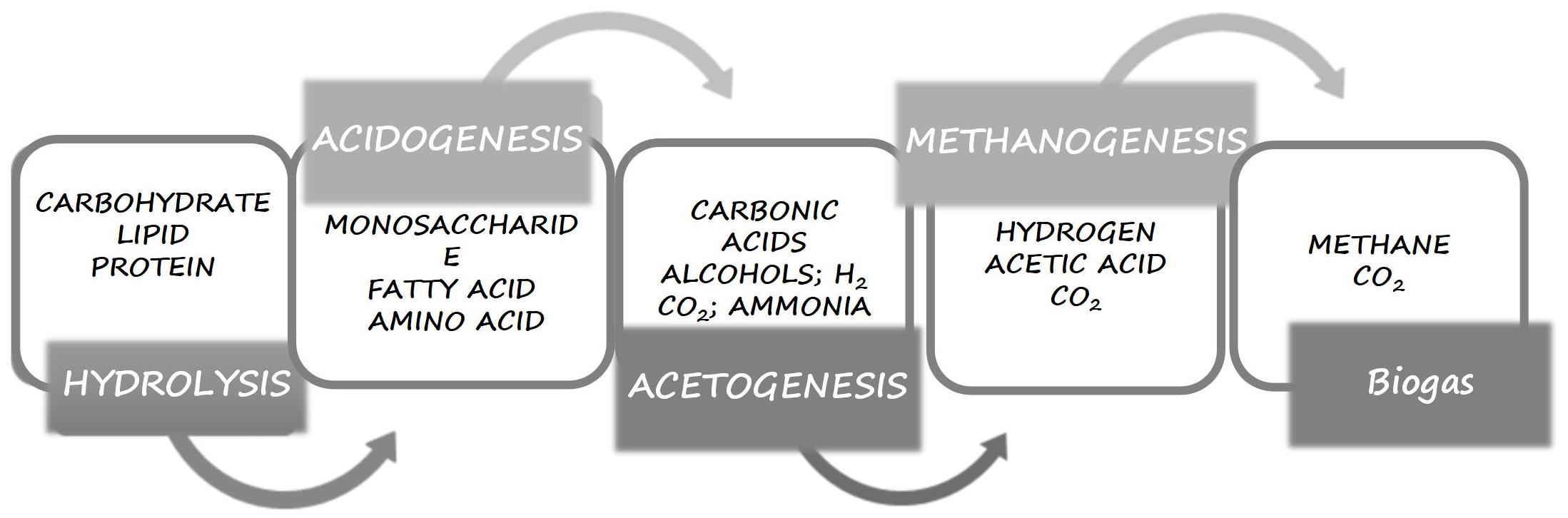
Figure 6. Scheme of the Stages of Anaerobic Biodigestion.
The first stage of anaerobic digestion is hydrolysis. During this phase of the process, the high molecular weight constituents of the substrate, such as lipids, carbohydrates, and proteins, are broken down into simpler compounds, for example, fatty acids, glucose, and amino acids. This process is catalyzed by extracellular enzymes, such as proteases and lipases, excreted by hydrolytic bacteria[54]. The degradation of the substrate is closely related to the hydrolysis stage, and the degradation rate depends on the physical and chemical characteristics of the substrate used in the process. Lignocellulosic biomasses, for example, are difficult to degrade, and hydrolysis plays a crucial role in the overall speed of the system, often considered a limiting factor in the anaerobic digestion rate. The duration of this stage varies according to the substrate characteristics, taking only a few hours for simple carbohydrates and several days for complex carbohydrates, proteins, and lipids[54,55]. Multiple factors influence the hydrolysis rate of the substrate, such as temperature, process duration, substrate composition, particle size, pH, and the concentration of volatile organic acids produced during hydrolysis. Regarding the microorganisms involved in hydrolysis, there is a diverse set of species of fermentative hydrolytic bacteria. Many of these are strict anaerobes, such as those belonging to the genus Clostridium, while others are facultative anaerobes, such as those from the genera Citrobacter, Enterobacter, and Escherichia[35,54,55].
In this stage of anaerobic digestion, acidogenic bacteria convert the products generated during substrate hydrolysis into short-chain fatty acids containing 1 to 5 carbon atoms, such as acetic acid, propionic acid, and butyric acid. They also produce alcohols (mainly ethanol), carbon dioxide, hydrogen, and hydrogen sulfide[55,56]. During acidogenesis, the biological reactions that occur are thermodynamically favorable. As a result, acidogenic microorganisms have shorter generation times for intermediate products and higher growth rates in anaerobic digestion. This stage only limits the process if the substrate to be degraded is not effectively hydrolyzed beforehand[54,55]. The compounds formed in this stage of the anaerobic digestion process depend on the concentration of intermediate hydrogen. If it is too high, this results in products with higher carbon content. Additionally, the formation of fatty acids is influenced by the pH of the medium, increasing when the pH of the process is above 5, while ethanol production is characteristic at pH below 5[55,57]. The main genera of fermentative acidogenic bacteria include Clostridium, Bacteroides, Ruminococcus, Butyribacterium, Propionibacterium, Eubacterium, Lactobacillus, Streptococcus, Pseudomonas, Bacillus, Escherichia, Desulfobacter, and Micrococcus. The characteristics of the substrate used as raw material will determine which species of bacteria will predominate in the anaerobic digestion process[35,52,54].
In the third stage of anaerobic digestion, acetogenic bacteria convert fatty acids and alcohols produced during acidogenesis into acetic acid, formic acid, hydrogen, and carbon dioxide. These compounds serve as precursors for methane molecules in methanogenesis, which is the final stage of anaerobic digestion[55]. Acetogenic reactions are endothermic, and the growth kinetics of acetogenic microorganisms are slower compared to acidogenesis, with a minimum doubling time ranging from 1.5 to 4 days. Additionally, acetogenic bacteria are strict anaerobes, and the presence of oxidants such as oxygen or nitrate is toxic to their development. Regarding pH, environments close to neutrality (pH 6.0 to 6.2) favor acetogenesis[55,58]. At this stage of the process, the partial pressure of hydrogen is a critical factor. A high hydrogen concentration prevents the conversion of intermediate compounds from acidogenesis, leading to the accumulation of fatty acids that inhibit methanogenesis, such as propionic acid, isobutyric acid, isovaleric acid, and caproic acid. Due to this behavior, acetogenic bacteria must be associated with methanogenic archaea because, during methane formation, these archaea consume hydrogen and carbon dioxide, ensuring that the environmental conditions also support the growth and activity of acetogenic bacteria[54,55]. Syntrophy between organisms from different microbial groups in acetogenesis allows both to thrive during the process of anaerobic digestion. This ensures the feasibility of acetate production from organic acids. The acetogenic bacteria responsible for this phase include Syntrophobacter wolinii and Syntrophomonas wolfei. Other bacteria involved can include Clostridium spp., Peptococcus anerobius, Lactobacillus, and Actinomyces[35,54].
The final stage of anaerobic digestion, methanogenesis, occurs under strictly anaerobic conditions, during which methane (CH₄), the energy-rich molecule of interest, is produced from intermediate compounds such as acetic acid (CH₃COOH), formic acid (HCOOH), carbon dioxide (CO₂), methanol (CH₃OH), and methylamine (CH₃NH₂) through the action of methanogenic archaea[55]. The preceding stages of anaerobic digestion convert organic matter into intermediate compounds that are subsequently utilized by methanogenic archaea during methanogenesis. The organic pollution load, measured in terms of chemical oxygen demand (COD) or biochemical oxygen demand, is significantly reduced during the anaerobic process in the methanogenic stage. Therefore, the efficiency of the methanogenesis stage is directly related to the reduction of carbonaceous pollution[54,55]. The archaeal domain is highly diverse, and methanogenic archaea are categorized based on their metabolic pathways into two main groups: acetoclastic and hydrogenotrophic. Acetoclastic archaea primarily convert acetate into methane, accounting for approximately 70% of methane production. In contrast, hydrogenotrophic archaea convert hydrogen and carbon dioxide into methane, contributing around 30% to total methane production[59]. The prevalence of methanogenic archaeal classes in the biodigestion system is influenced by pH (ideally between 6.7 and 7.5) and the concentration of ammonia in the environment. Acetoclastic archaea are more sensitive to pH changes and high ammonia concentrations. This sensitivity can lead to the predominance of hydrogenotrophic archaea in such conditions[54,55]. The main genera of acetoclastic methanogenic archaea are Methanosarcina and Methanosaeta, while the most common genera of hydrogenotrophic methanogenic archaea found in anaerobic digestion processes are Methanobacterium, Methanospirillum, Methanobrevibacter, Methanoculleus, and Methanocorpusculum[35,54].
15 PROCESS CONDITIONS FOR ANAEROBIC BIODIGESTION
Anaerobic digestion is highly dependent on both the properties of the reaction medium—such as the chemical composition of the biomass and pH—and key operational factors like temperature and agitation. The conditions implemented during the process play a crucial role in influencing methane production. Therefore, optimizing the environmental conditions to align with the metabolic needs of the microbial community, combined with the establishment of appropriate operational parameters, promotes stable and synergistic microbial activity. This not only enhances methane yield but also reduces the toxicity of the treated residues, contributing to a more efficient and sustainable digestion process. The main factors influencing anaerobic digestion include temperature, pH, alkalinity, macronutrients (N, P, SO4-2), micronutrients (trace metals), hydraulic retention time (HRT), carbon source (for synthesis and energy), agitation of the reaction medium, among others. These factors can vary depending on the origin of the biomass being treated[60]. In general, higher temperatures accelerate chemical reactions in the environment. However, in biological processes involving the transformation and degradation of biomass, the optimal temperature for the system is related to what promotes the growth and metabolism of the microorganisms involved. Due to the sensitivity of these organisms, variations outside the optimal temperature range can inhibit microbial activity, thereby compromising the production of the desired product[6,54]. Regarding growth temperatures, microorganisms are classified into psychrophiles, which prefer temperatures of 10 to 20 °C, mesophiles, which thrive at 20 to 45 °C, and thermophiles, which prefer temperatures of 45 to 65 °C. In anaerobic digestion, various microorganisms synergistically act in different stages of the process. Those involved in hydrolysis and acidogenesis stages typically thrive best at temperatures ranging from 25°C to 35°C. Microorganisms responsible for methanogenesis tend to grow optimally within the range of 32°C to 42°C.
In summary, the operating temperature of anaerobic digestion is a critical factor that can either enhance or hinder the metabolism of microorganisms involved in the process[23,61,62]. Increasing the temperature in anaerobic digestion enhances the solubilization rate of organic compounds, improves biochemical reaction rates, and aids in pathogen elimination. However, higher temperatures also increase ammonia dissociation in the medium, which is toxic to methanogenic archaea. Ammonia can diffuse through the microbial cell membrane, causing ionic imbalance and/or potassium deficiency. Initially, thermophilic temperatures favor anaerobic digestion. However, some researchers have found that the process is more stable under mesophilic conditions. Additionally, there are considerations regarding the energy costs associated with heating bioreactors. Therefore, mesophilic temperatures are commonly used in the operation of anaerobic digesters[54,55,63].
The pH is related to the concentration of acids in aqueous systems; that is, the concentration of hydronium ions (H3O+) present in the medium is one of the main parameters to be considered in anaerobic digestion systems. The metabolism of microorganisms involved in anaerobic digestion is favored within optimal pH ranges, typically between 6.8 and 7.2, especially for the methanogenic organisms present in the process[55]. Acetogenic and methanogenic bacteria are more demanding and sensitive to pH changes in their environment. Acetogenic bacteria produce volatile organic acids that are converted into acetic acid, hydrogen, and carbon dioxide, leading to acidification of the medium. This alteration inhibits the activity of methanogenic microorganisms, which are responsible for the final production of methane in anaerobic digestion systems[64].
Another factor is the organic loading rate in anaerobic digestion systems, which relates to the amount of dry organic solids loaded into digesters per unit of time. Loading large volumes of material at once increases the activity of hydrolytic and acidogenic microorganisms, leading to higher concentrations of volatile fatty acids in the medium. Consequently, the pH decreases, inhibiting the activity of methanogenic archaea and methane production[64]. The maximum organic loading rate that microorganisms can tolerate in anaerobic digestion systems is typically around 4 kg of dry solids per cubic meter of digester volume[54,64].
The HRT can be defined as the time required for the complete degradation of organic matter or the duration that organic matter remains in the biodigester, directly proportional to its degradation rate. The HRT of the process varies according to temperature and substrate composition. Kothari and colleagues report an HRT of 10 to 40 days for mesophilic anaerobic digestion and emphasize that systems fed with lignocellulosic residues require a longer HRT for biomass degradation[52]. Considering a short HRT means there is limited time for microorganisms to degrade the substrate, resulting in low biogas yields. Other parameters such as substrate type, digester model, and organic loading rate also influence HRT.
The process of converting substrate into biogas can vary from hours to days[65]. The presence of carbon and nitrogen in biological systems such as anaerobic digestion is essential for the growth and development of microorganisms. This ratio of carbon to nitrogen in an organic substrate is denoted as the C/N ratio[55,65]. An appropriate C/N ratio is crucial in anaerobic digestion systems and typically ranges from 15:1 to 35:1. Higher C/N ratios result in nitrogen deficiency for microbial growth. Moreover, insufficient nitrogen in the environment reduces methane production yield due to methanogen inactivation and potential process failure. When digesters operate with lower C/N ratios, microbial growth is limited by carbon scarcity, potentially leading to the accumulation of ammonia nitrogen, and acids in the system[54,65]. Considering the chemical composition of ethanol vinasse and sugarcane bagasse in terms of carbon and nitrogen, sugarcane bagasse contains more carbon while ethanol vinasse has more nitrogen. Therefore, co-digesting these residues is an alternative to improve the C/N ratio to increase biogas production.
In anaerobic digestion processes, the presence of various species of microorganisms is required. The use of inoculum proves to be an alternative that promotes the establishment of these organisms responsible for the degradation and transformation of the substrate. In addition to providing a diverse microbial consortium, the inoculum also supplies macro and micronutrients and enhances the buffering capacity of the reaction medium. Ideally, an inoculum should have a broad trophic composition to ensure the biodegradation of various types of substrates. Sewage sludge from wastewater treatment plants is the most used type of inoculum in anaerobic digestion processes. Another valuable source of inoculum includes sludges from existing digesters, as these contain well-developed and adapted methanogenic microbial populations suited to the anaerobic environment, reducing the risk of inhibition. Additionally, manure from cattle, pigs, and poultry is also applied as inoculum in anaerobic digestion systems[66]. A ratio of substrate to inoculum (S/I) can be calculated based on volatile solids content, total solids, or system loading rate, where higher inoculation rates can reduce process startup time, increase methane yield, microbial populations, buffering capacity, and in some cases balance C/N ratios. However, excessive inoculation reduces volumetric efficiency and occupies reactor space. To optimize methane yield and volumetric efficiency in systems fed with lignocellulosic biomass, a S/I ratio of 2-3 is typically chosen under mesophilic conditions[66]. Bovine manure is a potential inoculum to enhance anaerobic digestion processes, as methanogenic archaea represent approximately 40% of its microfauna. Another advantage of this type of inoculum lies in its adaptability and capacity to degrade substrates containing lignin, cellulose, and hemicellulose, thereby reducing the latency phase, decreasing the accumulation of volatile fatty acids, and promoting nutritional balance in the medium[66,67].
16 PRODUCTS OF ANAEROBIC BIODIGESTION - BIOGAS AND DIGESTATE
Biogas is a combustible gaseous mixture generated through anaerobic fermentation of organic matter, primarily composed of CH4 and CO2, along with other gases such as NH3, H2S, N2, H2, and water vapor. Biogas can be utilized for electric, mechanical, and thermal energy generation. Electric power can be produced by burning biogas in turbines and modified Otto and diesel engines, making it a recognized source of clean and decentralized energy[40]. Table 3 below shows the average composition of biogas components. Of all the components of biogas, methane is the most important because it has a calorific value equivalent to fossil natural gas. Therefore, its content is directly related to the fuel potential of biogas. The methane yield in biogas is primarily determined by the chemical composition of the substrate used, in terms of its content of lipids, proteins, and carbohydrates. These three groups have different specific methane yields, with lipids yielding more methane than proteins and carbohydrates[68].
Table 3. Average Composition of Biogas[36].
Component |
Average concentration |
Methane (CH4) |
50% to 75% by volume |
Carbon dioxide (CO2) |
25% to 45% by volume |
Water (H2O) |
2% to 7% by volume |
Hydrogen sulfide (H2S) |
20 to 20,000 parts per million |
Nitrogen (N2) |
Less than 2% by volume |
Oxygen (O2) |
Less than 2% by volume |
Hydrogen (H2) |
Less than 1% by volume |
The concentration of H2S and H2 plays a crucial role in the quality of the gas mixture, where their concentrations should not be elevated. Even small amounts of hydrogen sulfide can inhibit the anaerobic digestion process, while high concentrations of hydrogen in biogas lead to corrosion of equipment in cogeneration power plants and gas-fired boilers[40].Another product generated from anaerobic digestion is digestate, which consists of the digested substrate. It contains organic and inorganic content, high moisture content, and microorganisms. Due to its nutrient-rich composition including nitrogen, phosphorus, and potassium, digestate has fertilizer potential. It can be applied directly to crops or further processed and conditioned for subsequent fertilization purposes[68,69]. The proper disposal of digestate poses one of the greatest challenges for the sustainable development of the biogas industry, as it is generated in large volumes and its composition, physical, and chemical characteristics vary depending on the feedstock used in the digesters. Due to the operation of anaerobic digestion, achieving standardized fertilizer compositions from digestate is challenging. In addition to the direct application of digestate as fertilizer, researchers have been investigating its use in biochar production and the cultivation of insects and fungi[69,70]. Liu and colleagues conducted a study on the effects of pretreating wheat straw with digestate for biogas production. In their study, the liquid fraction of the digestate was mixed with the straw and stored for up to 7 days. The objective was to enhance the digestibility of the biomass and thereby increase methane yields[71]. The utilization of solid and liquid fractions of digestate from digesters fed with swine and poultry manure was studied by Sun and colleagues[72]. This group of researchers used digestate to adjust the moisture content of corn stover, which was ensiled for 60 days and then anaerobically digested to obtain higher biogas volumes. The basis for the pretreatment was the microbial input from the digestate and its ammonia concentration.
17 CONCLUSION
Biogas generation systems are influenced by a range of factors, from the characteristics of the biomass and the type of biodigester to broader considerations such as biogas purification and national policy frameworks. These variables underscore the complexity of optimizing anaerobic digestion for maximum productivity and environmental benefit. In the context of climate change mitigation and the global shift toward renewable energy, biogas presents a versatile solution. Biodigesters offer decentralized waste treatment options, transforming agricultural and industrial by-products into valuable biogas. This biogas can be used for heat and electricity generation or upgraded to biomethane, integrating seamlessly into the biofuel chain and converting environmental liabilities into economic assets.
The Brazilian sugarcane industry, a global leader in the production of sugar and ethanol, is well-positioned to leverage anaerobic digestion as a sustainable waste management and energy production strategy. However, despite its vast potential, biogas remains an underutilized resource in Brazil. To fully realize its benefits, increased investments and strategic policy support from both the public and private sectors are essential.
Future research should focus on optimizing feedstock combinations, including both traditional residues like vinasse and bagasse and less-explored substrates such as yeast sludge from ethanol production, to enhance biogas yield and process efficiency. Additionally, studies on improving the scalability and economic viability of small and medium-scale biogas plants in rural areas could facilitate broader adoption. From a practical perspective, integrating biogas systems into sugarcane processing plants can reduce energy costs, minimize waste disposal challenges, and enhance soil fertility through the use of digestate as a biofertilizer, contributing to a circular economy in the sugar and ethanol sector. The successful implementation of anaerobic digestion in Brazil’s sugarcane industry has the potential to serve as a model for other agricultural economies worldwide, demonstrating how waste-to-energy solutions can drive sustainable development on a global scale.
Aligning economic and environmental objectives, biogas can play a pivotal role in Brazil's renewable energy strategy, fostering sustainability, enhancing energy security, and reducing greenhouse gas emissions. Its benefits extend beyond national borders, contributing to global environmental goals.
Acknowledgments
To UFVJM and the Graduate Program in Biofuels for the infrastructure and resources provided. This work was conducted with the support of the Coordenação de Aperfeiçoamento de Pessoal de Nível Superior – Brasil (CAPES) – Financing Code 001. We thank FAPEMIG, CAPES, and the entire team of students and faculty who contributed to the development of this work.
Conflicts of Interest
The authors declared no conflict of interest.
Author Contribution
Dayrell LR and Oliveira DCS conducted detailed literature searches, performed data extraction, and drafted this review. Nelson DL provided theoretical insights and guidance on critical themes. dos Reis AB contributed to the organization, structure, and editing of the manuscript. Pasin TM ensured the coherence of the manuscript, provided critical revisions, and approved the final version for publication, serving as the corresponding author. Benassi VM oversaw project coordination, conceived and scoped the review, identified key topics, and contributed to the synthesis of this review.
Abbreviation List
COD, chemical oxygen demand
GDP, Gross Domestic Product
GHG, Greenhouse gas
HRT, hydraulic retention time
MAPA, Ministry of Agriculture, Livestock, and Supply
Mtoe, million tonnes of oil equivalent
S/I, substrate to inoculum
References
[1] Sikarwar VS, Zhao M, Fennell PS et al. Progress in biofuel production from gasification. Prog Energy Combust Sci, 2017; 61: 189-248.[DOI]
[2] Klein HS, Luna FV. The Modernization of Brazilian Agriculture Since 1950. In: Brazilian Crops in the Global Market: The Emergence of Brazil as a World Agribusiness Exporter Since 1950. Springer Nature: Switzerland, 2023: 5-38.[DOI]
[3] Pires AJV, Garcia R, Valadares Filho SC et al. Degradabilidade do bagaço de cana-de-açúcar tratado com amônia anidra e, ou, sulfeto de sódio [In Portuguese]. R Bras Zootec, 2004; 33: 1071-1077.[DOI]
[4] da Conceição Infante J, de Lucas RC, de Oliveira TB et al. Sugarcane Waste: Current Scenario in Microbial Valorization for Biomolecules. In: Microbial Bioprocessing of Agri-food Wastes. CRC Press: USA, 2023: 149-179.[DOI]
[5] Rodrigues JP, Orrico ACA, Orrico Junior MAP et al. Adição de óleo e lipase sobre a biodigestão anaeróbia de dejetos suínos [In Portuguese]. Sci Rural, 2014; 44: 544-547.[DOI]
[6] Pinheiro VE, Wainaina S, Polizeli MLTM et al. Anaerobic digestion of cornmeal–the effect of crude enzyme extract and co‐digestion with cow manure. Biofuel Bioprod Bior, 2022; 16: 710-724.[DOI]
[7] Karki R, Chuenchart W, Surendra KC et al. Anaerobic co-digestion: Current status and perspectives. Bioresource Technol, 2021; 330: 125001.[DOI]
[8] International Energy Agency. Outlook for biogas and biomethane: Prospects for organic growth. OECD Publishing: France, 2020.[DOI]
[9] Gbadeyan OJ, Muthivhi J, Linganiso LZ et al. Biogas production and techno‐economic feasibility studies of setting up household biogas technology in Africa: A critical review. Energy Sci Eng, 2024; 12: 4788-4806.[DOI]
[10] Oliveira DCS, Dayrell LR, Benassi VM et al. PANORAMA DO BIOGÁS NO BRASIL. Revista Multidisciplinar de Educação e Meio Ambiente, 2021; 2: 62-62.[DOI]
[11] Freire Costa da CC. Santos dos JCB , Maintinguer SI. Análise técnico-econômica da produção de energia elétrica a partir do biogás obtido de dejetos suínos. Energias renováveis e valorização de resíduos: O caminho para a sustentabilidade [In Portuguese], 2022; 2: 77-87.[DOI]
[12] Hollas CE, do Amaral KGC, Lange MV et al. Livestock waste management for energy recovery in Brazil: a life cycle assessment approach. Environ Sci Pollut R, 2024; 31: 4705-4720.[DOI]
[13] Pasin TM, de Almeida PZ, de Almeida Scarcella AS et al. Bioconversion of agro-industrial residues to second-generation bioethanol. In: Biorefinery of alternative resources: targeting green fuels and platform chemicals, Springer: Singapore, 2020: 23-47.[DOI]
[14] Belançon MP. Brazil electricity needs in 2030: trends and challenges. Renew Energ Focus, 2021; 36: 89-95.[DOI]
[15] Aparecido LEO, de Moraes JRSC, de Meneses KC et al. Climate efficiency for sugarcane production in Brazil and its application in agricultural zoning. Sugar Tech, 2021; 23: 776-793.[DOI]
[16] Scarcella ASA, Pasin TM, de Lucas RC et al. Holocellulase production by filamentous fungi: potential in the hydrolysis of energy cane and other sugarcane varieties. Biomass Convers Bior, 2023; 13: 1163-1174.[DOI]
[17] Pasin TM, Scarcella ASA, Lucas RC et al. An eco-friendly production of a novel and highly active Endo-1, 4-beta-xylanase from Aspergillus clavatus. Asian J Biochem Genet Mol Biol, 2021; 9: 20-33.[DOI]
[18] de Lucas RC, de Oliveira TB, Lima MS et al. Effect of enzymatic pretreatment of sugarcane bagasse with recombinant hemicellulases and esterase prior to the application of the cellobiohydrolase CBH I Megazyme®. Biomass Convers Bior, 2022; 12: 491-499.[DOI]
[19] Scarcella ASA, Pasin TM, de Oliveira TB et al. Saccharification of different sugarcane bagasse varieties by enzymatic cocktails produced by Mycothermus thermophilus and Trichoderma reesei RP698 cultures in agro-industrial residues. Energy, 2021; 226: 120360.[DOI]
[20] Contato AG, Nogueira KMV, Buckeridge MS et al. Trichoderma longibrachiatum and Thermothelomyces thermophilus co-culture: Improvement the saccharification profile of different sugarcane bagasse varieties. Biotechnol Lett, 2023; 45: 1093-1102.[DOI]
[21] Pasin TM, Lucas RC, de Oliveira TBet al. A new halotolerant xylanase from Aspergillus clavatus expressed in Escherichia coli with catalytic efficiency improved by site-directed mutagenesis. 3 Biotech, 2024; 14: 178.[DOI]
[22] Vats N, Khan AA, Ahmad K. Observation of biogas production by sugarcane bagasse and food waste in different composition combinations. Energy, 2019; 185: 1100-1105.[DOI]
[23] da Silva YH, de Oliveira TB, Lima MS et al. Co-Culture of Trichoderma reesei, Talaromyces sp. and Aspergillus spp. Produces A Multi-Enzyme Cocktail for the Hydrolysis of Sugarcane Bagasse Pretreated with Piperonilic Acid (PIP) and Methylenedioxycinnamic Acid (MDCA). Res Square, 2022; 1.[DOI]
[24] Maneechot P, Sanai A, Sriprapakhan P et al. Acid-Base Pretreatment of Sugarcane Bagasse for Anaerobic Digestion into Biogas in the Presence of Cowdung Mesophically to Remove H2S Through Adsorption on Xfe2o3-Cement Sand. Nanotechnol. Percept, 2024; 20: 1-16.[DOI]
[25] Pasin TM, Salgado JCS, Scarcella ASA et al. A halotolerant endo-1, 4-β-xylanase from Aspergillus clavatus with potential application for agroindustrial residues saccharification. Appl Biochem Biotechnol, 2020; 191: 1111-1126.[DOI]
[26] Carvalho GGP, Cavali J, Fernandes FEP et al. Composição química e digestibilidade da matéria seca do bagaço de cana-de-açúcar tratado com óxido de cálcio[In Portuguese]. Arquivo Brasileiro de Medicina Veterinária e Zootecnia, 2009; 61: 1346-1352.
[27] Hashemi SS, Karimi K, Karimi AM. Ethanolic ammonia pretreatment for efficient biogas production from sugarcane bagasse. Fuel, 2019; 248: 196-204.[DOI]
[28] Vats N, Khan AA, Ahmad K. Effect of substrate ratio on biogas yield for anaerobic co-digestion of fruit vegetable waste & sugarcane bagasse. Environ Technol Inno, 2019; 13: 331-339.[DOI]
[29] Janke L, Leite A, Nikolausz M et al. Biogas production from sugarcane waste: assessment on kinetic challenges for process designing. Int J Mol Sci, 2015; 16: 20685-20703.[DOI]
[30] Moraes BS, Zaiat M, Bonomi A. Anaerobic digestion of vinasse from sugarcane ethanol production in Brazil: Challenges and perspectives. Renew Sust Energ Rev, 2015; 44: 888-903.[DOI]
[31] Moraes BS, Petersen SO, Zaiat M et al. Reduction in greenhouse gas emissions from vinasse through anaerobic digestion. Appl Energ, 2017; 189: 21-30.[DOI]
[32] Fuess LT, Klein BC, Chagas MF et al. Diversifying the technological strategies for recovering bioenergy from the two-phase anaerobic digestion of sugarcane vinasse: An integrated techno-economic and environmental approach. Renew Energ, 2018; 122: 674-687.[DOI]
[33] Parsaee M, Kiani MKD, Karimi K. A review of biogas production from sugarcane vinasse. Biomass Bioenerg, 2019; 122: 117-125.[DOI]
[34] Syaichurrozi I. Review–Biogas technology to treat bioethanol vinasse. Waste Technol, 2016; 4: 16-23.
[35] Pinheiro VE, de Moraes MLT. Environmental parameters affecting the anaerobic microbial community. In: Wastewater Treatment Reactors. Elsevier: Nederland, 2021; 219-252.[DOI]
[36] Adarme OFH, Baêta BEL, Gabriel Filho JB et al. Use of anaerobic co-digestion as an alternative to add value to sugarcane biorefinery wastes. Bioresource Technol, 2019; 287: 121443.[DOI]
[37] Wongarmat W, Reungsang A, Sittijunda S et al. Anaerobic co-digestion of biogas effluent and sugarcane filter cake for methane production. Biomass Convers Bior, 2022; 12: 1-12.[DOI]
[38] Zhuk H, Ivanov Y, Onopa L et al. Absorption Technologies for Biomethane Production from Biogas to Replace Natural Gas in Gas Distribution Networks and Use as Motor Fuel. In: Modern Technologies in Energy and Transport. Springer Nature: Switzerland, 2023; 510: 71-109.[DOI]
[39] Bhatia SK, Jagtap SS, Bedekar AA et al. Recent developments in pretreatment technologies on lignocellulosic biomass: effect of key parameters, technological improvements, and challenges. Bioresource Technol, 2020; 300: 122724.[DOI]
[40] Fonoll X, Shrestha S, Khanal SK et al. Understanding the anaerobic digestibility of lignocellulosic substrates using rumen content as a cosubstrate and an inoculum. ACS EST Eng, 2021; 1: 424-435.[DOI]
[41] Contato AG, Inácio FD, Bueno PSAet al. Pleurotus pulmonarius: A protease-producing white rot fungus in lignocellulosic residues. Int Microbiol, 2023; 26: 43-50.[DOI]
[42] Cui Z, Tian W, Zhang H et al. Multi-scale modeling and control of chemical looping gasification coupled coal pyrolysis system for cleaner production of synthesis gas. J Clean Prod, 2021; 299: 126903.[DOI]
[43] Sawatdeenarunat C, Surendra KC, Takara D et al. Anaerobic digestion of lignocellulosic biomass: challenges and opportunities. Bioresource Technol, 2015; 178: 178-186.[DOI]
[44] Millati R, Wikandari R, Ariyanto T et al. Pretreatment technologies for anaerobic digestion of lignocelluloses and toxic feedstocks. Bioresource Technol, 2020; 304: 122998.[DOI]
[45] Ivanchenko A, Yelatontsev D, Savenkov A. Anaerobic co-digestion of agro-industrial waste with cheese whey: Impact of centrifuge comminution on biogas release and digestate agrochemical properties. Biomass Bioenerg, 2021; 147: 106010.[DOI]
[46] Gatkal NR, Nalawade SM, Sahni RK et al. Present trends, sustainable strategies and energy potentials of crop residue management in India: A review. Heliyon, 2024; 10: e39815.[DOI]
[47] Chen B, Hayat T, Alsaedi A et al. History of biogas production in China. In: Biogas Systems in China, Springer: Berlin, 2017: 1-15.[DOI]
[48] Oliveira HR, Anacleto TM, Abreu F et al. New insights into the factors influencing methanogenic pathways in anaerobic digesters. Anaerobe, 2024; 102925.[DOI]
[49] Mainardis M, Buttazzoni M, Goi D. Up-flow anaerobic sludge blanket (UASB) technology for energy recovery: a review on state-of-the-art and recent technological advances. Bioengineering, 2020; 7: 43.[DOI]
[50] Ren TT, Mu Y, Ni BJ et al. Hydrodynamics of upflow anaerobic sludge blanket reactors. AIChE J, 2009; 55: 516-528.[DOI]
[51] e Silva HLC, Córdova MEH, Barros RM et al. Lab-scale and economic analysis of biogas production from swine manure. Renew Energ, 2022; 186: 350-365.[DOI]
[52] Kothari R, Pandey AK, Kumar S et al. Different aspects of dry anaerobic digestion for bio-energy: An overview. Renew Sust Energ Rev, 2014; 39: 174-195.[DOI]
[53] Greses S, Tomás-Pejó E, González-Fernández C. Short-chain fatty acids and hydrogen production in one single anaerobic fermentation stage using carbohydrate-rich food waste. J Clean Prod, 2021; 284: 124727.[DOI]
[54] Van DP, Fujiwara T, Tho BL et al. A review of anaerobic digestion systems for biodegradable waste: Configurations, operating parameters, and current trends. Environ Eng Res, 2020; 25: 1-17.[DOI]
[55] Anukam A, Mohammadi A, Naqvi M et al. A review of the chemistry of anaerobic digestion: Methods of accelerating and optimizing process efficiency. Processes, 2019; 7: 504.[DOI]
[56] Shi E, Li J, Zhang M. Application of IWA Anaerobic Digestion Model No. 1 to simulate butyric acid, propionic acid, mixed acid, and ethanol type fermentative systems using a variable acidogenic stoichiometric approach. Water Res, 2019, 161: 242-250.[DOI]
[57] Yu SI, Jeong H, Shin J et al. Simulation models of microbial community, pH, and volatile fatty acids of anaerobic digestion developed by machine learning. J Water Process Eng, 2024; 60: 105225.[DOI]
[58] Müller V, Imkamp F, Rauwolf A et al. Molecular and cellular biology of acetogenic bacteria. In: Strict and facultative anaerobes: medical and environmental aspects. CRC Press: USA, 2004; 261-292.[DOI]
[59] Wang S, Li J, Zheng G et al. Bioaugmentation with Mixed Hydrogen‐Producing Acetogen Cultures Enhances Methane Production in Molasses Wastewater Treatment. Archaea, 2018; 2018: 4634898.[DOI]
[60] Kainthola J, Kalamdhad AS, Goud VV. A review on enhanced biogas production from anaerobic digestion of lignocellulosic biomass by different enhancement techniques. Process Biochem, 2019; 84: 81-90.[DOI]
[61] Silva LTA, de Oliveira TMFS, Marinho BM et al. Isolation of high amylase-producing filamentous fungi from the caatinga: standardization of the culture conditions and amylase activity from Penicillium sp. L1. Asian J Res Biochem, 2022; 10: 1-15.[DOI]
[62] Lopes PHS, Pasin TM, Benassi VM et al. Standardization of the Cultivation of Rhizopus arrhizus Using Agroindustrial Residues: High Production of Amylases in Pineapple Peel. Braz Arch Biol Technol, 2024; 67: e24240293.[DOI]
[63] Collins BA, Birzer CH, Harris PW et al. Two-phase anaerobic digestion in leach bed reactors coupled to anaerobic filters: A review and the potential of biochar filters. Renew Sust Energ Rev, 2023; 175: 113187.[DOI]
[64] Neshat SA, Mohammadi M, Najafpour GD et al. Anaerobic co-digestion of animal manures and lignocellulosic residues as a potent approach for sustainable biogas production. Renew Sust Energ Rev, 2017; 79: 308-322.[DOI]
[65] Lubentsov VF, Ojogova EV. Lubentsova EV. Influence of the substrate heating time on the optimal duration of the fermentation process in a biogas plant[In Russian]. Automat Mod Techol, 2023; 301-304.[DOI]
[66] Lima DRS, Adarme OFH, Baêta BEL et al. Influence of different thermal pretreatments and inoculum selection on the biomethanation of sugarcane bagasse by solid-state anaerobic digestion: a kinetic analysis. Ind Crop Prod, 2018; 111: 684-693.[DOI]
[67] Nzila A, Razzak SA, Sankara S et al. Characterisation and microbial community analysis of lipid utilising microorganisms for biogas formation. PLoS One, 2019; 14: e0224989.[DOI]
[68] Wongarmat W, Sittijunda S, Imai T et al. Co-digestion of filter cake, biogas effluent, and anaerobic sludge for hydrogen and methane production: Optimizing energy recovery through two-stage anaerobic digestion. Carbon Res Convers, 2024: 100248.[DOI]
[69] Peng W, Lü F, Hao L et al. Digestate management for high-solid anaerobic digestion of organic wastes: A review. Bioresource Technol, 2020; 297: 122485.[DOI]
[70] Wang F, Ouyang D, Zhou Z et al. Lignocellulosic biomass as sustainable feedstock and materials for power generation and energy storage. J Energy Chem, 2021; 57: 247-280.[DOI]
[71] Liu T, Zhou X, Li Z et al. Effects of liquid digestate pretreatment on biogas production for anaerobic digestion of wheat straw. Bioresource Technol, 2019; 280: 345-351.[DOI]
[72] Sun H, Cui X, Stinner W et al. Ensiling excessively wilted maize stover with biogas slurry: Effects on storage performance and subsequent biogas potential. Bioresource Technol, 2020; 305: 123042.[DOI]
Copyright © 2024 The Author(s). This open-access article is licensed under a Creative Commons Attribution 4.0 International License (https://creativecommons.org/licenses/by/4.0), which permits unrestricted use, sharing, adaptation, distribution, and reproduction in any medium, provided the original work is properly cited.



 Copyright ©