
Empowering Rural Left-behind Children in Meizhou, Guangdong: SIPS Model-Based Approach to Promoting Reading and Fostering Holistic Development
Chufang Chen1, Yingyin Fan2, Wanyi Li3*, Chuxin Pan4, Xiaofeng Zhu5, Churu Huang1
1School of Management, Guangdong University of Education, Guangzhou, Guangdong Province, China
2Library, Guangdong University of Education, Guangzhou, Guangdong Province, China
3School of Computer Science, Guangdong University of Education, Guangzhou, Guangdong Province, China
4School of Education,Guangdong University of Education, Guangzhou, Guangdong Province, China
5School of Physical and Information of Engineering,Guangdong University of Education, Guangzhou, Guangdong Province, China
*Correspondence to: Wanyi Li, PhD, Associate Professor, School of Computer Science, GuangdongUniversity of Education, South of Guangzhou Avenue, Kecun, Haizhu District, Guangzhou, 510310, Guangdong Province, China; Email: luther1212@163.com
Abstract
Methods: Leveraging a comprehensive approach that integrates online searches, official data, and other information-gathering techniques, the paper delves into the specifics of the challenge.The SIPS model, consisting of Resonance, Confirmation, Participation, and Sharing, offers a fresh perspective on tackling the challenge of promoting reading among these children. It explores how the collaboration of multiple stakeholders, including university student volunteers, government agencies, and private enterprises, can harness tools such as simulated data and data integration methods to gain a nuanced understanding of the reading needs, obstacles, and untapped resources of left-behind children.
Results: The paper outlines a series of actionable strategies under the SIPS model to advance reading promotion activities for left-behind children in rural Meizhou, thereby fostering their holistic development and contributing to local rural progress.
Conclusion: By engaging stakeholders and utilizing methods like simulation data and data integration, the paper proposes practical strategies to create a richer and healthier reading environment for left-behind children, ultimately contributing to their development and the overall progress of rural communities.
Keywords: reading promotion activities, SIPS model, Meizhou, rural left-behind children
1 INTRODUCTION
1.1 Research Background and Significance
Meizhou in Guangdong Province, it is a typical mountainous area with a relatively low level of economic development. A large number of young and middle-aged rural laborers have to work for their families and livelihoods, resulting in prominent reading problems for left behind children. According to Meizhou Civil Bureau data, as of the end of May 2022, there were 22,600 rural left-behind children in Meizhou, most of whom were taken care of by their grandparents or relatives. The education resources of left-behind children in rural areas of the city are relatively scarce, and the reading resources are even scarce, and the current situation of reading is not optimistic. The left-behind children in rural areas lack the care and effective reading guidance of parents and social affection, the reading time is short, the reading scope is narrow, the reading habit is not formed, and the mental health disorders are prominent, which seriously hinders the healthy growth of left-behind children and the improvement of national quality.
In order to protect the reading rights of rural left-behind children, the city issued the “Meizhou City rural left-behind children and children in distress care service quality Improvement three-year action implementation Plan”, aiming to further improve the rural left-behind children care service system, and improve the security system for children in distress[1].The national “14th Five-Year Plan” points out that it is necessary to strengthen the classified protection of children in difficulties, improve the care and service system for rural left-behind children, and consolidate the results of controlling dropout in compulsory education. In October 2020, the “Opinions on Promoting National Reading” issued by the Central Propaganda Department also pointed out that it is necessary to “actively promote youth reading and family parent-child reading and protect the basic reading rights and interests of special groups”.
The SIPS model is proposed by Dentsu Corporation of Japan, which is mainly used in the commercial field as a tool to analyze the user’s consumption behavior pattern in the era of information technology. It mainly includes four elements: Sympathize, Identify, Participate, Share&Spread. The SIPS model is applied to the innovative ideas of promoting intergenerational reading in public libraries. In order to promote intergenerational integration, we work closely with domestic and foreign institutions. Build an intergenerational reading promotion ecosystem together[2]. This ecosystem can design and implement multiple intergenerational reading projects that accurately touch user needs, enrich reading promotion means, and meet the reading preferences of different generations of people. The SIPS system helps to establish an ecological reading interactive channel for intergenerational communication, so that readers of all ages can find their own reading content on this platform and enjoy the fun of reading.
In 2024, there will be 2,358 government-funded normal college students in Guangdong Province, which can provide greater support for rural volunteer education. It is of great practical significance to promote reading for rural left-behind children by making full use of the opportunities under SIPS model and the advantages of volunteer teaching of normal university students. Its framework can be seen as the Figure 1.
|
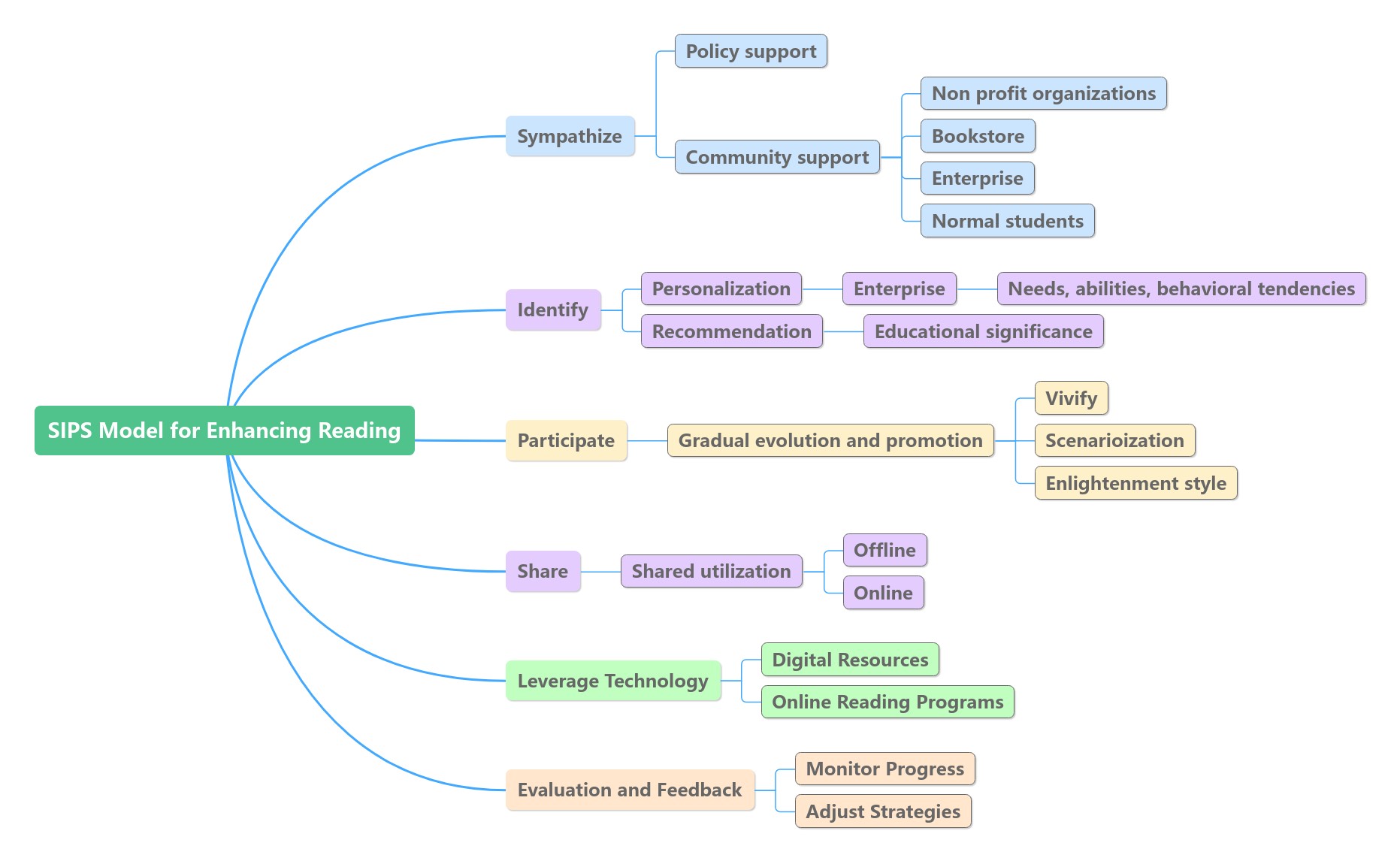
Figure 1. SIPS model for enhancing reading framework.
1.1.1 Theoretical Significance
First, expand the application field of SIPS model. SIPS models are often used for business planning or engagement processes. Its application to the practice of normal university students participating in the reading promotion of rural left-behind children can enrich the application of the model in the field of education and social participation and provide new theoretical support for the SIPS model. Second, improve the theoretical system of rural education. The empirical study on the participation of normal university students in the reading promotion of rural left-behind children can further improve the theoretical system of rural education and provide theoretical support for the reform and development of rural education.
1.1.2 Practical Significance
First, promote the all-round development of left-behind children in rural areas. Reading is one of the important ways for children’s all-round development. Through the participation of normal university students, more reading resources and opportunities can be provided for left-behind children in rural areas, thus promoting their all-round development. Second, enhance the social responsibility and practical ability of normal university students. Participating in the reading promotion practice of rural left-behind children can help normal university students better understand the society, understand the national conditions, and enhance their sense of social responsibility. At the same time, through practical activities, normal students can also improve their organization, coordination and communication skills. Third, promote rural education and social development. As future educators, the participation of normal university students can bring new vitality and ideas to rural education. Through the practice of reading promotion, we can promote the reform and development of rural education and contribute to the harmony and stability of rural society.
1.2 Purpose and Problems of this Paper
This paper aims to use the SIPS model as the theoretical framework to explore how normal university students can effectively participate in the reading promotion practice of rural left-behind children, and analyze how to inspire resonance, realize recognition, promote participation and achieve sharing in this process. To solve the current problems and challenges of reading promotion activities for rural left-behind children, such as insufficient reading resources, lack of professional reading guidance, lack of family education for left-behind children and single forms of reading promotion activities.
At the same time, through empirical research and case analysis, it aims to enhance the reading interest and reading ability of rural left-behind enhance the sense of responsibility and mission of normal university students in social practice. This study aims to provide theoretical support and practical guidance for normal university students to participate in rural education and provide scientific basis for relevant educational policy formulation and reading promotion strategies, so as to promote educational equity and social harmony.
1.3 Research Review at Home and Abroad
Developed countries have made great achievements in the promotion of reading and formed some advanced experience[3]. For example, Opening the Book’s librarian training program and the Reading Rockets program in the United States are specialized training courses for “reading promoters” who work as reading services or reading guides. Both programs in Britain and the United States provide online course resources, reflecting digital empowerment, emphasizing the coordination of social forces, cultivating reading promoters, and promoting and guiding reading for young people. The German Reading Foundation pays special attention to young people and children from disadvantaged groups and poor families, focusing on their reading and literacy levels. The promotion of reading abroad focuses on the promotion of NGOs. Domestic scholars’ research on reading for rural left-behind children focuses on the reading status of rural left-behind children, analysis of factors affecting their reading, and exploration of innovative modes and paths of reading promotion for rural left-behind children. The existing research is based on questionnaire survey and actual case analysis, and proposes corresponding measures based on the viewpoints of several scholars[4,5]. Literature shows that the reading consciousness of left-behind children in rural areas in China is weak, there is a phenomenon of contacting and browsing bad books, and the lack of correct reading guidance hinders the healthy development of children’s physical and mental health. The reading improvement strategies of rural left-behind children lack sustainability, most of them focus on improving external factors, and neglect to stimulate the endogenous motivation of rural left-behind children and generate reading consciousness[6]. In addition, some studies focus on the improvement of rural children’s reading literacy. At present, some reading promoters have entered rural areas in China, but they mainly rely on individual public welfare groups or retired teachers, and there is a lack of groups such as normal university students to carry out targeted reading promotion in the form of volunteer teaching. Providing high-quality reading resources for rural left-behind children, inspiring them to form correct reading awareness and reading habits, promoting reasonable distribution of reading resources, and building a digital reading platform are the trends of future development[7].
With the development of society and the advancement of education reform, the voluntary teaching of normal college students has received extensive attention support and and has achieved certain results and been developed in many aspects. In terms of volunteer teaching methods, Huang Juchen[8] mentioned that rural education has changed from pure teaching to diversified educational assistance activities. In terms of volunteer teaching effect, Fang Xu, Kai Wenhui[9] also mentioned that the quality and effectiveness of volunteer education for normal university students are gradually improving. Through professional training and experience accumulation, the professional level of volunteer teachers has been improved, and they are able to provide better quality education services for rural schools. In terms of volunteer teaching areas, the scope of normal university students’ volunteer teaching has gradually expanded from the initial poor mountainous areas to more rural areas, even including some urban schools. This reflects that China’s volunteer education is moving towards high-quality development. Some studies show that there is imperfection in the volunteer teaching activities in the real situation, Nie Junrong[10], Geng Yuanyuan [11] proposes that normal university students fail to make clear the intrinsic attributes and values of volunteer teaching activities, and “volunteer teaching motivation” fails to play a key role in volunteer teaching behavior. Short-term volunteer teaching is difficult to bring long-term learning effect to students. Shen Junru et al.[12] proposes to establish a “relaying” volunteer teaching model for normal college students under “Internet +”. So that normal university students can continue to carry out teaching practice for the volunteer teaching areas online and offline. Zhao Jian et al.[13] proposes that the establishment of volunteer teaching projects should be multi-dimensional and comprehensive monitoring, including target monitoring, process monitoring and effect monitoring. The object of monitoring should cover practical volunteer teaching students, rural students, rural teachers and education administrative departments at all levels. With the development of student associations, the forms and means of student volunteer activities and volunteer teaching activities are constantly updated, and some reading promotion activities about college students are constantly emerging[14] .However, in terms of exploring the path of rural reading promotion, most studies emphasize the government’s leading and the active participation of social forces, and few develop through the coordination of volunteer teaching undertakings. Normal university students have psychological knowledge, learning ability and teaching skills, among which the group is easy to produce group effect, peer effect, resonance, can provide impetus for the expansion of volunteer teaching function[15].
The SIPS model has many successful applications in other fields as well. For example, Xingwei School integrates SIPS mode in education, which usually refers to the “Student-Initiated Problem Solving” mode, emphasizing the principal position of students in the learning process and encouraging students to actively explore and solve problems, taking advantage of the advantages of online education platform. To improve teaching efficiency and student learning experience. According to the search results, in the teaching discussion activities, Xinghui School focused on how to carry out more efficient and valuable online education teaching activities based on the Internet and thought and condensed new ideas for the development of future education and future schools. In addition, the school has also participated in the Central Audio-Visual Education Museum - Intel “Intelligent Connected Education Project”, which aims to support education through new technologies such as artificial intelligence and the Internet of Things, in which the school’s research involves the overall teaching strategy of online education and has achieved remarkable results.
1.4 Methods and Materials
Literature analysis: This paper analyzes the population distribution, family structure and reading status of rural left-behind children in Meizhou, Guangdong Province, as well as the problems and challenges in the current reading promotion of rural left-behind children.
Case analysis: Through the analysis of relevant studies and successful cases on reading promotion activities at home and abroad and the enlightenment brought by successful cases under the SIPS model, the development path of reading promotion activities for rural left-behind children in Meizhou, Guangdong Province, under the SIPS model is discussed.
Data sources: Mainly from the official data released by Guangdong Meizhou Municipal government, core journal literature data, etc.
2 RESULTS
2.1 Investigation and Analysis of Reading Status of left-behind Children in Rural Areas of Meizhou, Guangdong Province
2.1.1 Basic Situation of Rural Left-behind Children in Meizhou
2.1.1.1 Reading Environment
There are some problems in the family reading environment of left-behind children in Meizhou. Due to their parents’ long-term migrant work, left-behind children have less communication with their parents, resulting in insufficient family companionship and guidance for children’s reading. The lack of family books makes it impossible to create a harmonious family reading atmosphere. In addition, the families of left-behind children are special, their parents are not around, and they do not pay enough attention to reading, and they fail to provide high-quality reading books for students in time. Rural schools generally pay more attention to the reading teaching of left-behind children, but there are still some problems. Some schools lack professional Chinese teachers, which leads to the limited level of reading teaching. The proportion of reading in the curriculum is relatively low, which is difficult to meet the needs of students for reading. The collection of books in the school library is limited, and the updating speed of the books is slow, which is not conducive to students to expand their reading. In Meizhou rural areas, there are relatively few reading places such as libraries and bookstores and left-behind children lack access to reading resources. Rural library is an important place for rural left-behind children to study and read. The construction of rural library should be strengthened to provide a good learning environment. However, there are also some problems in the service process, such as the slow updating of some books, the lack of rich collection types, and the lack of publicity and promotion, which affect the use effect of the farm library[16]. The statistics are shown in the following Table 1.
Table 1. Environment Statistics
Category |
Value |
Unit |
Home Library Access |
15 |
% |
Books at Home |
10 |
count |
Parent-Child Reading Sessions |
1 |
sessions/week |
Lack of Family Reading Guidance |
70 |
% |
Lack of Professional Chinese Teachers |
40 |
% |
Reading Curriculum Proportion |
5 |
% |
Books in School Library |
500 |
count |
Book Updates Frequency |
1 |
years |
Libraries in Rural Areas |
5 |
count |
Bookstores in Rural Areas |
2 |
count |
Library Access |
25 |
% |
Library Book Updates Frequency |
2 |
years |
Library Promotion and Publicity |
10 |
% |
According to the data, the reading ability of left-behind children is generally poor, most of them stay in the basic literacy stage, and lack the ability to understand and apply the text. In addition, the reading time of left-behind children is less, and most of them are scattered reading, and there is no sustained reading habit. 41% of the weekly reading time of left-behind children is less than 1h, 29% of left-behind children read for less than 2h, 20% of left-behind children read for less than 4h, and only 10% of left-behind children read for more than 5h. This reflects that left-behind children lack enough reading time in daily life, which may be due to the insufficient attention paid to reading by families and schools, as well as the lack of effective reading guidance and incentive mechanism. Due to the restrictions of family economic conditions and educational resources, left-behind children have relatively limited access to reading materials. Their reading materials mainly come from parents, classmates, school libraries and other channels. These materials may not be enough to meet the diversified reading needs of left-behind children, and may not be suitable for their age and reading level, which can be seen in the Table 2.
Table 2. Weekly Reading Time
Weekly Reading Time |
Percentage of Left-Behind Children |
Less than 1h |
41% |
Less than 2h |
29% |
Less than 4h |
20% |
More than 5h |
10% |
2.1.1.2 Reading Ability
The literacy of left-behind children is generally lower than that of non-left-behind children. This is mainly due to their lack of effective reading materials and guidance, resulting in slow literacy development. In addition, the lack of family reading environment is also an important factor affecting the literacy of left-behind children, and the reading comprehension ability of left-behind children is not optimistic. The survey shows that the reading ability of most left-behind children only stays at the basic literacy stage, lacking the ability to understand and apply the text. This may be due to a lack of guidance and supervision from family and school.
2.1.2 Current Situation and Needs of Left-behind Children in Reading
2.1.2.1 Reading Habits and Cultural Consumption Preferences
When investigating the reading habits of left-behind children in rural areas of Meizhou, Guangdong Province, we found that the left-behind children generally lack stable reading habits. As their parents have been working outside the home for a long time, there is a lack of reading atmosphere and role models in the family environment, resulting in insufficient interest and motivation for left-behind children to read. However, in the in-depth interview, we also found that some left-behind children have a strong interest in reading, and they obtain knowledge and information through reading books, newspapers, etc., to meet their cultural consumption needs.
These left-behind children who are interested in reading show diversity in their cultural consumption preferences. They not only like to read literary works with strong stories, but also pay attention to current events and popular science knowledge. This diversity of cultural consumption preferences reflects the diversified needs of left-behind children in the path of spiritual growth.
2.1.2.2 Access and Impact of Reading Resources
When we investigate how left-behind children obtain reading resources, we find that they mainly obtain books through school libraries, community libraries and gifts from relatives and friends. Among them, school library is the main channel for left-behind children to obtain reading resources, but due to limited book resources and slow update speed, it cannot meet the reading needs of left-behind children.
As another important way to obtain reading resources, community library has the advantage of convenient geographical location, but it also faces the problem of limited book resources. In addition, although relatives and friends can provide a certain number of books for left-behind children, this way has greater contingency and uncertainty, and cannot meet the long-term reading needs of left-behind children.
When analyzing the advantages and disadvantages of different approaches, we find that school libraries and community libraries have certain advantages in providing reading resources, but there are also some problems such as limited resources and slow updating speed. Although gifts from friends and relatives can provide certain books, they cannot meet the long-term reading needs of left-behind children.
2.1.2.3 Reading Ability Assessment and Demand Analysis
When assessing the reading ability of left-behind children, we found that their reading ability is generally weak. This is mainly due to the lack of parental companionship and guidance, as well as the insufficient emphasis on reading ability in school education. In order to have a deeper understanding of the reading needs of left-behind children, we conducted interviews. The results show that the demand of left-behind children for reading materials mainly focuses on literary works, popular science knowledge and current affairs news.
2.1.3 Reading Problems and Challenges of Left-behind Children
Lack of reading resources:
Family reading resources are limited, most left-behind children come from families with poor economic conditions, and the family collection is small and not updated in time, which is difficult to meet the reading needs of children.
The school library resources are insufficient, the construction of some rural school libraries is lagging behind, the number of books is small, the types are single, and the updating speed is slow, which cannot meet the reading needs of students.
Social reading resources are scarce. In remote areas, social reading resources such as bookstores and public libraries are scarce, making it difficult for left-behind children to access more reading materials.
Lack of reading habits and interest:
Due to the lack of family education and school education, left-behind children often lack good reading habits and reading interests. They may focus more on play and entertainment and lack interest and motivation in reading.
At the same time, due to the lack of professional reading guidance and effective incentive mechanism, it is difficult for left-behind children to obtain enough fun and a sense of achievement in the process of reading, which further weakens their interest and motivation in reading.
Poor reading environment and atmosphere:
Left-behind children often live in relatively poor and remote areas, where there is a relative lack of public facilities and few reading places such as public libraries and bookstores, making it difficult for left-behind children to obtain a good reading environment and atmosphere.
At the same time, due to the lack of family education and school education, left-behind children lack necessary guidance and support in the process of reading, and it is difficult to form a good reading atmosphere and habits.
Psychological problems and emotional deficits:
Left-behind children often have psychological problems such as loneliness and anxiety due to their long-term separation from their parents and lack of parental care and companionship. These problems may affect their interest and motivation in reading, making it more difficult for them to engage in reading.
At the same time, left-behind children also need emotional support and care, and reading is a good way of emotional sustenance. However, due to the above problems, it is often difficult for left-behind children to obtain sufficient emotional support and satisfaction through reading.
2.2 SIPS Model and Its Application in the Reading Promotion of Rural left-behind Children
2.2.1 Overview of the SIPS Model
2.2.1.1 Schema Definition
SIPS model is a social media consumer behavior analysis tool proposed by Dentsu, which summarizes the four stages of users’ consumption behavior on social media:
Sympathize:
In this stage, content needs to evoke emotional resonance or interest from users. For reading, this means that the content should touch readers’ emotions, satisfy their curiosity, or connect with their personal experiences and values, thereby attracting users’ further attention.
Identify:
At this stage, users confirm that their emotions, perceptions, or values align with or are related to the content. During the reading process, readers will evaluate whether the content meets their expectations, satisfies their information needs or emotional demands, and subsequently decide whether to continue reading deeply or engage in discussions.
Participate:
Users interact directly with the content through likes, comments, shares, and other interactive methods. In the context of reading, this can manifest as readers sharing their reading insights on social media, leaving comments in book reviews, participating in online book clubs, and other activities to express their understanding and opinions about the content.
Share & Spread:
Finally, users share the content with others to expand its reach. In the realm of reading, this typically means that readers recommend valuable books, articles, or viewpoints to friends, family, or their followers on social media, thereby helping the content gain broader recognition and influence.
These four stages form the core of the SIPS model, helping to understand and analyze consumer behavior on social media platforms.
2.2.1.2 Mode Features and Advantages
The SIPS model is mainly applied in the commercial field. For example, the exploration of short video platform brings the SIPS model into the transmission process of short video, and the factors promoting the secondary transmission of short video are obtained. Attention is paid to the resonance and participation part of the SIPS model, as well as the inherent law, two-way communication and timely response of interest and resonance in the transmission process[17]. In recent years, the direction of library science has gradually involved, mainly focusing on public library reading promotion[18].The introduction of the SIPS model is also conducive to the library’s scientific understanding of the communication laws and user behaviors of social media, and the planning of communication strategies based on key behavioral decision points of users in the communication process with scientific ideas, so that the library can continuously improve the all-factor efficiency covering user resonance, communication and interaction, participation and sharing, and thus get rid of the current dilemma of library short video reading promotion. Stimulate readers’ interest in reading, and greatly improve the communication effect of reading promotion.
2.2.2 Applicability Analysis of SIPS Model Combined with Normal University Students in Reading Promotion
2.2.2.1 Discussion on the Value of Normal College Students’ Participation in the Reading Promotion of Rural Left-behind Children from the Perspective of SIPS
Social value: Promoting educational equity and rural revitalization.
The social significance of the participation of normal university students in the reading promotion of left-behind children in rural areas, especially the role of the gap between urban and rural education, the promotion of education equity and the construction and development of rural human resources. Explore the value of education and feeding in the reading cause of the whole people.
Cultural value: To promote the comprehensive literacy of normal college students and the cultural identity of rural children.
Reading promotion is a skill accomplishment. Explore the value of normal university students’ comprehensive literacy improvement in the reading promotion, including the consideration of language ability, emotional output, knowledge reserve and other dimensions[19]. To explore the mechanism of establishing and strengthening the local feelings and learning motivation of left-behind children in rural areas through the volunteer teaching activities of normal university students.
Economic value: optimize resource allocation and improve education efficiency.
This paper analyzes the economic value of normal college students participating in the reading promotion of rural left-behind children. With the support of government funds and policies, how to allocate educational resources and improve educational efficiency in rural reading promotion is discussed. For example, the construction of “rural library” and other initiatives.
2.2.2.2 Logical Framework for Normal University Students to Participate in the Reading Promotion Practice of Rural Left-behind Children from the Perspective of SIPS
Sympathize: subject diversity support.
(1) Seek support from local government related policies. (2) Gather the strength of non-profit reading promotion organizations. Normal university students can closely contact public welfare foundations, reading promotion industry associations, and non-governmental reading organizations to help create means or resources such as farm libraries and reading marathons. (3) Support for the coordinated development of national cultural undertakings and cultural enterprises.
Identify: Content customization.
(1) With the help and support of various subjects, normal university students build farm libraries, etc., and use artificial intelligence services to promote the reading promotion practice of rural left-behind children. (2) Realize personalized content recommendation according to user needs, accurately grasp the reading demand preference, reading ability, behavioral tendency, age characteristics, gender and cultural differences of rural left-behind children in combination with actual research, and collect key information to recommend personalized reading content for users. (3) Carry out embedded services and infiltrate personalized reading recommendations with educational significance.
Participate: Read progressive promotion.
The reading promotion of rural left-behind children promoted by normal university students mainly focuses on the young left-behind children, and the reading consciousness is not strong, which needs to be gradual. (1) Focus on vivid reading. Public libraries and reading houses can use picture book co-reading, group reading, dialogue reading and other methods to visualize the reading content[20]. (2) Strengthen situational reading. Connect with the rural background, carry out knowledge transmission with local feelings, make reading warmer. (3) Deep enlightening reading. Connecting reading, technology, and life makes the esoteric knowledge easy to understand.
Share & Spread: Resource sharing and utilization.
(1) Offline reading, sharing and interaction. Public libraries, farm libraries, campus reading corners, etc., can rely on internal and external physical Spaces to create offline interaction fields, and guide users to carry out in-depth inter-generational exchanges through reading interaction channels such as real person reading and in-depth reading. (2) Online reading, sharing and interaction. Construct a virtual reading interactive space of digital reading platform and we-media platform, assist the subject and object of intergenerational reading promotion to learn and share online knowledge, and strengthen the sustainability of education.
SMART Mechanism for Normal College Students to Participate in the Reading Promotion Practice of Rural Left-behind Children from the Perspective of SIPS (As Shown in Figure 2)
|

Figure 2. SMART mechanism legend.
Specific: Establish the early basis of reading promotion practice for rural left-behind children
To carry out sufficient background research is the condition to carry out practical activities.
(1) Clarify the research background and purpose. To gain an in-depth understanding of the reading status of rural left-behind children, understand the collection of books, library environment, reading habits and reading atmosphere of left-behind children’s families, and evaluate the realization of reading promotion goals, this study takes the school for left-behind children in Meizhou, Guangdong Province as an example, and discusses the difficulties and breakthrough points of reading promotion for rural left-behind children through collection and analysis of relevant data.
(2) Make clear the purpose and work index requirements of reading promotion. Establish targeted reading promotion methods and objectives and form systematic teaching links.
(3) Volunteer teaching students in normal universities who clearly identify whether the goal is to spread reading promotion. The interview was conducted to obtain the cognitive degree and sense of responsibility of the volunteer-teaching normal university students for the work of reading promoters.
Measurable: Make sure the effect of reading promotion for left-behind children in rural areas is measurable.
Obtain clear data or information and use it to measure whether the goal of reading promotion is achieved. Indicators to measure the effectiveness of the campaign include:
(1) Reading participation rate: Measures the proportion of left-behind children participating in reading activities. (2) Reading frequency: Measure the number of weekly or monthly reading activities of left-behind children. The frequency of each left-behind child participating in reading activities can be recorded, and the average or frequency distribution can be counted. (3) Reading time: Measure the length of time for each reading activity of left-behind children. (4) Reading achievement: To measure the effect and achievement of reading promotion for left-behind children. (5) Feedback and evaluation: Collect their feedback and evaluation on the reading promotion activities, the recognition degree of the activities, satisfaction and improvement suggestions.
Achievable: Make clear the achievability of reading promotion practice for rural left-behind children.
The setting of goals should refer to realistic conditions and strive for the goal of “jumping up to pick peaches” rather than the goal of “jumping up to reach for the stars”.
(1) Understand the professional structure, knowledge level, teaching method and reading promotion literacy of the volunteer teaching group of normal university students.
(2) Master the objective conditions required for the promotion of rural reading, including electronic equipment, curriculum arrangements, library space, etc.
(3) To explore the extent of support for reading promotion of left-behind children from various parties, including the government, communities, voluntary agencies, and families.
Relevant: To explore the positive correlation between reading promotion and volunteer teaching of normal university students.
(1) Explore the positive correlation between reading promotion and volunteer education and form the evolution of reading promotion for left-behind children to quality education.
(2) To analyze the positive correlation of reading promotion on the growth of normal university students, especially the impact on professional quality and teaching skills.
Time-bound: The formation of a periodic evaluation and monitoring and long-term implementation mechanism.
(1) Timely monitoring of reading promotion practice activities. Establish a periodic evaluation system to collect rural children’s reading participation rate, reading frequency, reading duration, reading results, and activity evaluation and feedback to improve all aspects of the project.
(2) To form sustainable practical activities and explore the continuous plan of reading promotion in volunteer education, including the consideration of policy, manpower, technology and other factors.
2.3 Practical Paths for Normal College Students to Participate in the Reading Promotion of Rural left-behind Children from the Perspective of SIPS
2.3.1 Improving the Voluntary Teaching Service and Reading Promotion System
2.3.1.1 Building a Bridge between Universities and Rural Voluntary Teaching and Reading Promotion
Both of which need to be carried out with the help of university resources. How to build a solid bridge between the two is related to the realization and sustainability of the volunteer teaching service and reading promotion program. Therefore, improving the service system of combining colleges and villages is an important part of improving the system of volunteer teaching service and reading promotion. In order to build a stable bridge, it is necessary to consider whether the demand of local villages and the supply of college resources match, and it is necessary to consider many factors such as the long-term supply of college resources.
2.3.1.2 Improving the Training System for Volunteer Teachers
It is very important to improve the training system for volunteer teachers, because it can improve the quality and ability of volunteer teachers, so that they can better adapt to the volunteer teaching environment and better provide high-quality education for local students. Volunteer teachers should receive professional training in educational theories, teaching methods, educational psychology, etc.,so that they can better understand the needs of local students and be able to provide better educational services.
2.3.2 Cultivate Normal University Students to Act as Reading Promoters
2.3.2.1 Cultivate Normal University Student Promoters Who Can Empathize with Rural Left-behind Children
The reading promoters of normal university students play a leading role in the reading promotion system and are the spokespersons of the reading promotion plan for rural left-behind children. In order to expand the influence of the reading promotion program, the promoters of normal university students should be able to empathize with and resonate with rural left-behind children. Reading promoters should personally understand the needs and desires of rural left-behind children and use the SIPS model to stimulate the emotional resonance between left-behind children and reading promoters. Emotional resonance can build a relationship of trust, so that reading promoters of normal university students can better communicate with rural children, listen to their ideas and feelings, and provide them with more personalized reading guidance and support.
So how to cultivate normal university student promoters who can achieve emotional resonance with left-behind children? There are mainly the following points:
(1) Reading promoters of normal university students should have a strong sense of responsibility and identity for the promotion plan, deeply understand and experience the significance of the implementation of the project, and deeply feel the urgency of the implementation of the project. Therefore, the promoters of normal university students should deeply understand the living environment and psychological state of left-behind children through field visits, communication with left-behind children, reading relevant literature and other ways. This will help them better understand the plight of left-behind children and find ways to build emotional resonance with them.
(2) Normal university student promoters should cultivate their empathy. Empathy is the ability to feel the emotions and experiences of others. Reading promoters learn to think from the perspective of left-behind children and understand their feelings and needs. This will help them better establish emotional resonance with left-behind children. Therefore, when choosing reading promoters for normal college students, they can choose normal college students with similar experiences to serve as promoters. They can better understand the significance of the implementation of this project plan by combining their own experiences and use their own experiences to impress left-behind children and achieve empathy from the perspective of left-behind children.
2.3.2.2 Cultivate Normal University Student Promoters with Excellent Expression Skills and Good Listening Skills
Reading promoters need effective communication skills when promoting reading programs, including the ability to listen, express, and understand the emotions of others. We should be able to listen to the inner voice of left-behind children. Most of the left-behind children in rural areas are not good at speaking due to the lack of parental companionship, so the promoters should have enough patience to listen and use excellent expression skills to explain. Promoters should also have good psychological quality and moral literacy and learn to communicate with left-behind children in a sincere, caring and understanding attitude.
Develop Online and Offline Dual-track AI Reading Promotion (As Shown in Figure 3)
|
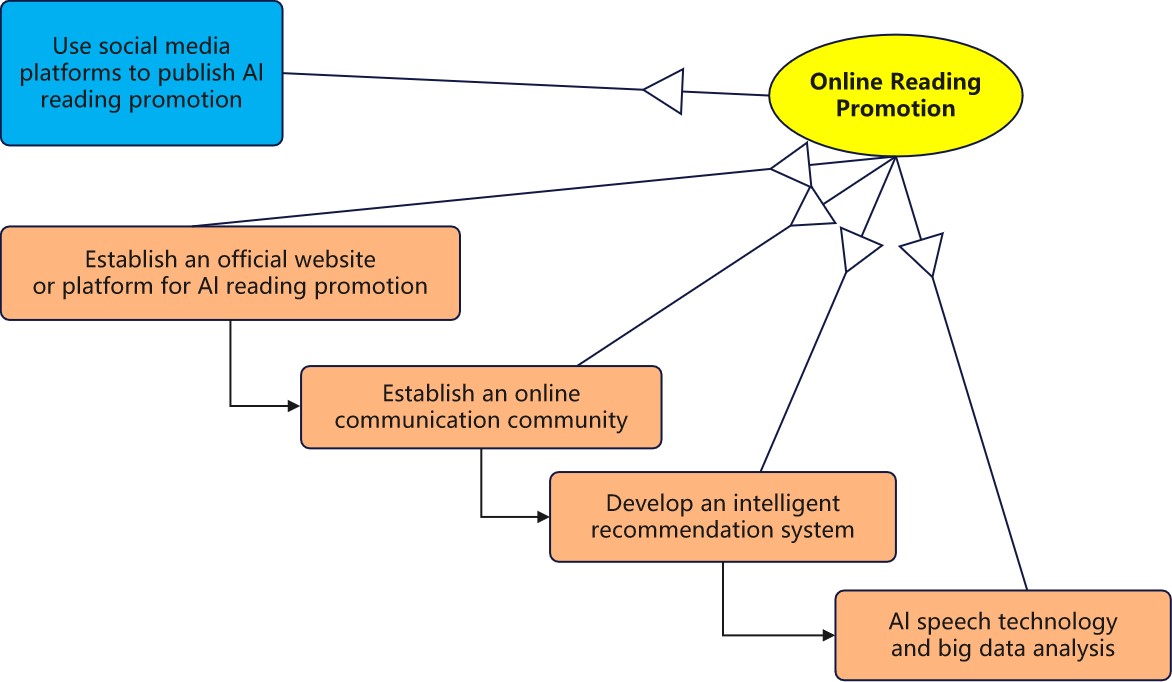
Figure 3. Online reading promotion.
Online reading promotion:
(1) Make use of social media platforms, such as Weibo, WeChat public account, Douyin, etc., to regularly publish relevant information about AI reading promotion to attract more attention and participation.
(2) Establish an official website or platform for AI reading promotion, and provide rich reading resources, such as e-books, audio books, video tutorials, etc., to facilitate readers to read online and learn independently.
(3) Establish an online communication community to share reading experience, discuss book topics, and enhance interaction and communication among readers.
(4) Develop an intelligent recommendation system using AI technology to recommend suitable reading resources according to readers’ reading history and interests.
(5) Combined with AI speech technology, to achieve voice reading of reading content, to provide convenience for children with poor vision or reading difficulties. In addition, big data analysis technology can deeply study the reading behaviors and interests of left-behind children and provide scientific and targeted guidance for reading promotion. Tools such as OPENAI can help produce reading promotion videos, achieve AI guidance, and further promote the popularization of reading.
This flowchart demonstrates a comprehensive strategy for promoting online reading, encompassing the utilization of social media platforms (such as Weibo, WeChat official accounts, etc.) for promotional outreach, the establishment of official websites or AI-powered reading promotion platforms to disseminate diverse reading resources, and the construction of online communities to facilitate interactions among readers. Furthermore, by developing intelligent recommendation systems that integrate AI voice technology and big data analysis, it achieves personalized recommendations for reading resources and conducts in-depth analysis of reading behaviors, thereby optimizing the reading experience and fostering the popularization of reading.
Offline reading promotion: (As shown in Figure 4.)
|
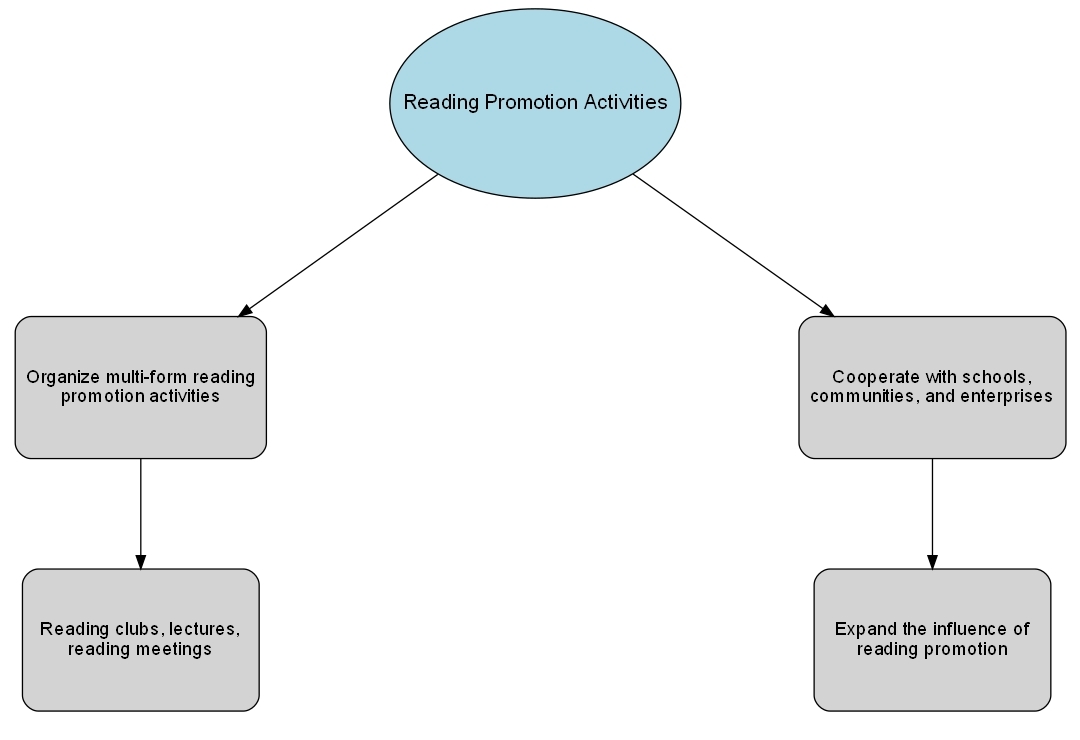
Figure 4. Offline reading promotion.
(1) Organize multi-form reading promotion activities. Such as reading clubs, lectures, reading meetings, etc., to attract readers to participate in, enhance the enthusiasm and interest of rural left-behind children in reading.
(2) Cooperate with schools, communities and enterprises to carry out various forms of reading promotion activities to expand the influence of Offline reading promotion.
2.3.3 Establish Reading Tribes for Left-behind Children in Rural Areas
The establishment of reading tribes for rural left-behind children can mobilize the sense of participation of rural left-behind children in the reading promotion plan, create a strong reading atmosphere, and mobilize the interest of rural children in reading.
The implementation strategy of building reading tribes for left-behind children mainly includes the following points:(As shown in Figures 5 and 6.)
|
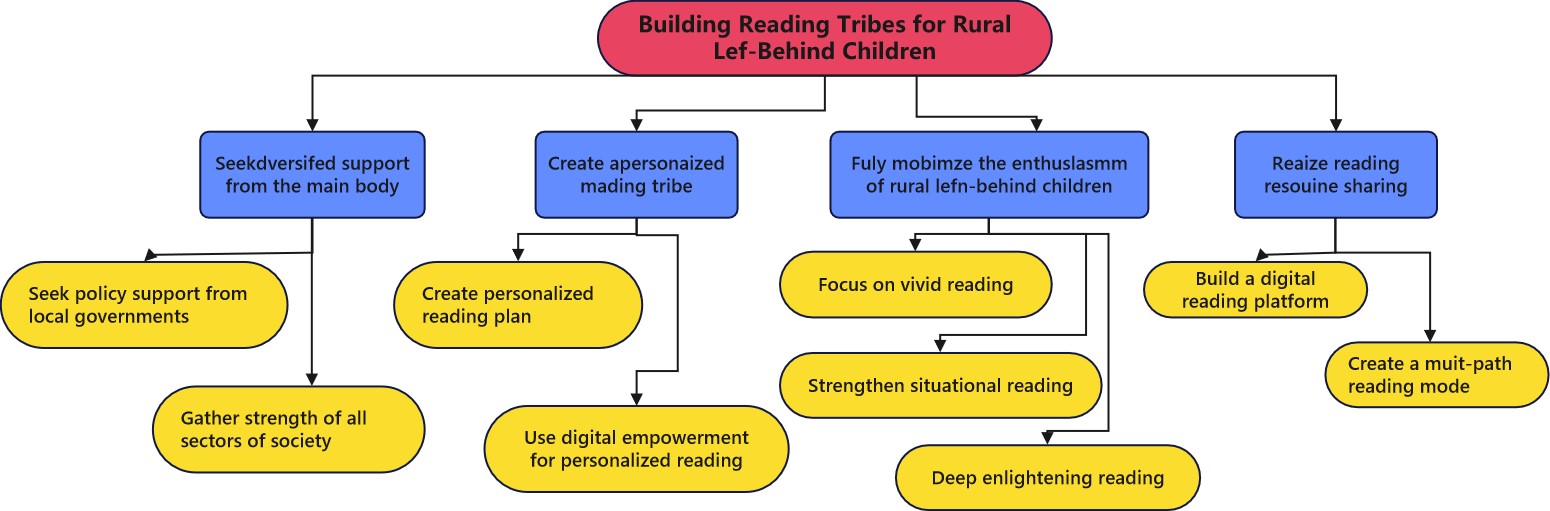
Figure 5. Reading tribes.
|
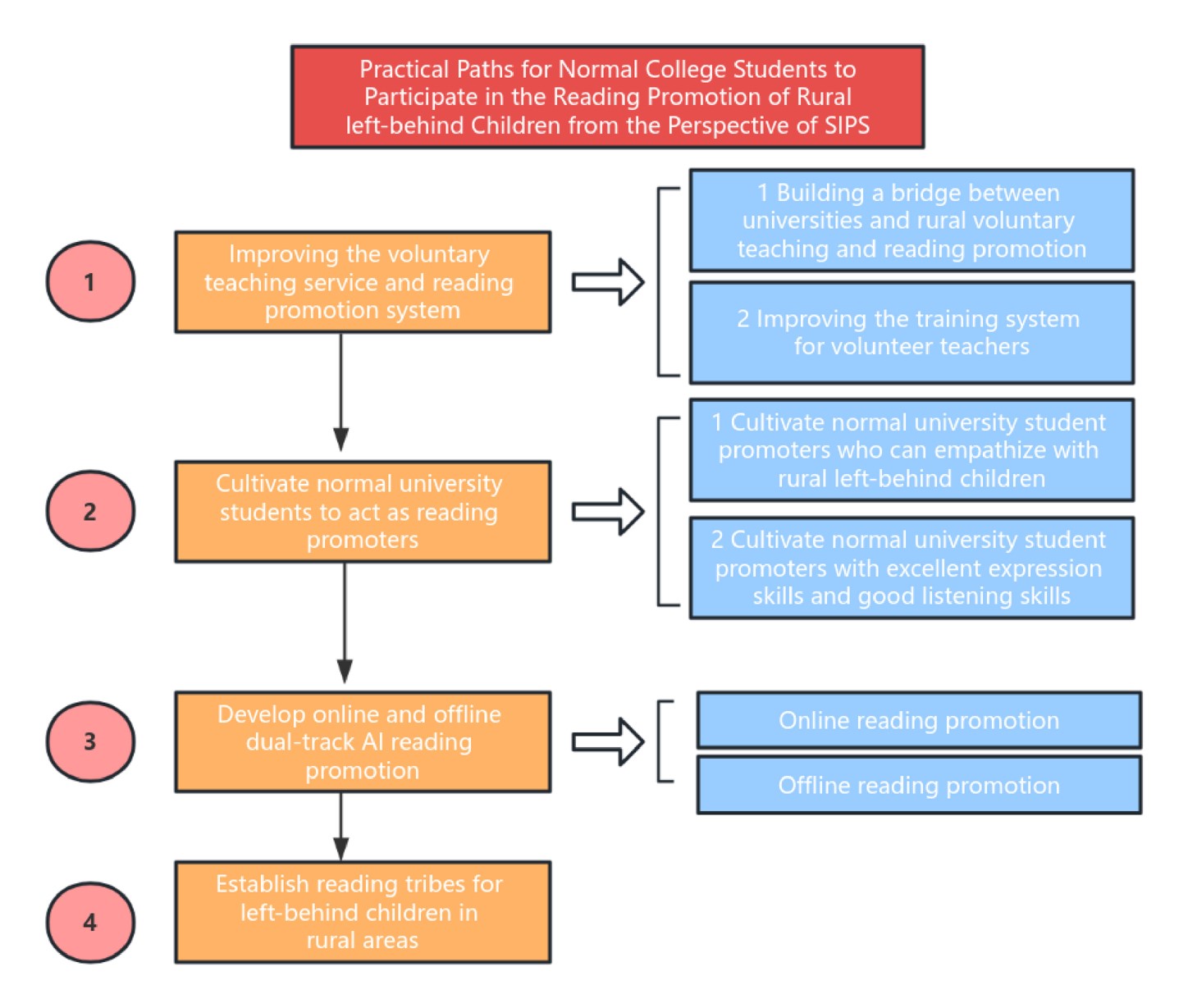
Figure 6. Practical paths of SIPS.
(1) Seek diversified support from the main body. Through the dissemination of the core values of the reading promotion program for rural left-behind children, we seek policy support from local governments, gather the strength of all sectors of society, and further improve the feasibility of building reading tribes.
(2) Create a personalized reading tribe. Combine the advantages and characteristics of normal university students to create a personalized reading plan. According to the needs of rural children to build a diversified reading tribe, according to the needs of participants, reading ability, behavioral tendencies, age characteristics and other personalized reading, to provide advanced, scientific and effective extracurricular reading guidance for rural left-behind children. Make use of digital empowerment to create a deep personalized reading tribe. In the development of reading tribe activities, we can rely on digital empowerment technology to seek corresponding guidance in the construction of reading scenarios, the construction of reading resources, and the customization of reading plans.
(3) Fully mobilize the enthusiasm of rural left-behind children. Reading tribes are mainly targeted at young left-behind children, who lack a strong sense of reading and interest in reading, and need to rely on reading tribes as a carrier to gradually let left-behind children participate in it. Therefore, in order to enhance the participation enthusiasm of rural left-behind children, tribal reading activities can be carried out from the following three aspects:
Focus on vivid reading, public libraries and reading houses can use picture book co-reading, group reading, dialogue reading and other methods to vividly visualize reading content; Strengthen situational reading. Connect with the rural background, carry out the knowledge transmission with local feelings, make reading more warm; Deep enlightening reading connects reading, technology, and life, making profound knowledge easy to understand.
(4) Realize reading resource sharing. Public libraries, farm libraries and other physical Spaces can be relied on to build reading tribes, create a multi-path reading mode, and enrich reading resources. With the help of digital empowerment, build a digital reading platform, strengthen the sustainability of reading tribes, and achieve efficient use of resources.
3 DISCUSSION
3.1 Case Analysis
3.1.1 Select Typical Cases of Reading Promotion Activities in Meizhou
In order to further care for left-behind children, enrich the holiday life of left-behind children in Meixian District, promote their healthy growth, cultivate their interest in reading, encourage them to read more books and good books, and further implement the “Recommendations of The State Council on Strengthening the Care and Protection of Rural left-behind Children”, so as to provide a platform for left-behind children to learn happily and improve their knowledge. On March 12, 2022, Meixian District Civil Affairs and Human Resources and Social Security Bureau, Longwen Town Government, Meizhou Chuxin Social Organization Service Center and other organizers jointly launched the “Joy Reading” reading sharing meeting for 6-12 years old left-behind children. The content of the "Joy Reading" reading sharing meeting for left-behind children in difficult situations is divided into three main sections: organizing left-behind children to participate in the "Joy reading" activity, providing books for children to read, left-behind children to share good books together, read good books together, share their feelings together, and enhance the communication and interaction of children through reading sharing meetings. The “Joy Reading” reading sharing meeting for left-behind difficult children not only enriches the children’s after-school life, but also enhances the children’s interest in reading after class, at the same time, through sharing and communication, promotes the friendship between left-behind children and enhances the social communication ability of left-behind children.
3.1.2 In-depth Analysis of Successful Experience and Existing Problems in the Case
3.1.2.1 “Reading with Joy” Book Sharing Session for Left-behind Children in Predicament
(1) Clear target group positioning
“Joy Reading” Reading sharing activities for left-behind children in distress are clearly targeted at 6-12 years old left-behind children in distress, and this precise positioning ensures the pertinency and effectiveness of the activities, so that resources can be more concentrated to serve the target group.
(2) Multi-party cooperation
Meixian District Civil Affairs and Human Resources and Social Security Bureau, Longwen Town government, Meizhou Chuxin Social Organization Service Center and other institutions jointly participated to ensure sufficient resources and smooth progress of the activity.
(3) The activities are rich in content
In addition to providing books for children to read, they also organized the sharing of good books, reading good books and sharing of reading feelings and other activities, which not only enriched the children’s after-school life, but also enhanced their interest in extracurricular reading.
(4) Strong interaction
Through sharing and interaction, children are able to participate more deeply in the activities, enhancing the appeal and impact of the activities.
(5) Increasing public concern
Through such activities, the society has enhanced its concern and care for left-behind children and helped promote the society’s attention to and solution of the problem of left-behind children.
5.2.2 Problems existing in the “Reading with Joy” Book Sharing Session for Left-behind Children in Predicament
(1) Uncertainty of reading place
Left-behind children mostly live in remote areas, their choice of reading places is limited to a certain extent, lack of fixed reading places and comfortable reading environment.
(2) Limited reading resources
The “Joy Reading” Reading Sharing meeting for left-behind children in difficult situations provides books for children to read, but because the areas where left-behind children live may lack enough reading resources, the reading choices of left-behind children are limited.
(3) Lack of professional guidance
Reading sharing for children with left-behind difficulties will promote the communication and sharing of children, but there is a lack of professional reading guidance, which may have certain limitations on the cultivation of children’s reading habits and the improvement of reading ability.
(4) Low participation of left-behind children
Compared with other children, left-behind children face more serious problems such as family pressure and study pressure, which will lead to low participation of left-behind children in reading sharing meetings.
(5) Insufficient family supervision and counseling
Parents of left-behind children generally go out for work and left-behind children generally lack effective supervision and study guidance from their families, which may have a certain negative impact on their learning quality and learning enthusiasm.
(6) Lack of long-term sustained support
The “Joy Reading” reading sharing meeting for left-behind difficult children has achieved success, but how to ensure long-term care and support for left-behind children is still a problem that needs to be thought about and solved.
3.1.3 Implications of the Case for the Development Path of Reading Promotion Activities Under the SIPS Model
3.1.3.1 Define Target Groups and Accurately Position Brands
Longwen Town’s “Joy Reading” reading sharing activities for left-behind children in distress are clearly targeted at 6-12 years old left-behind children in distress, and this accurate target group positioning is emphasized by the SIPS model. By identifying the target group, campaigns can be designed more specifically in terms of content and format to meet the needs of specific groups. Through the attractive brand name of “Yue Read”, the "Yue Read" Reading sharing activities for children left behind by “Yue Read” has successfully attracted the attention of the target group and improved the visibility and participation of the activities. The SIPS model also emphasizes the use of precise brand positioning to inspire resonance among target groups.
3.1.3.2 Precise Planning and Promotion Content
“Joy Reading” Reading sharing activities for children left behind in difficult situations not only provide books for children to read, but also organize the sharing of good books, reading good books and sharing of feelings after reading, this diversified form of content increases the attraction and interest of the activity. The SIPS model also advocates the precise planning of promotional content based on user profiles. Through the form of sharing and interaction, the reading sharing activities of "Joy Reading" for left-behind children in difficult situations enhance the communication and interaction between children and improve the participation and influence of the activities. This kind of interactivity is the importance of SIPS model, which enhances the communication effect of activities by enhancing the interaction between users.
3.1.3.3 Add User Feedback Channels to Cultivate and Improve the Quality of Activities
Through the holding of the “Joy Reading” book sharing meeting for children left behind in difficult situations and the participation of children, Meixian District Civil Affairs and Human Resources and Social Security Bureau, Longwen Town Government, Meizhou Chuxin Social Organization Service Center and other institutions were able to collect certain feedback, and then improve and optimize the activity. Under the SIPS model, the addition of user feedback channels can collect user opinions in time and provide a basis for continuous optimization of activities. Based on the feedback, Meixian District Civil Affairs and Human Resources and Social Security Bureau, Longwen Town government, Meizhou Chuxin Social Organization Service Center and other multi-party institutions can continuously improve the content of the activity, optimize the form of the activity, and improve the quality and effect of the activity. This attitude of continuous improvement is advocated by the SIPS model, through continuous improvement of the quality of activities, enhance user stickiness, and expand the influence of activities.
3.1.3.4 Establish a User Incentive Mechanism to Encourage Users to Consciously Spread and Share with Good Reputation
The children actively participated in and shared the reading sharing meeting of “Joy Reading” for children left behind in difficult situations, indicating that the activity itself is an incentive for the children. Under the SIPS model, the establishment of user incentive mechanism can further stimulate the enthusiasm of users to participate and promote the dissemination and sharing of activities.
By participating in the activities, the children not only gained knowledge and fun, but also were able to share their experiences and feelings among friends and family, forming word of mouth. This kind of communication based on user spontaneous sharing has higher credibility and influence, which is the promotion effect expected by SIPS model.
The Reading sharing meeting of “Yue Read” in Longwen Town provides useful inspiration and reference for the development path of reading promotion activities under the SIPS model. The quality and effect of reading promotion activities can be further improved, and the popularity and development of digital reading can be promoted by clarifying target groups, accurately planning promotion content, adding user feedback channels and establishing user incentive mechanisms.
4 COUNTERMEASURES AND SUGGESTIONS
4.1 Put Forward Specific Countermeasures and Suggestions for Existing Problems and Challenges
(1) Scientific establishment of fixed reading places, such as “reading house”, “reading tribe”
Through field visits to the living places of left-behind children, the site selection of “reading house” and “reading tribe” is set in the concentrated area of left-behind children and the convenient location. According to the size of the village and the number of left-behind children, the area and facilities should be rationally and scientifically planned.
(2) Expand reading resources
The local government can encourage book donation activities, attract all walks of life to donate books suitable for left-behind children, and jointly introduce children’s picture books, science popularization knowledge and other book resources suitable for left-behind children with the library.
(3) Encourage normal university students to go to the countryside to provide professional guidance for left-behind children
The employment direction of normal university students is for the students who need to be taught at all stages. Their teaching and teaching abilities are professional to a certain extent, and they can provide professional guidance for left-behind children, consciously cultivate their reading habits and improve their reading ability.
(4) Reduce the family pressure of left-behind children, and enhance the attractiveness of various reading sharing activities
The parents of left-behind children generally go out to work, and the housework of the family basically falls on the left-behind children. Faced with the attraction of reading and sharing meetings, they cannot participate in the activities due to family pressure. Another reason for the low probability of left-behind children participating in reading sharing meetings is the lack of attraction of reading sharing meetings. During the reading sharing meeting, activities such as role play, and situational drama performance will be designed to let left-behind children feel the fun of reading. At the same time, a reward mechanism will be set up to reward and commend left-behind children who actively participate in the activities, so as to improve their participation enthusiasm.
(5) Strengthen family supervision and counseling
By means of home visits, providing parent-child reading guidance, and establishing an exchange platform for supervisors, the importance of reading sharing meetings is communicated to supervisors, and supervisors are encouraged to participate in reading sharing meetings with left-behind children to strengthen supervision and guidance for children.
(6) Establish a long-term effective mechanism
Reading sharing will be incorporated into regular local activities to ensure the continuity and stability of reading promotion. At the same time, regularly evaluate the effect of activities, and constantly adjust and optimize the content and methods of reading promotion according to the feedback effect.
Basic assumptions
(1) Village population and number of left-behind children:
The population of a village is 1,000 people, among which 10% are left-behind children, that is, 100 people.
(2) Coverage of “Reading Houses” and “Reading Tribes”:
Each “Reading House” and “Reading Tribe” can cover 30 left-behind children, and three such facilities can cover the entire village.
(3) Expansion of reading resources:
The number of book resources increased through donations and library introductions is 500 books annually.
(4) Guidance from normal university students:
Each semester, 10 normal university students participate, with each student guiding 10 left-behind children.
(5) Reduction of family pressure and activity attraction:
50% of left-behind children participate in each activity. By incorporating role-playing, scenario dramas, and other engaging activities, the participation rate increases by 20% for each event.
(6) Family supervision and guidance:
Through home visits and parent-child reading guidance, it is expected that the number of left-behind children participating in reading activities will increase by 30%.
(7) Establishment of a long-term mechanism:
Annual evaluations and optimizations of activity content and methods are conducted, with an anticipated 10% improvement in activity effectiveness each year.
Simulation Data Model
As shown in the Figure 7. Simulation Chart
|
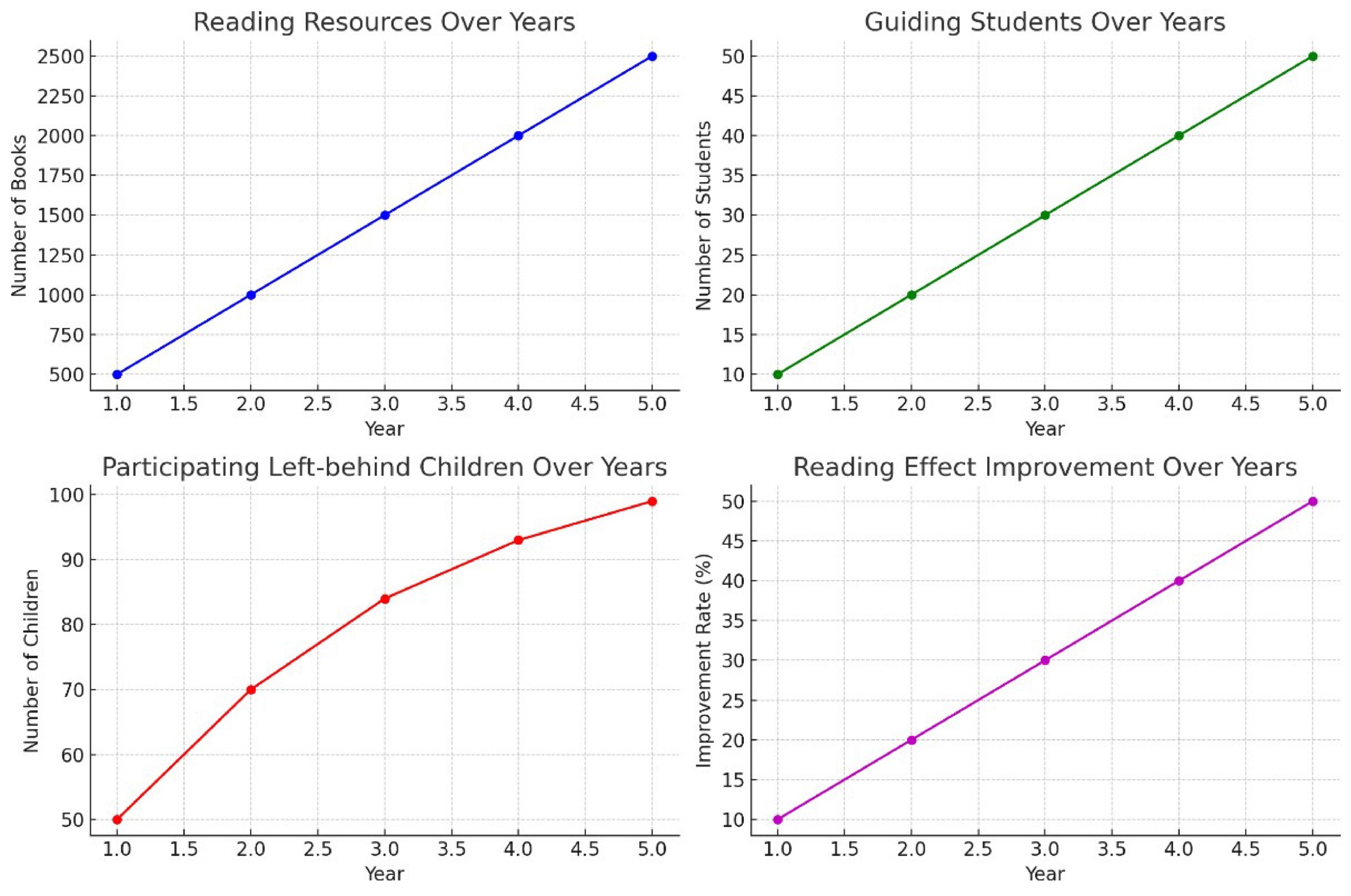
Figure 7. Simulation chart.
Detailed Description
(1) Increase in Reading Resources:
From Year 1 to Year 5, the number of books increases by 500 each year, with the total amount rising from 500 books to 2,500 books.
(2) Guidance from Normal University Students:
The number of normal university students involved increases from 10 in Year 1 to 50 in Year 5, with each student guiding 10 left-behind children. This expansion enhances the coverage and professionalism of reading guidance.
(3) Participation in Reading Activities:
Through the enhancement of activity attractiveness and strengthened family supervision, 50% of left-behind children participate in activities in Year 1, with the participation rate gradually increasing year by year, reaching 99% by Year 5.
(4) Reading Effectiveness:
The annual reading effectiveness gradually improves with the increase in activities and resources, rising from 10% in Year 1 to 50% in Year 5.
Simulation Conclusion
Through the above measures and the simulation data model, it can be observed that the gradual increase in reading resources, professional guidance from normal university students, family involvement, and the establishment of a long-term mechanism have significantly improved the reading participation and reading effectiveness of left-behind children. This simulation model provides valuable references and expected outcomes for actual implementation.
4.2 Put forward feasible development strategies based on case analysis
(1) Establish a long-term and stable reading promotion mechanism.
Regularly update and rotate book resources to ensure that left-behind children have access to diverse reading materials. At the same time, left-behind children are encouraged to participate in the sharing of idle books at home to achieve resource sharing. Provide training to volunteers or managers participating in the promotion activities to enhance their library management skills and ensure the integrity and security of books.
(2) Enrich the content and form of reading promotion.
Set a reading theme every month or quarter, guide left-behind children to choose books to read around the theme and communicate and discuss around the theme in the sharing meeting. In addition to traditional reading sharing, diversified forms of activities such as role playing, situational dramas, and recitation competitions can also be introduced to stimulate the participation interest and creativity of left-behind children. Set up interactive links such as questions and answers, quick answer, and lucky draw to enhance the fun and interaction of the sharing meeting, so that left-behind children can share the reading results in a relaxed and happy atmosphere.
(3) Expand multi-institutional cooperation channels and publicity methods.
Strengthen cooperation with schools, communities and other institutions, jointly plan and organize reading promotion activities for left-behind children, and expand the influence and coverage of the activities. Social media platforms such as WeChat and Weibo are used to regularly publish activity information, reading recommendations and reading achievements of left-behind children to attract more people’s attention and participation. Recruit a team of commonweal-loving and professional normal university students to provide reading guidance and help for left-behind children, and assist in organizing and carrying out related activities.
(4) Pay attention to the reading needs and mental health of left-behind children.
To investigate the reading needs of left-behind children regularly, to understand their reading preferences and interest points, and to provide a basis for the selection and update of book resources. Pay attention to the mental health status of left-behind children and provide them with necessary psychological support and counseling. At the same time, mental health education content is integrated into reading promotion activities to help left-behind children establish a positive and healthy mentality.
(5) Establish incentive mechanism and feedback mechanism.
A reward system should be set up for left-behind children who actively read books, such as reading points, honorary certificates, book prizes, etc., to stimulate their interest and motivation in reading. At the same time, feedback from left-behind children, parents and normal university students should be collected regularly to understand the implementation effect and existing problems of reading promotion and provide a basis for future improvement.
Here is an explanation of the simulation data and corresponding Figure 8.
|
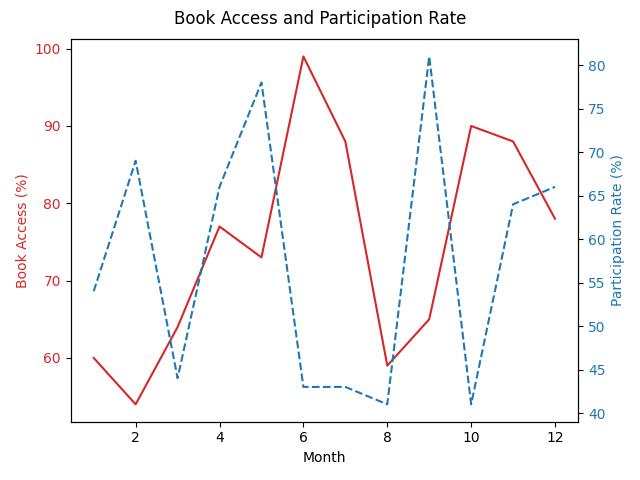
Figure 8. Simulated data and corresponding of book access and participation rate.
Book Access Rate and Participation Rate: The first graph displays the percentage of book access rate and participation rate in reading activities over a period of 12 months. The data indicates that both the access rate of books and the participation rate of left-behind children in reading activities are high.
Mental Health Scores and Feedback Scores: The second graph presents mental health scores and feedback scores during the same period. The consistently high scores suggest that the reading promotion activities have positive effects on the mental health and satisfaction levels of left-behind children. (As shown in Figure 9.)
|
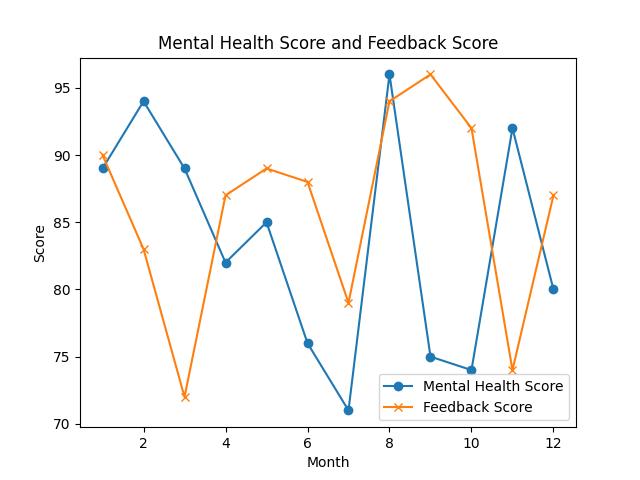
Figure 9. Simulated data and corresponding of mental health score and feedback score.
These visualization results demonstrate that the proposed reading promotion strategies are effective in enhancing book access, increasing participation rates, improving mental health, and overall satisfaction.
4.3 Emphasis Should Be Placed on the Synergies of Policies, Institutions, Resources, Activity Design and Other Aspects
(1) Coordination of government policies and institutions (As shown in Figure 10.)
Meizhou Municipal government should introduce policies specifically for reading promotion for rural left-behind children, clarify the goals, tasks and implementation paths of reading promotion, and provide financial support, tax incentives and other incentives to encourage all sectors of society to participate in reading promotion activities for rural left-behind children. Set up a special reading promotion agency or committee, responsible for the organization, coordination and supervision of reading promotion. Establish a scientific evaluation index and system to regularly evaluate the effect of reading promotion activities to ensure the quality and efficiency of reading promotion activities.
|
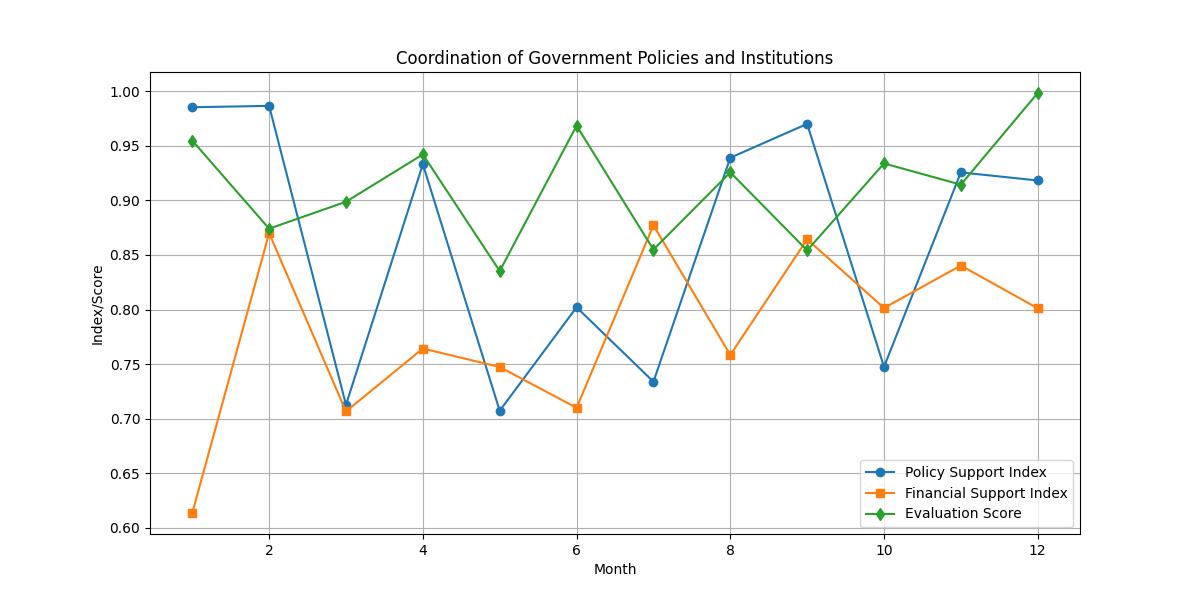
Figure 10. Policy and institutional coordination.
(2) Coordination of resources and activities (As shown in Figure 11.)
Make full use of public libraries, school libraries, books donated by all sectors of society and other resources to provide rich reading choices for rural left-behind children, and support reading promotion activities for rural left-behind children. According to the reading needs and interest points of rural left-behind children, books and reading materials suitable for them are selected to ensure the pertinency and effectiveness of reading promotion activities. Design a variety of reading activities, such as reading sharing meetings, story meetings, recitation competitions, etc., to stimulate the reading interest of rural left-behind children. At the same time, pay attention to the interactive reading activities, set up questions and answers, answer, role play and other links, so that rural left-behind children can experience the fun of reading in the participation.
|
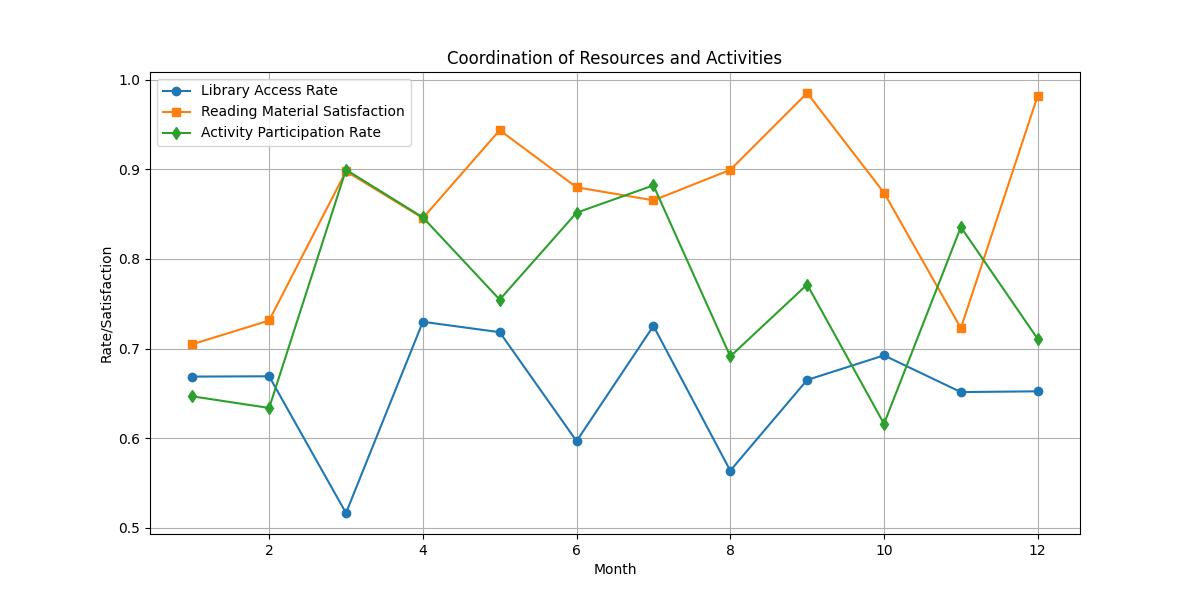
Figure 11. Resource and activity coordination.
(3) The synergy of various forces (As shown in Figure 12.)
The government, schools, communities, families and other forces jointly participate in the reading promotion activities of rural left-behind children to form a joint force. The government provides policy support and financial support; Schools provide reading places and teachers; The community provides organizational coordination and resource integration; Family provides companionship and guidance in reading. All forces work together to promote the in-depth development of reading promotion activities.
|
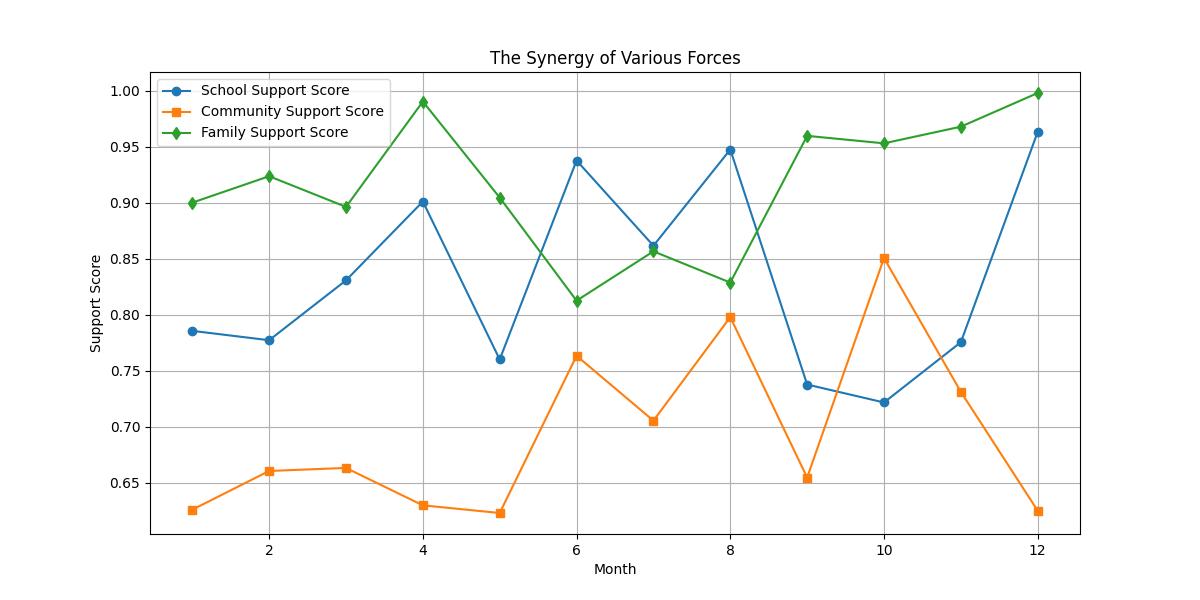
Figure 12. Synergistic effects of various forces.
Policy Support Index: Demonstrates the level of government support in terms of policies for reading promotion.
Financial Support Index: Showcases the financial support provided by the government and related institutions for reading promotion activities.
Evaluation Score: Presents the assessment rating of the effectiveness of reading promotion activities.
Library Access Rate: Illustrates the access situation of rural left-behind children to libraries.
Reading Material Satisfaction: Reflects children’s satisfaction with the provided reading materials.
Activity Participation Rate: Showcases the participation of children in reading activities.
School Support Score: Indicates the level of support from schools in reading promotion activities.
Community Support Score: Demonstrates the support from the community in terms of organizational coordination and resource integration.
Family Support Score: Reflects the support from families in reading promotion efforts.
These charts reflect the implementation effects of various measures over a period of one year, specifically including the enhancement of policy and financial support, the improvement in library access rates and reading material satisfaction, as well as the synergistic effects of schools, communities, and families in supporting reading promotion activities.
5 CONCLUSIONS AND PROSPECTS
5.1 Summarize the Main Points and Findings of the Paper
This paper mainly discusses how to effectively promote the reading promotion activities of rural left-behind children in Meizhou, Guangdong Province under the SIPS model, so as to promote their all-round development and the development of the local countryside. Through the practical research of SIPS model in Meizhou rural area, it is found that the synergistic effect of policy and system, the integration effect of resources and activity design, and the synergistic effect of government, society, family and other forces can more effectively promote the in-depth development of reading promotion activities for rural left-behind children. This joint effort can not only provide the quality and effect of reading promotion activities for rural left-behind children, but also create a good reading environment for rural left-behind children.
5.2 Emphasize the Importance and Necessity of Reading Promotion Activities for Rural left-behind Children Under the SIPS Model
5.2.1 Importance of Reading Promotion Activities for Rural Left-behind Children Under SIPS Model
The reading promotion activities of rural left-behind children under the SIPS model not only help to promote the equity of rural education, but also ensure that left-behind children have equal access to educational resources. It can also significantly improve their reading ability and lay a solid learning foundation for them; At the same time, such activities can greatly enrich the spiritual life of left-behind children, so that they can feel the power of knowledge in the ocean of books; Most importantly, it helps to cultivate good reading habits of rural children, laying a solid foundation for their future learning and growth.
5.2.2 Necessity of Reading Promotion Activities for Rural Left-behind Children Under SIPS Model
Under the SIPS model, the necessity of reading promotion activities for rural left-behind children is extremely significant. First of all, such activities can effectively deal with the problem of rural children left behind and provide them with a full and beneficial growth environment; Secondly, through the promotion of reading, we can actively promote the construction of rural culture and improve the overall cultural literacy of rural society. At the same time, it is also an important measure to promote the balanced development of urban and rural education and help narrow the gap between urban and rural education. Finally, such activities have far-reaching significance for cultivating the future talents of the country and laying a solid talent foundation for the long-term development of the country.
5.3 Future Development Trend and Research Direction
5.3.1 Future Development Trend
(1) Read promotion service model innovation
With the progress of technology and the increase of social attention to the problem of left-behind children, the future reading promotion activities for rural left-behind children will pay more attention to the innovation of service models. For example, the use of the Internet and mobile technology to develop online reading platforms to provide remote reading guidance and interactive services to make up for the lack of reading resources for rural left-behind children.
(2) Policy and financial support
The government and social organizations will further increase policy and financial support for reading promotion activities for rural left-behind children. Through the formulation of relevant policies to encourage more social resources to invest in this field, while strengthening the supervision of funds to ensure the effective use of funds.
(3) Focus on multi-party cooperation and linkage
In the future, reading promotion activities for rural left-behind children will pay more attention to multi-party cooperation and linkage, including schools, families, communities, libraries, publishing houses and other parties will form a joint force to jointly promote the development of reading promotion for rural left-behind children.
5.3.2 Research Direction
(1) Reading promotion evaluation effect
To conduct in-depth research on the effect of reading promotion activities for rural left-behind children, establish a scientific evaluation system, measure the effectiveness of activities with quantitative indicators, and provide improvement directions for future activities.
(2) Reading resource development and utilization
Research on how to develop suitable reading resources for rural left-behind children according to their characteristics and needs, including books, periodicals, digital resources, etc. At the same time, how to effectively use the existing resources, improve the utilization rate and coverage of resources.
(3) Reading guidance and service innovation
To study how to provide long-term effective reading guidance and services for rural left-behind children, including reading methods, reading skills, reading psychology and other aspects of guidance. At the same time, explore new service models, such as online reading guidance, parent-child reading, etc., in order to enrich the content and form of reading promotion activities.
(4) Pay attention to the special needs of rural left-behind children
For the special groups of rural left-behind children (such as disabled children, poor children, etc.), research on how to provide them with personalized reading guidance and services to ensure that every left-behind child can enjoy the fun and benefits of reading.
Acknowledgments
During the process of the team completing this paper, we received a lot of help and support from many people. At this moment, we sincerely express our gratitude to them.
First of all, we would like to express our most sincere gratitude to the two instructors, Fan Yingyin and Li Wanyi. During the entire process of writing this paper, from the determination of the topic, the construction of the paper framework, to the modification and improvement of details, they have given patient guidance and valuable suggestions.
Finally, we are grateful to Guangdong University of Education for providing us with rich academic resources and a good academic atmosphere.
Once again, we would like to express our sincerest gratitude to all those who helped and supported us in completing this paper.
This work is supported by the Undergraduate Innovation Training Project of Guangdong University of Education (No. 202414278139), the Guangdong Provincial Special Program in Key Areas for Higher Education Institutions (New Generation Electronic Information (Semiconductors)) (No. 2024ZDZX1040), the Development of Guangzhou Philosophy and Social Science in 14th Five-Year Plan (No. 2023GZGJ171) , the Educational Science Planning Project of Guangdong Province (No. 2022GXJK073, No. 2023GXJK125, No. 2024GXJK151), the Collaborative Project for the Development of Guangdong Province Philosophy and Social Science (No. 2023GD23XTY05).
Conflicts of Interest
The authors declared no conflict of interest.
Author Contribution
Chufang Chen was responsible for Conceptualization and investigation. Yingyin Fan was responsible for writing review and editing. Wanyi Li was responsible for supervision and validation. Chuxin Pan was responsible for data curation and resources. Xiaofeng Zhu was responsible for formal analysis and methodology. Churu Huang was responsible for project administration and visualization.
Abbreviation List
SIPS, Resonance, confirmation, participation, sharing.
SMART, Clarity, measurability, achievement, relevance,time limit
References
[1] Jiang J. “Double Course System” teaching integrating teaching ability of normal University students: Model, theory and advantages [In Chinese]. Heilongjiang High Educ Res, 2018: 02: 144-147.
[2] Shi JM. Research on Intergenerational Reading Promotion in public libraries based on SIPS model [In Chinese]. Libr Work Res, 2023; 11: 85-91.
[3] Ryuichi O, Takuji K, Chiaki S. Shared Reading as a Community of Practice for Overcoming the Generation Gap and Improving Psychological Safety in Rural Family Medicine Education: A Grounded-Theory Approach. Cureus, 2023; 15: e47331.
[4] WANG Y, Cao G, Cao X. Research on Influencing factors of extracurricular reading behavior of rural left-behind children [In Chinese]. Libr Forum, 2020, 40: 116-126.
[5] Huang Q, Hou F. Study on the reading service mode of social forces involved in left-behind children [In Chinese]. China Publ, 2017; 09: 28-31.
[6] ZHANG H, Yang Q, YI T. A study on rural children’s Reading under the concept of shared development: Based on an empirical survey of 12 villages in 6 provinces (autonomous regions) [In Chinese]. China Press, 2023; 08: 26-34.
[7] Huang H. An analysis on the reading promotion path of university library under the background of “double first-class” [In Chinese]. Contemp Educ Theory Pract, 2019; 15: 118-123.
[8] Huang J. Refinement of “technical governance” in rural education: Performance, Limitations and Countermeasures - from the perspective of collaborative governance theory [In Chinese]. J Educ Sci, Hunan Norm U, 2018; 17: 93-99.
[9] Fang X, Kai W. How Artificial Intelligence can promote the revitalization of Rural Education under the background of digital transformation of education: Enlightenment from foreign application of artificial intelligence in rural education [In Chinese]. Contemp Educ Cult, 2019; 16: 23-36.
[10] Nie J. Current situation analysis of college students’ volunteer education and research on sustainable countermeasures [In Chinese]. Western J, 2023; 04: 121-125.
[11] GENG Y, Jin Y. Compound and transformation: A study on college students’ short-term volunteer teaching motivation [In Chinese]. Contemp Youth Res, 2023; 06: 65-76.
[12] Shen J, Guo S, He X et al. Research on Construction and application of “relay” volunteer teaching model for normal university students under “Internet +” condition [In Chinese]. China Audio-visual Educ, 2021; 09: 112-121.
[13] Zhao J, Guo S. Research on quality guarantee mechanism of “Internet Plus” Volunteer teaching Service in normal colleges [In Chinese]. China Audio-visual Educ, 2021; 10: 98-104.
[14] Song X, Ma J, Guo H et al. Research on Reading Promotion in Higher Vocational Libraries Based on College Students’ Reading Behavior-Take Nanchong Vocational and Technical College as an example. Curriculum Teach Methodol, 2022; 5: 156-163.
[15] Zhang K. College Students’ sense of acquisition of volunteer Service: Connotation structure, realistic dilemma and solution path [In Chinese]. J Shandong Youth U Polit Sci, 2019; 39: 56-61.
[16] Li M. An exploration on the mode of “Library and Garden Cooperation” in the promotion of rural children’s reading in poor areas: A case study of Jianying Library in Meizhou City [In Chinese]. Library Theory Pract, 2019; 10: 83-87.
[17] HUA L, ZHANG Z, Jing Y. Research on short video secondary communication Strategy based on SIPS model [In Chinese]. Media, 2024; 03: 88-90.
[18] Fu J. Research on Optimization strategy of library Short video Reading promotion based on SIPS model [In Chinese]. Library Work Res, 2022; 04: 108-114.
[19] Enrica D, Enrico T, Kristin R et al. Oral language interventions can improve language outcomes in children with neurodevelopmental disorders: A systematic review and meta-analysis. Campbell Syst Rev, 2023; 19: e1368.[DOI]
[20] Hutton SJ, Dudley J, Huang G et al. Validation of The Reading House and Association With Cortical Thickness. Pediatrics, 2021; 147: e20201641.[DOI]
Copyright © 2024 The Author(s). This open-access article is licensed under a Creative Commons Attribution 4.0 International License (https://creativecommons.org/licenses/by/4.0), which permits unrestricted use, sharing, adaptation, distribution, and reproduction in any medium, provided the original work is properly cited.



 Copyright ©