
College Major Area and Career Commitment: Rethinking STEAM in Educational-Vocational Guidance
James Hutson1*, Sara L. Bagley2, Colleen Biri2
1Department of Art History and Visual Culture, Lindenwood University, Saint Charles, Missouri, USA
2Department of Psychology, College of Science, Technology, and Health, Lindenwood University, Saint Charles, Missouri, USA
*Correspondence to: James Hutson, PhD, Professor, Department of Art History and Visual Culture, Lindenwood University, 209 S Kingshighway St, Saint Charles, Missouri, 63301, USA; Email: jhutson@lindenwood.edu
Abstract
Objective: The exigency for higher education to exhibit outcomes aligning with career competencies has intensified, driven by external pressures favoring job-specific training. Amidst shifting career tendencies of Generations Y and Z and the advent of artificial intelligence-led automation, the valuation of different college majors has come under scrutiny. This study aims to dissect the prevailing assumptions and explore the satisfaction and career commitment levels among individuals with career-focused degrees.
Methods: Utilizing a mixed-methods approach, the study delves into the relationships among areas of study, career commitment, self-esteem, and self-efficacy among alumni from a private Midwestern liberal arts college. Instruments like Core Self-Evaluations, Career Commitment, and Career Reconsiderations facilitated data collection from graduates over the past three decades.
Results: Findings underscore higher career connectedness for Arts and Humanities and Physical and Social Sciences graduates compared to Business majors. Conversely, Business majors exhibited a significant surge in career reconsideration, suggesting a potential disconnect or regret among this cohort, possibly owing to the dynamic nature of the business field.
Conclusion: The data advocates for a recalibrated approach in vocational guidance aligning with educational majors, promoting data-informed decision-making among stakeholders. The variation in career connectedness and reconsideration across different study fields necessitates a nuanced approach in educational and vocational counseling to enhance alignment with long-term career satisfaction and commitment, preparing students aptly for the evolving job market landscape.
Keywords: alumni, career connectedness, higher education, employability, major selection, career commitment, self-esteem, self-efficacy
1 INTRODUCTION
Career development is no longer a linear trajectory[1]. There are many variables that affect when, where, and how individuals enter the workforce and how long they stay. In fact, even in the college environment, most students now take a non-direct path to graduation. A non-linear progression has also been highlighted in research and the news recently with the belief that younger generations, starting with Millennials, change careers earlier and more frequently, leading to a labor shortage in many areas[2,3]. Recently, another trend has emerged that concerns employers known as “quiet quitting”[4]. Employees are more often electing to not go beyond their assigned duties and will not answer weekend emails or opt to take on extra work outside of their regular duties has been cited among Gen Z. The struggle to attract and retain young talent has serious economic consequences when turnover is high[5]. The commitment that workers have regarding their chosen career paths is thus crucial to both workers and employers. Workers who report high levels of reconsideration and low levels of commitment in their careers will lead to increased labor shortages, requiring industry-academia collaborations[6].
At the same time, higher education has received increased pressure to demonstrate measurable outcomes directly tied to career competencies[7]. The return on investment for getting a college degree is increasingly tied to employability and salary after graduation, and students and their families are making that known[8]. On the other hand, job satisfaction has recently increased in importance for Gen Z, while being cost-conscious, rank having meaningful work higher than previous generations[9]. Therefore, in offering educational and vocational guidance to students looking to select a major in college, one must consider both the projected salary associated with majors and job satisfaction. Unfortunately, the vocational mindset that has recently dominated discussions on higher education tends to only focus on the former variable[10]. At the same time, as college graduates continue to rank job placement among the top motivators for pursuing a degree, there exists two competing higher educational models: (1) the traditional liberal arts approach that focuses on lifelong value and transferable skills, and (2) vocationally focused training in job-specific information that leads to more immediate career applicability[11]. These seemingly incompatible approaches have placed increased scrutiny on the value of non-vocational majors, such as those in the Humanities and Social Sciences[12,13].
Economic and political pressure has led to a rethinking of what a college degree should be[14]. However, recent market research has brought the “crisis” full circle and with the coming changes to work spurred on by automation and artificial intelligence, the most in-demand skills are no longer job-specific but are instead “durable” and “transferable”. Students today will be expected to retool, learn new skills for jobs that do not yet exist[15-17]. But even if institutions made retooling and upskilling central to all degrees, the selection of majors (and often, simultaneously, careers) must be made at a critical stage of identity development for students. If not able to explore options and understand commitment, degrees with a greater share of identity foreclosure will become disillusioned about their career selection and, therefore, less committed over time[18]. An example of the phenomenon can be seen in the current teacher shortage, as record numbers of educators leave the profession[19]. A recent study confirms that the level of burnout among professional teachers is related to the feeling of self-effectiveness and the level of job satisfaction. Such satisfaction likewise was reported in self-efficacy assessment and had a statistically significant impact[20]. Given that a college major can provide a person with a sense of identity and purpose, major selection needs to be carefully considered. Many students report developing a strong sense of identity through their college major, and this can shape their career commitment[21].
There are multiple variables that lead to strong commitment and satisfaction in a chosen career[22]. As self-assessment of self-efficacy leads to higher self-esteem and job satisfaction, so do these factors improve career commitment and reduce career reconsideration and identity foreclosure[23]. Given the current “crisis” of higher education and worker shortage, these variables should be considered within the context of academia and how improved job satisfaction may be achieved. One consideration is to explore the relationship between college major selection and career commitment, and, alternatively, career reconsideration. As such, this study of alumni from a private Midwestern liberal arts college looks at the career trajectories and self-reported assessment of career commitment, self-esteem and self-efficacy of graduates from the last three decades through measurement of Core Self-Evaluations (CSE), Career Commitment, and Career Reconsiderations instruments. The authors hypothesized that older individuals would be more connected with their careers, showing more commitment and less reconsideration. As well, the study seeks to determine if there were differences between major areas of study on these variables. Results indicate a higher level of long-term satisfaction with major selection, career commitment and lower career reconsideration in degrees traditionally associated with the Humanities and Social Sciences. On the other hand, majors in Business fields reported the highest level of career reconsideration and the lowest career commitment. Data reported from the study should inform educational and vocational guidance to prepare students and other constituents for the best outcomes associated with job satisfaction, life-long learning, and future skills development to prepare for the current market and disruptive changes in the labor force on the horizon.
In light of the evolving dynamics of higher education and the current labor market, this study endeavors to unravel the nuanced interplay between college major selection and subsequent career commitment and reconsideration. Drawing from previous literature, we posit that self-efficacy and self-esteem, pivotal in bolstering job satisfaction, might hold the keys to nurturing career commitment and mitigating career reconsideration and identity foreclosure. By delving into the career trajectories and self-reported assessments of career commitment, self-esteem, and self-efficacy of alumni spanning three decades from a private Midwestern liberal arts college, we aim to illumine the potentially enduring impact of college major selection on career satisfaction and commitment. In the face of a speculated higher education “crisis” and a palpable worker shortage, our study seeks to contribute to a deeper understanding of how academic pathways might influence long-term career satisfaction and commitment. Specifically, our inquiries are twofold: firstly, we hypothesize that older individuals would exhibit a stronger connection to their careers, reflecting higher levels of commitment and lower tendencies toward career reconsideration. Secondly, we endeavor to discern whether differences exist between major areas of study in terms of career commitment and reconsideration. Through the lens of CSE, Career Commitment, and Career Reconsiderations instruments, our exploration seeks to shed light on the pivotal yet complex relationship between academic pursuits and career satisfaction. The insights garnered from our investigation are envisaged to inform educational and vocational guidance practices, with the ultimate goal of equipping students and other stakeholders to navigate the intricacies of job satisfaction, lifelong learning, and future skills development in anticipation of the disruptive changes beckoning in the labor market.
2 LITERATURE REVIEW
2.1 College Major
The impact of college major selection on career commitment is complex and includes many variables. Research has demonstrated that while experiences vary widely, a college major may help shape career goals and commitments of students. In terms of vocational skills and aptitude, a college major can provide a person with the knowledge and skills needed to pursue a particular career. Students may gravitate towards a particular career and be committed simply because they have the necessary skills and knowledge from their studies to succeed[24]. Studies have also confirmed that college major selection can provide a person with a sense of direction and purpose. Many people choose a college major because it aligns with their interests, values, and goals, which may help encourage greater career commitment and pursuit of a related field[25]. Finally, a sense of identity may be developed during a formative time in cognitive and social development through major selection. Individuals report developing a strong sense of identity through their chosen major as this may influence academic cohort, social relationships, and commitment to causes associated with the field[21].
Given the potential future impact the selection of a field of study in college has, the value of different college majors has never been more hotly debated[26]. Top 10 rankings abound on which degrees college-bound students should pursue and these often focus on career outcomes, starting salaries and job growth in the market[27]. But satisfaction regarding major selection is not always restricted by such rankings. Studies of retention and persistence during matriculation have noted many variables associated with degree selection and satisfaction. In their analysis, Ramos[28] distilled non-intellective variables of academic performance into five classes, which included motivational factors, self-regulatory strategies, approaches to learning, personality traits, and psychosocial factors. The areas identified represent educational or psychological intervention opportunities that may enhance student satisfaction and engagement in their selected major of study, which can include study strategies and approaches to learning. Zeng et al.[29] likewise discussed career construction theory as an appropriate framework to better understand career outcomes in three areas that include life themes, career adaptability, and vocational personality. Success and long-term satisfaction in one’s career depend upon more than salary and are inherently influenced by psychological disposition and character traits, as well as environmental factors. These various dimensions directly impact how committed students will be in their future careers and if (or how much) they regret their major selection.
International programs were among the first to actively integrate career readiness skills into postsecondary curriculum. For instance, Clarke[30] reported on how the UK began embedding career-readiness outcomes into their degrees due to employers and government agencies alike. Postsecondary institutions have adopted numerous skills-based learning outcomes that are aimed at improving graduate employability and outcomes. Experiential learning is also common with many institutions including internships and international study as part of their programs to improve employment opportunities. Such approaches to improve graduate employability does not, however, take into account other very important factors. As such Clarke drew on broader employability research and created a framework with six areas that include: individual behaviors, labor market factors, social capital, human capital, individual attributes, and perceived employability. The multi-faceted approach to career readiness was echoed in the study by Yavuz et al.[31] where students from the United States and Turkey were evaluated based on career readiness. The study found that such readiness includes many factors, such as familial socio-economic status, perception of college, academic achievement, and gender. Such studies, while insightful, overlook considerations of the value of the metacognitive and durable skills developed through certain fields.
Recent research has demonstrated that to support satisfaction in degree selection, and promote the durable skill lifelong learning, skills-focused training may not be ideal. For instance, Detweiler[32] recently completed an extensive, longitudinal study of the value of the liberal arts, and argues that the skills gained from such an education are not job specific. Whereas other countries, especially India where the focus has historically been on engineering and technology universities, focuses on training for industry-specific skills, what differentiates US colleges would be the liberal arts foundation. Detweiler argues that this focus, when tracing the lives and careers of majors from these areas, can use their skills and transfer them to new situations, jobs, and challenges. Through the educational ecology of purpose, content and context, Detweiler argues that the values and habits of mind instilled by the liberal arts leads to lifelong learning and cultural involvement after surveying 1,000 college graduates from a range of colleges and universities. Comparing vocational to non-vocational majors, the greatest impact can be seen in business / accounting majors, who were 29% less likely to be continuing learners, and social science majors, who had a 36% greater probability of being continuing learners. The integration of humanities was also significant in that 29% had a higher probability of being continuing learners if these issues were in most of their classes, regardless of the field. Engaging pedagogy is also an important factor as 23-25% had a higher probability of becoming lifelong learners if they took seminars or smaller discussion-based courses earlier in their college careers. In essence, students who major in non-vocational degrees, Detweiler argues, are better prepared to be successful in an uncertain and changing future. But what are the specific elements that affect performance and satisfaction with those that have the ability to have high career commitment through adaptability?
2.2 Career Adaptability
Research has identified several variables that lead to successful career adaptability. Mainga et al.[33], for instance, defined such adaptability in terms of beliefs, competencies, and attitudes in four distinct areas that include instilling a positive concern for one’s future career, ensuring individuals have volitional control of that future, fostering a sense of curiosity about what may happen in the future, and bolstering personal confidence to achieve those future scenarios. When discussing so-called “non-intellective” factors that influence motivation and future career adaptability, the authors points to the importance of students’ capacity to manage their studies, including time management. As relayed in the career construction theory, optimism related to one’s future career is a non-intellective motivational factor that reflects expectations of the best possible outcome[34]. Therefore, a student who has optimism in their future career will more enthusiastically engage in their studies in an attempt to impact that future career scenario. These students often demonstrate higher levels of satisfaction in both their studies and career selection. Such satisfaction and career commitment have been found to be related to individual psychological disposition and personality types.
2.3 Psychological Disposition
Regardless of aptitude and alignment of interest, career commitment is also predicated on individual disposition. Research has emphasized the role personality factors play in predicting job performance[35], career success[36], organizational citizenship behavior[37], employee engagement[38], burnout[39], and psychological contract[40]. Several studies have tried to investigate the relationship between personality disposition and work-related outcomes. However, there remains few studies, especially on the association of personality factors with career commitment. As noted, volitional control of one’s future is central to keeping employees motivated in their careers and several personality dispositional variables influence this, including a perceived internal locus of control[41]. These qualities have been demonstrated to improve adaptability in one’s work life. For instance, Borg et al.[42] studied the construct of adaptability in work contexts using a conceptual approach in Australian organizations. Through the theory and work adjustment theory, the researchers looked at adaptable behaviors as being either tolerant, reactive, or proactive, reactive. Both self-reported behaviors and supervisor-ratings were used to investigate whether self-efficacy was related to adaptative work performance[43]. Other data was collected on work-requirements and biodata, and personality and cognitive flexibility traits. Findings confirmed that adaptive performance was related to an individual having self-efficacy for adaptable behavior.
Similar results[44,45] were also reported in the significance of Adaptability and Openness from several other studies. For instance, Christensen et al.[46] address the criticism that the Openness to Experience personality dimension lacks consideration as independent from other accepted personality constructs. To investigate if Openness is, in fact, an independent trait, the research team used psychometric tests on college students that were not major in psychology and confirmed status as an independent personality area. More recently, Ocampo et al.[47] offer insight as their study determined that Openness is a significant predictor of all dimensions of career commitment, including career planning, career resilience, and career identity. Investigating Indian firms, Patel et al.[48] also found that conscientiousness was a very significant predictor, but only of career identity. In terms of the other Big Five personality dimension of Agreeableness was found to have a positive impact on career planning. As such, the characteristic of agreeableness enhanced employees with aspects of their career planning. Results are confirmed by other studies that found conscientiousness, agreeableness, extraversion, openness, and emotional stability affect the relationship between non-cognitive ability and career success[49].
2.4 Major Satisfaction & Career Satisfaction
Other studies have found a relationship between satisfaction with major selection and later career satisfaction. For example, Hamzah et al.[50] investigated psychological predictors of academic major satisfaction and career adaptability. Citing earlier work by Savckas[51] and the career construction theory, Hamzah et al. noted that career adaptability and vocational personality lead to positive career satisfaction. In the study, the consideration of vocational personality was associated as the Big Five’s conscientiousness, while career adaptability was seen to relate as self-efficacy and career optimism. The resulting model suggests that career optimism supports a positive relationship between major selection and satisfaction and conscientiousness. Findings reflect earlier research on academic performance and personality traits[52,53]. Furthermore, results underscore the important role played by optimism in leading to general satisfaction with one’s career, and psychometric properties of the Career Adapt-Abilities Scale (CAAS). The relationship of CAAS to adaptivity should also be noted, which includes proactive personality, career optimism and learning goal orientation[54].
Again, optimism is important, but having an internal locus of control is significant. As such, other studies have focused on volitional autonomy in relation to major satisfaction. For instance, Schenkenfelder et al.[55] turned to self-determination theory (SDT) in order to better understand the relationship between environmental variables in college, such as faculty, staff, and peer support, and major selection and satisfaction. Using SDT, researchers hypothesized that students’ perceived competence, relatedness, and volitional autonomy would affect perceptions of and satisfaction with peer and faculty support and satisfaction with their majors. Results indicate that, in fact, the amount of perceived support students have in their major impacts student perception of competence in their degree and studies, relatedness in their major, and their experience of volitional autonomy in their major. The most important finding from the study was that volitional autonomy in a major was found to be the most important factor in mediating the relationship between faculty support and major satisfaction. As such, SDT may be used as a framework to better understand the relationship between faculty and peer support, psychological needs, and major satisfaction.
2.5 Career Commitment
Taken together, the variables that are important for career commitment include major selection satisfaction, specific psychological dispositions, career adaptability, and identity alignment. As such, Lee et al.[56] studied vocational identity and how it develops within the interplay between content dimensions and process in a three-part longitudinal study. Identity process dimensions were investigated and how these and career goals are interconnected in a diachronic fashion. More specifically the study looked at how identification with commitment, exploration, self-doubt and flexibility were influenced by intrinsic and extrinsic goals. Respondents were postsecondary students from South Korea, who rated their values associated with career goals using the Vocational Identity Status Assessment. Results indicate that students who have strong intrinsic career goals have a better identification with commitment overall. Moreover, self-doubt had a negative effect on intrinsic career goals and intrinsic career goals positively impacted in-depth exploration. Therefore, there is a reciprocal relationship between intrinsic career goals and commitment associated with identity dimension and between vocational identity process and career goals.
The relationship between intrinsic career goals and identity has been further addressed in studies that relay subject evaluation of career success. Van der Heijden et al.[57] focused their study on career success and the role played by higher education. More specifically, researchers focused on the relationship between career commitment, considering subjective and objective career success, and the role played by employability. Respondents included staff at a Dutch university and reported that, in fact, career commitment was especially related to three of the five dimensions of employability: corporate sense, personal flexibility, and anticipation and optimization. Most important were corporate sense and personal flexibility in mediating the relationship between objective career success and career commitment. The study reinforces earlier findings[58] where participation by employees in developing competency was found to be positively associated with workers’ perceptions of employability.
The importance of self-efficacy and volition on career commitment and success continues to be investigated. For instance, Kusluvan et al.[59] analyzed the often-overlooked part played by occupational self-esteem as a mediator between career commitment and perceived occupational stigma. In other words, if the academic major being pursued leads to an occupation or career that is undervalued, then there will be a negative impact on career commitment. In this study, undergraduate students majoring in tourism and hospitality management reported being negatively impacted by the stigma associated with their degree, leading to lower career commitment. On the other hand, occupational self-esteem positively affects career commitment and can mitigate occupational stigma. Interestingly, the effect occupational stigma can have on career commitment is not related to an individual’s level of occupational self-esteem. Such research has practical implications for academic major selection and occupational stigma should be addressed at the faculty-level to improve future career commitment.
Finally, Tresi and Mihelič[60] researched the role gender and family dynamics had on career commitment and confirms that career decisions and attitudes are influenced both by professional and domestic dynamics. The differences between career commitment and career identity were investigated, while self-efficacy was considered a moderating variable in cases of employees with differing family dynamics. Gender differences were also considered and whether those impacted career commitment. The results show that self-efficacy was more important for female respondents than males. Moreover, female employees who were married or cohabitating and/or married and cohabitating with dependents in their households were significantly impacted regarding self-efficacy, whereas only males with dependents were. The results are noteworthy as they support previous research into the association of gender with career satisfaction[61,62]. As will be discussed shortly, the gender differences in self-reported experiences among respondents were the most significant differentiator with regards to career commitment and reconsideration as opposed to age or other demographic indicators.
3 METHODS
The mixed-methods study included data from surveys collected from alumni who graduated between 1970-2021 from a private, four-year, liberal arts institution in the suburban ring of St. Louis, Missouri. Out of 136 respondents, 123 answered questions past the consent form. Out of those 12,397 completed the entire study and were used in the analyses. The sample represented alumni who graduated with undergraduate degrees (n=64), graduate degrees (n=14), and both types of degrees (n=19). Student major area of study was refined into four areas, including Business (n=26), Education (n=11), Physical & Social Sciences (n=33), Arts and Humanities (n=25) and 2 respondents that did not report. More women (n=74) than men (n=23) responded where a majority of age ranges were 18-24 (17.5%), 25-34 (49.5%), and 35-44 (15.5%).
The purpose of the project was to assess the career trajectory of alumni over the past three decades and the perceptions of career connectedness and reconsideration with regards to self-efficacy and self-esteem. The Vocational Identity Assessment Status (VISA) was utilized as a survey instrument and includes 30 items, with 10 items in each of the subscales of career exploration, commitment, and reconsideration. However, for the purposes of the study, only the subscales of career commitment and career reconsideration were used. All VISA questions were rated on a five-point Likert scale ranging from 1 (strongly disagree) to 5 (strongly agree). Finally, subscale scores were averaged across the 10 items. The next instrument to be used was the CSE Scale, which is a 12-item measure of concepts linked with self-esteem and self-efficacy but applied to work situations. Participants of such studies rate each statement on a five-point Likert scale ranging from 1 (strongly disagree) to 5 (strongly agree), where six of the items are reverse scored. In the study under discussion, average scores were calculated per participant after reverse scoring was carried out.
The survey was distributed in the late spring and early summer of 2022 where alumni were contacted through their emails in the alumni office and posted on various social media accounts (like Facebook) with a link to online survey. The survey was available for approximately four months and all data were collected using Qualtrics to ensure anonymity of responses. These results were sorted based on demographics (e.g., age, gender, major, modality, and first-generation, veteran, student athlete and student worker statuses) and data were exported for the survey system. Descriptive statistics were calculated and used for comparisons between groups and presented below.
4 RESULTS
4.1 Demographic Considerations
The study examined the perspectives of faculty, graduate, and undergraduate students at a mid-sized private university for patterns and experiences. Special attention was paid to where and how durable skills were developed in curricular, co-curricular and / or extra-curricular activities while attending college.
The respondents were represented in the following age groups (Figure 1) and graduation years (Figure 2). The ages of respondents were 47.97% 25-47 years of age; 16.26% 35-44; 14.6% 18-24; 8.94% 45-54; and 6.50% 65 and older. The majority of respondents graduated in 2019 (14.88%), followed by 2021 (13.22%), 2018 (12.40%), 2020 (9.92%), 2017 (8.26%), and so on at 5% and below thereafter. The racial background of participants was homogonous where a majority reported being White or Caucasian (86.6%). Other represented backgrounds include Black or African-American (9.3%), Hispanic or Latinx (6%), American Indian, Alaskan Native, Native Hawaiian or Pacific Islander (2.1%) and Asian (1%). In addition, international students composed 10.3% of the respondents. Student athletes represented 34% of the sample, while 66% of participants indicated they held campus employment.
|
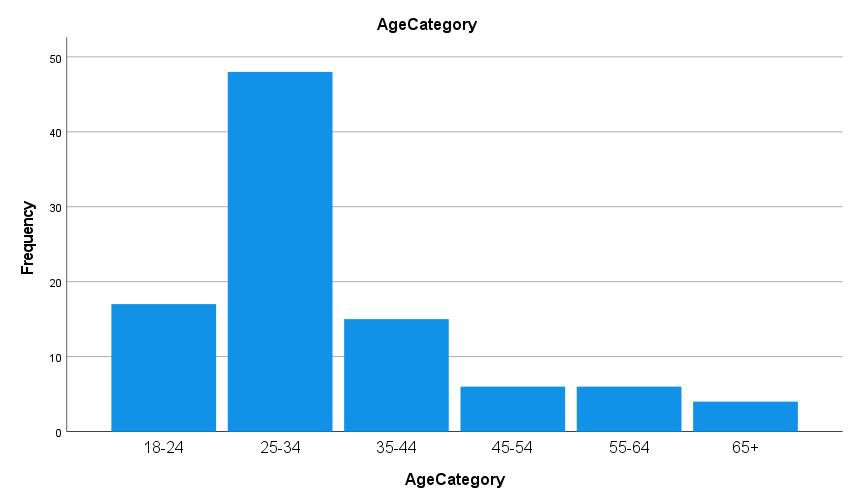
Figure 1. Age Groups of Alumni Respondents.
|
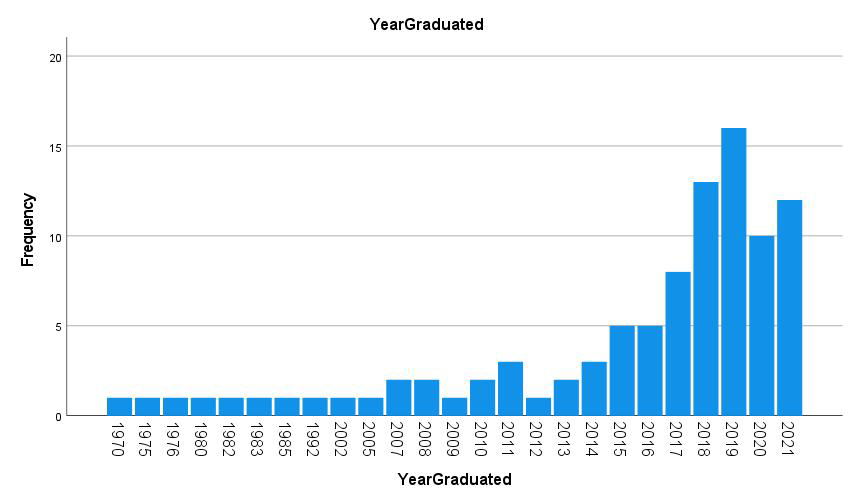
Figure 2. Graduation Years of Alumni Respondents.
4.2 Research Questions
4.2.1 Differences in Gender and Age
The study sought to determine if there were statistically significant differences between ages and genders with regards to career commitment and / or reconsideration. Results in the variable of gender indicate that women were higher than men in career reconsideration and men in CSE. Both men and women were high in career commitment (Ms=4-4.11, SDs=0.54-0.73), but not significantly different from each other, t95=0.61, P=0.54, d=0.15. Women (M=2.42, SD=0.77) were statistically significantly higher than men (M=2.06, SD=0.68) on career reconsideration, t(95)=2.02, P=0.46, d=0.48. In an opposite trend, men (M=4.14, SD=0.43) scored significantly higher with CSE than women (M=3.78, SD=0.68), t(58.88)=3.05, P=0.003, d=0.58. Regarding the consideration of age as a variable, univariate ANOVAs were conducted to see if the groupings differed on the constructs of career commitment, career reconsideration, and CSE, but none of the age groups were significantly different from each other (Ps>0.35). In this instance, the results indicated that age was not a determining factor, despite recent research on career commitment.
4.2.2 Differences in Major Selection
The study sought also to determine if there were statistically significant differences between major selection with regards to career commitment and / or reconsideration (Table 1). In reviewing responses, a univariate ANOVA was conducted to see if each of the four major areas of study differed in career commitment, career reconsideration, and CSE. The four major areas per the respondents were Business, Education, Physical & Social Sciences, and Arts and Humanities. Of note, there was a statistically significant difference between the areas of study for career commitment, F (3, 91)=3.03, P=0.03, partial eta2 = 0.09, where there were significantly lower commitment ratings reported from Business areas (M=3.72, SD=0.7) than Physical & Social Sciences (M=4.08, SD=0.72) and Arts & Humanities (M=4.28, SD=0.56) (Figure 3A). All other comparisons were not significantly different on career commitment. There was a marginally significant difference between the areas of study for career reconsideration, F (3, 91)=2.443.03, P=0.07, partial eta2 =0.075 (Figure 3B). Post hoc analyses revealed that the Business areas (M=2.67, SD=0.81) reported significantly higher reconsideration ratings than Physical & Social Sciences (M=2.27, SD=0.72) and Arts & Humanities (M=2.14, SD=0.76). All other comparisons were not significantly different on career reconsideration. There were not significant differences between four major areas of study and levels of CSE, F (3, 91)=0.34, P=0.8. In summary, the areas that reported the highest career commitment were Arts and Humanities followed by Social Sciences and the highest career reconsideration were Business followed by Education.
Table 1. P-value for Analysis
Variable |
F(3, 91) |
P-value |
Partial η² |
Significant Differences |
Career Commitment |
3.03 |
0.03 |
0.09 |
Business < Physical & Social Sciences, Business < Arts & Humanities |
Career Reconsideration |
2.44 |
0.07 |
0.075 |
Business > Physical & Social Sciences, Business > Arts & Humanities |
|
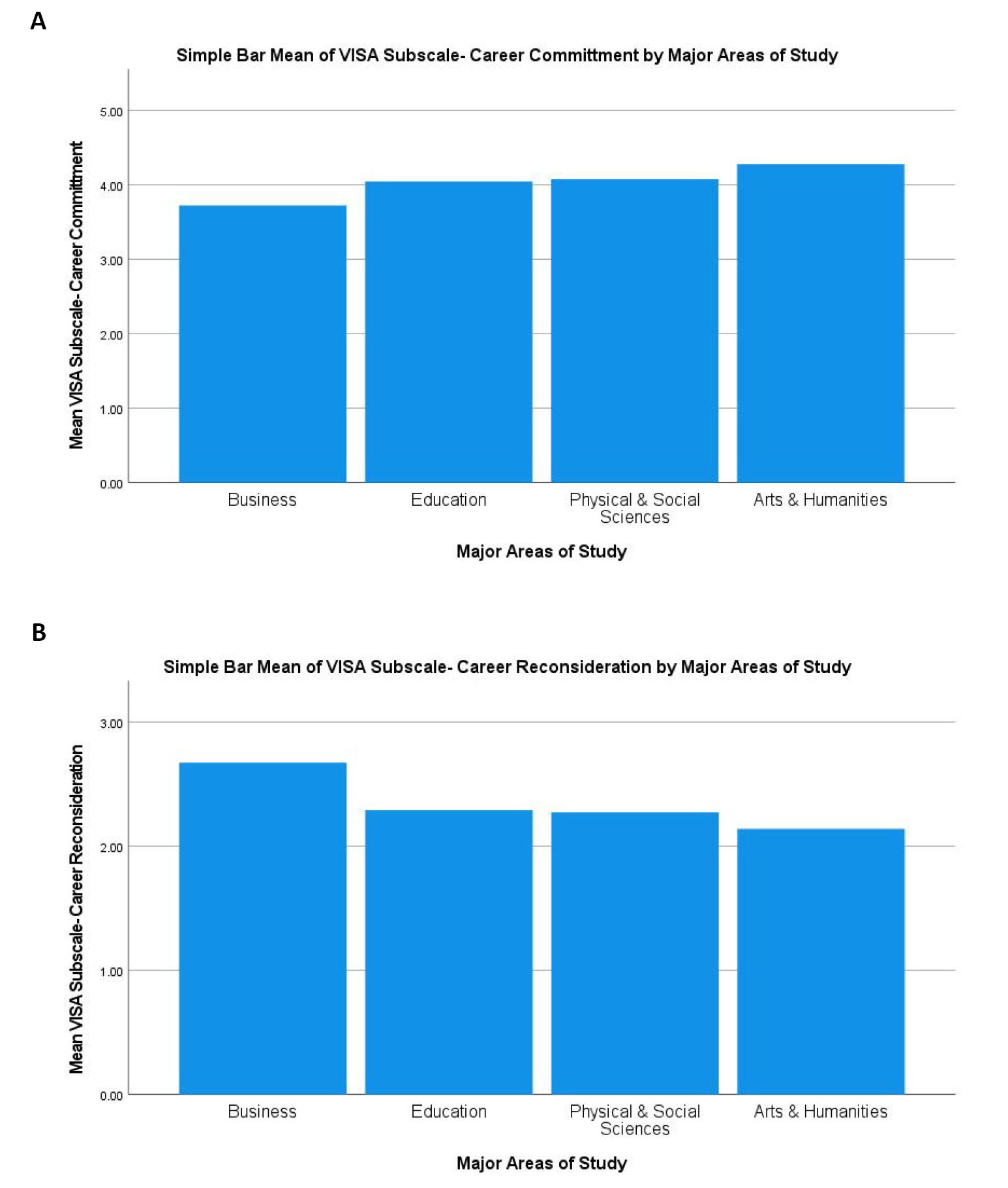
Figure 3. Differences in Major Selection. A: Career Commitment by Major Area of Study; B: Career Reconsideration by Major Areas of Study.
5 DISCUSSION
The study explored the relationship between college major selection and subsequent career commitment, accentuated by the contemporary pressures favoring job-specific training in higher education. The findings revealed a discernible pattern, opening avenues for a deeper examination of the prevailing assumptions concerning the valuation of different college majors, particularly in the context of long-term career commitment and satisfaction. The data portrays a scenario where alumni from the Arts and Humanities, and Physical and Social Sciences majors exhibit higher career commitment when compared to Business majors. Concurrently, a higher tendency towards career reconsideration was observed among Business majors. This suggests that the rapidly evolving nature of fields like Business might contribute to a less stable career trajectory, potentially leading to higher levels of career reconsideration. Conversely, majors traditionally perceived as less vocationally direct appear to foster a stronger bond between individuals and their careers, possibly due to a deeper alignment with personal values or interests.
Transitioning into the realm of limitations, the study, while shedding light on significant patterns, was not without its constraints. The sample size, although respectable, represents a small fraction of the broader alumni population, which might limit the generalizability of the findings. Furthermore, the gender imbalance and the predominance of White or Caucasian respondents in the sample could potentially introduce bias, thereby possibly affecting the accuracy and representativeness of the data. The reliance on self-reported measures also opens the door for biases such as social desirability or recall bias, which could affect the accuracy of the data. Additionally, the temporal breadth of the study, encompassing a wide range of graduation years, hints at a potential disconnect given the dynamic nature of both the job market and higher education over time. The choice of instruments, while robust, leaves a trail of what-ifs, hinting at potentially unexplored facets of the research questions due to the exclusion of certain subscales and the absence of other potentially relevant measures.
In light of the findings and acknowledged limitations, the study propels us towards recommendations that hold promise for fostering a more nuanced and holistic approach in educational-vocational guidance. The findings call for a re-evaluation of educational-vocational guidance practices. There's an imperative need for educational institutions to transition towards a more holistic guidance approach that transcends the immediate goal of job-market readiness to embrace broader life and career aspirations. This approach could potentially promote a more sustainable career engagement among students across all majors. Moreover, the discourse among policy makers should broaden to appreciate the long-term value of a diverse educational landscape that nurtures not only job-specific skills but also the personal and societal benefits of a well-rounded education. Furthermore, subsequent studies could delve deeper, enriched by larger, more diverse samples, longitudinal designs, and a broader spectrum of measures to provide a richer understanding of the phenomena under investigation, thereby contributing to a more balanced and informed discourse in educational-vocational guidance.
6 CONCLUSION
The results from the study confirm the need for a reconsideration of the current framing of major selection and educational and vocational guidance. While the results did not find that age differences on the CSE, Career Commitment, and Career Reconsiderations instruments were significant, differences between major areas of study and gender were. Echoing previous research, career commitment and reconsideration should involve metrics beyond current major rankings and projected career outcomes to encapsulate projected employment satisfaction and reduce turnover. While there was no significant difference between major selection and career confidence and confidence, commitment and reconsideration in the study is notable. Psychological disposition and career adaptability may be considerations for career counselors to take into account. Optimistic students that are interested in their career future will more readily apply themselves to their studies, which is a predictor of future career satisfaction and success. Moreover, the values behind degree selection need be considered as those in this study may lead to greater meaningful employment experiences, reported as important for the youngest generations[5]. Degrees that inherently focus on the human condition and addressing wicked problems (e.g., Social Sciences and Humanities) may attract more altruistic individuals[63] and thus more commitment to the perceived mission in the values of those careers. On the other hand, if degree selection is motivated purely by economic factors, a higher percentage of identity foreclosure is likely[18]. Therefore, the results of career commitment in degrees that are values-oriented instead of vocational may be expected. A further consideration of gender needs to be addressed. Reflecting research in many areas, the familial and social expectations that differ between traditional genders can also be seen in the results of this study in that men reported higher confidence in career competence scoring than women[61,62]. Given the career trajectory differences between the genders, exasperated by the pandemic, the direct promotion trajectory in a single career is upheld with the results, whereas the need to move between degree fields and reconsider careers is more common in women[64,65]. Recommendations for future study include further refinement of an instrument that carefully considers gender differences and emerging major fields of study.
Acknowledgements
Not applicable.
Conflicts of Interest
The authors declared no conflict of interest.
Author Contribution
Hutson J was responsible for overall conceptualization, investigation, original draft preparation, writing, review, editing, and visualization. Bagley SL contributed to the methodology, while Biri C handled the validation process. All authors contributed to the manuscript and approved the final version.
Abbreviation List
CAAS, Career Adapt-Abilities Scale
CSE, Core Self-evaluations
SDT, Self-determination theory
VISA, Vocational Identity Assessment Status
References
[1] Vafa K, Palikot E, Du T et al. Learning Transferrable Representations of Career Trajectories for Economic Prediction. CoRR, 2022.
[2] Hatoum MB, Ammar A, Nassereddine H et al. Preparing Construction Employers for the Gen-Z Workforce: A Case Study. Proceedings of the 30th Annual Conference of the International Group for Lean Construction (IGLC). Edmonton, Canada, 2022.[DOI]
[3] Hutson P, Hutson J. Neurodiversity and Inclusivity in the Workplace: Biopsychosocial Interventions for Promoting Competitive Advantage. J Organ Psych, 2023; 23: 1-16.
[4] Strahilevitz M. Professor Michal Strahilevitz Speaks to KTVU News about Quiet Quitting and Work-Life Balance. 2022.
[5] Ji X, Liu S, Lang J. Assessing the impact of officials' turnover on urban economic efficiency: From the perspective of political promotion incentive and power rent-seeking incentive. Socio-Econ Plan Sci, 2022; 82: 101264.[DOI]
[6] Kwok L. Labor shortage: a critical reflection and a call for industry-academia collaboration. Int J Contemp Hosp M, 2022; 34: 3929-3943.
[7] Monteiro S, Almeida L, Gomes C et al. Employability profiles of higher education graduates: a person-oriented approach. Stud High Educ, 2022; 47: 499-512.[DOI]
[8] Gallagher SR. The future of university credentials: New developments at the intersection of higher education and hiring. Harvard Education Press: Massachusetts, USA, 2022.
[9] Aggarwal A, Sadhna P, Gupta S et al. Gen Z entering the workforce: Restructuring HR policies and practices for fostering the task performance and organizational commitment. J Public Aff, 2022; 22: e2535.[DOI]
[10] Kezar A. Inspirational Ideas for Navigating Perennial Higher Education Challenges. Change: Mag High Educ, 2022; 54: 2-3.[DOI]
[11] Pasion R, Dias-Oliveira E, Camacho A et al. Impact of COVID-19 on undergraduate business students: A longitudinal study on academic motivation, engagement and attachment to university. Account Res J, 2020; 34: 246-257.[DOI]
[12] Payne PD. Remaking the humanities: Neoliberal logics, wicked problems, and survival post-covid. J Arts Hum High, 2022; 11: 23-37.
[13] Telling K. Jobs for the generalist: non-vocational degrees and employability. In: The Liberal Arts Paradox in Higher Education, Policy Press: Bristol, UK, 2023; 74-89.[DOI]
[14] Harrison R, Meyer L, Rawstorne P et al. Evaluating and enhancing quality in higher education teaching practice: a meta-review. Stud High Educ, 2022; 47: 80-96.[DOI]
[15] Lund S, Madgavkar A, Manyika J et al. The future of work after COVID-19. McKinsey global institute, 2021, 18.
[16] Moghaddam Y, Yurko H, Demirkan H et al. The Future of Work: How Artificial Intelligence Can Augment Human Capabilities. Business Expert Press, 2020.
[17] Torbaghan ME, Sasidharan M, Jefferson I et al. Preparing Students for a Digitized Future. IEEE T Educ, 2022; 66: 20-29.[DOI]
[18] Sharma R. Adolescents and Career Development. In: Adolescence in India. Springer: Singapore, 2022; 105-123.[DOI]
[19] Crowe F, McGarr O. “Foreclosing” a teaching career? An exploration of the career decisions of undergraduate pre-service teachers’ through the lens of Identity Status Theory. Teach Teach Educ, 2022; 115: 103744.[DOI]
[20] Bartosiewicz A, Łuszczki E, Zaręba L et al. Assessment of job satisfaction, self-efficacy, and the level of professional burnout of primary and secondary school teachers in Poland during the COVID-19 pandemic. PeerJ, 2022; 10: e13349.[DOI]
[21] McLean KC, Koepf IM, Lilgendahl JP. Identity development and major choice among underrepresented students interested in STEM majors: A longitudinal qualitative analysis. Emerg Adulthood, 2022; 10: 386-401.[DOI]
[22] Chukwuedo SO, Onwusuru IM, Agbo NM. Practitioners’ vocational guidance with direct learning model: Influencing career commitment and employability in electrical/electronic technology education. Int J Educ Vocat Guidance, 2022; 22: 23-48.[DOI]
[23] Wicaksono I, Ratnawati I. The importance of having self-efficacy, self-esteem, job satisfaction on employee performance during the pandemic in state-owned companies. JPPI, 2022; 8: 177-186.[DOI]
[24] Rukmana F, Thalib SB, Pandang A et al. Developing flip chart as career counseling media for college major selection for the students. JPPK, 2022; 8.
[25] Han C, Farruggia SP, Solomon BJ. Effects of high school students’ noncognitive factors on their success at college. Stud High Educ, 2022; 47: 572-586.[DOI]
[26] Payne SSC. Equalization or Reproduction? “Some College” and the Social Function of Higher Education. Sociol Educ, 2023; 96: 104-128.[DOI]
[27] Malas M. These are the highest paying college majors of 2022. Accessed 19 December 2022. Available at:[Web]
[28] Ramos AR. Correlation of the Non-Intellective Factors on the Learners’ Second Language Competencies. Am J Educ Technol, 2023; 2: 58-68.[DOI]
[29] Zeng Q, Li J, Huang S et al. How does career-related parental support enhance career adaptability: the multiple mediating roles of resilience and hope. Curr Psychol, 2023; 42: 25193-25205.[DOI]
[30] Clarke M. Rethinking graduate employability: The role of capital, individual attributes and context. Stud High Educ, 2018; 43: 1923-1937.[DOI]
[31] Yavuz O, Dogan S, Kabakci OF. An international comparative study: Exploring students’ college and career readiness needs. J Res Initiatives, 2019; 4: 6.
[32] Detweiler RA. The Evidence Liberal Arts Needs: Lives of Consequence, Inquiry, and Accomplishment. MIT Press: Cambridge, USA. 2021
[33] Mainga W, Murphy-Braynen MB, Moxey R et al. Graduate employability of business students. Adm Sci, 2022; 12: 72.[DOI]
[34] Chui H, Li H, Ngo H. Linking protean career orientation with career optimism: Career adaptability and career decision self-efficacy as mediators. J Career Dev, 2022; 49: 161-173.[DOI]
[35] Soomro BA, Saraih UN, Ahmad TST. Personality traits and conflict management styles via job performance in higher education. J Appl Res High Educ, 2023; 15: 1069-1094.[DOI]
[36] Kumari K, Ali SB, Batool M et al. The interplay between leaders’ personality traits and mentoring quality and their impact on mentees’ job satisfaction and job performance. Front Psychol, 2022; 13: 937470.[DOI]
[37] Chiaburu DS, Oh IS, Stoverink AC et al. Happy to help, happy to change? A meta-analysis of major predictors of affiliative and change-oriented organizational citizenship behaviors. J Vocat Behav, 2022; 132: 103664.[DOI]
[38] Nehra NS. Can employee engagement be attained through psychological detachment and job crafting: the mediating role of spirituality and intrinsic motivation. J Organ Eff-People P, 2023; 10: 368-393.[DOI]
[39] Shakeel S, Khan MM, Khan RAA et al. Linking personality traits, self-efficacy and burnout of teachers in public schools: Does school climate play a moderating role? Public Organ Rev, 2022; 22: 19-39.[DOI]
[40] Wibowo TS. Psychological Contract Theory Relation to Organizational Citizenship Behavior (OCB) of Flight Attendants. Int J Sci Technol Manag, 2022; 3: 144-152.[DOI]
[41] Holding AC, Koestner R. 16 The Role of Motivation in the Lifecycle of Personal Goals. In: The Oxford handbook of self-determination theory. 2023; 327.[DOI]
[42] Borg N, Scott-Young CM, Naderpajouh N et al. Surviving adversity: personal and career resilience in the AEC industry during the COVID-19 pandemic. Constr Manag Econ, 2023; 41: 361-378.[DOI]
[43] Yohannes ME, Wasonga TA. Leadership styles and teacher job satisfaction in Ethiopian schools. Educ Manag Adm Lead, 2023; 51: 1200-1218.[DOI]
[44] Sabuhari R, Sudiro A, Irawanto D et al. The effects of human resource flexibility, employee competency, organizational culture adaptation and job satisfaction on employee performance. Manage Sci Lett, 2020; 10: 1775-1786.[DOI]
[45] Davidescu AAM, Apostu SA, Paul A et al. Work flexibility, job satisfaction, and job performance among Romanian employees-Implications for sustainable human resource management. Sustainability, 2020; 12: 6086.[DOI]
[46] Christensen AP, Cotter KN, Silvia PJ. Reopening openness to experience: A network analysis of four openness to experience inventories. J Pers Assess, 2019; 101: 574-588.[DOI]
[47] Ocampo ACG, Reyes ML, Chen Y et al. The role of internship participation and conscientiousness in developing career adaptability: A five-wave growth mixture model analysis. J Vocat Behav, 2020; 120: 103426.[DOI]
[48] Patel R, Bhatt V, Thomas S et al. Predicting the cause-related marketing participation intention by examining big-five personality traits and moderating role of subjective happiness. Int Rev Pub Non Mark, 2023; 1-30.[DOI]
[49] Cabus S, Napierala J, Carretero S. The returns to non-cognitive skills: A meta-analysis. JRC Working Papers Series on Labour, Education and Technology. 2021.
[50] Hamzah SR, Kai Le K, Musa SNS. The mediating role of career decision self-efficacy on the relationship of career emotional intelligence and self-esteem with career adaptability among university students. Int J Adolesc Youth, 2021; 26: 83-93.[DOI]
[51] Savickas ML. The theory and practice of career construction. In: Career development and counseling: Putting theory and research to work. John Wiley & Sons, Inc: Hoboken, USA, 2005; 1: 42-70.
[52] Eva N, Newman A, Jiang Z et al. Career optimism: A systematic review and agenda for future research. J Vocat Behav, 2020; 116: 103287.[DOI]
[53] Gibbons C. Surviving a pandemic-Understanding the role of student stress, personality and coping on course satisfaction and anxiety during lockdown. Innov Educ Teach Int, 2023; 60: 463-475.[DOI]
[54] Van der Bergh I. Investigating the psychometric properties of the Short-Form Career Adapt-Ability Scale (CAAS-SF) in a selected sample of South African employees. South Africa: North-West University; 2022.
[55] Schenkenfelder M, Frickey EA, Larson LM. College environment and basic psychological needs: Predicting academic major satisfaction. J Couns Psychol, 2020; 67: 265-273.[DOI]
[56] Lee Y, Kim Y, Im S et al. Longitudinal associations between vocational identity process and career goals. J Career Dev, 2022; 49: 569-584.[DOI]
[57] Van der Heijden BIJM, Davies EMM, Van der Linden D et al. The relationship between career commitment and career success among university staff: The mediating role of employability. Eur Manag Rev, 2022; 19: 564-580.[DOI]
[58] Soares ME, Mosquera P. Linking career management practices with individual outcomes: The mediating role of perceived employability. J Bus Res, 2021; 124: 547-559.[DOI]
[59] Kusluvan H, Akova O, Kusluvan S. Occupational stigma and career commitment: Testing mediation and moderation effects of occupational self-esteem. Int J Hosp Manag, 2022; 102: 103149.[DOI]
[60] Tresi DG, Mihelič KK. Career identity, career commitment, and self-efficacy: the role of gender and family characteristics. Irish J Manag, 2022; 42: 53-66.[DOI]
[61] Ip EJ, Lindfelt TA, Tran AL et al. Differences in career satisfaction, work-life balance, and stress by gender in a national survey of pharmacy faculty. J Pharm Pract, 2020; 33: 415-419.[DOI]
[62] Carvajal MJ, Popovici I, Hardigan PC. Gender and pharmacists’ career satisfaction in the United States. Pharmacy, 2021; 9: 173.[DOI]
[63] Chao CM, Yu TK, Yu TY. Understanding the factors influencing recycling behavior in college students: the role of interpersonal altruism and environmental concern. Int J Sust Higher Ed, 2023; 24: 969-985.[DOI]
[64] Blowers T, Johnson E, Thomson J. Resilient women scientists and the COVID-19 pandemic: an OWSD analysis. Econ Polit, 2022; 39: 225-248.[DOI]
[65] Walters C, Mehl GG, Piraino P et al. The impact of the pandemic-enforced lockdown on the scholarly productivity of women academics in South Africa. Res Policy, 2022; 51: 104403.[DOI]
Copyright © 2023 The Author(s). This open-access article is licensed under a Creative Commons Attribution 4.0 International License (https://creativecommons.org/licenses/by/4.0), which permits unrestricted use, sharing, adaptation, distribution, and reproduction in any medium, provided the original work is properly cited.



 Copyright ©