
Food Waste to Food Revolution: The Role of Omics Studies in Exploring the Potential of Mango By-products
Siddharth Singh1, Pooja Yadav1, Priyanshi Dwivedi1, Aditi Singh1*
1Amity Institute of Biotechnology, Amity University Uttar Pradesh, Lucknow Campus, India
*Correspondence to: Aditi Singh, Ph.D, Biochemistry Professor, Amity Institute of Biotechnology, Amity University Uttar Pradesh, Lucknow Campus, Gomti Nagar Extension, Lucknow, 226028, India; Email: asingh3@lko.amity.edu, singh.aditi00@gmail.com
Abstract
Food waste is a major global issue, with approximately one-third of all food produced in the world wasted annually. Food waste and by-products contain nutrients such as proteins, lipids, carbohydrates, and bioactive compounds. Omics technologies are emerging as a powerful tools to unlock the hidden potential of food waste and by-products, transforming them into valuable products. Omics studies are emerging in the field of living organisms as genomics, transcriptomics, proteomics, and metabolomics. Mango, a popular tropical fruit and its by-products can be used to extract dietary fibres, which are rich in bioactive components like protocatechuic acids, mangiferin, and β-carotene, which have numerous biological activities. Mango kernels are also a rich source of macronutrients and micronutrients, with high antioxidant and poly-phenolic content. Valorisation of mango by-products serves as a powerful example of how food waste can be transformed from a problem into a valuable resource. Valorising mango fruit by-products not only reduces environmental pollution but also creates job opportunities and reduces waste disposal costs for processing industries. This paper provides an overview of the nutritional composition of mango by-products and their biological activity. It further discusses how omics technologies are being employed to make mango valorisation much more efficient and how through various innovative approaches of proteomics, metabolomics, or nutriomics, we can minimize waste and recover valuable resources, support industries, and foster sustainable growth.
Keywords: waste to wealth, bioactive compounds, proteomics, nutriomics, metabolomics, transcriptomics, valorisation
1 INTRODUCTION
Mango (Mangifera indica L.), often hailed as the “king of fruits,” is renowned for its delightful fragrance, balanced sweetness and acidity, and high nutritional value. As the most widely consumed tropical fruit, it boasts over 400 varieties, each offering unique flavors and textures. Originating from South Asia, mangoes have expanded their reach to tropical and subtropical regions worldwide. Despite belonging to the Anacardiaceae family, known for some toxic members—the mango is cherished for its safety and health benefits, including rich doses of vitamins and antioxidants. India has been growing mangoes for over 4,000 years, maintaining its status as the world's leading producer of this popular tropical fruit in the twenty-first century[1]. Today it is grown in over 90 countries, with India, China, and Thailand being the largest producers, and it accounts for more than half of global tropical fruit production. It is consumed both fresh and in a variety of processed forms, such as pulp, juice, puree, pickles, and jams. In 2022, global mango production reached approximately 59.2 million tons[2], highlighting its substantial importance and widespread appeal in the global market. Asia dominates mango production, with India leading the way with an annual production of 22 million tons, making it the world's top exporter[3]. Within India, Andhra Pradesh stands out as the largest mango-producing state, accounting for 20% of the total mango production, with 4.69 million tons produced on over 0.37 million hectares of land. The growing global demand for mangoes and processed mango products was evident in 2021-2022, when India exported over 28,000 tons of mangoes and 123,000 tons of its pulp[4]. Mangoes are highly valued due to their rich composition of essential vitamins, minerals, and bioactive compounds. The fruit is an excellent source of vitamin C, dietary fibre, and antioxidants such as carotenoids and polyphenols[5].
A notable concern within the mango industry is the substantial amount of by-products generated during processing, which include peels and seeds/kernels. These by-products can constitute 25-40% of the fruit’s total weight[6,7], resulting in approximately 15-24 million tons of waste annually. Despite being considered waste, mango by-products are rich in bioactive compounds like dietary fibre, proteins, phenolic compounds, carotenoids, and fatty acids, making them a valuable resource for nutrient fortification and other functional applications.
Omics represents a transformative approach in biological research, involving the comprehensive analysis of large datasets that capture the structure and function of biological systems at various levels. This has led to the advancement of complex disorders, such as cancers, from static delineation between cell malignant and healthy states to spatio-temporal dynamic deconvolution of complex systems involving multi-layer modifications at genomic, transcriptomic, proteomic, and metabolic levels[8]. Since the first high-throughput technology was developed, DNA microarray[9], omics technologies have been used to capture static genomic alterations, temporal transcriptomic perturbations, alternative splicing, spatio-temporal proteomic dynamics, and post translational modifications[10]. Beyond this, omics technologies have expanded to analyse various omics at the epi-level, molecular interactions, and disease-associated hallmarks. Building a thorough causal link between molecular markers and phenotypic manifestations of a certain disease has become commonplace with the use of multi-omics integration. The development of novel omics and related methodologies may continue to be motivated by the intricacy of cellular behaviour and its decision-making system.
Despite significant research on mango (Mangifera indica) and its nutritional value, the focus of most studies has been on the pulp, which is widely consumed and commercially processed. Much less attention has been given to mango by-products, especially the kernels, which are commonly regarded as waste. Mango kernels, which account for a significant portion of the fruit's mass, have been shown to contain valuable bioactive compounds, including phenolics, dietary fibres, and antioxidants[7]. However, their application in food fortification remains largely unexplored. While existing literature touches on the nutritional value of mango by-products, studies specifically addressing their potential to fortify foods, are sparse. Recent studies have expanded our understanding of the nutritional and bioactive profiles of mango kernels. For example, a study by Torres-León et al. 2016 explored the detailed chemical composition of mango kernel, highlighting its fat and protein and the high content of antioxidants and compounds that have antimicrobial activity[11].
New research has begun investigating the broader use of fruit by-products, particularly seeds and peels, in fortifying staple foods. A recent review by Mandha et al. highlighted the potential of various fruit seeds, including mango, to be incorporated into different food products to enhance their nutritional quality. This review discussed the high levels of bioactive compounds in mango by-products and their potential in addressing nutritional deficiencies when added to commonly consumed foods like bakery goods[12].
Another novel study by Kabir et al. investigated the incorporation of mango peel powder (MPP) as a natural source of bioactive compounds for enhancing functional noodles through extrusion technology. MPP was incorporated at levels of 2.5%, 5%, and 7.5%, and the study found that while higher MPP levels improved the nutritional content, including increased polyphenols, carotenoids, and antioxidant activity, they also led to changes in the colour index and cooking properties. Noodles with 2.5% and 5% MPP were comparable to control samples in sensory evaluation, demonstrating that MPP can be an effective, cost-efficient ingredient for developing nutritionally enriched noodles without compromising sensory quality[13].
As knowledge of cellular omics continues to transform our understanding, it is time to review what has been and is being done comprehensively in omics-relevant studies for mango research and where more can be employed to forecast what can be done in "omics" as a shortcut towards our goal. This paper comprehensively reviews the rising role of omics on the cell machinery and provides a thorough evaluation of established high-throughput technologies as employed in mango fruit exploration studies.
2 PROPERTIES OF MANGO FRUIT PARTS
The fruit of mango is the main economic part of the tree, apart from timber. It has thick layer of pulp, the mesocarp which covers the seed kernel (endocarp). The epicarp is the outer covering or peel (Figure 1). The fruit has a mixture of chemical composition, with high carbohydrates and is reported to have high amount of antioxidants and phenols[14]. The sections below highlight the chemical constituents of each part of mango fruit, which are summarised in Table 1.
|

Figure 1. A Representation of the Major Sections in the Edible and Non-edible Parts of Mango Fruit.
2.1 Mango Pulp
Mango pulp is the thick, fleshy part of a mango that has been chopped, pureed, or sieved. It's a flexible component that works well in both savory and sweet recipes. It also contains essential micronutrients such vitamins and minerals. Chemical study revealed that mango pulp has a comparatively high number of calories (60kcal/100g fresh weight) and is a significant source of vitamins, fibre, and potassium[15]. According to the U.S. Department of Agriculture database, mango pulp comprises four types of water- and fat-soluble vitamins: A, C, B, E, and K[16]. The mango pulp contains all B complex vitamins except biotin, which changes/decreases as the fruit matures due to a shift in metabolic activity. It is a good source of elemental minerals essential for various biochemical reactions. Consumption of mango pulp provides amounts of calcium, sodium, copper, iron, phosphorus, manganese, magnesium, zinc, boron, and selenium. Consumption of mango regularly can fulfil the recommended dietary intake of these vitamins. Vitamin E and K concentrations are lower in mango pulp, but their amounts increase as the fruit ripens. Fresh mango pulp contains roughly 1.3 mg of α-tocopherol, an active form of vitamin E[17]. An inverse relationship exists between the contents of vitamin C and vitamin E in mango fruit[18].
2.2 Mango Peel
Mango peels have significant potential for reuse as sources of functional ingredients and natural preservatives. They are well-known for their high content of fibre, ascorbic acid (vitamin C) tocopherols (vitamin E) phenolic compounds, and carotenoids[19]. Mango peel comprises between 7% − 24% of the total mango weight. This significant portion of the fruit can actually be a valuable resource, containing dietary fiber, antioxidants, and other beneficial compounds[20]. Mango peel, a byproduct of the mango processing industry, has potential as a source of food-grade mango peel pectin[21]. Mango peel pectin's effectiveness depends on its size and chemical structure. This emphasizes the need to refine and study this pectin from this new source[22]. Mango peel can be used as a source of many valuable substances because of its high concentration of bioactive components, and it is a promising material for the production for nutraceuticals and other types of functional food[14]. Mango processing discards a hefty 35-50% of the fruit as peel. This massive amount of biodegradable waste pollutes landfills and is a growing concern due to its environmental impact[23]. Protocatechuic acids, mangiferin[C19H18O11], and β-carotene are among the functional components in the peel that have been linked to antibacterial, anti-diabetic, anti-inflammatory, and anti-carcinogenic effects[14].
2.3 Mango Kernel
The mango kernel, also called the seed coat or stone, is the pit found at the centre of a mango fruit. The mango kernel, often discarded as a waste product, is actually a treasure trove of antioxidants[14]. These antioxidants come in the form of polyphenols, vitamin E, and vitamin. Mango seeds kernel (MSK) extract is abundant in natural elements such as antioxidants and fatty acids, rendering it highly prized in the realms of food science and nutritional exploration[24]. MSK powder is a better option that can act as a natural filter, removing methylene blue and basic red dyes from water[25]. The antioxidant activity of mango seed kernel powder has been studied, showing that it contains phenolic compounds and other bioactive molecules that have potential health benefits, including anti-inflammatory, antimicrobial, and anticancer effects[26]. Mango seed kernel flour (MSKF) is an exciting development in the world of healthy eating. Mango seed kernels can be processed into a flour or butter that can be used in some recipes. Mango seed flour has a slightly nutty flavour that can be used in cookies, breads, and other baked goods. Mango seed butter is similar in flavour and texture to peanut butter, but with a more subtle sweetness and a hint of nuttiness. MSKF contains a good amount of carbohydrates, essential minerals and some healthy fats. MSKF is rich in antioxidants, which can help protect your cells from damage. These antioxidants come in the form of polyphenols, vitamin E, and vitamin C[27].
The mango kernel is made up of three main parts: outer seed coat, which is hard and fibrous, the inner seed coat, which is thin and membranous. The cotyledon, which is the fleshy inner part of the kernel. The cotyledon is the most interesting part of the mango kernel, as it contains a number of nutrients and bioactive compounds. Notably, starch takes centre stage as the primary carbohydrate source within the kernel. Furthermore, mango kernels boast a significant amount of plant-based protein, making them a valuable addition to vegetarian and vegan diets. Dietary fibre also finds a prominent place in the cotyledon's composition, aiding digestion and promoting gut health. Additionally, the presence of healthy fats, like oleic acid, contributes to a well-balanced nutritional profile. The mineral content of the cotyledon is equally impressive, offering a rich supply of potassium, magnesium, and phosphorus, essential for various physiological functions. Capping off this impressive array are the potent antioxidants, mangiferin and gallic acid, which shield the body from cellular damage. In essence, the cotyledon of the mango kernel presents a compelling case as a multifaceted source of dietary goodness[14].
Table 1. Nutritional and Functional Phytochemical Composition of Mango Pulp, Peel, and Kernel
Compounds |
Amount in Fresh Fruit Parts (in g/100 g) |
|||||
|
Mango Pulp |
Ref. |
Mango Peel |
Ref. |
Mango Kernel |
Ref. |
Total Energy (kcal) |
60 – 190 |
[28] |
380 |
[19] |
325-420 |
[29]
|
Lipids |
0.3 |
[14] |
2.2 |
[14] |
11.43 |
|
Organic Acids |
0.5 – 0.7 |
[14] |
- |
|
- |
|
Macro nutrients (g) |
||||||
Carbohydrate |
14.98 |
[15] |
20 |
[14] |
64 |
[29] |
Sucrose |
1 – 10.5 |
[30] |
8.25 |
[14,30] |
- |
- |
Glucose |
0.1 – 1.5 |
16 |
- |
- |
||
Fructose |
4 – 9.4 |
0.5 |
- |
- |
||
Palmitic acid |
560-1933 |
[31] |
2680-3460 |
[31]
|
5-11 |
[31]
|
Stearic acid |
29-75 |
116 - 238 |
25-47 |
|||
Linoleic acid |
80-139 |
422-1956 |
3.6-10.4 |
|||
Arachidic acid |
3.2-19 |
30-55 |
0.67-2.48 |
|||
Total Proteins |
0.82 |
[15] |
3.0 |
[14]
|
6.61-7.53 |
[14,29] |
Fibers |
1.6 |
[14] |
41.0-72.5 |
[32] |
2.3-2.8 |
[14,29] |
Micro nutirients (g) |
||||||
Thiamine (Vit B1) |
0.027 |
[14] |
- |
|
0.08 |
[14]
|
Riboflavin (Vit B2) |
0.00003 |
- |
|
0.00013 |
||
Niacin (Vit B3) |
0.00066 |
- |
|
0.00019 |
||
Pantothenic acid (Vit B5) |
0.00019 |
|
|
0.00012 |
||
Pyridoxine (Vit B6) |
0.00005-0.00016 |
[31] |
- |
- |
- |
- |
Folic acid |
0.00002-0.00006 |
- |
- |
- |
- |
|
Vitamin A |
0.000054 |
[14] |
0.000100 |
[14] |
- |
- |
Vitamin C |
0.0364 |
[14] |
0.018 - 0.257 |
[14] |
0.017 |
[14] |
Vitamin K |
0.0000042 |
[15] |
- |
- |
- |
- |
Mineral (g) |
||||||
Calcium |
0.011 |
[14] |
0.15 |
[14] |
0.17-0.45 |
[14,29]
|
Iron |
0.00016 |
0.0406 |
0.012 |
|||
Magnesium |
0.01 |
0.1 |
0.095 - 0.21 |
|||
Phosphorus |
0.014 |
- |
0.02 - 0.14 |
|||
Potassium |
0.168 |
0.075 |
0.022-0.36 |
|||
Sodium |
0.001 |
0.05 |
0.0029-0.15 |
|||
Zinc |
0.00008 |
0.00174 |
0.0011-0.0056 |
|||
Copper |
0.00004-0.00032 |
0.0104 |
- |
|||
Manganese |
0.00003-0.00012 |
[31] |
- |
- |
- |
- |
Other Phytochemicals (g) |
||||||
Flavanoids |
0.0009 -0.0092 |
[33] |
0.0191-0.0753 |
[33] |
- |
- |
Polyphenols |
0.1 – 2.2 |
[14] |
3.6 - 321 |
[14] |
- |
- |
Phenolic acids |
0.022 -0.097 |
[33] |
0.462-4.07 |
[33] |
- |
- |
β-carotene |
0.2 |
[34] |
- |
- |
- |
- |
3 OMICS STUDIES FOR MANGO FRUIT VALORISATION
3.1 Proteomics
Proteomics is study of protein, proteomics technologies combining with advanced bioinformatics are extensively used to identify molecular signatures of diseases based on protein pathways and signalling cascades[35]. An analysis was conducted on the proteins in different parts of avocado seeds at various stages of ripeness. A total of 1,968 proteins were identified, with the highest number in the testa (933), followed by the embryo axis (167), and the cotyledons (23). This suggests that the test plays a major role in avocado seed protein structure[36].
Proteomics can help us identify and characterize potentially bioactive proteins present in the kernel. This information is valuable for understanding the health benefits or other functional properties of the seed[37]. A study found that mango kernel flour is a good source of protein, containing all the essential amino acids at levels exceeding recommendations by the FAO/WHO. When compared to apricot and peach kernel flours, mango kernel flour has the highest total essential amino acids (36.46g/100g protein). Leucine was the most abundant essential amino acid, while glutamic acid was the most common non-essential amino acid present in all three flours[38].
Mango peels are unique plant tissues with a variety of chemicals that obstruct the extraction of proteins. To identify the proteins present Proteomic analysis requires a good separation using two-dimensional electrophoresis (2-DE). In one study to analyse the proteins present in mango peels, four extraction techniques were tried in order to assess the 2-DE mango peel protein extraction efficiencies: 1) 2-D clean-up kit; 2) precipitation of trichloroacetic acid/acetone; 3) extraction of phenol; 4) precipitation of phenol with methanol/ammonium acetate. The outcome showed that the proteins from mango peels could be prepared using any one of these four techniques. The highest quality protein extraction and separation was achieved with phenol. Proteins were more effectively isolated in the 30-70 kDa and >70 kDa ranges compared to the other techniques[39]. Maxtrix-assisted laser desorption/ionization time-of-flight tandem mass spectrometry (MALDI-TOF/TOF-MS/MS) was used to identify sixteen proteins. The outcome showed that the proteins from mango peels could be prepared using any one of these four techniques. For the proteome study of mango peel, the phenol with methanol/ammonium acetate precipitation proved to be the optimal option[40].
3.2 Genomics
Genomics technologies are revolutionizing how we understand and utilize this genetic data to improve mango cultivation and potentially even product development[41]. Mango kernels are often discarded as waste. However, they contain valuable oils and other bioactive compounds. Genomics can aid in identifying genes responsible for these beneficial compounds, potentially leading to the development of new products derived from mango kernels[42]. Researchers investigated the potential of mango kernels for industrial uses. They first analysed the DNA of 32 mango varieties to choose genetically distinct ones. Then, they focused on 10 of these varieties and studied the biochemical makeup of their kernels to assess their industrial potential. Significant variation in phytochemicals was found between genotypes based on biochemical examination of the kernel. The kernel was rich in minerals (1.15%), oil (9.235%), starch (50%), and crude protein (10.36%)[43]. According to the research mango genetics have significantly enhanced our understanding through molecular analyses of germplasm collections, development of single-nucleotide polymorphism genotyping assays, and construction of comprehensive genetic maps encompassing all 20 linkage groups[44].
Genome sequencing of the mango kernel involves determining its complete DNA sequence, offering a comprehensive view of its genetic makeup. This process can help identify genes associated with desirable traits such as oil composition, resistance to pests, and tolerance to diseases. Understanding these genetic factors can support breeding programs, improve kernel utilization, and enhance the overall value of mango byproducts[45]. Gene expression analysis helps identify which genes are actively being transcribed in the mango kernel and at what levels. This information is crucial for understanding the molecular mechanisms underlying kernel development, nutrient storage, and metabolic activity. By pinpointing when and where specific genes are expressed, researchers can gain insights into key biological processes and potentially target genes for crop improvement or value-added uses of the kernel[46]. Marker-assisted selection is a technique which could be used to identify mango trees with desirable traits in the kernel, such as high fat content or low fibre content[47].
3.3 Transcriptomics
The scarcity of genomic data is the main barrier preventing mango genetic research from moving forward. Nonetheless, the development of genomic and transcriptomic analytical tools and resources is being aided by next-generation DNA sequencing techniques and bioinformatic pipelines. Many of the mysteries surrounding cuticle biology is clarified by using such methods to investigate cuticle-associated genes[48].
Cold storage is the main postharvest strategy used to extend the shelf-life of mango fruit since low temperatures decrease its metabolic activity. However, the storage of this fruit below 13°C can lead to physiological deterioration and chilling injury (CI) development. CI symptoms include lenticel darkening, pitting, uneven colour development, and decay in mango. CI is a physiological disorder associated with membrane damage and increased production of reactive oxygen species (ROS). The ratio of unsaturated to saturated fatty acids in the membranes is reduced during storage under cold stress, making the membranes stiffer and more vulnerable to lipid peroxidation by ROS produced during cold stress. If this stress is prolonged, the membrane damage is irreversible, and the fruit develops[49]. Metabolomic studies have shown that in mango fruit, phospholipases C and D, diacylglycerol kinase, lipoxygenase, and other genes involved in the synthesis of sugars and phenylpropanoids and the breakdown of fatty acids appear to be up regulated in response to cold stress[50]. This leads to the accumulation of phenolic compounds in damaged lenticels and lipid peroxidation[51].
3.4 Metabolomics
Metabolomics is a field that focuses on identifying and quantifying all endogenous and exogenous small molecules/metabolites in biological systems. It is a complementary approach to genomics, transcriptomics, and proteomics, as it is closely related to an organism's genotype, physiology, and environment[52,53]. The metabolome is the final downstream product, reflecting changes and interactions between gene expression, protein expression, and the environment[54]. Metabolomics strategies cover two primary analysis platforms: "untargeted-discovery-global" and "targeted-validation-tandem." Untargeted discovery metabolomics allows for full scanning of the metabolome, pattern identification, and "metabolic fingerprinting" for global classification of phenotypes with interacting pathway interactions. Targeted metabolomics is hypothesis testing and is performed for validation of an untargeted analysis[55].
Metabolomics fingerprint examines a global snapshot of the intracellular metabolome, while metabolomics footprint analysis explores a global snapshot of the extracellular fluid metabolome. Metabolomics strategies for validation purposes refer to quantitative tandem/targeted analysis and diagnostic analysis of a known clinical associated compound/biomarker (Figure 2)[56]. For precise metabolite identification and absolute quantification, targeted and untargeted techniques should be used one after the other[55].
For instance, metabolomic studies have revealed that abscisic acid plays a crucial role in modulating mango fruit ripening, influencing changes in metabolite accumulation that correlate with taste formation and other ripening-related physiological changes[57]. Some studies also focused on the use of mangoes affected by Internal breakdown (IB) to create edible films through continuous solution casting. The films were produced using pulps with different IB levels and pectin as a matrix. The highest IB level yielded films with low thickness, water vapor permeability, and elongation, with a short composting time[58].
To track mangiferin and lupeol in mangos, a novel technique called uni-dimensional double-development high-performance thin-layer chromatography (HPTLC) was created. It is a chromatography technique well-suited for analysing complex biological samples like mango pulp. The method was validated in four Indian cultivars, namely Bombay green, Dashehari, Langra, and Chausa. Following post-chromatographic derivatization, densitometric quantification of lupeol was carried out at 610nm and mangiferin at 390nm[59]. By comparing the HPTLC profiles of valorised mango pulp, researchers can assess the impact of processing techniques on the retention. HPTLC data can guide the optimization of valorisation processes to minimize metabolite losses and maximize the functional properties of the derived products.
Mango pulp has a lower amount of lipids and fatty acids than protein and much lower than the carbohydrates. While broader than lipidomics, metabolomics still captures a significant portion of the lipidome. It analyses a wider range of small molecules, including metabolites, lipids, and other intermediates involved in cellular processes. Triglycerols were discovered to be the main component of pulp made from a variety of mango cultivars, with smaller amounts of mono- and diglycerols also present. The range of the overall content is 0.8% to 1.36%[60]. Essential fatty acids are present in mango pulp; their amounts rise as the fruit ripens and eventually level off at 1%[61]. A ratio of one for the palmitic to palmitoleic acid indicates that the mango is fully ripened. The fatty acid concentration is utilized as an indicator of the maturity of the fruit.
|
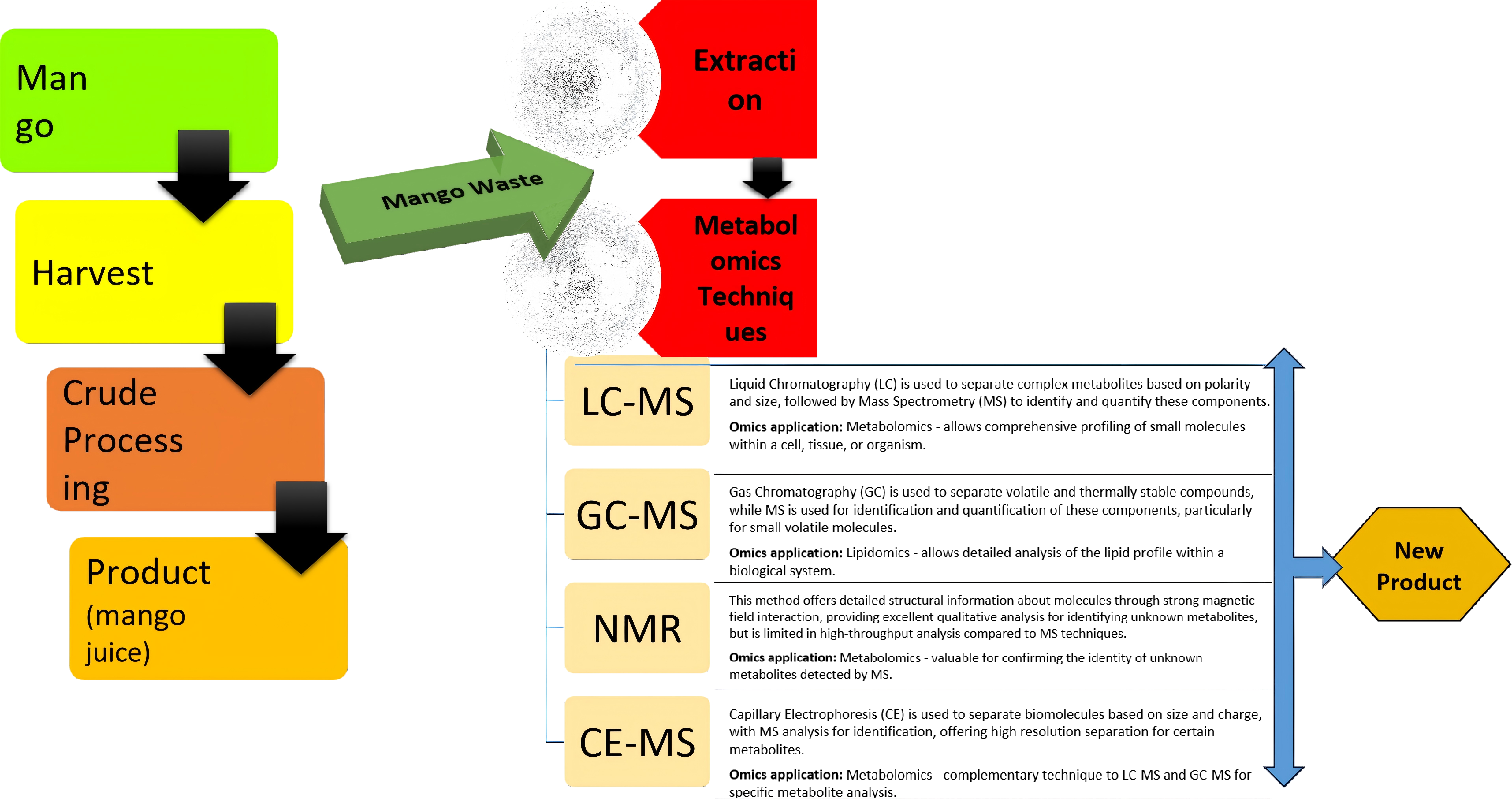
Figure 2. A Schematic Overview of the Application of Metabolomics in Mango Valorisation. (The Blue Line Represents the Multiple Steps that Might be Needed to Generate the Final Product).
3.5 Nutriomics
This emerging field specifically focuses on the relationship between nutrition and the genome, transcriptome, and metabolome. It utilizes various omics technologies to understand how dietary intake influences gene expression, metabolite profiles, and ultimately, physiological functions[62]. Currently, nutriomics research is in its early stages, with promising applications emerging in understanding the role of diet. As research progresses and technology advances, nutriomics holds immense potential for transforming the field of nutrition by providing a deeper understanding of the relationship between food, genes, and health, paving the way for personalized and preventive dietary strategies for optimal well-being[63].
Nutriomics is a valuable tool in the valorisation of mango pulp, providing insights into the impact of processing techniques on the nutritional and health-promoting properties of the derived products. It can be applied by understanding the mango pulp metabolome, evaluating processing effects, optimizing valorisation processes, tailoring valuing to specific health benefits, and developing functional food ingredients. By understanding how different valorisation methods affect the bioactive profile, researchers can create products with targeted health benefits, such as a product rich in antioxidants for chronic diseases[64]. Nutriomics data can also inform the development of functional food ingredients, which can enhance the nutritional value of final food products and deliver specific health benefits associated with identified bioactive compounds. For example, nutriomics analysis can reveal how different processing methods affect the levels of specific antioxidant compounds in the final product, allowing researchers to optimize the processing method to maximize the retention of these compounds.
Mango pulp's nutritional composition is influenced by the mango variety, locality and climatic conditions, and fruit maturity[31,33]. It contains a variety of macro- and micronutrients, including carbohydrates (16-18%), proteins, amino acids, lipids, organic acids, and dietary fiber[65]. Carbohydrates in mango include fructose, glucose, sucrose, starch, and pectin. Protein content in mango fruit is low (0.5-5%), with variations depending on the region of cultivation. The amino acids content varies with maturity level, region, and species.
Table 2. Average Nutrient Content of Mango
Nutrient |
Content |
Ref. |
Moisture (%) |
70.3-86.7 |
[66] |
Energy (Kcal) |
60 |
[67] |
Carbohydrate (g) |
16.20-17.18 |
[68] |
Protein (g) |
0.82 |
[67] |
Total lipid (g) |
1.40-2.48 |
[22] |
Fiber (g) |
1.6 |
[15] |
Total sugars (%) |
8.7-17.9 |
[66] |
Minerals |
|
|
Calcium (mg) |
11.0 |
[69] |
Magnesium (mg) |
10.0 |
[67] |
Potassium (mg) |
168 |
[69] |
Sodium (mg) |
1.0 |
[15] |
Zinc (mg) |
0.06-0.15 |
[31] |
Copper (mg) |
0.04-0.32 |
|
Selenium (mg) |
0-0.6 |
|
Vitamins |
|
|
Ascorbic acid (Vit C) |
13.2-92.8mg |
[31] |
Thiamine (Vit B1) |
0.03mg |
[69] |
Riboflavin (Vit B2) |
50.0mg |
[66] |
Nicotinic acid |
0.3mg |
|
Niacin( Vit B3) |
0.2-1.31mg |
[31] |
Organic acids |
|
|
Citric acid (%) |
0.7 |
[14] |
Mallic acid (%) |
0.5 |
4 FUTURE PERSPECTIVE
Mango waste is increasingly recognized as a valuable raw material for food compositions that are not only nutritional but also functional and nutraceutical, addressing critical economic, societal, and environmental issues. Mango by-products, such as peels and seeds, can be directly used as food ingredients or serve as sources of antioxidants, proteins, fats, vitamins, fibers, and minerals. More biomolecules can be extracted physically or chemically from mango waste to enhance its use in food products. To ensure microbiological and physicochemical stability, unitary drying operations are crucial during the valorisation process, reducing microbial hazards. Governments should actively promote the development of technologies and infrastructure necessary to support the utilization of food waste and by-products, particularly in areas dedicated to production and storage[70,71]. Omics technologies play a pivotal role in agricultural waste valorisation by enabling the molecular analysis of DNA, transcriptomics, proteomics, and metabolomics, thus identifying valuable biomolecules, optimizing microbial strains for waste conversion, and understanding the effects of processing. This approach can lead to the development of new functional and nutritive products from various waste streams, fostering a circular bioeconomy that maximizes resource value. Advanced metabolomic profiling can uncover novel bioactive compounds from lesser-explored mango varieties, expanding their applications in nutraceuticals and cosmetics. Integrating proteomics, metabolomics, and nutriomics to assess the bioavailability and stability of these compounds during processing will enhance the nutritional retention of functional foods. Precision fermentation and biotransformation through microbiome research and synthetic biology could optimize microbial strains for producing probiotics, bioactive peptides, or biofuels from agriculture and fruit waste. Genomic selection should focus on improving high-value traits in mango breeding programs, enhancing the nutritional quality of by-products. Sustainable extraction techniques using green chemistry methods, such as enzyme-assisted and supercritical fluid extraction, will further improve eco-friendly biomolecule recovery. Future research should also investigate nutrigenomics to tailor mango by-products for personalized nutrition, targeting metabolic diseases like diabetes and obesity. Conducting comprehensive Life Cycle Assessments and developing circular economy models will help evaluate the environmental and economic impacts of mango waste valorisation, ensuring sustainability. Expanding the application of mango by-products to non-food sectors, such as biomaterials, bioplastics, and biofuels, could also drive innovation across multiple industries. However, it is essential to consider the removal of toxic materials and anti-nutritional factors to fully capitalize on the potential of mango waste. Addressing these areas will not only unlock the health benefits of mango by-products but also contribute to sustainability, economic growth, and resource efficiency.
5 CONCLUSION
The rise of omics technologies has brought about a revolution in our understanding of biological systems by enabling the analysis of vast datasets across multiple biological layers. These technologies have provided a deeper understanding of complex disorders, such as cancers, and have expanded to include the analysis of various omics at the epigenetic level, molecular interactions, and disease-associated hallmarks. Their application has now extended to the study of mango fruit components—peels, pulp, and kernels—unlocking valuable insights into their nutritional composition, bioactive compounds, and potential health benefits. Nutriomics, metabolomics, and genomics, emerging fields that examine the relationship between nutrition and the genome, transcriptome, and metabolome, offer promising avenues for personalized and preventive dietary strategies. Proteomics technologies have been employed to identify bioactive proteins in mango kernels and other plant tissues, illuminating their potential health benefits. These advancements highlight the ability of omics technologies to bridge nutrition and genomics, thus fostering innovations in the development of functional foods and enhancing human health.
In particular, the utilization of omics in studying mango by-products has demonstrated their broad potential in the food, health, and industrial sectors. By revealing their rich content of antioxidants, proteins, fibres, and essential nutrients, omics studies contribute significantly to mango waste valorisation, transforming these by-products into high-value ingredients for nutraceuticals, functional foods, and other applications. Ultimately, the application of omics technologies into the research of mango fruit components holds great promise for the development of sustainable functional food products and the efficient valorisation of waste materials for diverse industrial uses, contributing to a more circular and bio-based economy. This approach will not only elevate the economic and nutritional value of mango by-products but also drive innovation across multiple industries, aligning with global sustainability goals.
Acknowledgements
The authors are thankful to Amity University Uttar Pradesh Lucknow Campus for academic and technical support.
Conflicts of Interest
The authors declared no conflict of interest.
Data Availability
Data sharing is not applicable to this review as no datasets were generated or analyzed during the current study.
Copyright Permissions
Copyright © 2025 The Author(s). Published by Innovation Forever Publishing Group Limited. This open-access article is licensed under a Creative Commons Attribution 4.0 International License (https://creativecommons.org/licenses/by/4.0), which permits unrestricted use, sharing, adaptation, distribution, and reproduction in any medium, provided the original work is properly cited.
Author Contribution
Singh S has done Literature search, Data collection, analysis & presentation, Initial analysis, Investigation, Writing of the original draft, Editing and Revision of the draft. Yadav P has done Literature search, Data collection, analysis & presentation, Investigation, Initial analysis, and Writing of the original draft. Dwivedi P has done Literature search, Data collection, analysis & presentation, Initial analysis, and Writing of the original draft. Singh A has done Conceptualization, Supervision, Validation, and Final review & editing of draft.
Abbreviation List
CI, Chilling injury
HPTLC, High-performance thin-layer chromatography
IB, Internal breakdown
MPP, Mango peel powder
MSK, Mango seeds kernel
MSKF, Mango seed kernel flour
ROS, Reactive oxygen species
References
[1] National Mango Database. Indian status of mango: area, production and productivity-growth pattern. Available at:[Web]
[2] Food and Agriculture Organization of the United States, Corporate Statistical Database (FAOSTAT). Production quantities of mangoes, mangosteens, and guavas. 2022.
[3] Altendorf S. Major tropical fruits market review 2017. Rome, FAO. 2019: pp. 1-10. Licence: CC BY-NC-SA 3.0 IGO.Available at:[Web]
[4] APEDA-Agricultural and Processed Food Products Export Development Authority. Products-Fresh fruits and vegetable: Mango. New Delhi, India: Ministry of Commerce and Industry, Government of India, 2022.
[5] Jahurul MHA, Zaidul ISM, Ghafoor K et al. Mango (Mangifera indica L.) by-products and their valuable components: A review. Food Chem, 2015; 183: 173-180. [DOI]
[6] Ajila CM, Naidu KA, Bhat SG et al. Bioactive compounds and antioxidant potential of mango peel extract. Food Chem, 2007; 105: 982-988.[DOI]
[7] Ajila CM, Jaganmohan Rao L, Prasada Rao UJS. Characterization of bioactive compounds from raw and ripe Mangifera indica L. peel extracts. Food Chem Toxicol, 2010; 48: 3406-3411.[DOI]
[8] Dai X, Shen L. Advances and trends in omics technology development. Front Med, 2022; 9: 911861.[DOI]
[9] Schena M, Shalon D, Davis RW et al. Quantitative monitoring of gene expression patterns with a complementary DNA microarray. Science, 1995; 270: 467-70.[DOI]
[10] Chakraborty S, Hosen MI, Ahmed M et al. Onco-Multi-OMICS approach: A new frontier in cancer research. Biomed Res Int, 2018; 2018: 9836256.[DOI]
[11] Torres-León C, Rojas R, Contreras-Esquivel JC et al. Mango seed: functional and nutritional properties. Trends Food Sci Technol, 2016; 55:109-117.[DOI]
[12] Mandha J, Shumoy H, Matemu AO et al. Valorization of mango by-products to enhance the nutritional content of maize complementary porridges. Foods, 2021; 10: 1635.[DOI]
[13] Kabir MR, Hasan SMK, Islam MR et al. Development of functional noodles by encapsulating mango peel powder as a source of bioactive compounds. Heliyon, 2024; 10: e24061.[DOI]
[14] Lebaka VR, Wee YJ, Ye W et al. Nutritional composition and bioactive compounds in three different parts of mango fruit. Int J Environ Res Public Health, 2021; 18: 741.[DOI]
[15] Lauricella M, Emanuele S, Calvaruso G et al. Multifaceted health benefits of Mangifera indica L. (mango): the inestimable value of orchards recently planted in Sicilian rural areas. Nutrients, 2017; 9: 525.[DOI]
[16] Yahia EM, Carrillo-Lopez A. Postharvest physiology and biochemistry of fruits and vegetables. Elsevier: Amsterdam, 2018.[DOI]
[17] Robles-Sánchez RM, Islas-Osuna MA, Astiazarán-García H et al. Quality index, consumer acceptability, bioactive compounds, and antioxidant activity of fresh-cut "Ataulfo" mangoes (Mangifera indica L.) as affected by low-temperature storage. J Food Sci, 2009; 74: S126-134.[DOI]
[18] Mène-Saffrané L. Vitamin E biosynthesis and its regulation in plants. Antioxidants, 2017; 7: 2.[DOI]
[19] Baddi J, Vijayalakshmi D, Durgannavar N et al. Mango peel: A potential source of natural bioactive phyto-nutrients in functional food. Asian J Dairy Food Res, 2015; 34: 75-77.[DOI]
[20] Xia H, Matharu AS. Unavoidable food supply chain waste: acid-free pectin extraction from mango peel via subcritical water. Faraday Discuss. 2017; 202: 31-42.[DOI]
[21] Wongkaew M, Chaimongkol P, Leksawasdi N et al. Mango peel pectin: recovery, functionality and sustainable uses. Polymers, 2021; 13: 3898.[DOI]
[22] Wongkaew M, Kittiwachana S, Phuangsaijai N et al. Fruit characteristics, peel nutritional compositions, and their relationships with mango peel pectin quality. Plants, 2021; 10:1148.[DOI]
[23] Macedo A, Gomes T, Ribeiro C et al. Membrane technology for valorization of mango peel extracts. Foods, 2022; 11: 2581.[DOI]
[24] Krishnamoorthy R, Hai A, Banat F. Subcritical water extraction of mango seed kernels and its application for cow ghee preservation. Processes, 2023; 11: 1379.[DOI]
[25] Sundararaman B, Muthuramu KL. A comparison of mango seed kernel powder, mango leaf powder, and Manilkara zapota seed powder for decolorization of methylene blue dye and antimicrobial activity. J Environ Biol, 2016; 37:1315-21.
[26] Choudhary P, Devi T, Tushir S et al. Mango seed kernel: A bountiful source of nutritional and bioactive compounds. Food Bioprocess Technol, 2022; 16: 1-24.[DOI]
[27] Mwaurah PW, Kumar S, Kumar N et al. Physicochemical characteristics, bioactive compounds and industrial applications of mango kernel and its products: a review. Compr Rev Food Sci Food Saf, 2020; 19: 2421-44.[DOI]
[28] Tharanathan RN, Yashoda HM, Prabha TN et al. Mango (Mangifera indica L.), “The King of Fruits”—an overview. Food Rev Int. 2006; 22:95-123.[DOI]
[29] Yatnatti S, Vijayalakshmi D, Chandru R et al. Processing and nutritive value of mango seed kernel flour. Curr Res Nutr Food Sci, 2014; 2: 170-175.[DOI]
[30] Kansci G, Bargui-Koubala B, Mbome-Lape I. Effect of ripening on the composition and suitability for jam processing of different varieties of mango (Mangifera indica). Afr J Biotechnol, 2003; 2: 301-6.[DOI]
[31] Maldonado-Celis ME, Yahia EM, Bedoya R et al. Chemical composition of mango (Mangifera indica L.) fruit: nutritional and phytochemical compounds. Front Plant Sci, 2019; 10: 1073.[DOI]
[32] Ajila CM, Prasada Rao UJS. Mango peel dietary fibre: Composition and associated bound phenolics. J Funct Foods, 2013; 5: 444-50.[DOI]
[33] Abbasi AM, Guo X, Fu X et al. Comparative assessment of phenolic content and in vitro antioxidant capacity in the pulp and peel of mango cultivars. Int J Mol Sci, 2015; 16: 13507-27.[DOI]
[34] Song M, Wang H, Fan Z et al. Advances in sequencing and key character analysis of mango (Mangifera indica L.). Hortic Res, 2022; 10: uhac259.[DOI]
[35] Cho WCS. Proteomics technologies and challenges. Genomics Proteomics Bioinformatics, 2007; 5: 77-85.[DOI]
[36] Juarez-Escobar J, Guerrero-Analco JA, Zamora-Briseño JA et al. Tissue-specific proteome characterization of avocado seed during postharvest shelf life. J Proteomics, 2021; 235: 104112.[DOI]
[37] Abril AG, Pazos M, Villa TG et al. Proteomics characterization of food-derived bioactive peptides with anti-allergic and anti-inflammatory properties. Nutrients, 2022; 14: 4400.[DOI]
[38] Mustafa MA-M, Sorour MA-H, Mehanni AHES et al. Amino acid profile, physico-chemical properties and fatty acids composition of some fruit seed kernels after detoxification. Chem Biol Technol Agric, 2023; 10: 37.[DOI]
[39] Jeevitha GC, Ramamoorthy S, Ahmad F et al. Recent advances in extraction methodologies for the valorization of mango peel wastes. Int J Food Prop, 2023; 26: 3492-511.[DOI]
[40] Liao DJ, Lu XP, Chen HS et al. Evaluation of four protein extraction methods for proteomic analysis of mango peel. Genet Mol Res, 2016; 15: gmr.15039006.[DOI]
[41] Mathiazhagan M, Chidambara B, Hunashikatti LR et al. Genomic approaches for improvement of tropical fruits: fruit quality, shelf life and nutrient content. Genes, 2021; 12: 1881.[DOI]
[42] Lim KJA, Cabajar AA, Lobarbio CFY et al. Extraction of bioactive compounds from mango (Mangifera indica L. var. Carabao) seed kernel with ethanol-water binary solvent systems. J Food Sci Technol, 2019; 56: 2536-44.[DOI]
[43] Patel S, Patel N, Sakure A et al. Detection of the potential of seed kernel for food industries through biochemical evaluation of diverse mango cultivars. Erwerbs-Obstbau, 2022; 65: 2427-35.[DOI]
[44] Kuhn DN, Bally ISE, Dillon NL et al. Genetic map of mango: A tool for mango breeding. Front Plant Sci, 2017; 8: 577.[DOI]
[45] Cortaga CQ, Lachica JAP, Lantican DV et al. Genome-wide SNP and InDel analysis of three Philippine mango species inferred from whole-genome sequencing. J Genet Eng Biotechnol, 2022; 20: 46.[DOI]
[46] Sharma N, Dubey AK, Ravishankar R et al. Mango nutrigenomics for nutritional security. In: Kole C, editor. Compend Crop Genome Des Nutraceuticals. Singapore: Springer; 2023.[DOI]
[47] Collard BC, Mackill DJ. Marker-assisted selection: An approach for precision plant breeding in the twenty-first century. Philos Trans R Soc Lond B Biol Sci, 2008; 363: 557-72.[DOI]
[48] Tafolla-Arellano JC, Zheng Y, Sun H et al. Transcriptome analysis of mango (Mangifera indica L.) fruit epidermal peel to identify putative cuticle-associated genes. Sci Rep, 2017; 7:46163.[DOI]
[49] Sanches AG, da Silva MB, Fernandes TFS et al. Reducing chilling injury in 'Palmer' mangoes submitted to quarantine cold treatment. J Sci Food Agric, 2022; 102:6112-22.[DOI]
[50] Sivankalyani V, Sela N, Feygenberg O et al. Transcriptome dynamics in mango fruit peel reveals mechanisms of chilling stress. Front Plant Sci, 2016; 7:1579.[DOI]
[51] Vega-Alvarez M, Salazar-Salas NY, López-Angulo G et al. Metabolomic changes in mango fruit peel associated with chilling injury tolerance induced by quarantine hot water treatment. Postharvest Biol Technol, 2020; 169:111299.[DOI]
[52] Sun J, Beger RD, Schnackenberg LK et al. Metabolomics as a tool for personalizing medicine: 2012 update. Pers Med, 2013; 10:149-61.[DOI]
[53] Tsoukalas D, Alegakis A, Fragkiadaki P et al. Application of metabolomics: focus on the quantification of organic acids in healthy adults. Int J Mol Med, 2017; 40:112-20.[DOI]
[54] Qiu S, Cai Y, Yao H et al. Small molecule metabolites: discovery of biomarkers and therapeutic targets. Signal Transduct Target Ther, 2023; 8: 132.[DOI]
[55] Wang JH, Byun J, Pennathur S et al. Analytical approaches to metabolomics and applications to systems biology. Semin Nephrol, 2010; 30: 500-11.[DOI]
[56] Hyötyläinen T, Wiedmer S. Chromatographic methods in metabolomics. Royal Society of Chemistry: London, UK, 2013.[DOI]
[57] Wu S, Wu D, Song J et al. Metabolomic and transcriptomic analyses reveal new insights into the role of abscisic acid in modulating mango fruit ripening. Hortic Res, 2022; 9: uhac102.[DOI]
[58] Oldoni FCA, Bernardo MP, Oliveira Filho JG et al. Valorization of mangoes with internal breakdown through the production of edible films by continuous solution casting. LWT, 2021; 145: 111339.[DOI]
[59] Srivastava P, Killadi B, Shanker K. Uni-dimensional double development HPTLC-densitometry method for simultaneous analysis of mangiferin and lupeol content in mango (Mangifera indica) pulp and peel during storage. Food Chem, 2015; 176: 91-8.[DOI]
[60] Pathak SR, Sarada R. Lipids of mango (Mangifera indica). Curr Sci, 1974; 43: 716-7.
[61] Deshpande AB, Anamika K, Jha V et al. Transcriptional transitions in Alphonso mango (Mangifera indica L.) during fruit development and ripening explain its distinct aroma and shelf life characteristics. Sci Rep, 2017; 7: 8711.[DOI]
[62] Raiten DJ, Combs GF, Steiber AL et al. Perspective: nutritional status as a biological variable (NABV): integrating nutrition science into basic and clinical research and care. Adv Nutr, 2021; 12: 1599-609.[DOI]
[63] Brennan L, de Roos B. Nutrigenomics: Lessons learned and future perspectives. Am J Clin Nutr, 2021; 113: 503-16.[DOI]
[64] Fenech M, El-Sohemy A, Cahill L et al. Nutrigenetics and nutrigenomics: Viewpoints on the current status and applications in nutrition research and practice. J Nutrigenet Nutrigenomics, 2011; 4: 69-89.[DOI]
[65] Lemmens L, Tchuenche ES, Van Loey AM et al. Beta-carotene isomerisation in mango puree as influenced by thermal processing and high-pressure homogenisation. Eur Food Res Technol, 2013; 236: 155-63.[DOI]
[66] Jha SN, Narsaiah K, Sharma AD et al. Quality parameters of mango and potential of non-destructive techniques for their measurement – A review. J Food Sci Technol, 2010; 47: 1-14.[DOI]
[67] Paudel A, Poudel P, Yogi M et al. Insights on the mango anthracnose and its management. J Plant Pathol Res, 2022; 4: 629.[DOI]
[68] Yahia EM, Ornelas-Paz JdJ, Brecht JK et al. The contribution of mango fruit (Mangifera indica L.) to human nutrition and health. Arab J Chem, 2023; 16: 104860.[DOI]
[69] Guiamba IRF. Nutritional value and quality of processed mango fruits. Chalmers University of Technology: Sweden, 2016.[DOI]
[70] Singh A, Singh A. Microbial degradation and value addition to food and agriculture waste. Curr Microbiol, 2022; 79: 119-36.[DOI]
[71] Capanoglu E, Nemli E, Tomas-Barberan F et al. Novel approaches in the valorisation of agricultural wastes and their applications. J Agric Food Chem, 2022; 70: 6787-804.[DOI]



 Copyright ©