
Soil Health: Concepts, Principles and Road Maps for Management in Regenerative Agriculture
Narayan Panda1, Kiran Kumar Mohapatra1, Shraddha Mohanty1, Kshitipati Padhan1, Sanjib Kumar Sahoo1, Prava Kiran Dash1, Debadatta Sethi1, Ajay Kumar Mishra2*
1Department of Soil Science, Odisha University of Agriculture and Technology, Bhubaneswar, India
2International Rice Research Institute, South Asia Regional Centre, Varanasi, India
*Correspondence to: Ajay Kumar Mishra, PhD, Senior Associate Scientist, International Rice Research Institute, South Asia Regional Centre, Varanasi, 221001, India; Email: a.k.mishra@irri.org
Abstract
Soil is a crucial nonrenewable resource for agriculture and has a direct impact on food security. However, the decline in crop yield post-Green Revolution suggested soil health deterioration due to soil degradation through harmful chemicals and anthropogenic activities. Therefore, restoring the health of the land and the environment is very important. In the last ten years, there has been a large increase in interest in soil health around the world. Many government, nongovernmental, and private sector groups are working on developing monitoring and assessment techniques. The concept of soil health is defined as the continuous capacity of soil to function as a vital ecosystem service supporting plants, animals, and humans. Biofertilizers, vermicompost, farmyard and green manure, and biopesticides are natural fertilizers that can be used instead of chemical fertilizers. This can help crops grow well while also being good for the land and climate. This brief study focused on soil health indicators such as soil biological, chemical, and physical properties and the urgent need for soil health restoration through the adoption of regenerative agriculture management practices.
Keywords: soil health, food security, ecosystem services, soil biology, regenerative agriculture
1 INTRODUCTION
Soil is a complex system in which the atmosphere, lithosphere, hydrosphere, and biosphere intersect each other, soil plays an important role in food production and acts as a cornerstone for Sustainability by providing essential societal and ecosystem services[1]. Certainly, the soil ecosystem is the essential foundation that fosters and supports life on Earth for plants, animals, and humans. It serves as a habitat for a variety of microorganisms, promoting their growth and facilitating nutrient maintenance. The sustenance of plant communities and the foundation of agriculture rely on soil nutrients, forming the essential basis for livelihoods. Ensuring the continued optimal functioning of soil and maintaining soil health is crucial for achieving optimal performance outcomes. In the past five decades, the combination of advancements in agricultural technology and rising population demands has heightened the strain on our soils. Globally, over 2 billion hectares of land have already experienced adverse effects, with current estimates from the FAO/UNEP indicating an annual land degradation rate averaging approximately 8 to 9 million hectares[2]. Land degradation stands out as a major threat to humanity, diminishing ecosystem productivity and exerting a broader impact on the climate[3]. The combined effects of desertification and soil erosion have led to an estimated 50% reduction in the productivity of certain lands. For instance, historical data indicate that losses attributed to soil erosion have varied from 2% to 40%, with a mean loss of 8.2% across major continents[3]. Similarly, the global yearly depletion of 75 billion tons of soil leads to a global economic loss of approximately US$400 billion per year, which equates to approximately US$70 per person per year[4]. Only 3% of the Earth's land surface is classified as Class I (prime), with a notable lack of such land in tropical regions[5]. Eight percent of countries fall into Class II and III categories[5]. Hence, efforts in research have focused on developing indicators for soil health, aiming to establish tools for monitoring its status and guiding effective management practices through regenerative agriculture to prevent degradation. This has sparked discussions surrounding the fundamental question: 'How can we define soil health? '. During the early 1990s, the concept of soil health emerged in the literature, with major contributions by Doran and Safely and Wienhold et al. highlighting the linked well-being of humans, animals, and the environment[6]. This concept was officially adopted for the first time by the Soil Science Society of America Ad Hoc Committee on Soil Quality (S-581)[7]. Soil health is currently characterized as "the sustained ability of soil to operate as a crucial living ecosystem that supports the well-being of plants, animals, and humans" (source: https://www.nrcs.usda.gov/wps/portal/nrcs/main/soils/health/). This definition involves assessing soil conditions through various indicators related to specific physical, chemical, and biological properties[1]. It hinges on the effective upkeep of four key functions: carbon transformations, nutrient cycles, soil structure maintenance, and the regulation of pests and diseases. Over the last decade, there has been a significant increase in coordinated activities aimed at properly defining and evaluating soil health and soil health assessment concepts. This surge includes comprehensive literature reviews[8,9]. The widespread acceptance of the soil health concept post-2010 may be attributed, at least in part, to its adaptability, allowing various stakeholders to interpret and apply it in their contexts. The collective engagement in these endeavors by government agencies, nongovernmental organizations, foundations, institutes, colleges and universities, public-private partnerships, and various other entities reflects a growing awareness of the imperative for global initiatives to safeguard and preserve the world's soil resources. More recently, policymakers have endorsed this concept, as evidenced by India's distribution of soil health cards to 100 million farmers and major companies initiating programs focused on soil health to enhance the sustainable management of their supply chains[1].
Understanding soil health is deeply rooted in the principles of regenerative agriculture, emphasizing the vital need to ensure that agricultural practices do not compromise other crucial ecosystem services essential for human well-being. In this context, we define healthy agricultural soil as one that can support the production of food and fiber at levels and qualities sufficient to meet human requirements. Simultaneously, essential ecosystem services that are crucial for maintaining human quality of life and conserving biodiversity must continue to be delivered. Our primary objective is to foster discussions on effective methods for assessing, monitoring, and, when necessary, restoring soil health. Importantly, we aim to highlight the pivotal role of soil health in guiding decisions related to both soil and crop management. This approach seeks to integrate sustainable agricultural practices, ensuring a balance between meeting current human needs and safeguarding the broader ecosystem for the well-being of present and future generations.
2 CONCEPT OF SOIL HEALTH
Soil is a complex structure that provides critical socioeconomic and ecological functions, plays a fundamental role in food production, and is of utmost importance for achieving Sustainability[10]. Sustainable development goals can be defined by other concepts, such as soil quality, soil fertility, and soil security. However, the concept of soil health is more specific than soil security but encompasses a wider scope than that of soil quality and soil fertility[1,11,12]. Soil health is defined as "the ability of soil to operate as an essential living system, supporting plant and animal productivity, preserving or improving air and water quality, and nurturing the health of plants and animals, all within the boundaries of ecosystems and land uses". The scientific framework relating to soil health encompasses three main components: conceptual understanding, the evaluation process, and management strategies. Soil health can be conceptualized as the persistent ability of soil to serve as a living ecosystem that supports the well-being of each soil component. The different concepts of soil health are given in Table 1. The presence of healthy soil contributes to various environmental benefits, including the supply of clean air and water, cultivation of abundant crops and forests, maintenance of productive grazing lands, promotion of diversified wildlife populations, and creation of aesthetically pleasing landscapes.
Table 1. The Concept of Soil Health Explained by Various Scientists
Sl. No. |
Remarks |
References |
1 |
Soil health can be expressed as the ability of humus obtained from manure to perform many functions, suggesting its potential as a comprehensive solution for sustaining soil health. |
[13] |
2 |
The capacity of soil to sustain extensive and diverse microbial populations, inhibit the growth of harmful diseases, and facilitate the healthy development of crops can be termed soil health. |
[14] |
3 |
The author establishes a correlation between soil health and human health, suggesting that there exists a sequential relationship wherein human health is influenced by the quality of soil nourishment. |
[15-19] |
4 |
Development of a novel approach for accessing and monitoring soil quality through the integration of various soil indicators (visual, physical, chemical, and biological). |
[20-22] |
5 |
Soil health encompasses the inherent potential of a soil ecosystem to demonstrate self-regulation, stability, resilience, and the lack of any indicators of stress. |
[23,24] |
6 |
The significance of agroforestry and organic cultivation in preserving and improving soil health over the long term. |
[25,26] |
7 |
Healthy soil is a dynamic living system that regulates the soil nutrient cycle, promotes decomposition, maintains water quality and plant productivity, and absorbs greenhouse gases. |
[27,28] |
8 |
The idea of soil health is closely associated with soil fertility, as well as the role of microorganisms in facilitating the enhancement of soil nutrient levels and promoting plant growth. |
[29] |
9 |
Soil security, including soil health and soil condition, characterizes manageable soil properties. |
[10,11,30,31] |
In general, the terms "soil health" and "soil quality" are often used synonymously. However, scientists have made a key distinction between the two concepts. The concept of soil quality can be described as the capacity of soil to function within ecosystem and land use boundaries to sustain productivity, maintain environmental quality, and promote plant and animal health[12]. Soil quality covers both inherent and dynamic aspects of soil. The inherent soil quality of a given soil relates to its natural arrangement and characteristics, including its texture. These characteristics are influenced by long-term natural factors and processes of soil formation and are generally beyond human control. Dynamic soil quality, which is equivalent to soil health, refers to soil properties that change as a result of human activities and management practices within a relatively short time frame. The concept of soil health encompasses the notion that soil is a complex ecosystem packed with diverse forms of life, demanding careful management to restore and sustain its optimal functioning capacity. Farmers generally prefer the term "soil health", whereas scientists generally prefer the term "soil quality". Both of these phases establish a connection between soil and several dimensions of health, including environmental health, human health, plant health, and animal health. Soils perform a range of functions through their inherent properties and processes, comprising five fundamental functions (Figure 1)[7,32,33]:
Regulation of water resources: Soil has a crucial role in regulating the direction and distribution of precipitation, including rain, snow, and irrigation water. The movement of water occurs either over the Earth's surface or via the soil medium.
Nutrient cycling: Soil serves as a reservoir and promotes the transformation and cycling of several nutrients, including nitrogen, phosphorus, carbon, etc.
Providing support and physical stability: The arrangement of soil particles contributes to the formation of a suitable environment for plant root growth. In addition to their primary function in supporting plant growth, soils also serve as a crucial foundation for human settlements and play a vital role in safeguarding valuable archaeological artifacts.
Filtering and buffering of contaminants: The minerals and microorganisms present in soil play a crucial role in the processes of filtration, buffering, degradation, immobilization, and detoxification of both organic and inorganic substances. These substances encompass a wide range of pollutants, such as industrial and municipal byproducts, as well as atmospheric deposits.
Preservation of plant and animal life: The diversity and efficiency of organisms are dependent upon the quality of the soil.
|
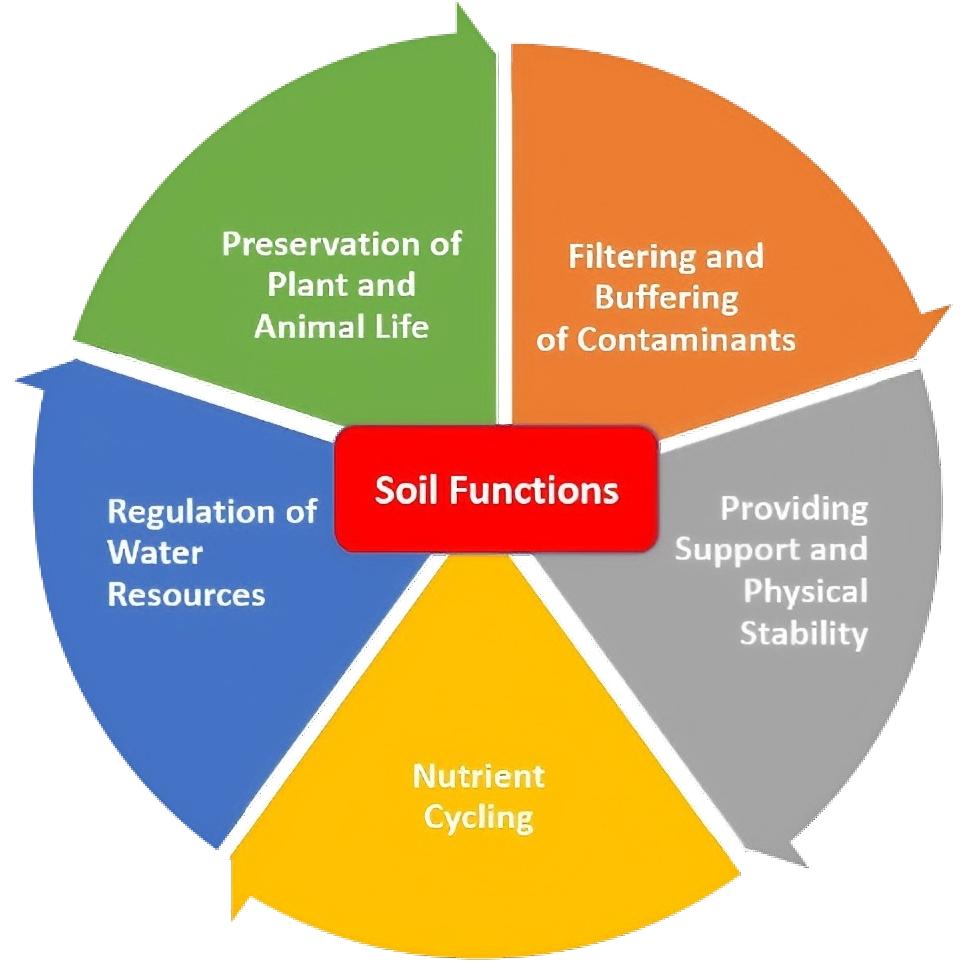
Figure 1. Several Functions of Soil in Agroecosystems.
The health condition of agricultural soil can be assessed by comparing its actual capacity to that of inhabitants of similar soils in the same region. This assessment is based on the ability of soil to sustain satisfactory crop productivity through the maintenance of nutrient cycling, soil biodiversity, carbon transformation, and the regulation of pests and diseases[34]. Agricultural soils that are considered healthy typically exhibit several key characteristics, including increased crop productivity, an optimum supply of nutrients, appropriate organic matter content, proper tilth and drainage, a greater prevalence of beneficial organisms than harmful pathogens, the ability to resist erosion and degradation, and freedom from contamination[35]. In contrast to soils that are less healthy, healthier soils typically exhibit a broader operational range and greater efficiency in converting inputs to outputs[36,37].
3 SOIL HEALTH INDICATORS
Soil health can be defined in terms of the physical, chemical, and biological health of the soil, which serves as an indicator of soil health. Physically healthy soil can provide water, oxygen, and strength to plants and ecosystems over time and can withstand and recover from processes that could reduce these qualities[38]. The biological health of the soil is defined as its capacity to harbor a wide variety of microbial communities, inhibit diseases, and healthily promote the growth of crops[39]. However, chemically healthy soil contains optimal amounts of plant nutrients in available form without interference from other chemical compounds or qualities[38]. A set of physical, chemical, and biological characteristics that act as indicators of soil health were examined to assess how well agricultural soils support crop production. The selection criteria for soil health indicators include the capacity to show changes in soil function, ease of sampling and measurement, general user accessibility and interpretability, appropriate field conditions, and sensitivity to climatic and management variables[40].
The properties of the soil that were chosen as possible indicators of soil health were categorized into three groups based on their simplicity in use and relative relevance to soil functions: Tier 1 indicators have gained widespread acceptance; Tier 2 indicators require further research to enhance adoption; and Tier 3 indicators show promise in reflecting soil health; however, more research is necessary to improve measurement, interpretation, and utilization[40]. To date, only Tier 1 indicators, which are listed in Table 2, are used in agricultural soil health assessments.
Table 2. Types of soil health indicators considering the simplicity of use and proportional relevance to soil functions
Soil health indicators |
Criteria |
Examples |
Tire 1 |
Widely accepted to indicate soil health Sensitive to management and land use strategies for enhancing soil function |
Soil texture Soil bulk density Soil aggregate stability Available water-holding capacity Saturated hydraulic conductivity Soil pH Soil electrical conductivity Cation exchange capacity Base saturation Extractable P, Ca, Mg, K, Fe, Mn, Cu, Zn Extractable Al, As, B, Ba, Cd, Co, Cr, Mo, Ni, Pb, Si, Sr Soil total nitrogen content Nitrogen mineralization rate Soil organic carbon content Short-term carbon mineralization Crop yield |
Tire 2 |
Proved to be pertinent to soil health Required strategic improvement More investigation is required for additional validation |
Soil sodium adsorption ratio Macroaggregate stability Soil stability index Soil active carbon Soil protein index Soil N-acetyl-_-D glucosaminidase Soil phosphomonoesterase Soil arylsulfatase Soil phospholipid fatty acid (PLFA) profile Soil fatty acid methyl ester (FAME) profile Soil microbial genomics Soil reflectance |
Tire 3 |
Possesses the ability to serve as a soil health indicator More research is required before users can feel enough confident in its measurement, application and interpretation |
Soil microbial community structure Soil microbial DNA extraction and sequencing |
Notes: Reprinted (Adapted) from Ref.[40] with Permission from Soil Systems.
4 FACTORS AFFECTING SOIL HEALTH INDICATORS
4.1 Vegetative Cover
Vegetative cover, as indicated by the NDVI, had clear positive effects on two biological indicators—carbon mineralization (Cmin) and potential mineralized nitrogen (PMN). The NDVI, which is derived from satellite remote sensing, is utilized to predict soil organic carbon (SOC) and total soil nitrogen (TSN) at various levels since it captures plant growth and biomass accumulation[41]. The strong correlation between the NDVI and the soil-labile C and N pools can be attributed to the substantial biomass yield from these fields[42].
4.2 Aridity
Aridity is a critical determinant of most soil health indicators, except POXC and PMN. In particular, aridity had a positive correlation with Cmin and a negative correlation with SOC, TSN, Ca, P, and wet aggregate stability (WAS). The findings on the major effects of aridity on soil health are expected, as research has long established the impact of aridity on soil physical conditions and biological activities, given its link to water availability and geochemical processes[43]. The detrimental effects of aridity on SOC and TSN are consistent with the findings of many studies[43,44], which showed how low water availability can restrict plant growth and biomass accumulation. Physical weathering may be more influenced by aridity than by biological solubilization processes, which affect the amount of available P[43]. Therefore, physical weathering may enhance available P in dryland areas. In addition, aridity primarily affects the physical processes of soil, with its effects only being observed for one biological property—Cmin. Specifically, it was concluded that there was a positive correlation between aridity and Cmin, as CO2 in soil respiration was adversely correlated with aridity[42].
4.3 Soil Clay Content
One further important factor affecting soil health is the amount of clay in the soil. Most soil health indices, such as SOC, TSN, Ca, POXC (permanganate oxidizable carbon), and Cmin, are positively impacted by soil clay concentration, but available P is negatively impacted. Clay with a large surface area and high content of organometal complexes facilitates SOC stabilization[42,45]. Thus, the presence of clay in the soil serves as a cementing agent, facilitating the binding of nutrients and fostering the formation of aggregates that enhance soil stability[46]. Surprisingly, WAS was not influenced by the clay content; this may be related to the effect of crop residue quality on WAS on field crop farms. While fine-textured soils may be susceptible to soil compaction[47], numerous studies have found low penetration resistance with high soil clay content. Therefore, soil texture may not be the only factor limiting WAS in managed fields; there may also be an interaction effect between clay content and tillage practices on soil compaction.
4.4 Mean Annual Temperature
Temperature can influence soil health indicators because it affects the freeze-thaw cycle, rate of decomposition, and biomass production from crops[48,49]. Generally, there is a negative correlation between temperature and SOC and TSN due to declining decomposition rates because lower temperatures protect stable SOC and TSN pools from mineralization[50]. According to some research, Mean annual temperature (MAT) did not influence the spatial variance in the SOC or TSN values in farmed fields[51,52]. In contrast to SOC and TSN, POXC and PMN are soil health indicators that are significantly affected by temperature variation[42]. More precisely, many studies revealed a negative correlation between MAT PMN and POXC, indicating that farmers in the warmest regions must closely monitor organic inputs to develop labile pools of C and N.
4.5 Soil pH
Soil pH controls a variety of soil characteristics and plays a vital role in supplying soil nutrients in agroecosystems[53,42]. SOC and TSN pool degradation was greater under slightly acidic conditions, as previously shown by Dlamini et al. in their meta-analysis of SOC in semiarid soils[54]. Tu et al. confirmed that the pH of the soil increases SOC and TSN. It also affects P availability, which is minimal in extremely alkaline or highly acidic soil[42].
4.6 Crop Diversity
According to a meta-analysis by McDaniel et al., rotational fields had considerably greater SOC values than did monoculture fields[55]. In contrast, rotationally diverse corn fields and monoculture corn fields did not differ significantly in terms of SOC and TSN levels[56]. Culman et al. observed higher Cmin and PMN during the rotation of corn, soybeans, and wheat than under continuous corn[57]. Similarly, Balota et al. noted higher Cmin and PMN during soybean cycles because soybean residue has a lower C:N ratio than corn residue[58]. In a long-term study, Diederich et al. reported significantly greater POXC in perennial cropping systems[59]. The aggregate stability was significantly greater in fields with a variable crop history, which is consistent with the high WAS in grass and mixed perennial-annual systems[60]. Extensive field research has demonstrated that rotational diversity and cover crops improve soil aggregate stability because the biochemical diversity of residues and varied root system architectures enhance soil biological processes[61,46]. Fields with high crop diversity, which typically includes cover crops, have great aggregate stability[42].
4.7 Tillage Intensity
High tillage intensity results in the disintegration of soil macro aggregates and elevated oxidization[62]. POXC was significantly greater in shallow tillage and no-till systems on loam soil than in conventional tillage systems in an 11-year long-term wheat monocropping system[42]. POXC was greater under reduced tillage than under natural treatment in a three-year field experiment in two silty loam soils, including a cover crop-soybean‒corn system, which is shifting to organic systems[63]. The most important fraction of N for crop growth, i.e., PMN, was found to be moderately enhanced by tillage intensity. PMNs are regulated by factors such as temperature and water content, two variables through which tillage can change through physical disturbance.
5 PRINCIPLE AND MANAGEMENT TO REJUVENATE SOIL HEALTH
Soil health is a critical component of sustainable agriculture and environmental stewardship. Healthy soils are essential for supporting plant growth, nutrient cycling, water filtration, and overall ecosystem resilience. The principles and management of soil health involve a holistic approach that integrates various practices to enhance and maintain the vitality of the soil.
5.1 Principles of Soil Health
The principles underpinning soil health delineate a paradigm for sustainable soil stewardship, elevated fertility, structure, and overarching ecological robustness. These six fundamental tenets are paramount:
5.1.1 Maintaining Soil Cover
Cover crops are cultivated botanicals designed to provide both soil coverage and enhancement[64]. They can function as living or decomposed mulch on the soil surface, or alternatively, they may be incorporated into the soil as green manure[64,65]. According to the Soil Science Society of America, cover crops are characterized as "close-growing crops that confer soil protection and augmentation during intervals between typical crop production or in spaces between trees in orchards and vines in vineyards"[66]. Cover crops can alter soil properties by amplifying organic matter, particularly in scenarios involving mixtures with a high C:N ratio. This subsequently increases soil nutrients available for succeeding crops[67]. Furthermore, cover crops augment nitrogen availability through biological N fixation and retain surplus soil N for the subsequent growing season[68]. The heightened levels of soil carbon and nitrogen resulting from cover crops play a pivotal role in mitigating the adverse impacts of global warming by fostering the sequestration of atmospheric CO2 and N2O[66]. When integrated with conservation tillage practices, cover crops constitute a comprehensive system that optimizes both soil quality and crop production[69].
5.1.2. Minimize Soil Perturbation
The judicious restriction of soil disturbance, particularly through the adoption of reduced tillage or no-till methodologies, serves to safeguard soil architecture while mitigating disruptions to the habitats of soil-dwelling organisms[70]. Excessive or unwarranted tillage practices can cause soil compaction, erosive tendencies, and a decrease in overall soil vitality. Restraining disturbance augments water infiltration promotes root development, and increases nutrient cycling efficacy[71].
5.1.3 Foster Plant Biodiversity
The augmentation of plant diversity within agricultural systems via practices such as crop rotation and the integration of cover crops cultivates a heterogeneous environment. Distinct crops possess unique root structures, nutrient requirements, and interactions with soil microorganisms. This diversity underpins a harmonized and resilient ecosystem, diminishing susceptibility to pestilence and malady outbreaks. Moreover, it enhances nutrient cycling intricacies, fortifying the fabric of soil health[72].
5.1.4 Sustaining the Presence of Continuous Roots
Prolonged sustenance of living plant roots within the soil throughout the year assumes pivotal importance for soil health. The perpetuity of root growth perpetuates the vitality of the soil microbial community, generating organic matter through root exudates. This dynamic principle buttresses the vibrancy and diversification of microbial populations, which are pivotal for effective nutrient cycling, disease suppression, and amelioration of soil structure[73].
5.1.5 Optimize Nutrient and Water Management
Efficient nutrient management entails the judicious application of fertilizers calibrated against soil test outcomes and the specific demands of crops[74]. Prudent nutrient management mitigates the perils associated with overapplication, circumventing nutrient imbalances and environmental contamination. Concomitantly, astute water management, encompassing practices that curtail water usage and runoff during irrigation, constitutes a pivotal safeguard against soil waterlogging and drought-induced stress[75].
5.1.6 Incorporate Organic Residues
The assimilation of organic matter originating from plant and animal residues, encompassing crop remnants, cover crop biomass, and animal manure, assumes a foundational role in nurturing and sustaining soil organic matter[76]. Organic matter enrichment serves to ameliorate soil structure, augment water retention capacities, and enhance nutrient accessibility. Furthermore, it functions as a nutritive substrate, fostering the vigor and diversity of soil microorganisms[77].
5.2 Management to Improve Soil Health
5.2.1 Soil organic Matter
One foundational principle of soil health management revolves around the importance of soil organic matter. OM derived from plant and animal residues plays a crucial role in soil structure, water retention, and nutrient availability[78]. Management practices that enhance organic matter include cover cropping, the incorporation of crop residues, and the application of compost and manure[79]. These practices contribute to improved soil structure, moisture retention, and microbial activity[76].
5.2.2 Conservation Tillage and Soil Structure
Conservation tillage practices are integral to maintaining soil structure and preventing erosion. Excessive or improper tillage can disrupt soil aggregates, leading to the degradation of soil structure[80]. Reduced tillage or no-till practices help preserve soil integrity by minimizing disturbance. This approach promotes water infiltration, reduces soil erosion, and enhances the habitat for soil organisms. Farmers adopting conservation tillage contribute to the long-term health of their soils[81].
5.2.3 Crop Rotation and Nutrient Management
Crop rotation is a fundamental principle for sustainable soil management. Growing a variety of crops in a sequence helps break pest and disease cycles and prevents the depletion of specific nutrients[82]. Nutrient management is closely linked to crop rotation, as different crops have varying nutrient requirements. Soil testing is a key tool in nutrient management, allowing farmers to apply fertilizers judiciously and avoid nutrient imbalances[83]. This principle ensures optimal plant nutrition and reduces the risk of nutrient runoff into water bodies.
5.2.4 Water Management and Soil Health
Effective water management is critical for maintaining soil health, especially in regions prone to water scarcity or excess. Efficient irrigation practices, such as drip or precision irrigation, help conserve water and prevent soil compaction. Improper water management can lead to waterlogging or drought stress, both of which can negatively impact soil structure and microbial activity. Integrating water conservation practices into overall soil health management contributes to sustainable agricultural systems[84].
5.2.5 Continuous Monitoring and Adaptive Management
Soil health is dynamic and influenced by various factors, such as climate, land use practices, and biological interactions. Continuous monitoring of soil health indicators (Figure 2), including soil moisture, nutrient levels, and microbial activity, is crucial for making informed management decisions. Adopting an adaptive management approach allows farmers to respond to changing conditions and optimize soil health over time[85].
|
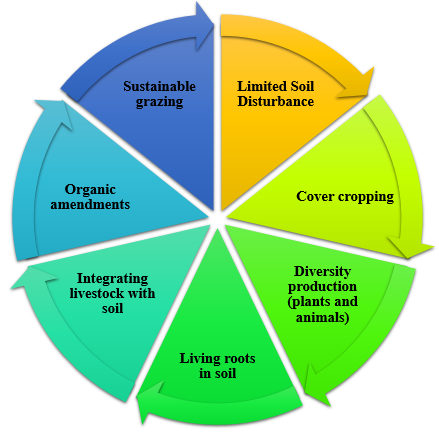
Figure 2. Soil Health for Sustainable Productivity.
6 FUTURE DIRECTIONS IN SOIL HEALTH RESEARCH
The Sustainability of future agriculture relies on how efficaciously we assess soil health today and how convincingly we practice the approaches that are essential for improving soil health in the long run[86]. Soil health is inclusively and exclusively interlinked with three major aspects, i.e., food security, human health, and environmental impacts. There is still a knowledge gap in soil health research and in terms of the adoption of management strategies by growers. One of the major setbacks for farmers to adopt something sustainable is the lack of knowledge of the possible outcome in terms of yield, savings on the use of costly fertilizers, and overall farm economy. In reality, farmers are interested in the economic returns from their farms, both immediate and long-term benefits[87]. Concerning the probable financial benefits that one may gain by adopting nature-friendly management approaches, only a very small proportion of farmers will come forward to take risks. Future directions for soil health research are discussed below.
Quantifying soil health is still a challenge for soil analyzers. Despite tremendous discussion on soil biodiversity and biological indicators, the majority of soil health measurements still rely on the analysis of chemical indicators. Biological indicators account for less than 20% of all indicators. A key reason behind the reduced use of biological indicators and other ecosystem services as indicators of soil health assessment is the lack of proper understanding of soil biota and soil functions and the difficulty in quantifying these properties. Hence, future research should focus on including an increasing number of these potential indicators in soil health assessments.
Improving our understanding of soil health, ecosystem services, and multifunctionality is essential[88]. Standardizing effective but easily measurable indicators, integrating the most effective indicators into indices, and finally embedding them into suitable replicable models to extract user-friendly outcomes are needed.
Soil health indicators need to be concise and as detailed as possible. For example, more comprehensive parameters, such as C and N fractions, earthworm population, aggregation stability, infiltration, heavy metals, nitrogen-mineralizing enzymes, and microbial activity, can be explored as potential soil health indicators.
The set of parameters to be used as soil health indicators must be based on soil health goals, viz., crop production, human health, water quality, and environmental impacts. Thus, there is a need to revise and comprehensively outline the soil health indicators for specific purposes.
Indicators that are relevant to nonagricultural soil services such as water quality, greenhouse gas emissions, and human health also need to be measured as a part of soil health assessments. For example, mobile toxins, heavy metals, parasites, pathogens, etc., are relevant for human health. Similarly, the amount of different greenhouse gas emissions and the carbon sequestration potential of soils are key indicators of the impacts of climate change.
Quantitative estimations of several soil properties, including soil biota diversity and molecular, structural, and genetic diversity, are still lacking. Hence, advanced analytical and conceptual techniques such as rapid infrared assays, detector technologies, electrochemistry, genomics, biosensors, remote sensing, and other sensor-based assessments must be employed for accurate and quick assessments of soil health indicators[89]. Moreover, new-age data analysis techniques such as machine learning, data mining, and deep learning need to be employed to analyze complex linear and nonlinear datasets.
Instead of soil health indicators, increasingly holistic soil health indices involving a comprehensive soil-health framework need to be standardized for easy interpretation, analysis, and recommendation concerning improving soil health.
Standardization with scientific validation of soil health indicators or indices for specific goals, methodological approaches, and their interpretation guidelines at different levels, such as regional, national, and international levels, is essential for taking up soil health-based research at the next level. Moreover, it must be taken into consideration that interpretations differ across uncontrollable factors such as soil type and climate variability[90]. Hence, specific guidelines for interpretations that consider the above factors will have to be designed.
Large-scale discussions, meetings among stakeholders (such as land managers, farmers, agribusiness entrepreneurs, researchers, and policymakers), and training scientists regarding soil health research will help bridge the research gaps in the coming years.
Identifying and analyzing the true barriers to the adoption of research knowledge, innovation, and technologies by growers is essential for facilitating better acquisition of practices favorable for soil health. Industry-academia collaboration is needed alongside discussion, and feedback from growers is necessary to make real-world recommendations concerning soil health-based practices.
Education and outreach are the keys to local adoption of soil health management[39]. Therefore, strong extension activities such as soil health workshops and surveys, which can showcase easily adaptable sustainable ways to enhance soil health and quantify the corresponding short- and long-term benefits, are needed. Establishing clear-cut broader Sustainability goals will help motivate agricultural practitioners to follow soil health management approaches.
7 CONCLUSION
This chapter focuses on the integral role of soil in supporting ecosystem services for humans. This chapter argues that soil health should be viewed as the capacity of soil to deliver a range of ecosystem functions and services, surpassing conventional notions of agriculture as solely a source of food production. Conventional agricultural practices, such as pesticide use and tillage, along with androgenic activity, can impact the soil biological community, disrupting its functions. With this in mind, monitoring soil health using suitable indicators such as organic carbon, bulk density, pH, soil depth, water holding capacity, and electrical conductivity with modern tools and technologies is essential for sustainable soil management. The authors suggested emphasizing regenerative agriculture management for better ecosystem functions and balancing food production with soil conservation, water quality, and greenhouse gas emissions. The chapter acknowledges that sustainable solutions depend on local circumstances and the willingness of society to invest in soil maintenance. This study concludes by advocating for a globally acceptable concept of regenerative agriculture that accommodates diverse practices and aligns with both excess-resource and inadequate-resource trajectories of change for better soil health.
Acknowledgements
Not applicable.
Conflicts of Interest
The authors declared no conflict of interest.
Author Contribution
Panda N was responsible for conceptualization, methodology design, data analysis, and manuscript preparation. Mohapatra KK supervised the fieldwork, acquired data, and critically reviewed the manuscript. Mohanty S conducted laboratory analysis, performed the literature review, and contributed to manuscript drafting. Padhan K curated the data, carried out statistical analysis, and prepared figures and tables. Sahoo SK undertook investigation, managed the project, and revised the manuscript. Dash PK assisted in fieldwork, validated data, and contributed to visualization. Sethi D contributed to the interpretation of results, technical writing, and proofreading. Mishra AK provided overall supervision, acquired funding, and gave final approval of the manuscript.
Abbreviation List
Cmin, Carbon mineralization
MAT, Mean annual temperature
PMN, Potential mineralized nitrogen
SOC, Soil organic carbon
TSN, Total soil nitrogen
WAS, Wet aggregate stability
Reference
[1] Lehmann J, Bossio DA, Kögel-Knabner I et al. The concept and future prospects of soil health. Nat Rev Earth Env, 2020; 1: 544-553.[DOI]
[2] Gomiero T. Soil degradation, land scarcity and food security: Reviewing a complex challenge. Sustainability, 2016; 8: 281.[DOI]
[3] AbdelRahman MAE. An overview of land degradation, desertification and sustainable land management using GIS and Remote Sens applications. Rendiconti Lincei. Sci Fis, 2023; 34: 767-808.[DOI]
[4] Alam A. Soil degradation: a challenge to sustainable agriculture. Int J Sci Res Agr Sci, 2014; 1: 50-55.[DOI]
[5] Osman KT. Soil degradation, conservation and remediation. Dordrecht: Springer: Netherlands, 2014.[DOI]
[6] Wienhold BJ, Andrews SS, Karlen DL. Soil quality: a review of the science and experiences in the USA. Environ Geochem Hlth, 2004; 26: 89-95.[DOI]
[7] Karlen DL, Mausbach MJ, Doran JW et al. Soil quality: a concept, definition, and framework for evaluation (a guest editorial). Soil Sci Soc Am J, 1997; 61: 4-10.[DOI]
[8] Bünemann EK, Bongiorno G, Bai Z, et al. Soil quality–A critical review. Soil Biol Biochem, 2018; 120: 105-125.[DOI]
[9] Karlen DL, Rice CW. Soil degradation: Will humankind ever learn?. Sustainability, 2015; 7: 12490-12501.[DOI]
[10] Jian J, Du X, Stewart RD. A database for global soil health assessment. Sci Data, 2020; 7: 16.[DOI]
[11] McBratney A, Field DJ, Koch A. The dimensions of soil security. Geoderma, 2014; 213: 203-213.[DOI]
[12] Doran JW, Safley M. Defining and assessing soil health and sustainable productivity. CABI Digital Library, 1997.
[13] Wallace H. Relation between live stock farming and the fertility of the land. 1910.
[14] Brackin R, Schmidt S, Walter D et al. Soil biological health-What is it, and how can we improve it? 39th Conference of the Australian Society of Sugar Cane Technologists, ASSCT 2017. Australian Society of Sugar Cane Technologists. Cairns, Australia, 3-5 May 2017. 2017, 39: 141-154.
[15] Wrench GT. Health and the soil. Brit Med J, 1939; 1: 276.[DOI]
[16] Bennett HH. Adjustment of agriculture to its environment. Ann Assoc Am Geogr, 1943; 33: 163-198.[DOI]
[17] Brevik EC, Burgess LC. Soils and human health. CRC Press: USA, 2012.[DOI]
[18] Brevik EC, Sauer TJ. The past, present, and future of soils and human health studies. Soil, 2015; 1: 35-46.[DOI]
[19] Brevik EC, Steffan JJ, Burgess LC et al. Links between soil security and the influence of soil on human health. Global Soil Secur, 2017: 261-274.[DOI]
[20] Halvorson JJ, Smith JL, Papendick RI. Integration of multiple soil parameters to evaluate soil quality: a field example. Biol Fert Soils, 1996; 21: 207-214.[DOI]
[21] Van Bruggen AHC, Semenov AM. In search of biological indicators for soil health and disease suppression. Appl Soil Ecol, 2000; 15: 13-24.[DOI]
[22] Idowu J, Ghimire R, Flynn R et al. Soil Health: Importance, Assessment, and Management. College of Agricultural, Consumer and Environmental Sciences: Urbana, USA, 2019.
[23] Katyal JC, Datta SP, Golui D. Global review on state of soil health. Soil Health, 2016: 1.
[24] Cardoso EJBN, Vasconcellos RLF, Bini D et al. Soil health: looking for suitable indicators. What should be considered to assess the effects of use and management on soil health?. Sci Agr, 2013; 70: 274-289.[DOI]
[25] Scofield AM. Organic farming—the origin of the name. Biol Agric Hortic, 1986; 4: 1-5.[DOI]
[26] Swaminathan MS. The promise of agroforestry for ecological and nutritional security. Agroforestry, 1987: 25.
[27] Klingebiel AA, Montgomery PH. Land Capability Classification. Agricultural Handbook No. 210. US Department of Agriculture, Soil Conservation Service, 1961.
[28] M. Tahat MM. Alananbeh K, A. Othman Y et al. Soil health and sustainable agriculture. Sustainability, 2020; 12: 4859.[DOI]
[29] Brevik EC. A brief history of the soil health concept. Soil Science Society of America: Madison, USA, 2018.
[30] Montanarella L. Agricultural policy: Govern our soils. Nature, 2015; 528: 32-33.[DOI]
[31] Derpsch R, Friedrich T. Sustainable crop production intensification–the adoption of conservation agriculture worldwide. Proc. 16th ISCO Conf, Santiago, Chile, November 2010, 2010: 265-293.
[32] Andrews SS, Karlen DL, Cambardella CA. The soil management assessment framework: a quantitative soil quality evaluation method. Soil Sci Soc Am J, 2004; 68: 1945-1962.[DOI]
[33] Nortcliff S. Standardisation of soil quality attributes. Agr Ecosyst Environ, 2002; 88: 161-168.[DOI]
[34] Karlen DL, Veum KS, Sudduth KA et al. Soil health assessment: Past accomplishments, current activities, and future opportunities. Soil Till Res, 2019; 195: 104365.[DOI]
[35] Norris CE, Congreves KA. Alternative management practices improve soil health indices in intensive vegetable cropping systems: a review. Front Env Sci-Switz, 2018; 6: 50.[DOI]
[36] Kibblewhite MG, Ritz K, Swift MJ. Soil health in agricultural systems. Philos T R Soc B, 2008; 363: 685-701.[DOI]
[37] Allen DE, Singh BP, Dalal RC. Soil health indicators under climate change: a review of current knowledge. Soil Health Clim Change, 2011: 25-45.[DOI]
[38] Shahane AA, Shivay YS. Soil health and its improvement through novel agronomic and innovative approaches. Front Agron, 2021; 3: 680456.[DOI]
[39] Wu D, Wang W, Yao Y et al. Microbial interactions within beneficial consortia promote soil health. Sci Total Environ, 2023: 165801.[DOI]
[40] Guo M. Soil health assessment and management: Recent development in science and practices. Soil Syst, 2021; 5: 61.[DOI]
[41] Zhang Y, Guo L, Chen Y et al. Prediction of soil organic carbon based on Landsat 8 monthly NDVI data for the Jianghan Plain in Hubei Province, China. Remote Sens, 2019; 11: 1683.[DOI]
[42] Tu X, DeDecker J, Viens F et al. Environmental and management drivers of soil health indicators on Michigan field crop farms. Soil Till Res, 2021; 213: 105146.[DOI]
[43] Delgado-Baquerizo M, Maestre FT, Gallardo A et al. Decoupling of soil nutrient cycles as a function of aridity in global drylands. Nature, 2013; 502: 672-676.[DOI]
[44] Jiao F, Shi XR, Han FP et al. Increasing aridity, temperature and soil pH induce soil CNP imbalance in grasslands. Sci Rep, 2016; 6: 19601.[DOI]
[45] Swanepoel CM, Rötter RP, Van der Laan M et al. The benefits of conservation agriculture on soil organic carbon and yield in southern Africa are site-specific. Soil Till Res, 2018; 183: 72-82.[DOI]
[46] Mpeketula PMG, Snapp SS. Structural stability conditions soil carbon gains from compost management and rotational diversity. Soil Sci Soc Am J, 2019; 83: 203-211.[DOI]
[47] Nunes MR, Denardin JE, Pauletto EA et al. Mitigation of clayey soil compaction managed under no-tillage. Soil Till Res, 2015; 148: 119-126.[DOI]
[48] Johnson KD, Harden J, McGuire AD et al. Soil carbon distribution in Alaska in relation to soil-forming factors. Geoderma, 2011; 167: 71-84.[DOI]
[49] Rottler CM, Steiner JL, Brown DP et al. Agricultural management effects on soil health across the US Southern Great Plains. J Soil Water Conserv, 2019; 74: 419-425.[DOI]
[50] Morrow JG, Huggins DR, Reganold JP. Climate change predicted to negatively influence surface soil organic matter of dryland cropping systems in the inland Pacific Northwest, USA. Front Ecol Evol, 2017; 5: 10.[DOI]
[51] Liu Z, Shao M, Wang Y. Effect of environmental factors on regional soil organic carbon stocks across the Loess Plateau region, China. Agr Ecosyst Environ, 2011; 142: 184-194.[DOI]
[52] Liu ZP, Shao MA, Wang YQ. Spatial patterns of soil total nitrogen and soil total phosphorus across the entire Loess Plateau region of China. Geoderma, 2013; 197: 67-78.[DOI]
[53] Penn CJ, Camberato JJ. A critical review on soil chemical processes that control how soil pH affects phosphorus availability to plants. Agriculture, 2019; 9: 120.[DOI]
[54] Dlamini P, Chivenge P, Chaplot V. Overgrazing decreases soil organic carbon stocks the most under dry climates and low soil pH: A meta-analysis shows. Agr Ecosyst Environ, 2016; 221: 258-269.[DOI]
[55] McDaniel MD, Tiemann LK, Grandy AS. Does agricultural crop diversity enhance soil microbial biomass and organic matter dynamics? A meta‐analysis. Ecol Appl, 2014; 24: 560-570.[DOI]
[56] Zuber SM, Behnke GD, Nafziger ED et al. Crop rotation and tillage effects on soil physical and chemical properties in Illinois. Agron J, 2015; 107: 971-978.[DOI]
[57] Culman SW, Snapp SS, Freeman MA et al. Permanganate oxidizable carbon reflects a processed soil fraction that is sensitive to management. Soil Sci Soc Am J, 2012; 76: 494-504.[DOI]
[58] Balota EL, Colozzi Filho A, Andrade DS et al. Long-term tillage and crop rotation effects on microbial biomass and C and N mineralization in a Brazilian Oxisol. Soil Till Res, 2004; 77: 137-145.[DOI]
[59] Diederich KM, Ruark MD, Krishnan K et al. Increasing labile soil carbon and nitrogen fractions require a change in system, rather than practice. Soil Sci Soc Am J, 2019; 83: 1733-1745.[DOI]
[60] Mann C, Lynch D, Fillmore S et al. Relationships between field management, soil health, and microbial community composition. Appl Soil Ecol, 2019; 144: 12-21.[DOI]
[61] Kravchenko AN, Guber AK, Razavi BS et al. Microbial spatial footprint as a driver of soil carbon stabilization. Nat Commun, 2019; 10: 3121.[DOI]
[62] Chen J, Zhu R, Zhang Q et al. Reduced-tillage management enhances soil properties and crop yields in a alfalfa-corn rotation: Case study of the Songnen Plain, China. Sci Rep, 2019; 9: 17064.[DOI]
[63] Lewis DB, Kaye JP, Jabbour R et al. Labile carbon and other soil quality indicators in two tillage systems during transition to organic agriculture. Renew Agr Food Syst, 2011; 26: 342-353.[DOI]
[64] Benedict C, Cogger CG, Andrews NN. Methods for successful cover crop management in your home garden. Washington State University Extension Fact Sheet FS119E, 2014; 1-9.
[65] Finney DM, Buyer JS, Kaye JP. Living cover crops have immediate impacts on soil microbial community structure and function. J Soil Water Conserv, 2017; 72: 361-373.[DOI]
[66] Hubbard RM, Rhoades CC, Elder K et al. Changes in transpiration and foliage growth in lodgepole pine trees following mountain pine beetle attack and mechanical girdling. Forest Ecol Manag, 2013; 289: 312-317.[DOI]
[67] Schomberg HH, Reeves DW, Fisher DS et al. Evaluating stocker cattle in a Southern Piedmont conservation tillage cotton-cover crop system to increase productivity. Multi Conserv, 2009: 98.
[68] O'Reilly KA, Lauzon JD, Vyn RJ et al. Nitrogen cycling, profit margins and sweet corn yield under fall cover crop systems. Can J Soil Sci, 2012; 92: 353-365.[DOI]
[69] Fageria NK, Baligar VC, Bailey BA. Role of cover crops in improving soil and row crop productivity. Commun Soil Sci Plan, 2005; 36: 2733-2757.[DOI]
[70] Islam R, Reeder R. No-till and conservation agriculture in the United States: An example from the David Brandt farm, Carroll, Ohio. Int Soil Water Conse, 2014; 2: 97-107.[DOI]
[71] Iqbal B, Li G, Alabbosh KF et al. Advancing environmental Sustainability through microbial reprogramming in growth improvement, stress alleviation, and phytoremediation. Plant Stress, 2023: 100283.[DOI]
[72] Kaul S, Choudhary M, Gupta S et al. Engineering host microbiome for crop improvement and sustainable agriculture. Front Microbiol, 2021; 12: 635917.[DOI]
[73] Hartmann M, Six J. Soil structure and microbiome functions in agroecosystems. Nat Rev Earth Env, 2023; 4: 4-18.[DOI]
[74] Meena BP, Biswas AK, Singh M et al. Long-term sustaining crop productivity and soil health in maize–chickpea system through integrated nutrient management practices in Vertisols of central India. Field Crop Res, 2019; 232: 62-76.[DOI]
[75] Cornelis W, Waweru G, Araya T. Building resilience against drought and floods: The soil-water management perspective. Sustainable Agriculture Reviews 29: Sustainable Soil Management: Preventive and Ameliorative Strategies, 2019: 125-142.[DOI]
[76] Fu B, Chen L, Huang H et al. Impacts of crop residues on soil health: A review. Env Pollut Bioavail, 2021; 33: 164-173.[DOI]
[77] Shah AM, Khan IM, Shah TI et al. Soil microbiome: a treasure trove for soil health Sustainability under changing climate. Land, 2022; 11: 1887.[DOI]
[78] Lal R. Soil organic matter and water retention. Agron J, 2020; 112: 3265-3277.[DOI]
[79] Bolinder MA, Crotty F, Elsen A et al. The effect of crop residues, cover crops, manures and nitrogen fertilization on soil organic carbon changes in agroecosystems: a synthesis of reviews. Mitig Adapt Strat Glob Chang, 2020; 25: 929-952.[DOI]
[80] Liu Z, Cao S, Sun Z et al. Tillage effects on soil properties and crop yield after land reclamation. Sci Rep, 2021; 11: 4611.[DOI]
[81] Blanco-Canqui H, Wortmann CS. Does occasional tillage undo the ecosystem services gained with no-till? A review. Soil Till Res, 2020; 198: 104534.[DOI]
[82] Chahal I, Hooker DC, Deen B et al. Long-term effects of crop rotation, tillage, and fertilizer nitrogen on soil health indicators and crop productivity in a temperate climate. Soil Till Res, 2021; 213: 105121.[DOI]
[83] Borase DN, Nath CP, Hazra KK et al. Long-term impact of diversified crop rotations and nutrient management practices on soil microbial functions and soil enzymes activity. Ecol Indic, 2020; 114: 106322.[DOI]
[84] Tiwari AK, Mishra H, Nishad DC et al. Sustainable water management in agriculture: irrigation techniques and water conservation. Res Trends Agr Sci, 2023; 53.
[85] Stott DE. Recommended soil health indicators and associated laboratory procedures. Soil Health Tech Note, 2019.
[86] M. Tahat M, M. Alananbeh K, A. Othman Y et al. Soil health and sustainable agriculture. Sustainability, 2020; 12: 4859.[DOI]
[87] Rejesus RM, Aglasan S, Knight LG et al. Economic dimensions of soil health practices that sequester carbon: Promising research directions. J Soil Water Conserv, 2021; 76: 55A-60A.[DOI]
[88] Silva AMM, Araújo VLVP, Cardoso EJBN. Revisiting the past to understand the present and future of soil health in Brazil. Front Soil Sci, 2023; 3: 1172436.[DOI]
[89] Karlen DL. Soil health: Evolution, assessment, and future opportunities. Soil and water conservation: A celebration of 75 years. 2020. Available at:[Web]
[90] Cano A, Núñez A, Acosta-Martinez V et al. Current knowledge and future research directions to link soil health and water conservation in the Ogallala Aquifer region. Geoderma, 2018; 328: 109-118.[DOI]
Copyright © 2024 The Author(s). This open-access article is licensed under a Creative Commons Attribution 4.0 International License (https://creativecommons.org/licenses/by/4.0), which permits unrestricted use, sharing, adaptation, distribution, and reproduction in any medium, provided the original work is properly cited.



 Copyright ©