
Interface Structure Regulation Techniques for Low Pt Catalysts in Hydrogen Evolution Reaction
Dezheng Guo1, Alexander Syuy2, Dmitry Shtarev3, Aleksey Arsenin2, Andrey Vyshnevyy2, Yuan Gao1,4*
1College of Automotive and Energy Engineering, Tongji University, Shanghai, China
2Center for Photonics and 2D Materials, Moscow Institute of Physics and Technology, Dolgoprudny, Russia
3St. Petersburg State University, Petersburg, Russia
4Chinesisch-Deutsches Hochschulkolleg, Tongji University, Shanghai, China
*Correspondence to: Yuan Gao, PhD, Associate Professor, College of Automotive and Energy Engineering, Tongji University, No. 4800 Caoan Road, Jiading District, Shanghai, 201804, China; Email: yuangao@tongji.edu.cn
DOI: 10.53964/id.2026012
Abstract
The hydrogen evolution reaction (HER) is the core reaction of energy conversion technologies such as electrochemical hydrogen production, and the development of high-efficiency catalysts is the key to promoting its large-scale application. Pt-based catalysts have become benchmark materials for HER due to their excellent catalytic activity and stability, but the high cost of Pt severely limits their large-scale commercial application. To address the core issues of high cost and low atom utilization efficiency of Pt-based catalysts, electronic structure regulation, element regulation, and interface regulation have emerged as three core optimization strategies. This review systematically summarizes the research progress of these three regulation strategies in Pt-based HER catalysts: electronic structure regulation improves the intrinsic catalytic activity of Pt by adjusting the d-band center and optimizing charge distribution; element regulation achieves the balance between catalytic performance and cost through atomic doping, nitridation, and optimization of loading amount and component composition; interface regulation enhances the efficiency of electron transfer and mass transport by constructing heterojunctions, creating defect sites, and optimizing the interaction between support substrates. The reaction mechanisms of various regulation strategies are elaborated, providing a reference for the rational design and application of high-efficiency, low-cost, and stable Pt-based HER catalysts.
Keywords: Pt, hydrogen evolution reaction, electronic structure regulation, element regulation, interface regulation
1 INTRODUCTION
With the growing global energy crisis and environmental pollution, the development of clean, efficient and sustainable new energy to partially replace traditional fossil fuels has become an urgent and important issue[1-5]. Hydrogen energy is regarded as an ideal clean energy owing to its zero-pollution combustion products and high energy density[6-11]. Breakthroughs in high-efficiency hydrogen production technologies are of great significance for the transformation of the global energy structure. hydrogen evolution reaction (HER) acts as the core elementary reaction of electrochemical water splitting, fuel cells and other energy conversion devices, and its catalytic performance directly determines the practical application prospect of related technologies[12-16].
Both Pt-based and non-Pt-based catalysts play important roles in the HER, and researchers have devoted substantial efforts to developing both non-Pt and Pt-based materials. Non-Pt-based catalysts include transition metals (MoS₂), transition metal phosphides (CoP, Ni₂P), carbides (WC, Mo₂C), nitrides (Co₄N), and MXenes (Ti₃C₂Tₓ)[17]. However, these non-Pt-based materials still exhibit certain gaps compared to Pt in terms of intrinsic catalytic activity and stability under harsh operating conditions. Pt-based catalysts have long been recognized as the benchmark electrocatalysts for HER due to their extraordinary intrinsic activity and satisfactory stability. Nevertheless, the exorbitant price of Pt severely restricts its large-scale commercial deployment[18-22].
To address the inherent drawbacks of Pt-based catalysts, such as high cost and low atom utilization, tremendous efforts have been devoted to optimizing their catalytic performance[23-25]. Optimizing only the intrinsic activity of Pt active sites is insufficient, as the actual HER performance is also constrained by electrode-level electron transfer and mass transport processes. Therefore, interface regulation is necessary. Among them, electronic structure regulation, element regulation and interface regulation have emerged as three dominant modulation strategies[26-32]. The electronic structure fundamentally governs the adsorption energy of reaction intermediates, reaction energy barriers and catalytic kinetics of active sites[33-38]. Rational modulation via d-band center tuning and charge distribution optimization can precisely enhance the intrinsic catalytic activity of Pt. Element regulation, including atomic doping, nitridation, as well as the optimization of metal loading and component composition, enables a favorable balance between catalytic performance and economic cost while reducing Pt consumption[38-42]. Interface regulation, such as constructing heterojunctions, creating defect sites and optimizing metal–support interaction, provides rapid pathways for electron transfer and mass transport, and simultaneously improves the utilization efficiency of active sites[43-49].
In recent years, benefiting from the innovation of advanced characterization techniques and the rapid progress of theoretical calculations, the underlying mechanisms of various modulation strategies have been gradually clarified[50-57]. A series of high-performance Pt-based HER electrocatalysts have been successfully designed and synthesized, advancing the development of Pt-based catalysts toward high efficiency, low cost and long-term stability[58-63]. This review systematically summarizes the research progress of electronic structure regulation, interface regulation (heterojunction, defect, support matrix) and element regulation (atomic regulation, nitridation regulation, loading regulation, ratio regulation) in Pt-based HER catalysts[64-69]. The advantages and mechanisms of different modulation strategies are elaborated, the existing challenges are analyzed, and future research directions are prospected. This work aims to provide a theoretical reference for the rational design and industrial application of high-efficiency Pt-based HER electrocatalysts (Figure 1)[70-74].
|
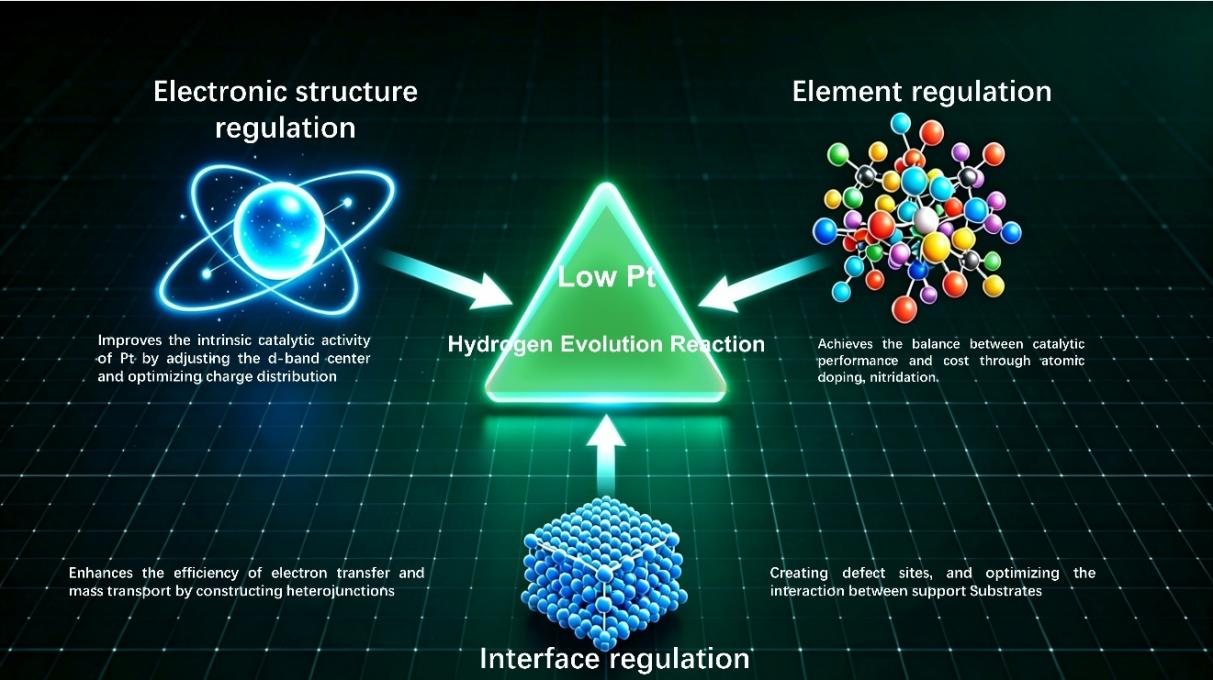
Figure 1. Schematic Illustration of Three Core Regulation Strategies for Pt-based HER Catalysts.
2 HER MECHANISM AND CHARACTERIZATION
2.1 HER Mechanism
HER refers to an elementary reaction in electrochemical systems, in which protons or water molecules are reduced on the catalyst surface to produce hydrogen gas. It serves as the core fundamental reaction for electrochemical hydrogen production, fuel cells, water electrolyzers and other energy conversion technologies[74-79]. The HER mechanism varies significantly in acidic and alkaline electrolytes.
In acidic media (Equations 1 and 2), the reaction proceeds primarily through proton adsorption (Volmer step), followed either by hydrogen atom recombination (Tafel step) or proton–adsorbed hydrogen coupling (Heyrovsky step)[80-86].
$$ \text{H}^{+}+\mathit{e}^{-}=\text{H}^{\ast}\left(1\right)$$
$$ \text{H}^{\ast}+\text{H}^{+}+\mathit{e}^{-} = \text{H}_{2}\left(2\right)$$
In alkaline environments (Equations 3 and 4), water molecules must first dissociate into protons and hydroxyl species before undergoing subsequent hydrogen formation, leading to much slower reaction kinetics[87-93].
$$ \text{H}_{2}\text{O}+\mathit{e}^{-}=\text{H}^{\ast}+{\text{OH}}^{-}\left(3\right)$$
$$ {\text{H}^{\ast}+\text{H}}_{2}\text{O}+\mathit{e}^{-}=\text{H}_{2}+{\text{OH}}^{-}\left(4\right)$$
The catalytic performance of HER is mainly governed by the number of active sites, electronic structure, surface adsorption energy and reaction energy barrier of the catalyst[94-101]. High-performance electrocatalysts can effectively reduce the reaction overpotential and accelerate the reaction rate, thereby improving hydrogen production efficiency and lowering energy consumption[102-110]. At present, a major research focus of HER is to develop efficient, stable and low-cost catalysts, so as to overcome the application limitations of conventional noble-metal-based catalysts (represented by Pt-based catalysts) and promote the large-scale practical deployment of hydrogen energy technologies[111-116].
2.2 HER Characterization
It is well known that conventional ex-situ characterization only acquires static information of catalysts before and after reactions and fails to capture transient changes during catalysis. Therefore, operando XPS, in-situ Raman, XAFS and various synchrotron-based spectroscopic techniques serve as critical tools to track dynamic evolution of electronic structures under working conditions. These advanced characterizations can identify interfacial electron transfer between Pt-based catalysts and supports under practical electrolysis environments. Benefiting from high-energy synchrotron radiation, atomic-scale evolutions such as d-band center shift can be resolved, providing direct experimental evidence to clarify the intrinsic mechanism of enhanced HER activity via interface regulation.
3 ELECTRONIC STRUCTURE REGULATION
HER serves as a core reaction in electrochemical energy conversion and hydrogen production, and its catalytic performance directly determines the application prospect of related technologies[117-119]. The electronic structure of catalysts is a pivotal factor affecting the catalytic activity, stability and reaction kinetics of HER. Precise regulation of electronic structures, such as d-band center modulation, charge distribution optimization manipulation, can effectively optimize the surface hydrogen adsorption energy and reduce the reaction energy barrier, thereby remarkably boosting the HER catalytic performance. In recent years, extensive systematic studies have been focused on the electronic structure regulation of HER catalysts, and various modulation strategies and design protocols have been proposed, providing important theoretical and experimental support for the development of high-efficiency HER catalysts (Table 1).
Table 1. Performance of Electronic Structure Regulation
Catalyst Composition |
The Mass Activity |
Overpotential |
Stability |
Condition |
Au₈₁Pd₂Pt₉- |
\ |
4mV @ η10 |
Acid |
|
Fe/Pt–O@MKABC[125] |
17mV @ η10 |
\ |
Acid |
|
Pt SAs/Mo-PtNi/C[126] |
\ |
300h @ η500 |
Acid |
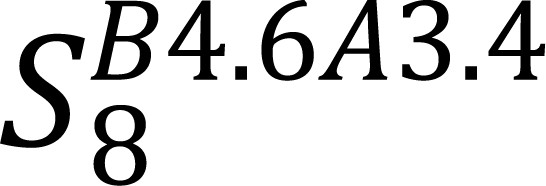
Electronic structure modulation is the core strategy to improve the catalytic performance of HER. Fan et al.[120] fabricated Au₈₁Pd₂Pt₉-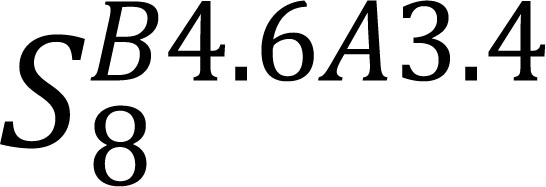 aerogels with synergistic bridging
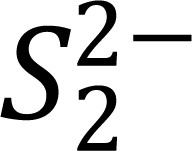 and apical S²⁻ ligands. The as-obtained catalyst achieves accelerated HER kinetics under acidic conditions, with an overpotential of only 4mV at a current density of 10mA cm⁻². Regulating the ligand ratio offers a novel route toward enhanced HER activity. In addition, the in-situ formation of appropriate PtS and Pd–Pt alloys on the outermost surface greatly improves the antioxidant capability of the catalyst[120].
In addition via ligand engineering, the synergistic design of metal components can also realize the precise modulation of electronic structure, thereby enhancing HER catalytic activity. Li et al.[121] proposed a novel NiO₂–Ni4–Pd catalyst design and systematically investigated its HER activity and corresponding reaction mechanism through DFT calculations. Under the optimal configuration of four square-planar Ni atoms (NiO₂–Ni₄–Pd), the reaction energy barriers of the Volmer and Tafel steps were reduced by 0.36eV and 0.34eV, respectively, for models with different Ni atomic contents. This effect unbalances the surface charge distribution and induces local electronic heterogeneity on the Pd shell surface, further demonstrating the doping threshold effect of the Ni-ensemble tetragon in improving HER reaction kinetics[121].
In alkaline HER systems, surface passivation of catalysts can undermine the stability of electronic structure, thus deteriorating the catalytic performance. Yu et al.[122] synthesized ultralong Pt₈₅Mo₁₅–Se nanowires for alkaline HER. The introduction of Se with low electronegativity effectively inhibits surface passivation and optimizes the HER performance of Pt. On the one hand, DFT results reveal that substituting oxygen with selenium as a surface modifier can greatly reduce the energy barrier of the water dissociation process. On the other hand, comprehensive XPS analysis combined with theoretical calculations demonstrates that Se can maintain an electron-rich state around the electron orbitals of Pt[122].
Electron transfer between the support and active metals serves as an important route for electronic structure modulation, which can effectively optimize the surface hydrogen adsorption energy of catalysts. Laghrissi and Es-Souni[123] fabricated Au nanorod (Au-NR) supported Pd and Pt nanocatalysts toward the HER. Significant electron transfer occurs between Au-NRs and the active metals (Pt and Pd). The sputtering of ultra-thin Pt and Pd layers on Au-NRs modulates the surface hydrogen adsorption energy of the catalyst. DFT calculations reveal that the interfacial electronic interaction between Au and Pd enables the hydrogen adsorption energy to reach appropriate values at all possible active sites, thereby accelerating barrier-free hydrogen adsorption and subsequent recombination into molecular hydrogen[123].
Constructing synergistic active sites enables the co-modulation of electronic structure through interfacial interactions, thereby improving the catalytic efficiency of the HER. Xiao et al.[124] fabricated Ni(HCO₃)₂ nanoplates (NHC) with horizontal interfacial sites including NiO, NiOOH, NiCOO and Ni(OH)₂. These sites act as hydroxyl adsorption centers and can anchor Pt nanoparticles for hydrogen adsorption, ultimately establishing synergistic active sites (NHC-Pt) toward HER catalysis. XPS and EXAFS results confirm that NHC modulates the chemical state and electronic structure of Pt nanoparticles via the formation of Pt–O bonds, which reduces the reaction energy barrier and facilitates hydrogen adsorption as well as H–H bond formation (Figure 2). In addition, DFT calculations reveal that the hydroxide-related process is the rate-determining step. The hierarchical NHC-Pt nanostructure exhibits outstanding HER activity in pH-universal electrolytes. Such performance enhancement originates from the optimized electronic configuration of Pt, hydroxyl migration on the NHC substrate, and the synergistic effect between NHC carriers and Pt nanoparticles[124].
|
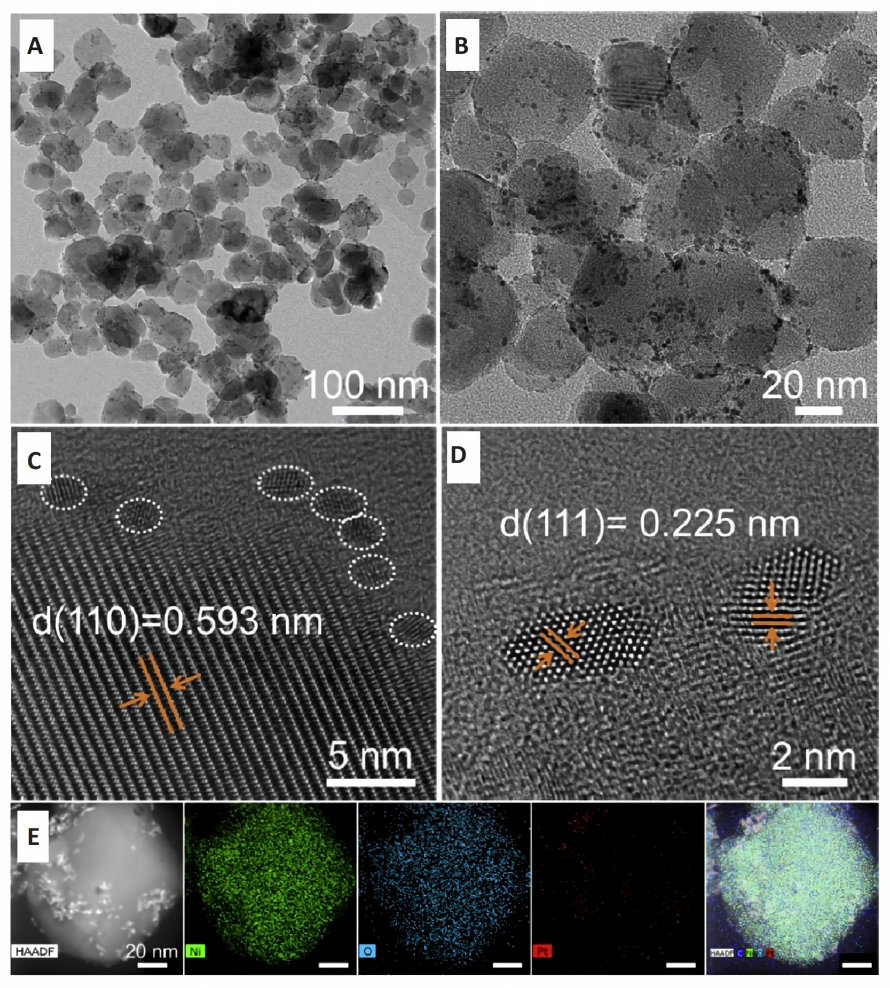
Figure 2. TEM, HAADF-TEM and EDS Characterization of NHC-Pt-3. TEM Image of NHC-Pt-3 at the Scale Bar of (A) 100nm and (B) 20nm. (C, D) HAADF-TEM Images of NHC-Pt-3 Nanomaterials. (E) HAADF-STEM Image and the Corresponding EDS Elemental Mapping of NHC-Pt-3. Reproduced from Ref.[124] with permission from Elsevier.
In Pt-based catalysts, regulating Pt–Oₓ bonds via transition metal doping to reconstruct the local electronic state is an effective electronic structure modulation strategy for balancing charge distribution and enhancing the intrinsic activity of noble metals. Yang et al.[125] developed an efficient blue coke-based electrocatalyst (Fe/Pt–O@MKABC). Highly porous and oxygen-rich activated blue coke powder was adopted as a favorable carbon support, while Fe as a transition metal was introduced to regulate Pt–Oₓ bonding. The catalyst delivers an overpotential of only 17mV at 10mA cm⁻² under acidic conditions, along with an impressive mass activity of 8.3A cm⁻² mg at 50mV. Detailed spectroscopic analysis and theoretical calculations demonstrate that the incorporation of Fe induces electronic rearrangement in Fe/Pt–O@MKABC, accelerates electron transfer, and reduces the adsorption free energy of H*. The electronic interaction between Fe–Oy and Pt–Oₓ further promotes the HER catalytic performance[125].
Introducing trace noble metals to construct heterogeneous interfaces can realize electronic structure regulation, and further activate the catalytic activity of the substrate. Niu et al.[126] constructed Pt/NiCoP interfaces by introducing Pt with a minimal molar ratio of 1% (Figure 3). The as-prepared catalyst achieves ultra-low overpotentials of 26.5mV and 181.6mV in 1M KOH solution. XPS, soft X-ray absorption spectroscopy (sXAS) and X-ray absorption fine structure (XAFS) characterizations verify that the valence states of Co and Ni and effectively activates their catalytic sites are reduced. DFT calculations further confirm that the catalytic pathway of NiCoP can switch from the Heyrovsky step (2.71eV) to the Tafel step (0.51eV) near the Pt site, which is consistent with the results obtained by in-situ electrochemical impedance spectroscopy (EIS) and scanning electrochemical microscopy (SECM)[126].
|
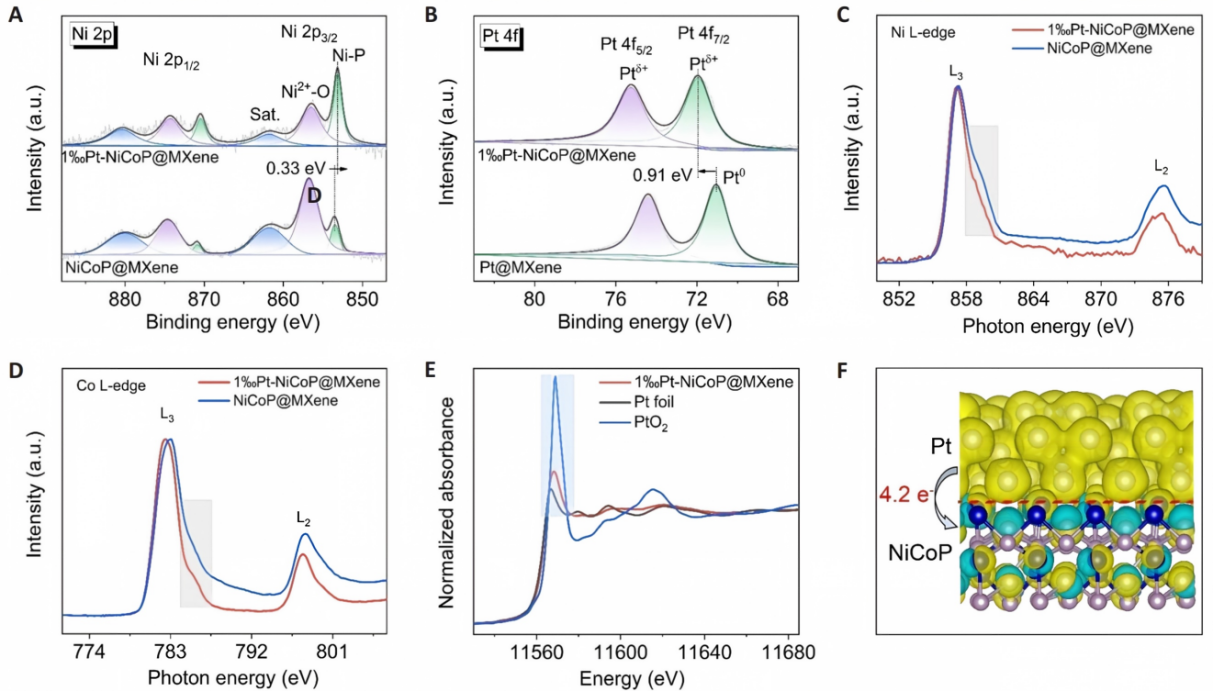
Figure 3. XPS, sXAS, XANES and DFT Calculations of 1 ‰ Pt NiCoP@MXene and Reference Samples. (A) High-resolution Ni 2p, and (B) Pt 4f XPS spectra from 1 ‰ Pt NiCoP@MXene, and NiCoP@MXene or Pt@MXene; (C) Ni L-edge, and (D) Co L-edge sXAS spectra of 1 %Pt NiCoP@MXene and NiCoP@MXene; (E) Normalized XANES at the Pt L3-edge for 1 ‰ Pt NiCoP@MXene. PtO2 and Pt foil were used as reference; (F) Differential charge density for the sample with yellow and cyan separately indicating positive and negative charge (Isosurface value is 0.05e A-3). Reproduced from Ref.[126] with permission from Wiley.
Regulating the surface charge of catalysts exerts a significant influence on the thermodynamics and kinetics of electrochemical reactions. Based on DFT calculations, Kong et al.[127] developed an improved version of the grand-canonical potential kinetics (GCP-K) method to explore the influence of surface charge on reaction thermodynamics and kinetics. Taking the HER on the Pt(111) surface as a model system, the evolution of surface charge during the reaction and its kinetic regulation mechanism were systematically analyzed. In the Tafel pathway, the net electron inflow into the catalyst stabilizes the canonical energy while destabilizing the charge-dependent grand-canonical component[127].
In summary, electronic structure modulation serves as a core strategy to enhance HER catalytic performance. A variety of modulation pathways have been well established, including ligand regulation, component synergy, elemental modification, and construction of synergistic active sites. The combination of experimental investigations and theoretical calculations provides solid support for revealing the underlying modulation mechanisms and designing advanced electrocatalysts.
4 ELEMENT REGULATION
Pt-based catalysts are regarded as the benchmark candidates for HER catalysis owing to their outstanding intrinsic activity. Nevertheless, the scarcity and high cost of Pt severely restrict their large-scale practical application. As a core strategy to optimize the electronic structure, enhance catalytic activity and reduce Pt consumption, element regulation can precisely tailor the active sites, electron distribution and reaction kinetics of catalysts through multiple approaches, including atomic regulation, nitridation regulation, loading regulation and ratio regulation. It provides important guidance for the development of high-efficiency, cost-effective and stable Pt-based HER electrocatalysts. In recent years, numerous systematic studies have focused on element modulation strategies and proposed a series of innovative regulation methods, which have steadily promoted the performance improvement of Pt-based HER catalysts (Table 2).
Table 2. Performance of Element Regulation
Catalyst Composition |
The Mass Activity |
Overpotential |
Stability |
Condition |
Pt@Co SAs-ZIF-NC[128] |
0.48A per mgPt |
0.917V |
\ |
Acid |
Pt SAs/Mo-PtNi/C[129] |
\ |
59mV @ η10 |
\ |
Alkaline |
Pt SAs/Mo-PtNi/C[129] |
\ |
38mV @ η10 |
\ |
Acid |
Pt/Ni-SP[130] |
0.33A mg⁻¹(Pt) |
0.05V |
\ |
Alkaline |
RuO₂ || Pt1+n/Ni3S2[131] |
\ |
1.7V @ η100 |
60h @ η100 |
Alkaline |
Atomic regulation is an important branch of element modulation. By precisely controlling the atomic-scale distribution, coordination environment and interaction of Pt and doped heteroatoms, it can effectively optimize the electronic structure of catalysts and further improve their HER catalytic activity and stability. Liang et al. adopted the isolation effect between Co single atoms and Pt, the strong electronic interaction between Co single atoms and Pt, as well as the confinement effect of porous carbon matrices derived from metal–organic frameworks. Pt species were uniformly immobilized on porous N-doped carbon derived from ZnCo-ZIF, where the abundant Co single atoms (Co SAs-ZIF-NC) acted as multiple active centers. The optimized Pt@Co SAs-ZIF-NC possesses ultra-low Pt loading and desirable particle size, which not only enriches active sites but also accelerates catalytic kinetics, thereby remarkably boosting both ORR and HER performance. Under acidic conditions, it delivers a half-wave potential of 0.917V, superior to that of commercial Pt/C (0.868V)[128].
In atomic regulation, the synergistic effect between dopant elements and Pt can further optimize the electronic structure and modulate the reaction pathway. Zhang et al.[129] proposed a simultaneous Mo doping and displacement strategy to integrate Pt single atoms (SAs) and Mo atoms into PtNi/C, synthesizing Pt SAs/Mo-doped PtNi octahedra/carbon support catalyst (Pt SAs/Mo-PtNi/C). In this strategy, Mo atoms are doped into PtNi alloy octahedra and partially replace Pt atoms to form Mo-PtNi octahedra. Pt SAs/Mo-PtNi/C exhibits low overpotentials of 38mV, 59mV and 110mV at 10mA cm⁻², as well as small Tafel slopes of 44mV dec⁻¹, 51mV dec⁻¹ and 139mV dec⁻¹ in acidic, alkaline and neutral electrolytes, respectively. Under the catalysis of Pt SAs/Mo-PtNi/C, the H–O bond length of H₂O is extended to 1.11Å and the bond angle is reduced to 102.741°, which directly confirms that Pt SAs and doped Mo can effectively promote the cleavage of H–O bonds[129].
While regulating the atomic dispersion of active species, the interfacial interaction between the support and Pt also governs the electron transfer efficiency, thereby modulating the overall HER catalytic performance. Abbas et al.[130] developed Pt/Ni-SP catalysts with high activity and stability toward alkaline HER, which were constructed by dispersing Pt nanoparticles (1.7-3.1nm) on Ni single-crystalline spines (Ni-SP). As the Pt loading increases, the particle size and surface coverage of Pt nanoparticles on Ni-SP gradually rise. The structural properties of Pt/Ni-SP were systematically characterized by XRD, high-resolution transmission electron microscopy, XPS, and XAS. The catalyst achieves a mass activity of 0.33A mg⁻¹(Pt) at an overpotential of 0.05V, showing obvious advantages over commercial Pt/C. Moreover, Pt/Ni-SP maintains excellent stability in alkaline media, and the remarkable synergistic effect originates from the hydrogen spillover of adsorbed H species from Pt to Ni sites[130].
The coordination environment serves as one of the core regulation targets in atomic modulation. Tuning the local coordination configuration of Pt can optimize the electron distribution and accelerate the HER reaction process. Xia et al.[131] synthesized atomically dispersed Pt catalysts (Pt ADCs) with diverse coordination structures via a facile sulfurization route combined with a deposition strategy (Figure 4). The assembled RuO₂ || Pt1+n/Ni3S2 electrolyzer delivers a current density of 100mA cm⁻² at a cell voltage of 1.7V in alkaline water electrolysis. Notably, in situ Raman and attenuated total reflection surface-enhanced infrared absorption spectroscopy demonstrate that the Pt–O1Ni1 coordination configuration facilitates the cleavage of H–O–H bonds and realizes the rapid transformation of Pt–H* intermediates. Furthermore, DFT calculations confirm that the Pt single atoms with Pt–O1Ni1 coordination in Pt1+n/Ni3S2 act as the dominant active centers for HER. The unique Pt–O1Ni1 coordination greatly promotes the generation of Pt–H* intermediates at Pt sites, thus substantially accelerating the HER kinetics[131].
|
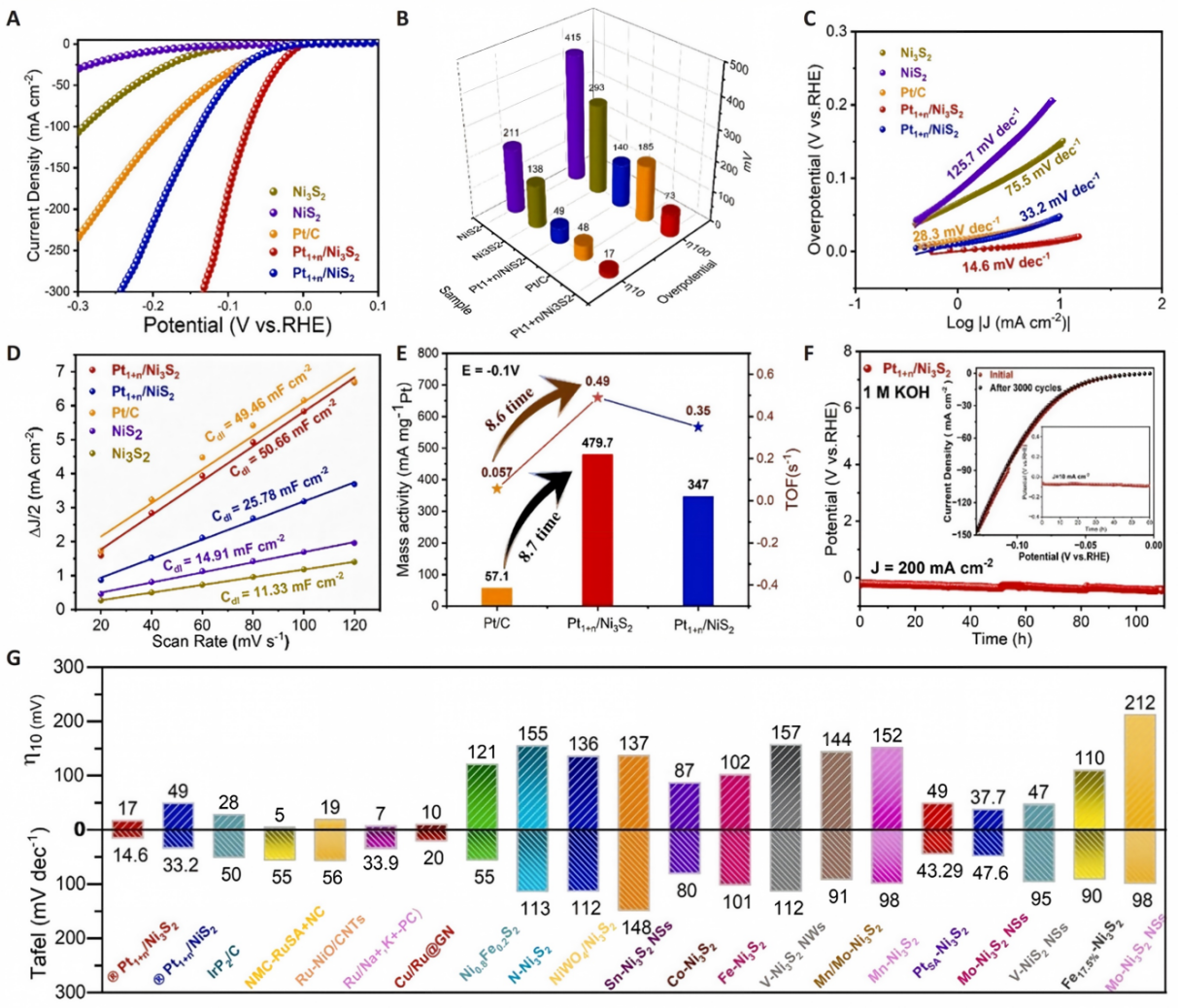
Figure 4. Electrochemical Performance Characterization of Pt1+n/Ni3S2 and Reference Samples. (A) The LSV curves of HER for Pt1+n/Ni3S2, Pt1+n/NiS2, Pt/C, Ni3S2, and NiS2 in 1M KOH alkaline solution, respectively; (B) The overpotential comparisons for HER active at 10 and 100mA cm-2; (C) Tafel plot; (D) Cdl line-fitting curves; (E) The histogram images of mass activity (left) and TOF active (right) at overpotential of 100mV; (F) The stability test curve of Pt1+n/Ni3S2 electrocatalyst corresponding to 110h at 200mA cm-2 current density. The illustration showed the LSV curve before and after 3000 cycles CV measures and the stability test about 60h at 10mA cm-2 current density; (G) The parallel of the overpotential and Tafel value performance of excellent HER electrocatalyst reported at 10mA cm-2 current density in 1M KOH. Reproduced from Ref.[131] with permission from Elsevier.
Transition metal single atoms represent an important dopant category in atomic regulation. They can form unique chemical bonds with Pt to modulate the electronic structure and enhance catalytic activity. Jin et al.[132] introduced copper (Cu) single atoms as a support to verify the electrocatalytic activity enhancement of Pt. With the decrease of Pt particle size, distinctive Cu–N₄–Pt bonds are formed between Cu single atoms and Pt. Such chemical bonding reduces the formation energy, improves structural stability, and redistributes the charge within the Pt framework, thereby greatly boosting the electrocatalytic performance. The results reveal that the effective interaction between Cu single atoms and Pt endows the catalyst with excellent HER catalytic activity[132].
Apart from transition metal single atoms, carbon-based materials can also serve as anchoring sites for atomic regulation, tuning the dispersion configuration and electronic structure of Pt. Xiao et al.[133] utilized carbon dots (CDs) to construct anchoring sites for highly dispersed Pt loading. The Pt-CDs/graphene composites were synthesized through a sequential process of cathodic exfoliation, hydrothermal treatment, impregnation and reduction. Structural characterizations indicate that the dispersion configuration of Pt evolves from the coated CDs@Pt structure to the separated CDs&Pt or Pt&CDs mode, and finally to the wrapped Pt@CDs configuration with the increase of CD content. It is found that the appropriate introduction of CDs promotes the adjacent planar distribution of Pt species. The optimal Pt-4CDs/G catalyst exhibits outstanding HER performance with an overpotential of 36mV at 10mA·cm⁻². The superior HER activity is attributed to the relatively adjacent planar distribution of Pt, which affords a high electrochemically active surface area and abundant neighboring Pt sites for H* adsorption. Benefiting from this structural feature, the HER process over Pt-4CDs/G follows the Tafel pathway well, achieving low hydrogen adsorption free energy and remarkable HER catalytic activity[133].
4.2 Nitridation Regulation
Nitridation regulation constructs nitride or N-doped structures by introducing nitrogen species, which modulates the electronic interaction between Pt and the substrate, optimizes the exposure of active sites, and thereby improves the HER catalytic performance. It has become one of the important branches of element regulation. Wu et al.[134] designed ginkgo leaf-like Co₄N coupled with trace Pt on nickel foam (denoted as T-Pt-Co₄N), where Pt and Co are connected via Pt−Co metallic bonds. The catalyst achieves a current density of 10mA cm⁻² at low overpotentials of 31mV and 27mV in alkaline and neutral electrolytes, respectively. The unique nanostructure exposes abundant active sites and provides sufficient mass transport channels during the catalytic process. Experimental and theoretical results demonstrate that the formed Pt−Co metallic bonds between atomic Pt and Co sites play a critical role in optimizing HER reaction kinetics and enhancing electrocatalytic performance (Figure 5)[134].
|
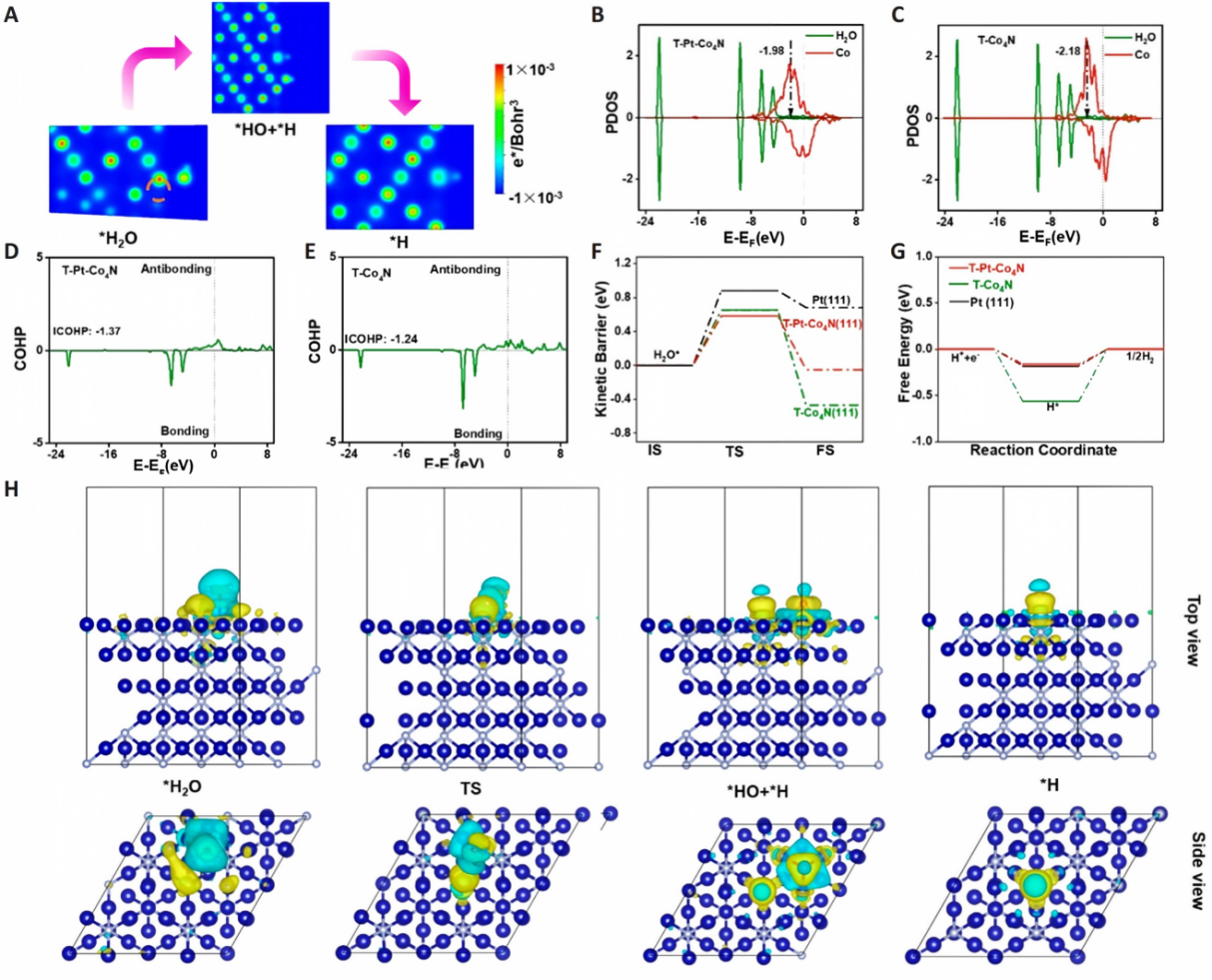
Figure 5. Theoretical Calculations Show Charge Density, DOS, COHP and Energy of T-Pt-Co4N and Reference Catalysts. (A) 2D charge difference isosurfaces for the HER path of T-Pt-Co4N. Red and blue represent the electron-rich and electrondeficient areas, respectively. DOS of T-Pt-Co4N (B) and T-Co4N (C). COHP profiles of T-Pt-Co4N (D) and T-Co4N (E). (F) Calculated free energy for water dissociation of T-Pt-Co4N, Co4N, and Pt (111). (G) Calculated ΔGH* for HER of T-Pt-Co4N, Co4N, and Pt (111). (H) The different charge densities on the T-Pt-Co4N. Reproduced from Ref.[134] with permission from American Chemical Society.
Nitrogen-doped carbon supports can regulate electron transfer through synergistic coupling with Pt, exhibiting particularly prominent advantages in alkaline HER. Hong et al.[135] developed a facile precursor solution-based electrocatalyst, in which Pt nanoparticles (NPs) are well dispersed on Co-incorporated nitrogen-doped carbon (Co-N-C). Compared with commercial Pt/C and pure Co-N-C, the optimized Pt/Co-N-C catalyst delivers enhanced HER activity in alkaline media, achieving a low overpotential of 33mV at 10mA cm⁻² and a small Tafel slope of 36.8 mV dec⁻¹. Comparative HER measurements in acidic and alkaline electrolytes reveal that the synergistic enhancement of Pt/Co-N-C is only effective under alkaline conditions. Cyclic voltammetry analysis on the adsorption/desorption of hydrogen and hydroxyl species confirms that the Co-N-C support facilitates water dissociation in alkaline media and increases the Hupd/OHad charge ratio on Pt, thereby further promoting the intrinsic HER activity of Pt active sites [135].
4.3 Loading Regulation
The core of loading regulation lies in reducing Pt consumption while optimizing Pt dispersion and electronic structure via precise control of Pt loading, so as to balance catalytic performance and material cost. Zhang et al.[136] utilized small H₂ molecules as the structure directing agent (SDA) to induce in-situ Pt surface segregation in PtNi₅-n samples with ultra-low Pt doping. The PtNi₅-0.3 catalyst synthesized under 0.3MPa exhibits an extremely low overpotential of 26.8mV at −10mA cm⁻² and a Tafel slope of 19.2mV dec⁻¹, outperforming most previously reported PtₓNiy electrocatalysts. DFT calculations further reveal that the evolved active sites of PtNi₅₋₃ can efficiently reduce the Gibbs free energy of the reaction. In particular, for PtNi₅-0.3, the downward shift of the d-band center of Pt active sites remarkably weakens the Pt−H bond strength, ultimately achieving the minimum absolute value of ΔGH[136].
Selecting an appropriate support can improve the dispersion and electron transfer efficiency of Pt at low loading, thereby further optimizing catalytic performance. Wu et al.[137] proposed a rapid and continuous spray-drying method to fabricate 3D crumpled Ti₃C₂Tₓ MXene anchored with sub-nanometer Pt clusters (Pt/MXene). The unique 3D crumpled structure effectively suppresses the restacking of layered MXene and ensures the full exposure of Pt clusters. The catalyst delivers an overpotential of 34mV at a current density of 10 mA cm⁻² along with an outstanding mass activity of 1847mA mgPt⁻¹. The enhanced activity of Pt/MXene originates from the charge transfer from Pt clusters to MXene, which weakens hydrogen adsorption, as verified by DFT results. This work provides an effective strategy for anchoring low-mass-loading sub-nanometer noble metal clusters on crumpled MXene with fully exposed active sites toward high-efficiency electrocatalysis[137].
4.4 Ratio Regulation
Ratio regulation modulates the electronic structure, crystal structure and strain state of alloy catalysts by adjusting the component ratio of Pt to other metals, thereby optimizing the HER catalytic activity. Eiler et al.[138] observed an obvious Pt skin effect in as-prepared electrodeposited Ni-rich Ni−Pt thin films, in which Pt is enriched within the top 1-2nm surface region and realizes the gradient regulation of Pt/Ni composition along the film thickness. This effect was confirmed by Rutherford backscattering spectrometry (RBS) and exists in both dense thin films and mesoporous thin films synthesized via micelle-assisted electrodeposition in chloride-based electrolytes. Benefiting from the Pt skin effect, the Ni-rich thin films exhibit excellent stability toward HER in acidic media. The Pt/Ni ratio forms a gradient along the film thickness, while the HER activity remains unaffected by structural evolution[138].
Ratio regulation among noble metals can optimize electronic structure through synergistic effects and thus enhance catalytic performance. Yue et al.[139] rationally tuned the molar ratio of Pd and Pt during one-pot synthesis, and successfully prepared ternary Au-PdPt nanoparticles (Au-PdPt NPs) with alloyed Pd-Pt layers of different Pd/Pt proportions. Owing to the varied atomic ratios of Pd to Pt in the alloy layers, the obtained catalysts deliver remarkable electrocatalytic performance toward acidic ORR/HER and alkaline ORR. The HER overpotential at 10mA cm⁻² (η₁₀) of the HER-A-Au55.4-Pd14.5Pt30.1-NP/C catalyst is only 9 mV in acidic media[139].
Ratio regulation can also tailor the crystal phase of catalysts, and further improve HER activity by optimizing the electronic structure. Wu et al.[140] synthesized intermetallic FeMnPt nanoparticles with fine particle sizes (4-7nm) and ordered phases (L10 and L12) via a facile one-step solid-state reaction method. Increasing the dosage of Mn precursor elevates the contents of Mn and Pt, transforms the crystal structure from the L10 to the L12 phase, and enlarges the grain size of FeMnPt nanoparticles. Electrochemical HER tests in acidic and alkaline electrolytes demonstrate that L1₂-FeMnPt nanoparticles with higher Mn and Pt contents possess lower overpotential and higher specific activity in acidic media. Intermetallic FeMnPt nanoparticles with different components and ordered phases exhibit comparable HER stability in both acidic and alkaline conditions[140].
In addition to component composition regulation, the combination of ratio modulation and strain engineering provides an effective route to optimize electronic structure and establish the correlation between surface strain and HER performance. In the work of Zhong et al.[141], L10 and L12 Pt-based intermetallic compounds were selected as model materials to construct a series of core–shell catalysts with strained Pt skins (IMC@Pt). The relationship between surface strain and HER activity was systematically established. Combined experimental and theoretical results reveal a volcano-type correlation between surface strain and HER activity of IMC@Pt, with the optimal performance achieved at 4% compressive strain. The Pt₃V@Pt catalyst delivers the highest intrinsic HER activity, achieving a specific activity of 4.24mA cmPt⁻2 at an overpotential of 20mV, which is four times higher than that of commercial Pt[141].
The synergistic regulation of component composition and crystal defects can further optimize the electronic structure and accelerate reaction kinetics. Zhou et al.[142] synthesized PtNi alloys with different Pt/Ni ratios and edge dislocations, and systematically investigated the effects of composition and edge dislocations on the alkaline HER performance of PtNi alloys. Combined experimental and theoretical studies show that simply tuning the Pt/Ni ratio only increases the Pt mass activity by 1.1 times, while edge dislocations induce additional tensile strain on Ni sites and compressive strain on Pt sites, further boosting the intrinsic alkaline HER activity over all Pt/Ni ratios. The mechanistic investigation indicates that the edge dislocation engineering strategy provides a promising breakthrough for promoting the water dissociation kinetics of PtNi alloys[142].
In summary, element regulation serves as a core strategy for optimizing the HER performance of Pt-based catalysts, which mainly includes four categories: atomic regulation, nitridation regulation, loading regulation and ratio regulation. All these modulation strategies focus on optimizing the electronic structure, improving the utilization efficiency of active sites and accelerating reaction kinetics. Through various regulation routes, a favorable balance among catalytic activity, structural stability and cost economy of Pt-based electrocatalysts can be well achieved.
The catalytic efficiency of HER is closely correlated with the interfacial structure of catalysts. As the core region for electron transfer, mass transport and electrochemical reactions, the intrinsic properties of the interface directly determine the electronic configuration of active sites, reaction energy barriers and catalytic kinetics. Two types of key interfaces exist in electrocatalytic systems: the solid-liquid interface between the catalyst and electrolyte, and the solid-solid interface between active components and the support. The solid-liquid interface acts as the core venue for electron transfer, mass transport and electrochemical reactions. Its intrinsic properties directly determine the electronic configuration, reaction energy barriers and catalytic kinetics of active sites. In contrast, the solid-solid interface governs the interaction between the support and Pt active centers, and can effectively modulate the electronic distribution and surface properties of Pt.
Interface regulation is a core strategy to improve the performance of Pt-based electrocatalysts for HER. On one hand, constructing heterojunctions and introducing defect sites can optimize the solid-liquid interfacial environment, fully activate active sites and accelerate the reaction process. On the other hand, precise regulation of the interaction between Pt and the support further enhances the utilization efficiency of active components. The synergistic optimization of the two interfaces can not only remarkably boost the HER catalytic activity, but also greatly reduce the loading of noble metal Pt. Numerous systematic studies have been carried out focusing on different pathways of interface regulation, and a variety of innovative interfacial design strategies have been proposed, providing important theoretical and experimental support for the development of high-efficiency Pt-based HER electrocatalysts.
5.1 Heterojunction Regulation
Heterojunction regulation is one of the core approaches of interface regulation. By constructing heterogeneous interfaces between different components, it optimize the electronic structure of Pt, thereby enhancing the HER catalytic activity. It also serves as an important strategy to maximize the utilization efficiency of noble metals. To produce renewable hydrogen through water electrolysis, it is imperative to develop high-performance electrocatalysts with maximized metal utilization.
Dynamic surface exchange at the heterogeneous interface between noble metals can significantly modulate catalytic activity. Abrams et al.[143] conducted cyclic voltammetry analysis of the Pt-on-Au system for HER and oxidation reactions (HOR). The results reveal that dynamic surface exchange occurs between Pt and Au. Bulk Au exhibits poor intrinsic HER/HOR activity, whereas the system becomes highly active once Pt is deposited on the Au surface. This potential-dependent surface exchange originates from the lower surface energy of Au relative to Pt, which drives Au migration toward the surface under the deactivated state. By contrast, Pt migrates back to the surface at higher positive potentials, inducing the formation of PtOₓ/PtOHₓ species through adsorbate-driven surface segregation[143].
Anchoring Pt single atoms on metal–phosphide heterostructures can enrich active sites and optimize electron transfer through interfacial synergistic effects. Bollu et al.[144] reported one-dimensional CoNi@CoNiP heterostructures implanted with ultra-low loading Pt single atoms (CN@CNP-Pt). The CN@CNP-Pt catalyst delivers favorable HER performance in alkaline media and drives a two-electrode electrolyzer (CN@CNP-Pt(−)//CN@CNP(+)) with a low cell voltage of 1.49V at 10mA cm⁻² and 1.51V at 100mA cm⁻². The unique CN@CNP heterostructure provides a large electrochemically active surface area, abundant active sites, and rapid charge transfer capability, achieving optimal adsorption free energy and promising electrocatalytic performance for economical and sustainable water splitting[144].
Amorphous/crystalline heterointerfaces possess structural flexibility enabling ultra-low Pt doping with high stability. Li et al.[145] designed a hierarchical electrocatalyst enriched with amorphous/crystalline interfaces for efficient alkaline HER, which consists of hierarchical amorphous/crystalline (Co, Ni)₁₁(HPO₃)₈(OH)₆ with ultra-low doped Pt (Pt-a/c-NiHPi). Benefiting from the structural flexibility of the amorphous domain, Pt can be stably doped at an ultra-low content of 0.21wt.% via a facile two-step hydrothermal method. DFT calculations demonstrate that strong electron transfer occurs across the amorphous/crystalline interface, accumulating electrons on Pt and Ni sites within the amorphous component. This endows the catalyst with nearly optimal energy barriers and adsorption energies for H₂O* and H*. Owing to these advantages, the catalyst achieves an exceptionally high specific activity of 39.1mA μg⁻¹Pt at 70mV[145].
Construction of nanoreactor-type heterostructures enables precise modulation of the electronic state of Pt and effective protection of active species. Feng et al.[146] fabricated Fe-PtNiPO nanoreactors with positively charged Pt sites toward efficient and stable HER (Figure 6). The Fe-PtNiPO nanoreactor achieves a low overpotential of 19mV at 10mA cm⁻². The Ni-based component modulates the electronic structure and promotes water dissociation to form locally enriched H⁺, while the porous Fe shell prevents the loss of active species and facilitates efficient mass transport. The synergistic integration of these favorable components forms a high-efficiency electrocatalytic nanoreactor. Synchrotron X-ray absorption spectroscopy confirms the formation of positively charged Pt, and in situ experiments reveal rapid charge transfer within the nanoreactor[146].
|
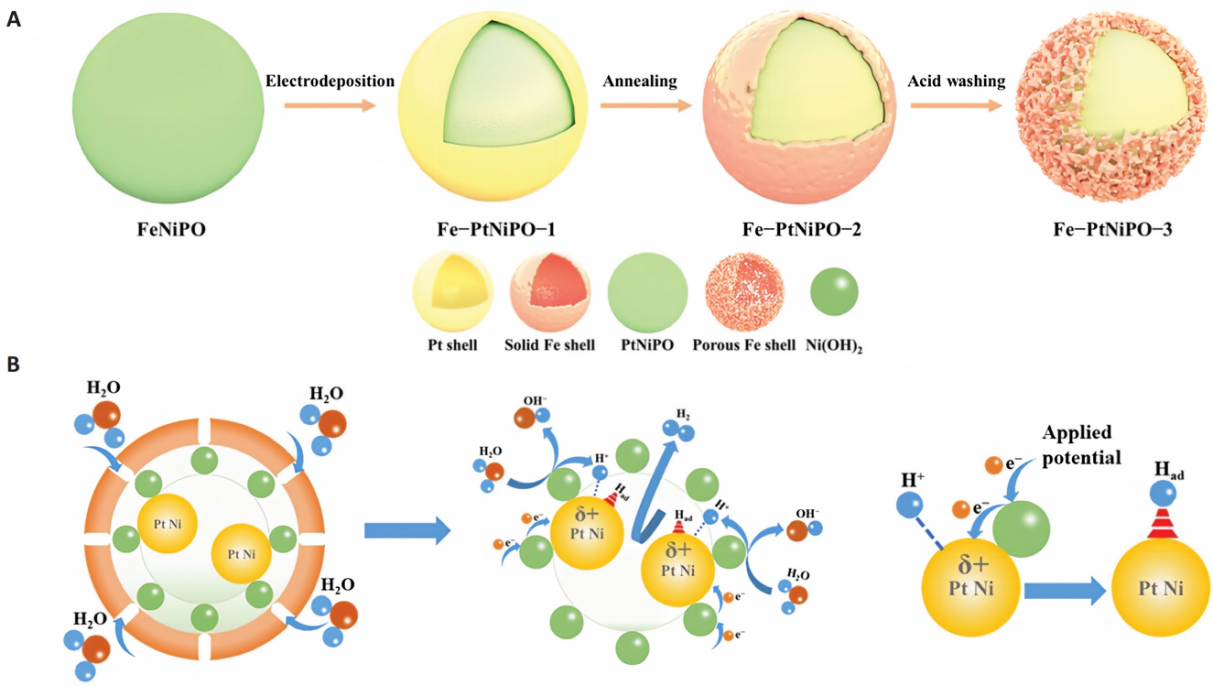
Figure 6. Schematic Illustration for the Fe-PtNiPO Catalysts. (A) The preparation of Fe-PtNiPO-1, Fe-PtNiPO-2, and Fe-PtNiPO-3; (B) Working mechanism for the Fe-PtNiPO-3 nanoreactor; (C) The formation of Had on the surface of Fe-PtNiPO-3. Reproduced from Ref.[146] with permission from Wiley.
Metal silicide heterostructures can optimize the electronic configuration of Pt-group metals (PGMs) through intercomponent electronic interaction to enhance HER activity. Chen et al. adopted a molten-salt-assisted strategy to synthesize a series of PGM silicides (IrSi, PtSi, Pd₂Si, RhSi, RuSiₓ) under atmospheric pressure and mild conditions. Electrochemical evaluations show that IrSi exhibits outstanding HER performance even superior to commercial Pt catalysts, with an ultra-low overpotential of 24mV at 10mA cm⁻² in acidic media. This work provides a universal and feasible route for the construction of PGM silicide electrocatalysts[147].
In situ construction of heterostructures between metallic substrates and Pt can strengthen interfacial adhesion and improve electron transfer efficiency. Tan et al.[148] developed a novel PtNBs/NiNRs heterojunction catalyst via in-situ deposition of Pt nanoballs on nickel nanorod arrays. The PtNBs/NiNRs exhibits a low HER overpotential of 61.6mV versus RHE in alkaline solution, much lower than 184mV of the pure Pt electrode. Tafel analysis and EIS measurements were further employed to explore the catalytic mechanism and reaction kinetics. With facile preparation, high efficiency and cost advantages, the PtNBs/NiNRs heterojunction presents promising application prospects in alkaline HER[148].
5.2 Defect Regulation
Defect regulation, as an important branch of interface modulation, constructs defect sites such as oxygen vacancies on the support surface to regulate the interfacial interaction between Pt and the substrate. This strategy optimizes the electronic structure of Pt and the distribution of active sites, thereby accelerating the HER reaction kinetics. Zhang et al.[149] proposed a facile hydrogen-assisted defect engineering strategy to create abundant oxygen vacancies on MoO3₋x supports. The engineered defects on MoO3₋x provide numerous anchoring sites for Pt, greatly increasing the Pt dispersion up to 66.19%, in contrast to only 24.46% on defect-free MoO₃. The optimized Pt/MoO3₋x exhibits outstanding HER electrocatalytic performance, delivering low overpotentials of 38.9mV in alkaline media and 28.1mV in acidic media at 10mA cm⁻², with an ultra-low Pt loading of only 3.1μg cm⁻². Combined experimental and theoretical studies confirm that the oxygen vacancies in MoO3₋x form strong interactions with Pt, balancing the energy barriers of water dissociation and hydrogen bonding and thus achieving rapid HER kinetics[149] .
Oxygen vacancies on the support can modulate the electron transfer behavior of Pt sites and optimize the d-band center position, further promoting the intrinsic HER activity. Fan et al.[150] rationally designed Pt/WO₃ catalysts composed of Pt species strongly coupled with polycrystalline WO₃ nanorods. The electronic structure of Pt sites on WO₃ can be systematically regulated. The optimal electron-rich Pt sites on Pt/WO3-600 exhibit an ultra-low overpotential of only 8mV at 10mA cm⁻², showing remarkable HER activity. Combined experimental and DFT results reveal that the oxygen vacancies on WO₃ effectively suppress the electron transfer from Pt to the WO₃ substrate, tune the d-band center to a suitable level relative to the Fermi level, and thereby attain an optimal ΔGH∗ value[150].
Defect construction under mild conditions can effectively avoid the aggregation of Pt species, while the synergistic effect between defects and Pt further optimizes the electronic structure. Wu et al.[151] fabricated sub-nanometer Pt clusters anchored on black TiO₂ with rich oxygen vacancies (Pt/TiO₂-OV) via a solvent-free microwave and low-temperature electroless strategy (Figure 7). This method avoids the use of high temperature and strong reducing agents, thus preventing the aggregation of loaded Pt species. Experimental and theoretical results verify the synergistic effect between oxygen vacancies and Pt clusters in optimizing the reaction kinetics. The optimized Pt/TiO₂-OV achieves a superior HER performance with an overpotential of 18mV at 10mA cm⁻²[151].
|
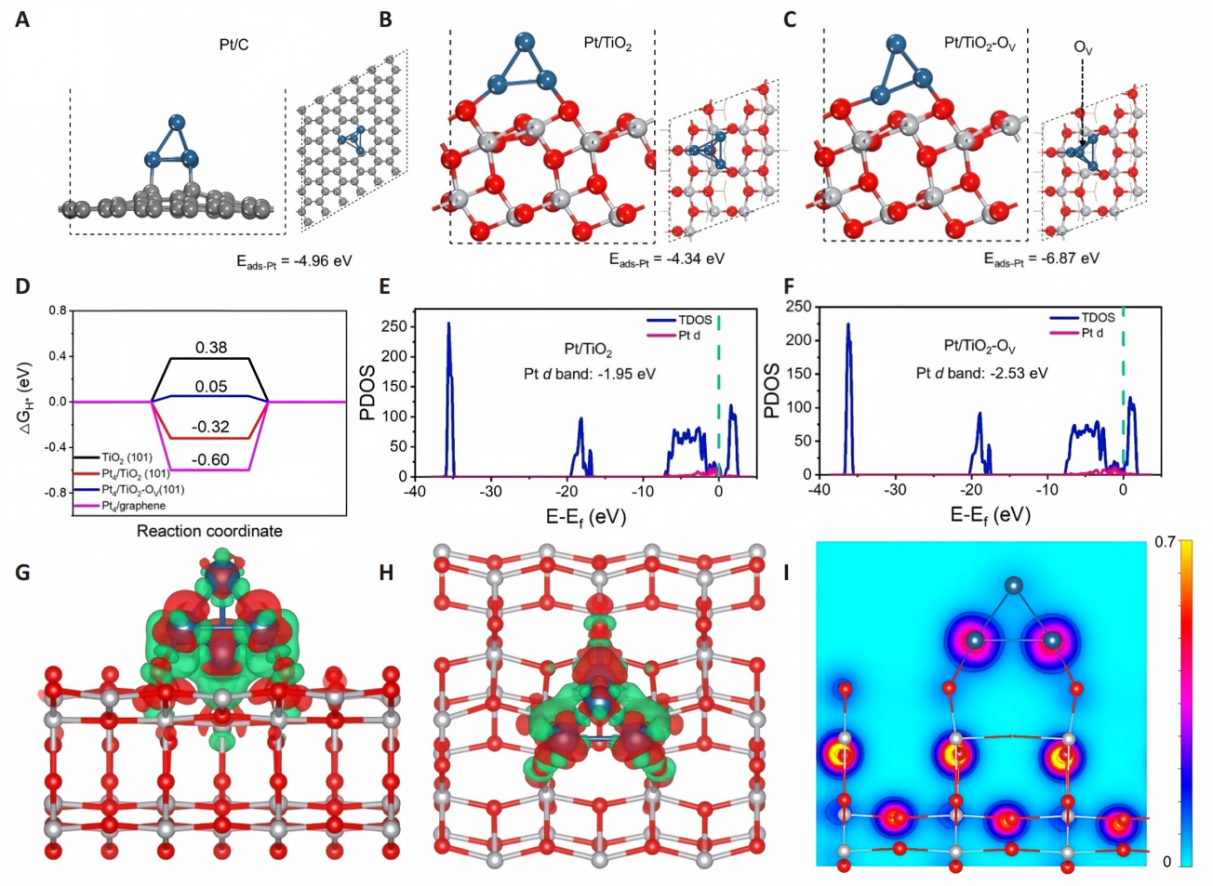
Figure 7. Theoretical Calculations Compare Adsorption Energy, with PDOS and Differential Density Analyses. The calculated adsorption energy of Pt onto graphene (A), TiO2 (B) and TiO2-OV (C). (D) H adsorption energy of TiO2, Pt/TiO2, Pt/TiO2-OV and Pt/graphene. The PDOS analysis of Pt 5d in Pt/TiO2 (E) and Pt/TiO2-OV (F). Side (G) and top (H) view of differential charge density difference in Pt/TiO2-OV. Green and red areas represent electron depletion and accumulation. (I) 2D charge density distribution of Pt/TiO2-OV. Reproduced from Ref.[151] with permission from Wiley.
In addition to oxygen vacancies, sulfur vacancies can also regulate the catalytic performance of Pt through interfacial electronic effects. Wang et al.[152] successfully anchored Pt nanoparticles on monolayer VS₂ nanosheets via a colloidal chemical method to enhance the acidic HER performance. The monolayer VS₂ nanosheets serve as a stable substrate with large specific surface area and high in-plane conductivity, which efficiently promotes electrochemical contact of Pt nanoparticles. The Pt/VS₂ composite greatly reduces the energy barrier of HER and enhances catalytic activity while lowering catalyst cost. It achieves a low overpotential of 26mV at 10mA cm⁻² along with an excellent mass activity of 23.7A/mgPt. DFT calculations and experimental analyses further clarify the crucial roles of interfacial electronic effects and sulfur vacancy modulation in boosting catalytic efficiency, highlighting the great potential of interface engineering in tailoring electronic structure and sulfur vacancy defects for high-efficiency electrocatalysis[152].
5.3 Support Substrates Regulation
Support matrix regulation is a pivotal strategy to improve the utilization efficiency of Pt-based catalysts. By selecting appropriate support materials, the interfacial interaction between the substrate and Pt can be modulated to tailor the electronic structure of Pt, optimize the adsorption energy of active sites, and regulate reaction kinetics. Wang et al.[153] anchored Pt single atoms (Pt SAs) on transition metal sulfide NiS₂ and phosphide Ni₂P substrates to design advanced electrocatalysts. In 1M KOH electrolyte, the Pt SAs-Ni₂P catalyst delivers a mass activity of 0.225A at 50 mV, which is 33 times higher than that of commercial Pt/C. It only requires an overpotential of 44.9mV to reach a current density of 10mA cm⁻². Theoretical calculations reveal that the strong interaction between Pt single atoms and the Ni₂P substrate downshifts the d-band center of Pt, facilitates water desorption, and affords optimal hydrogen adsorption sites. This work provides an effective route to modulate the electronic structure of Pt single atoms through rational substrate selection[153].
Carbon-based support substrates can enhance electron transport and inhibit Pt aggregation via the synergistic coupling with Pt and other metal components. Wang et al.[154] designed and fabricated novel Pt/Mo₂C electrocatalysts embedded in hollow carbon nanofibers (Pt/Mo₂C-HCNFs) by coaxial electrospinning followed by carbonization. The combined advantages of the synergistic interaction between Pt nanoparticles and Mo₂C, abundant active sites, hollow nanostructure, excellent electrical conductivity of carbon nanofibers, and the confinement effect against nanoparticle aggregation endow Pt/Mo₂C-HCNFs with outstanding HER performance in both acidic and alkaline electrolytes. It achieves overpotentials of 27mV and 41mV at 10mA cm⁻² in acidic and alkaline media, respectively (Table 3)[154].
Table 3. Performance of Interface Regulation
Catalyst Composition |
The Mass Activity |
Overpotential |
Stability |
Condition |
CN@CNP-Pt(−)//CN@CNP(+)[145] |
\ |
1.49V @ η10 |
30h @ η100 |
Alkaline |
(Co, Ni)₁₁(HPO₃)₈(OH)₆ |
39.1mA μg⁻¹ Pt |
70mV |
\ |
Alkaline |
Pt/Mo₂C-HCNFs[154] |
\ |
\ |
Acid |
|
Pt/Mo₂C-HCNFs[154] |
\ |
27mV @ η10 |
\ |
Alkaline |
The graphitization degree and defect concentration of support substrates directly determine the interfacial interaction with Pt. To maintain high activity and stability of carbon-based catalysts under harsh electrochemical conditions, it is essential to reduce defect density and improve the graphitization level of carbon supports. Herein, a highly graphitized graphene foam with a layered structure was fabricated for self-supported Pt-based electrocatalysts toward efficient and durable HER. Obtained by ultra-high-temperature treatment at 2850°C, the graphene foam (GO2850) possesses a perfect graphitic structure with extremely low defects, ensuring high electrical conductivity and superior corrosion resistance. The as-prepared Pt/GO2850 exhibits higher catalytic activity and long-term durability (300h at 10mA·cm⁻²) than Pt nanoparticles supported on commercial carbon paper (Pt/CP). Such superior performance originates from the strengthened metal–support interaction between Pt and the low-defect GO2850 substrate, as confirmed by structural characterization and theoretical calculations[155] .
Metal oxide supports can regulate the electronic configuration of Pt by forming specific chemical bonds, and simultaneously realize energy-saving hydrogen production by coupling biomass oxidation. Zhang et al.[156] utilized thermodynamically favorable biomass oxidation to achieve energy-efficient hydrogen evolution. The designed ultra-low-PtO₂-loaded flower-like PtO₂@Cu₂O/Cu nanosheets integrate Cu⁰/Cu⁺ redox pairs and Pt−O bonds, exhibiting excellent HER performance at −0.042VRHE (10mA cm⁻²). This system simultaneously produces bipolar hydrogen and high-value furoic acid, thereby remarkably improving hydrogen production efficiency and reducing energy consumption[156] .
Benefiting from the excellent structural and electrochemical properties of two-dimensional (2D) MXene, TiO₂-supported Pt nanoparticles derived from Ti₃C₂ MXene are theoretically expected to exhibit favorable HER performance, yet relevant experimental exploration remains insufficient. Zhang et al.[157] anchored Pt nanoparticles on Ti₃C₂ MXene-derived TiO₂ nanosheets to construct Pt/TiO₂/Ti₃C₂ catalysts. The as-prepared catalyst achieves a low overpotential of 147mV at 10mA cm⁻² with a small Tafel slope of 54 mV dec⁻¹ under acidic conditions. The results indicate that anchoring Pt nanoparticles on MXene-derived TiO₂ nanosheets reduces the hybridization strength and bonding energy between hydrogen atoms and the substrate, thus accelerating the hydrogen adsorption–desorption kinetics. This work offers a new strategy for the rational construction of high-performance MXene-based electrocatalysts[157].
Layered double hydroxides (LDHs) can strengthen the interfacial binding force with Pt via heteroatom doping modification, thereby improving the HER catalytic activity. Li et al.[158] synthesized Pt quantum dot decorated S-doped NiFe layered double hydroxides (Pt@S-NiFe LDHs). Benefiting from the enhanced binding energy, accelerated mass transfer and efficient hydrogen release, the catalyst exhibits extraordinary HER activity even at high current densities. This study provides a promising strategy for developing advanced electrocatalysts applicable to industrial high-current-density and high-temperature water electrolysis[158].Monolayer 2D sulfides serve as ideal support substrates owing to their large specific surface area and high electrical conductivity, which can effectively boost interfacial electron transfer of Pt. Wang et al.[157] immobilized Pt nanoparticles on monolayer VS₂ nanosheets via a colloidal chemistry strategy. The composite catalyst delivers an overpotential of only 26mV at 10mA cm⁻² and an excellent mass activity of 23.7A mgPt. The monolayer VS₂ nanosheets provide a stable substrate with large surface area and high in-plane conductivity, which greatly enhances interfacial electron transfer and electrochemical contact of Pt nanoparticles. Consequently, the Pt/VS₂ composite reduces the energy barrier of HER, improves catalytic activity, and lowers catalyst cost simultaneously[159].
In summary, interface regulation constitutes a core strategy for optimizing the HER performance of Pt-based catalysts, mainly including three major pathways: heterojunction regulation, defect regulation, and support matrix regulation. All these strategies focus on modulating the electronic interaction between Pt and interfacial components and optimizing the active site structure as well as reaction kinetics. Such interfacial engineering achieves multiple breakthroughs in improving Pt utilization, enhancing catalytic activity, and reducing material cost (Table 4).
Table 4. Summary of Catalyst Regulation Strategies
|
Advantages |
Disadvantages |
Feasibility |
Industrial Application Potential |
Electronic Structure Regulation |
Core strategy to boost HER performance; modulates d-band center and optimizes hydrogen adsorption energy |
Demands high-level DFT calculations for electronic structure analysis |
Well-established theoretical framework at fundamental research level |
Medium |
Element Regulation |
Mature and versatile regulation via multi-element doping |
Precise characterization of coordination environment and valence states is challenging |
Achievable via hydrothermal/solvothermal synthesis, electrodeposition |
High |
Interface Regulation |
Optimizes support-Pt interaction, cuts Pt consumption while improving catalytic activity |
Sophisticated modification requires strict synthetic conditions |
Realizable by carbon support anchoring and MXene introduction |
High |
6 AI-DRIVEN MATERIALS DESIGN FOR PT-BASED HER CATALYSTS AND INDUSTRIALIZATION
6.1 AI-Driven Materials Design for Pt-Based HER Catalysts
In recent years, artificial intelligence and machine learning have been applied to the design and optimization of catalysts, achieving remarkable progress. By simulating the processes of natural selection and genetic variation, genetic algorithms can efficiently explore complex catalyst systems and avoid falling into local optima. Meanwhile, literature mining techniques based on large language models can automatically identify key catalyst elements correlated with catalytic performance, extracting valuable insights from massive scientific papers and providing precise guidance for catalyst design.
Fu et al.[160] proposed an AI-assisted high-throughput framework that integrates large language models (LLMs) for literature mining and genetic algorithms (GAs) for iterative optimization to address this challenge (Figure 8). In this work, LLMs analyzed 14,242 publications and identified 10 key elements with high HER activity (including Fe, Co, Ni, Pt, etc.), narrowing down the candidates to 126 Pt-based high-entropy alloy (HEA) combinations. The optimal IrCuNiPdPt/C catalyst delivered record-low HER overpotentials of 25.5mV and 119mV at current densities of 10 and 100mA/cm², which are 49% and 18% lower than those of commercial Pt/C, respectively. It also maintained long-term stability for 300 hours with negligible performance degradation.
|
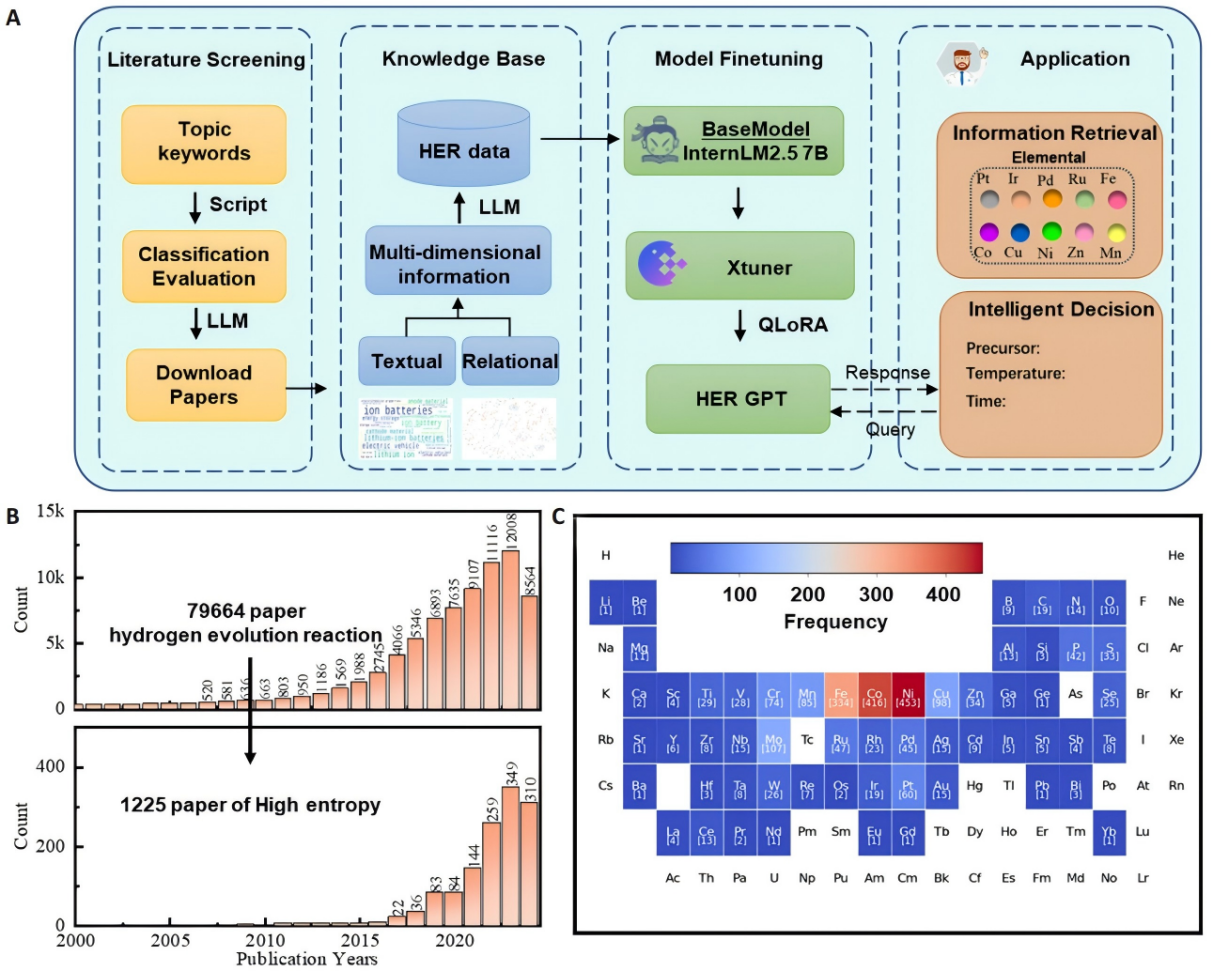
Figure 8. AI-Driven Research Framework for Materials. (A) Framework overview, consisting of four main phases: literature screening, knowledge base construction, model fine-tuning, and application; (B) Results of literature screening; (C) Frequency statistics of elements appearing in HEA materials literature. Reproduced from Ref.[160] with permission from Wiley.
This work establishes a paradigm shift combining computational intelligence and autonomous experimentation. It shortens the catalyst discovery period from thousands of years to mere hours and enables the rational design of multi-component catalysts for sustainable energy applications.
This Proton exchange membrane water electrolysis is an ideal technology for producing green hydrogen by coupling intermittent renewable energy such as wind and solar power. It features high current density, compact structure and fast response. Developing HER catalysts with low Pt loading, high activity and superior stability, as well as realizing their scalable synthesis, is a critical challenge in the field of green hydrogen energy. Single-atom catalysts and atomic cluster catalysts maximize atomic utilization and allow tunable coordination environments, making them promising candidates to reduce Pt consumption. Scalable one-pot synthesis of Pt single-atom catalysts with well-defined coordination structures using low-cost supports, while guaranteeing their long-term stability in industrial electrolyzers, remains a major bottleneck to be addressed.
Long et al.[161] reported a Ni-driven one-step reduction-displacement strategy. Using Ni-N doped carbon nanotubes (NCNT-Ni) as the support, metallic Ni nanoparticles reduce Pt⁴⁺ and displace Ni atoms in situ, forming Pt single-atom sites with N₂-Pt-Cl₂ coordination at room temperature. In 0.5M H₂SO₄ electrolyte, this catalyst achieves an overpotential of only 7.78mV at 10mA cm⁻², and delivers an ultrahigh mass activity of 69.14A mg⁻¹, which is 86 times that of commercial Pt/C. Assembled in a PEMWE single cell, it attains a cell voltage of 1.63V at 1A cm⁻² with an ultralow Pt loading of 6μg cm⁻², and operates stably for 4500h with a degradation rate of 3.3μV h⁻¹. When integrated with a photovoltaic module with an efficiency of 21%, the solar-to-hydrogen efficiency reaches 16.06% (Figure 9).
|
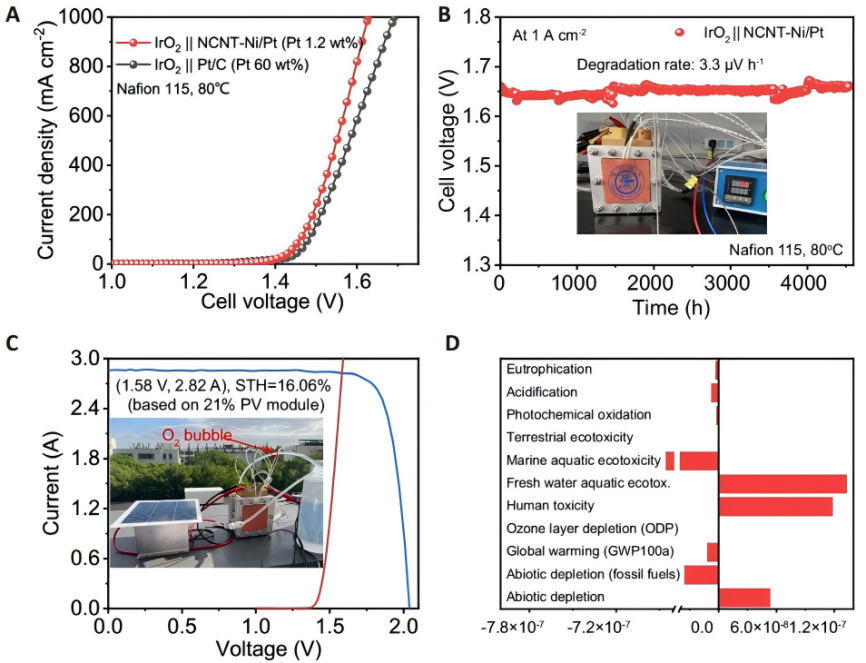
Figure 9. PEM Electrolyzer Performance and Characterization Analysis of NCNT-Ni/Pt. (A) Polarization curves of PEM electrolyzers with NCNT-Ni/Pt and commercial Pt/C; (B) The stability test of a PEM electrolyzer with NCNT-Ni/Pt as cathode and IrO2 as anode (inset shows the optical photograph of PEMWE device); (C) I-V curve of commercial PV module and the polarization curve of the IrO2 || NCNT-Ni/Pt electrolyzer (inset shows the optical photograph of PV-PEMWE system). (D) Normalized environmental impacts of using MFR waste to synthesize NCNT-Ni/Pt for hydrogen production via PEMWE. Reproduced from Ref.[161] with permission from Springer Nature.
7 CHALLENGES AND OUTLOOK
This review comprehensively summarizes the research progress, reaction mechanisms, and application effects of electronic structure regulation, element regulation, and interface regulation in Pt-based HER catalysts, aiming to clarify the optimization pathway of Pt-based HER catalysts and provide guidance for their further development. Through systematic analysis, it can be concluded that the three regulation strategies are not independent of each other but complement and synergize with one another. Their core goal is to optimize the electronic structure of Pt, improve the utilization rate of active sites, reduce the reaction energy barrier, and accelerate the HER reaction kinetics, thereby achieving a balance between catalytic activity, stability, and cost.
As the core of catalyst performance optimization, electronic structure regulation directly determines the adsorption energy of reaction intermediates and the intrinsic activity of Pt, among which the adjustment of the d-band center is the key means to achieve electronic structure optimization. Element regulation exhibits unique advantages in reducing Pt dosage and improving catalyst economy; atomic regulation, nitridation regulation, loading regulation, and ratio regulation can flexibly adjust the composition and structure of Pt-based catalysts according to actual needs. Interface regulation provides an effective approach to enhance the efficiency of electron transfer and mass transport; the construction of heterojunctions, creation of defect sites, and optimization of support substrates can significantly improve the catalytic performance and stability of Pt-based HER catalysts.
At present, although considerable progress has been made in the research on the regulation of Pt-based HER catalysts, there are still some urgent challenges to be solved: the synergistic mechanism between different regulation strategies needs to be further clarified; the long-term stability of low-Pt catalysts under harsh electrochemical conditions remains to be improved; the large-scale preparation technology of high-performance Pt-based HER catalysts is not yet mature. AI can efficiently unravel structure-performance relationships and accelerate catalyst screening and mechanism exploration, offering a new avenue to tackle current technical bottlenecks. In the future, with the continuous innovation of characterization techniques and the in-depth integration of theoretical calculations and intelligent algorithms, it is expected to further explore the synergistic effects of multiple regulation strategies, develop more efficient low-Pt or Pt-free catalysts, optimize the large-scale preparation process, and promote the industrial application of Pt-based HER catalysts in the field of hydrogen energy.
Acknowledgments
This work was supported by National Natural Science Foundation of China (Grant No. 22279091). We would also like to express our sincere gratitude to the Schaeffler Endowed Chair in Vehicle Engineering at the Chinesisch-Deutsches Hochschulkolleg, Tongji University, for their support and assistance throughout this research.
Conflicts of Interest
The authors declared no conflict of interest.
Data Availability
Data sharing is not applicable to this article as no new data were created or analyzed in this study.
Copyright Permissions
Copyright © 2026 The Author(s). Published by Innovation Forever Publishing Group Limited. This open-access article is licensed under a Creative Commons Attribution 4.0 International License (https://creativecommons.org/licenses/by/4.0), which permits unrestricted use, sharing, adaptation, distribution, and reproduction in any medium, provided the original work is properly cited.
Author Contribution
The idea of the review was collaborative effort by all authors. The first draft was written by Guo D. Syuy A, Shtarev D, Arsenin A and Vyshnevyy A reviewed and edited the manuscript. The article was updated based on feedback from Gao Y. All authors have read and approved the final version of the manuscript.
Abbreviation List
EIS, Electrochemical impedance spectroscopy
HEA, High-entropy alloy
HER, Hydrogen evolution reaction
LDHs, Layered double hydroxides
LLMs, Large language models
sXAS, Soft X-ray absorption spectroscopy
XAFS, X-ray absorption fine structure
References
[1] Xie S, Dong H, Peng X et al. Non-precious Electrocatalysts for the Hydrogen Evolution Reaction. Innov Discov, 2024; 1: 11.[DOI]
[2] Kaseem M, Fattah-alhosseini A. Enhanced the Electrochemical Stability of Al-Zn-Mg Alloy Through the Dual Incorporation of ZrO2 and V2O5 into the Alumina Layer. Innov Discov, 2024; 1: 2.[DOI]
[3] Zhang J, Yu W, Feng D et al. Porous titania nanotube confined ultrafine Pt catalysts synthesized by atomic layer deposition with enhanced hydrolytic dehydrogenation performance. Appl Catal B, 2022; 312: 121405.[DOI]
[4] Yang H, Hu P, Li Z et al. Catalytic Conversion of Complex Reactant Systems Makes the World Greener, More Sustainable and Hopeful: Where and How to Go? Innov Discov, 2024; 1: 8.[DOI]
[5] Zhang J, Pan Y, Feng D et al. Mechanistic insight into the synergy between Pt single atom and cluster dual active sites boosting photocatalytic hydrogen evolution. Adv Mater, 2023; 35: 2300902.[DOI]
[6] Mao J, Li Z, Xuan J et al. A review of control strategies for proton exchange membrane (PEM) fuel cells and water electrolysers: From automation to autonomy. Energy AI, 2024; 17: 100406.[DOI]
[7] Dreoni M, Balduzzi F, Ferro FM et al. Towards a comprehensive, high-fidelity, multi-physics simulation framework for alkaline water electrolyzers. Int J Hydrogen Energy, 2025; 111: 238-250.[DOI]
[8] Shen X, Liu S, Li M et al. Surface plasmon resonance boost photocatalytic activity of BiOBr/ag/Ag2O S-scheme heterojunction photocatalyst for degrading NFX: Intermediate products and photocatalytic mechanism. J Photochem Photobiol A, 2026; 471: 116736.[DOI]
[9] Zerrougui I, Li Z, Hissel D. Physics-informed neural network for modeling and predicting temperature fluctuations in proton exchange membrane electrolysis. Energy AI, 2025; 20: 100474.[DOI]
[10] Günay ME, Tapan NA. Analysis of PEM and AEM electrolysis by neural network pattern recognition, association rule mining and LIME. Energy AI, 2023; 13: 100254.[DOI]
[11] Nagulapati VM, Kumar SS, Annadurai V et al. Machine learning based fault detection and state of health estimation of proton exchange membrane fuel cells. Energy AI, 2023; 12: 100237.[DOI]
[12] Shrestha S, Barvenik KJ, Chen T et al. Machine intelligence accelerated design of conductive MXene aerogels with programmable properties. Nat Commun, 2024; 15: 4685.[DOI]
[13] Xu H, Lv W, Yang S et al. Enhancing HER catalyst screening of modified MXenes through DFT and machine learning integration. AIChE J, 2025; 71: e18618.[DOI]
[14] Kareem SA, Ibrahim MA, Anaele JU et al. Recent advances in machine learning applications for MXene materials: Design, synthesis, characterization, and commercialization for energy and environmental applications. Next Mater, 2025; 8: 100864.[DOI]
[15] Frey NC, Wang J, Vega Bellido GI et al. Prediction of synthesis of 2D metal carbides and nitrides (MXenes) and their precursors with positive and unlabeled machine learning. ACS Nano, 2019; 13: 3031-3041.[DOI]
[16] Hou P, Tian Y, Xie Y et al. Unraveling the oxidation behaviors of MXenes in aqueous systems by active-learning-potential molecular-dynamics simulation. Angew Chem Int Ed, 2023; 62: e202304205.[DOI]
[17] Guo D, Pan Q, Vietor T et al. MXene based non-noble metal catalyst for overall water splitting in alkaline conditions. J Energy Chem, 2023; 87: 518-539.[DOI]
[18] Ma W, Zhang X, Li W et al. Advanced pt-based electrocatalysts for the hydrogen evolution reaction in alkaline medium. Nanoscale, 2023; 15: 11759-11776.[DOI]
[19] Khamgaonkar S, Okasha M, Maheshwari V. Recent advances towards increasing the pt utilization efficiency for hydrogen evolution reaction: A review. Inorg Chem Front, 2023; 10: 6812-6848.[DOI]
[20] Asami R, Yoshida K, Goto H et al. Development of a pt-encapsulated MFI zeolite catalyst with high thermal stability for ethane dehydroaromatization. Microporous Mesoporous Mater, 2026; 410: 114173.[DOI]
[21] Zhang Z, Chen Y, Xie Z et al. Incorporating low levels of pt into carbon materials with different pore structures for hydrogen evolution reaction. Fuel, 2026; 426: 139524.[DOI]
[22] Wang S, Liu Z, Liu X et al. Ionic liquid-induced surface enrichment of pt catalyst enables maximized atom utilization for mercury-free vinyl chloride synthesis. Appl Catal B, 2026; 395: 126883.[DOI]
[23] Kunimatsu K, Uchida H, Watanabe M. Interactions between adsorbed hydrogen and water molecules on a polycrystalline Pt electrode studied by in-situ ATR-FTIR spectroscopy. J Electroanal Chem, 2024; 954: 118037.[DOI]
[24] Anantharaj S. Hydrogen evolution reaction on Pt and Ru in alkali with volmer-step promotors and electronic structure modulators. Curr Opin Electrochem, 2022; 33: 100961.[DOI]
[25] Ren X, Lin C, Zhou G et al. Pt-decorated spinel MnCo2O4 nanosheets enable ampere-level hydrazine assisted water electrolysis. J Colloid Interface Sci, 2024; 676: 13-21.[DOI]
[26] Cao Y, Xiahou Y, Xing L et al. Fe(II)-Assisted one-pot synthesis of ultra-small core–shell Au–Pt nanoparticles as superior catalysts towards the HER and ORR. Nanoscale, 2020; 12: 20456-20466.[DOI]
[27] Ma Y, Zhao Z, Zhang C et al. Synergistic reaction kinetics of pt single atoms/MoS2 and nanoparticles for energy-saving hydrogen production assisted by green electrosynthesis of azotetrazolate compound. Chem Eng J, 2023; 475: 146303.[DOI]
[28] Zhang B-W, Ren L, Xu Z-F et al. Atomic Structural Evolution of Single-Layer Pt Clusters as Efficient Electrocatalysts. Small, 2021; 17: 2100732.[DOI]
[29] Vijayapradeep S, Logeshwaran N, Ramakrishnan S et al. Novel pt-carbon core–shell decorated hierarchical CoMo2S4 as efficient electrocatalysts for alkaline/seawater hydrogen evolution reaction. Chem Eng J, 2023; 473: 145348.[DOI]
[30] Guo Y, Hou B, Cui X et al. Pt Atomic Layers Boosted Hydrogen Evolution Reaction in Nonacidic Media. Adv Energy Mater, 2022; 12: 2201548.[DOI]
[31] Zhang J, Wang M, An J et al. Ultra-Stable Ti Vacancies-Pt Atomic Clusters Structure on Titanium Oxycarbide Supports for High Current Density Hydrogen Evolution Reaction. Small, 2024; 20: 2309823.[DOI]
[32] Zeng Z, Küspert S, Balaghi SE et al. Ultrahigh Mass Activity Pt Entities Consisting of Pt Single atoms, Clusters, and Nanoparticles for Improved Hydrogen Evolution Reaction. Small, 2023; 19: 2205885.[DOI]
[33] Jin D, Liu P, Xu H et al. DFT study on mechanism for size-dependence of pt catalysts for propane dehydrogenation. Chin J Chem Eng, 2026.[DOI]
[34] Fernández-Vidal J, Koper MTM. Effect of a Physisorbed Tetrabutylammonium Cation Film on Alkaline Hydrogen Evolution Reaction on Pt Single-Crystal Electrodes. ACS Catal, 2024; 14: 8130-8137.[DOI]
[35] Xie J, Ou X, Cai J et al. Structure-activity relationships in pt-co/SiO2 catalysts: Tuning the metal ratio for efficient Pt utilization in toluene oxidation. Appl Catal A, 2026: 121011.[DOI]
[36] Yu W, Chong X, He J et al. Tuning γ/γ′ lattice misfit to discover pt-al-hf superalloys with superior high-temperature compressive strength. J Mater Sci Technol, 2027; 276: 204-214.[DOI]
[37] Zhou Q, Ji X-Y, Gao Y-M et al. Migration of dissociated propane from pt to WO3 for enhanced catalytic oxidation. Appl Catal B, 2026; 395: 126890.[DOI]
[38] Erdol-Aydin N, Akdağ A, Şahin Ö et al. Impact of catalyst structure and synthesis route on the ORR performance of pt–Co3O4/C catalysts for PEM fuel cells. Int J Hydrogen Energy, 2026; 232: 155009.[DOI]
[39] Feng G, Xu Y, Li T et al. Influence of acid sites and its proximity with metal pt sites of pt/ZSM-48 catalysts on effective n-hexadecane hydroisomerization. Fuel, 2026; 425: 139467.[DOI]
[40] Cao X, Wu Y, Dong T et al. Single-atom pt functionalized In2O3 nanocluster for highly selective and sensitive ppb-level isoprene detection at low temperature. Chem Eng J, 2026; 538: 176653.[DOI]
[41] Huang J, Tian M, Tong L et al. Synergism of tiny ni clusters and pt nanoparticles promoting efficient and stable electrocatalytic methanol oxidation and hydrogen evolution by water electrolysis. Green Chem, 2025; 27: 6619-6629.[DOI]
[42] Hossain MN, Zhang L, Neagu R et al. Exploring the properties, types, and performance of atomic site catalysts in electrochemical hydrogen evolution reactions. Chem Soc Rev, 2025; 54: 3323-3386.[DOI]
[43] Kundu J, Kim HJ, Li M et al. Recent advances in mechanistic understanding and catalyst design for alkaline hydrogen evolution reactions. Mater Chem Front, 2023; 7: 6366-6388.[DOI]
[44] Chen W, Wu B, Wang Y et al. Deciphering the alternating synergy between interlayer pt single-atom and NiFe layered double hydroxide for overall water splitting. Energy Environ Sci, 2021; 14: 6428-6440.[DOI]
[45] Li J, Tian X, Yue C et al. Rare-metal single atom catalysts for large scale hydrogen production under actual operating conditions. EES Catal, 2025; 3: 32-56.[DOI]
[46] Walter C, Menezes PW, Driess M. Perspective on intermetallics towards efficient electrocatalytic water-splitting. Chem Sci, 2021; 12: 8603-8631.[DOI]
[47] Zhao M, Ma J, Wang Z et al. Engineering pore-confined ultrafine pt nanoparticles in hollow mesoporous carbon spheres for synergistically enhanced bifunctional electrocatalysis in sustainable hydrogen evolution and ethylene glycol oxidation. J Mater Chem A, 2026; 14: 4239-4249.[DOI]
[48] Guo D, Pan Q, Gao Y. Pt compounds constructing interface structure strategies for electrolysis hydrogen production. Chem Commun, 2025; 61: 7543-7562.[DOI]
[49] Ahmad Junaidi NH, Wong WY, Loh KS et al. A comprehensive review of MXenes as catalyst supports for the oxygen reduction reaction in fuel cells. Int J Energy Res, 2021; 45: 15760-15782.[DOI]
[50] Ouyang T, Liu W, Liu B et al. Design and optimization of a novel sinusoidal corrugated channel for microfluidic fuel cell with gas-liquid two-phase flow model. Renew Energy, 2023; 208: 737-750.[DOI]
[51] Wang X, Zhang N, Zou G et al. A multi-factor numerical study on the effect of gas diffusion layer on water transport characteristics in proton exchange membrane fuel cells: A pore-scale investigation. Int J Hydrogen Energy, 2025; 109: 1155-1168.[DOI]
[52] Li F, Cai S, Li S et al. Pore-scale study of water and mass transport characteristic in anion exchange membrane fuel cells with anisotropic gas diffusion layer. Energy, 2024; 293: 130599.[DOI]
[53] Zhou SH, Ye F, Du W et al. Effect of high-intensity vibration parameter on droplet transport characteristics in gas channel of proton exchange membrane fuel cell. Int Commun Heat Mass Transfer, 2024; 157: 107785.[DOI]
[54] Luo Z, Chen K, Zou G et al. Dynamic response characteristics and water-gas-heat synergistic transport mechanism of proton exchange membrane fuel cell during transient loading. Energy, 2024; 302: 131852.[DOI]
[55] Liu J, Shin S, Um S. Comprehensive statistical analysis of heterogeneous transport characteristics in multifunctional porous gas diffusion layers using lattice boltzmann method for fuel cell applications. Renew Energy, 2019; 139: 279-291.[DOI]
[56] Pan Q, Guo D, Gao X et al. Modulating triple phase boundary of oxygen reduction reaction catalyst for fast activation of proton exchange membrane fuel cell. Int J Hydrogen Energy, 2024; 87: 409-430.[DOI]
[57] Nickel NH. Hydrogen diffusion in Ti3 C2 MXenes. Nano Lett, 2025; 25: 3199-3203.[DOI]
[58] Du J, Yan Y, Li X et al. A mechanism-guided descriptor for the hydrogen evolution reaction in 2D ordered double transition-metal carbide MXenes. Chem Sci, 2025; 16: 9424-9435.[DOI]
[59] Zhan C, Sun W, Xie Y et al. Computational discovery and design of MXenes for energy applications: Status, successes, and opportunities. ACS Appl Mater Interfaces, 2019; 11: 24885-24905.[DOI]
[60] Wang X, Su Y, Song M et al. Design single nonmetal atom doped 2D Ti2CO2 electrocatalyst for hydrogen evolution reaction by coupling electronic descriptor. Appl Surf Sci, 2021; 556: 149778.[DOI]
[61] Wang X, Wang C, Ci S et al. Accelerating 2D MXene catalyst discovery for the hydrogen evolution reaction by computer-driven workflow and an ensemble learning strategy. J Mater Chem A, 2020; 8: 23488-23497.[DOI]
[62] Xu S, Dong F, Yin B. Advances in coupled multiphase flow and heat transfer in nanoporous media: Current status, challenges, and frontier directions. Renew Sustain Energy Rev, 2026; 226: 116462.[DOI]
[63] Shan B, Torrilhon M, Guo Z et al. Molecular kinetic modelling of nanoscale confined flows. J Fluid Mech, 2025; 1012: A20.[DOI]
[64] Naguib M, Kurtoglu M, Presser V et al. Two-dimensional nanocrystals produced by exfoliation of Ti3AlC2. Adv Mater, 2011; 23: 4248-4253.[DOI]
[65] Armin V, Johanna R, Yury G. The world of two-dimensional carbides and nitrides (MXenes). Science, 2021; 372: 1165.
[66] Tao Q, Dahlqvist M, Lu J et al. Two-dimensional Mo1.33C MXene with divacancy ordering prepared from parent 3D laminate with in-plane chemical ordering. Nat Commun, 2017; 8: 14949.[DOI]
[67] Wu H, Almalki M, Xu X et al. MXene derived metal–organic frameworks. J Am Chem Soc, 2019; 141: 20037-20042.[DOI]
[68] Li J, Wu N, Zhang J et al. Machine learning-assisted low-dimensional electrocatalysts design for hydrogen evolution reaction. Nano-Micro Lett, 2023; 15: 227.[DOI]
[69] Yang M, Wang C, Song M et al. Machine learning assisted screening of non-metal doped MXenes catalysts for hydrogen evolution reaction. Int J Hydrogen Energy, 2025; 113: 740-748.[DOI]
[70] Lakhan MN, Hanan A, Hussain A et al. Transition metal-based electrocatalysts for alkaline overall water splitting: Advancements, challenges, and perspectives. Chem Commun, 2024; 60: 5104-5135.[DOI]
[71] Han S, Yun Q, Tu S et al. Metallic ruthenium-based nanomaterials for electrocatalytic and photocatalytic hydrogen evolution. J Mater Chem A, 2019; 7: 24691-24714.[DOI]
[72] Li L, Wang S, Xiong L et al. Surface-engineered mesoporous pt nanodendrites with ni dopant for highly enhanced catalytic performance in hydrogen evolution reaction. J Mater Chem A, 2019; 7: 12800-12807.[DOI]
[73] Zhu L, Lai Z, Xu J et al. Ultrafast flash joule heating synthesis of the pt/MoOx heterostructure for enhancing the electrocatalytic hydrogen evolution reaction. J Mater Chem A, 2024; 12: 28149-28160.[DOI]
[74] Ye S, Xiong W, Liao P et al. Removing the barrier to water dissociation on single-atom pt sites decorated with a CoP mesoporous nanosheet array to achieve improved hydrogen evolution. J Mater Chem A, 2020; 8: 11246-11254.[DOI]
[75] Ma X, Zhang Y, Wu L et al. In situ analysis of a boron-based catalytic electrode with trace Pt for efficient hydrogen evolution in a wide pH range. J Mater Chem A, 2024; 12: 33649-33660.[DOI]
[76] Zhu S, Pang H, Sun Z et al. Polyoxometalate-derived electrocatalysts enabling progress in hydrogen evolution reactions. Dalton Trans, 2024; 53: 13248-13279.[DOI]
[77] Hatzell MC, Ivanov I, Cusick RD et al. Comparison of hydrogen production and electrical power generation for energy capture in closed-loop ammonium bicarbonate reverse electrodialysis systems. Phys Chem Chem Phys, 2013; 16: 1632-1638.[DOI]
[78] Prats H, Chan K. The determination of the HOR/HER reaction mechanism from experimental kinetic data. Phys Chem Chem Phys, 2021; 23: 27150-27158.[DOI]
[79] Xiao X, Sun D, Liu X et al. Ultra-low amount pt-doped Co2P/Ni2P on nickel foam as an efficient electrocatalyst for the hydrogen evolution reaction in an alkaline electrolyte. Sustainable Energy Fuels, 2021; 5: 1059-1066.[DOI]
[80] Hoang AL, Balakrishnan S, Hodges A et al. High-performing catalysts for energy-efficient commercial alkaline water electrolysis. Sustainable Energy Fuels, 2022; 7: 31-60.[DOI]
[81] Wang F, Xiao L, Jiang Y et al. Recent achievements in noble metal-based oxide electrocatalysts for water splitting. Mater Horiz, 2025; 12: 1757-1795.[DOI]
[82] Ye S, Luo F, Zhang Q et al. Highly stable single pt atomic sites anchored on aniline-stacked graphene for hydrogen evolution reaction. Energy Environ Sci, 2019; 12: 1000-1007.[DOI]
[83] Bagaria T, Saha S, Pati SK et al. Sn-doped co–P-based trifunctional electrocatalysts for accelerating water splitting and hydrogen generation concurrent with ethylene glycol electrooxidation. J Mater Chem A, 2025; 13: 15818-15831.[DOI]
[84] Tripathi P, Singh D, Pathak A et al. Engineering MoS2-based electrocatalysts for water splitting: A comprehensive review of doping, heterostructures, and support integration strategies. J Mater Chem A, 2025; 13: 39603-39659.[DOI]
[85] Pham HQ, Huynh TT, Huynh Q. Mixed-oxide-containing composite-supported MoPt with ultralow pt content for accelerating hydrogen evolution performance. Chem Commun, 2022; 59: 215-218.[DOI]
[86] Li H, Chen C, Yan D et al. Interfacial effects in supported catalysts for electrocatalysis. J Mater Chem A, 2019; 7: 23432-23450.[DOI]
[87] Tang T, Bai X, Wang Z et al. Structural engineering of atomic catalysts for electrocatalysis. Chem Sci, 2024; 15: 5082-5112.[DOI]
[88] Chauhan M, Ragavan A, Chaurasiya A et al. Carbon-based catalysts for the hydrazine oxidation reaction: A promising low-energy route for hydrogen generation beyond conventional water splitting. J Mater Chem A, 2026; 14: 13167-13200.[DOI]
[89] Tan Y, Liu L, Zhang L et al. Phosphorus-modified pt@cu surfaces for efficient electrocatalysis of hydrogen evolution. Mater Adv, 2022; 3: 7667-7672.[DOI]
[90] Cai J, Javed R, Ye D et al. Recent progress in noble metal nanocluster and single atom electrocatalysts for the hydrogen evolution reaction. J Mater Chem A, 2020; 8: 22467-22487.[DOI]
[91] Zhang H, Chen L, Dong F et al. Dynamic transformation of active sites in energy and environmental catalysis. Energy Environ Sci, 2024; 17: 6435-6481.[DOI]
[92] Bürgel JL, Zehl R, Thelen F et al. Exploration of nanostructured high-entropy alloys for key electrochemical reactions: A comparative study for the solid solution systems cu–pd–pt–ru, ir–pd–pt–ru and ni–pd–pt–ru. Faraday Discuss, 2026; 264: 64-82.[DOI]
[93] Tian J, Wang S, Wang M et al. Pt nanoparticles loaded onto ultrathin ni(OH)2 nanosheets for enhanced seawater–urea electro-oxidation and hydrogen evolution at an industrial-grade current density. Inorg Chem Front, 2026; 13: 2647-2658.[DOI]
[94] Hu J, Huang B, Zhang C et al. Engineering stepped edge surface structures of MoS2 sheet stacks to accelerate the hydrogen evolution reaction. Energy Environ Sci, 2017; 10: 593-603.[DOI]
[95] Zahran ZN, Tsubonouchi Y, Chandra D et al. Extremely efficient and stable hydrogen evolution by a pt/NiOx composite film deposited on a nickel foam using a mixed metal-imidazole casting method. J Mater Chem A, 2024; 12: 7094-7106.[DOI]
[96] Feng J, Qiao L, Zhou P et al. Nanocrystalline CoOx glass for highly-efficient alkaline hydrogen evolution reaction. J Mater Chem A, 2022; 11: 316-329.[DOI]
[97] Shi J, Hu L, Liu J et al. Phase-transition engineering induced lattice contraction of the molybdenum carbide surface for highly efficient hydrogen evolution reaction. J Mater Chem A, 2022; 10: 11414-11425.[DOI]
[98] Jayabal S, Saranya G, Wu J et al. Understanding the high-electrocatalytic performance of two-dimensional MoS2 nanosheets and their composite materials. J Mater Chem A, 2017; 5: 24540-24563.[DOI]
[99] Li Y, Chen J, Cai P et al. An electrochemically neutralized energy-assisted low-cost acid-alkaline electrolyzer for energy-saving electrolysis hydrogen generation. J Mater Chem A, 2018; 6: 4948-4954.[DOI]
[100] Kelly TG, Chen JG. Metal overlayer on metal carbide substrate: Unique bimetallic properties for catalysis and electrocatalysis. Chem Soc Rev, 2012; 41: 8021-8034.[DOI]
[101] Xu W, Cao M, Luo J et al. Research progress on single atom and particle synergistic catalysts for electrocatalytic reactions. Mater Chem Front, 2023; 7: 1992-2013.[DOI]
[102] Shinde DV, Kokumai TM, Buha J et al. A robust and highly active hydrogen evolution catalyst based on ru nanocrystals supported on vertically oriented cu nanoplates. J Mater Chem A, 2020; 8: 10787-10795.[DOI]
[103] Andrade AM, Liu Z, Grewal S et al. MOF-derived co/cu-embedded N-doped carbon for trifunctional ORR/OER/HER catalysis in alkaline media. Dalton Trans, 2021; 50: 5473-5482.[DOI]
[104] Gao MY, Yang C, Zhang QB et al. Facile electrochemical preparation of self-supported porous ni–mo alloy microsphere films as efficient bifunctional electrocatalysts for water splitting. J Mater Chem A, 2017; 5: 5797-5805.[DOI]
[105] Cui W-G, Gao F, Na G et al. Insights into the pH effect on hydrogen electrocatalysis. Chem Soc Rev, 2024; 53: 10253-10311.[DOI]
[106] Chatenet M, Pollet BG, Dekel DR et al. Water electrolysis: From textbook knowledge to the latest scientific strategies and industrial developments. Chem Soc Rev, 2022; 51: 4583-4762.[DOI]
[107] Lim SY, Ha K, Ha H et al. Three-dimensionally patterned ag–pt alloy catalyst on planar si photocathodes for photoelectrochemical H2 evolution. Phys Chem Chem Phys, 2019; 21: 4184-4192.[DOI]
[108] Sabhapathy P, Liao C-C, Chen W-F et al. Highly efficient nitrogen and carbon coordinated N–co–C electrocatalysts on reduced graphene oxide derived from vitamin-B12 for the hydrogen evolution reaction. J Mater Chem A, 2019; 7: 7179-7185.[DOI]
[109] Yan G, Wu C, Tan H et al. N-carbon coated P-W2C composite as efficient electrocatalyst for hydrogen evolution reactions over the whole pH range. J Mater Chem A, 2017; 5: 765-772.[DOI]
[110] Xiao L, Wang Z, Guan J. Optimization strategies of high-entropy alloys for electrocatalytic applications. Chem Sci, 2023; 14: 12850-12868.[DOI]
[111] Sahoo L, Patra A. Recent advances in atomically precise metal nanocluster-based electrocatalysts for hydrogen evolution reaction. Nanoscale, 2026; 18: 7910-7935.[DOI]
[112] Chen X, Niu K, Xue Z et al. Ultrafine Pt nanoparticles supported on N,S-codoped porous carbon nanofibers as efficient multifunctional materials for noticeable oxygen reduction reaction and water splitting performance. Nanoscale Adv, 2022; 4: 1639-1648.[DOI]
[113] Xiang K, Song Z, Wu D et al. Bifunctional pt–Co3O4 electrocatalysts for simultaneous generation of hydrogen and formate via energy-saving alkaline seawater/methanol co-electrolysis. J Mater Chem A, 2021; 9: 6316-6324.[DOI]
[114] Wang X, Yang C, Cao L et al. A facile solvothermal synthesis of Pt1.2Co/C bimetallic nanocrystals as efficient electrocatalysts for methanol oxidation and hydrogen evolution reaction. New J Chem, 2020; 44: 5792-5799.[DOI]
[115] Li S, Ma R, Lu Y et al. In situ growth of free-standing perovskite hydroxide electrocatalysts for efficient overall water splitting. J Mater Chem A, 2020; 8: 5919-5926.[DOI]
[116] Park KW, Lee SY, Moon J et al. In situ-grown Co3S4 sheet-functionalized metal–organic framework via surface engineering as a HER catalyst in alkaline media. CrystEngComm, 2022; 24: 8363-8371.[DOI]
[117] Jia H-L, Li H-C, Zhao J et al. Hyperdispersed ruthenium nanoparticles anchored on S/N co-doped carbon nanotubes as an efficient HER electrocatalyst. New J Chem, 2022; 46: 15804-15810.[DOI]
[118] Ahsan MA, Imam MA, Santiago ARP et al. Spent tea leaves templated synthesis of highly active and durable cobalt-based trifunctional versatile electrocatalysts for hydrogen and oxygen evolution and oxygen reduction reactions. Green Chem, 2020; 22: 6967-6980.[DOI]
[119] Zhang H, She G, Xu J et al. Electrochemical surface reconstructed ptx(x=2,3)si/PtSi/p-si photocathodes for achieving high efficiency in photoelectrochemical H2 generation. J Mater Chem A, 2022; 10: 4952-4959.[DOI]
[120] Fan Y, Zhang X, Zhang M et al. Realization of Au81Pd2Pt9-S8B4.6A3.4 aerogels as superior catalysts toward HER and ORR by synergism of coarse and fine tuning d-band center of Pt. Chem Eng J, 2023; 470: 144149.[DOI]
[121] Li H, Dai S, Bhalothia D et al. Interfacial atomic Ni tetragon intercalation in a NiO2-to-Pd hetero-structure triggers superior HER activity to the Pt catalyst. J Mater Chem A, 2021; 9: 12019-12028.[DOI]
[122] Yu L, Zhou T, Cao S et al. Suppressing the surface passivation of Pt-Mo nanowires via constructing Mo-Se coordination for boosting HER performance. Nano Res, 2021; 14: 2659-2665.[DOI]
[123] Laghrissi A, Es-Souni M. Au-Nanorods Supporting Pd and Pt Nanocatalysts for the Hydrogen Evolution Reaction: Pd Is Revealed to Be a Better Catalyst than Pt. Nanomaterials, 2023; 13.[DOI]
[124] Xiao W, Chen Y, Zhao Q et al. Constructing the synergistic active sites of nickel bicarbonate supported Pt hierarchical nanostructure for efficient hydrogen evolution reaction. Chin Chem Lett, 2024; 35: 110176.[DOI]
[125] Yang R, Zhou J, Shi Y et al. Enhanced hydrogen evolution reactions: Regulating Pt-Ox bonds on bluecoke-based electrocatalyst through simple iron doping. Int J Hydrogen Energy, 2024; 81: 632-642.[DOI]
[126] Niu H-J, Huang C, Sun T et al. Enhancing Ni/Co Activity by Neighboring Pt Atoms in NiCoP/MXene Electrocatalyst for Alkaline Hydrogen Evolution. Angew Chem Int Ed, 2024; 63: e202401819.[DOI]
[127] Kong S, Ouyang M, An Y et al. Surface Charge Effects for the Hydrogen Evolution Reaction on Pt(111) Using a Modified Grand-Canonical Potential Kinetics Method. Molecules, 2024; 29.[DOI]
[128] Liang L, Jin H, Zhou H et al. Cobalt single atom site isolated Pt nanoparticles for efficient ORR and HER in acid media. Nano Energy, 2021; 88: 106221.[DOI]
[129] Zhang C, Liu Q, Ming S et al. Integrating Pt single atoms and Mo into PtNi/C through Mo doping-displacement synchronisation strategy for enhanced HER at all pH values. Fuel, 2025; 381: 133356.[DOI]
[130] Abbas SA, Kim SH, Iqbal MI et al. Synergistic effect of nano-Pt and Ni spine for HER in alkaline solution: Hydrogen spillover from nano-Pt to Ni spine. Sci Rep, 2018; 8.[DOI]
[131] Xia W, Ma M, Li Z et al. Fabricating highly active Pt atomically dispersed catalysts with the co-existence of Pt-O1Ni1 single atoms and Pt sub-nanoclusters for improved hydrogen evolution. Appl Catal B, 2024; 354: 124074.[DOI]
[132] Jin H, Liu B, Ji P et al. Construction of robust Cu-N4-Pt bond connecting Cu single atoms support and Pt for augmented electrocatalytic process. Chem Eng J, 2024; 485.[DOI]
[133] Xiao H, Bai M, Zhao M et al. Interfacial carbon dots introduced distribution-structure modulation of Pt loading on graphene towards enhanced electrocatalytic hydrogen evolution reaction. J Colloid Interface Sci, 2024; 656: 214-224.[DOI]
[134] Wu Z, Zhao Y, Xiao W et al. Metallic-Bonded Pt–Co for Atomically Dispersed Pt in the Co4N Matrix as an Efficient Electrocatalyst for Hydrogen Generation. ACS Nano, 2022; 16: 18038-18047.[DOI]
[135] Hong S, Kim JH, Shin D et al. Synergistic effect of Pt-loaded CoNC electrocatalysts for hydrogen evolution reaction in alkaline conditions. Appl Surf Sci, 2023; 610: 155523.[DOI]
[136] Zhang C, Liang X, Xu R et al. H2 In Situ Inducing Strategy on Pt Surface Segregation Over Low Pt Doped PtNi5 Nanoalloy with Superhigh Alkaline HER Activity. Adv Funct Mater, 2021; 31: 2008298.[DOI]
[137] Wu Y, Wei W, Yu R et al. Anchoring sub-nanometer pt clusters on crumpled paper-like MXene enables high hydrogen evolution mass activity. Adv Funct Mater, 2022; 32: 2110910.[DOI]
[138] Eiler K, Pané S, Döbeli M et al. Electrosynthesis-Induced Pt Skin Effect in Mesoporous Ni-Rich Ni–Pt Thin Films for Hydrogen Evolution Reaction. ACS Appl Mater Interfaces, 2024; 16: 42305-42311.[DOI]
[139] Yue X, Fan Y, Xia H. Small Trimetallic Au-PdPt Nanoparticles as Multifunctional Catalysts by Simply Engineering Their Pd-Pt Ratios. ACS Appl Nano Mater, 2024; 7: 1491-1500.[DOI]
[140] Wu C, Li Z, Dong S et al. Small-Size Intermetallic FeMnPt Nanoparticles Electrocatalyst for HER Under Acidic and Alkaline Conditions. ACS Appl Nano Mater, 2024; 7: 8093-8101.[DOI]
[141] Zhong Z, Tu Y, Zhang L et al. Surface Strain Effect on Electrocatalytic Hydrogen Evolution Reaction of Pt-Based Intermetallics. ACS Catal, 2024; 14: 2917-2923.[DOI]
[142] Zhou M, Zhao Y, Liu Z et al. Edge dislocation-induced strains break the limit of PtNi alloys in boosting pt mass activity for efficient alkaline hydrogen evolution. Nano Res, 2024; 17: 4711-4719.[DOI]
[143] Abrams BL, Vesborg PCK, Bonde JL et al. Dynamics of surface exchange reactions between Au and Pt for HER and HOR. J Electrochem Soc, 2009; 156: B273-B282.[DOI]
[144] Bollu M, Tran DT, Prabhakaran S et al. Continuously interconnected network enabled by Pt single atoms-promoted CoNiP-CoNi heterostructures for efficient water electrolysis. Nano Energy, 2024; 123: 109413.[DOI]
[145] Li Y, Zhang X, Liu L et al. Ultra-Low Pt Doping and Pt–Ni Pair Sites in Amorphous/Crystalline Interfacial Electrocatalyst Enable Efficient Alkaline Hydrogen Evolution. Small, 2023; 19: 2300368.[DOI]
[146] Feng K, Xu J, Chen Y et al. Positively Charged Pt-Based Nanoreactor for Efficient and Stable Hydrogen Evolution. Adv Sci, 2022; 9: 2203199.[DOI]
[147] Chen D, Pu Z, Wang P et al. Mapping Hydrogen Evolution Activity Trends of Intermetallic Pt-Group Silicides. ACS Catal, 2022; 12: 2623-2631.[DOI]
[148] Tan Y, Liu S, Sun J et al. Facile in-situ deposition of three-dimensional Pt nanoballs of nickel nanorods heterojunction electrodes for hydrogen evolution reaction. Int J Hydrogen Energy, 2023; 48: 30382-30390.[DOI]
[149] Zhang C, Liu N, Wang H et al. Hydrogen-assisted defect engineering of Pt/MoO3-x catalysts with promoted Pt dispersion to achieve ultra-low Pt loading for hydrogen evolution reaction. Int J Hydrogen Energy, 2024.[DOI]
[150] Fan X, Liu C, Gao B et al. Electronic Structure Engineering of Pt Species over Pt/WO3 toward Highly Efficient Electrocatalytic Hydrogen Evolution. Small, 2023; 19: 2301178.[DOI]
[151] Wu Z, Yang P, Li Q et al. Microwave Synthesis of Pt Clusters on Black TiO2 with Abundant Oxygen Vacancies for Efficient Acidic Electrocatalytic Hydrogen Evolution. Angew Chem Int Ed, 2023; 62: e202300406.[DOI]
[152] Wang R, Wan L, Liu X et al. Anchoring pt nanoparticle onto monolayer VS2 nanosheets boost efficient acidic hydrogen evolution. Int J Hydrogen Energy, 2024; 74: 384-391.[DOI]
[153] Wang Y, Zhang X, Yang Y et al. Regulating the electronic structure of Pt SAs-Ni2P for enhanced hydrogen evolution reaction. J Colloid Interface Sci, 2025; 677: 491-501.[DOI]
[154] Wang S, Wang L, He W et al. Pt and Mo2C nanoparticles embedded in hollow carbon nanofibers as an effective electrocatalyst for hydrogen evolution reaction in acidic and alkaline electrolytes. J Alloys Compd, 2024; 1005: 176019.[DOI]
[155] Zhao M, Huang M, Jin H et al. Scalable graphene foam with ultrahigh conductivity for stabilizing Pt towards efficient hydrogen evolution. Nano Res, 2024; 17: 6968-6976.[DOI]
[156] Zhang L, Kong LY, Zhang X et al. Pt─O Bond Accelerated Cu0/Cu+ Activity for Boosting Low-Energy Bipolar Hydrogen Production. Small, 2024; 20: 2402981.[DOI]
[157] Zhang Q, Liu T, Jiang Y et al. Pt nanoparticles anchored on Ti3C2 MXene-derived TiO2 nanosheets for enhanced hydrogen evolution reaction. ChemistrySelect, 2023; 8: e202204889.[DOI]
[158] Lei H, Wan Q, Tan S et al. Pt-Quantum-Dot-Modified Sulfur-Doped NiFe Layered Double Hydroxide for High-Current-Density Alkaline Water Splitting at Industrial Temperature. Adv Mater, 2023; 35: 2208209.[DOI]
[159] Huang L, Wang N, Qi M et al. The strong metal-support interaction at Ni–O–Pt interface facilitates rapid electrocatalytic hydrogen production. Int J Hydrogen Energy, 2024; 88: 1217-1225.[DOI]
[160] Fu Z, Huang P, Wang X et al. Artificial Intelligence-Assisted Ultrafast High-Throughput Screening of High-Entropy Hydrogen Evolution Reaction Catalysts. Adv Energy Mater, 2025; 15: 2500744.[DOI]
[161] Ma H, Wang H, Cai C et al. Scalable Ni‑driven synthesis of Pt single‑site catalysts for hydrogen evolution. Nat Commun, 2026; 17: 4929.[DOI]



 Copyright ©