
The Development of Human Virtual Experience from the 1890s to Present: The Change from Human-centered Interaction to Experience-centered Interaction in Extended Reality Environments
Kung Wong Lau1*
1Department of Applied Data Science, Hong Kong Shue Yan University, Hong Kong, China
*Correspondence to: Kung Wong Lau, PhD, Professor, Department of Applied Data Science, Hong Kong Shue Yan University, 10 Wai Chui Drive, Braemar Hill, North Point, Hong Kong, China; Email: laukw@hksyu.edu
DOI: 10.53964/id.2025015
Abstract
This paper discusses the changes in human experiences with the development of virtual technologies and concepts. The direction of interaction design is gradually shifting from Human-Centered Interaction (HCI) to Experience-Centered Interaction (ECI), which provides humans with new experiences in a virtual world, becoming a crucial factor in successful interaction design. This research employs a key subtype of comparative analysis, known as Pattern Analysis, to discern patterns or recurrences of digital trends across extensive data sets. Five distinctive factors along the technological history of human virtual experiences have been studied. The findings identify the milestones and key concepts of HCI, suggesting that a new set of theories and practices should be introduced to enhance humans’ sense of immersion in XR to cope with these historical changes. Although this research does not offer a new theory or model of HCI, the discussion and assumptions are valuable for further research in this area.
Keywords: technological development, design education, human-centered interaction, experience-centered interaction, virtual experiences
1 INTRODUCTION
The study of technological history has been emphasized by various researchers[1,2] to better understand future developments. Schroeder[3] provided an early historical overview of virtual technology, focusing on its educational and entertainment aspects, while Mazuryk and Gervautz[4] examined the fundamental concept of virtual reality (VR), including its basic nature, technological applications, and historical context.
Understanding the development of virtual technologies and human virtual experiences is essential for projecting future directions in interaction design within c. It is crucial to consider the diverse factors driving the paradigm shift in human experience and technological advancements, as interaction designers and programmers strive to address users' preferences and behaviors. Tracing back to the 1890s, William Friese-Greene patented the first 3D movie, marking the inception of stereoscopic cinematography in society[5]. In the 2020s, the rise of the metaverse has progressively redefined concepts of virtuality and human interaction, evolving from mere imaginative visual effects to enabling cognitive control within immersive virtual environments. Users now expect interaction design to be more human-centered, offering rich meanings and experiences rather than simply ensuring user-friendly virtual environments (VE).
As virtual technologies and devices proliferated in everyday life following World War II, scholars began to recognize users as emotional beings seeking multisensory experiences while interacting with interfaces. Consequently, designing human interfaces involves not only the application of classical interaction theories (e.g., interactivity, navigability, and information visualization) but also the incorporation of high levels of immersive sensation and unique virtual stimulation to enhance human experiences within immersive environments.
This research employs Comparative Analysis, specifically Pattern Analysis, to classify five distinct factors within the technological history of human virtual experiences: (1) Influential VR/AR Devices and Systems; (2) Outstanding Films and Visual Effects; (3) Distinctive Virtual Environments and Platforms; (4) Key Concepts and Literature of VR/AR; and (5) Core Virtual Currencies and Business. By examining these factors, the research aims to identify milestones and core concepts of Human-centered Interaction (HCI) through historical study and to project new forms of interaction within immersive VE. Building upon previous historical studies, this research generates three primary areas of focus: (1) investigating the events surrounding the development of virtual technologies in alignment with technological trends; (2) identifying milestones and key concepts of HCI through historical pattern analysis; and (3) projecting new forms of interaction in immersive VE. While this research does not propose a new theory or model of HCI, the discussions and insights provided are valuable for further exploration in this domain.
2 THE HISTORICAL DEVELOPMENT OF HUMAN VIRTUAL EXPERIENCES – VR DEVICES AND SYSTEMS
The early stages of developing human virtual experiences primarily focus on the invention of various visual effects and cinematography. As indicated in Table 1, Edwin Porter and William Waddell demonstrated a test of 3D film in cinematic experiences using red-green anaglyph technology in 1915. In the 1950s, 3D film gained prominence in America[6]. The first color stereoscopic 3D movie, produced, written, and directed by Arch Oboler in 1952, was titled Bwana Devil. 3D movies became popular during the 1950s and 1960s, produced by companies such as 20th Century Fox, MGM, and Warner Bros. Despite a long history of attempts to create immersive technology and pursue the experience of presence, it was not until the development of the Sensorama that telepresence in virtual technology was realized as a perceived virtual experience, influencing all aspects of virtual technology development. Visual effects and 3D films provided audiences with a completely new virtual experience in cinema. In 1970, the embodiment of real-time human interactive experiences achieved a revolutionary breakthrough. Krueger’s[7] “Videoplace” was established in the artificial reality laboratory, marking one of the first instances where humans could render digital environments based on their actions and movements.
Table 1. The Complete Chart of the Development of Human Virtual Experiences: 1890 to Present
|
1890s |
1890 |
✺ |
William Friese-Greene patented a 3-D movie process |
|
|
|
|
|
|
|
|
|
|
|
|
|
|
|
|
|
|
|
|
1891 |
|
|
|
|
|
|
|
|
|
|
|
|
|
|
|
|
|
|
|
|
|
|
|
1892 |
|
|
|
|
|
|
|
|
|
|
|
|
|
|
|
|
|
|
|
|
|
|
|
1893 |
|
|
|
|
|
|
|
|
|
|
|
|
|
|
|
|
|
|
|
|
|
|
|
1894 |
|
|
|
|
|
|
|
|
|
|
|
|
|
|
|
|
|
|
|
|
|
|
|
1895 |
|
|
|
|
|
|
|
|
|
|
|
|
|
|
|
|
|
|
|
|
|
|
|
1896 |
|
|
|
|
|
|
|
|
|
|
|
|
|
|
|
|
|
|
|
|
|
|
|
1897 |
|
|
|
|
|
|
|
|
|
|
|
|
|
|
|
|
|
|
|
|
|
|
|
1898 |
|
|
|
|
|
|
|
|
|
|
|
|
|
|
|
|
|
|
|
|
|
|
|
1899 |
|
|
|
|
|
|
|
|
|
|
|
|
|
|
|
|
|
|
|
|
|
|
|
|
1900s |
1900 |
◉ |
Frederick Eugene Ives patented his stereo Parallax Stereogram |
|
|
|
|
|
|
|
|
|
|
|
|
|
|
|
|
|
|
|
|
1901 |
|
|
|
|
|
|
|
|
|
|
|
|
|
|
|
|
|
|
|
|
|
|
|
1902 |
|
|
|
|
|
|
|
|
|
|
|
|
|
|
|
|
|
|
|
|
|
|
|
1903 |
|
|
|
|
|
|
|
|
|
|
|
|
|
|
|
|
|
|
|
|
|
|
|
1904 |
|
|
|
|
|
|
|
|
|
|
|
|
|
|
|
|
|
|
|
|
|
|
|
1905 |
|
|
|
|
|
|
|
|
|
|
|
|
|
|
|
|
|
|
|
|
|
|
|
1906 |
|
|
|
|
|
|
|
|
|
|
|
|
|
|
|
|
|
|
|
|
|
|
|
1907 |
|
|
|
|
|
|
|
|
|
|
|
|
|
|
|
|
|
|
|
|
|
|
|
1908 |
|
|
|
|
|
|
|
|
|
|
|
|
|
|
|
|
|
|
|
|
|
|
|
1909 |
|
|
|
|
|
|
|
|
|
|
|
|
|
|
|
|
|
|
|
|
|
|
|
|
1910s |
1910 |
|
|
|
|
|
|
|
|
|
|
|
|
|
|
|
|
|
|
|
|
|
|
1911 |
|
|
|
|
|
|
|
|
|
|
|
|
|
|
|
|
|
|
|
|
|
|
|
1912 |
|
|
|
|
|
|
|
|
|
|
|
|
|
|
|
|
|
|
|
|
|
|
|
1913 |
◉ |
William Van doren Kelley invented Prizma color system |
|
|
|
|
|
|
|
|
|
|
|
|
|
|
|
|
|
|
|
|
|
1914 |
|
|
|
|
|
|
|
|
|
|
|
|
|
|
|
|
|
|
|
|
|
|
|
1915 |
✺ |
Edwin S. Porter and William E. Waddell presented Marie Doro in red-green anaglyph |
|
|
|
|
|
|
|
|
|
|
|
|
|
|
|
|
|
|
|
|
|
1916 |
◉ |
Albert B. Pratt and his head based periscope display |
|
|
|
|
|
|
|
|
|
|
|
|
|
|
|
|
|
|
|
|
|
1917 |
|
|
|
|
|
|
|
|
|
|
|
|
|
|
|
|
|
|
|
|
|
|
|
1918 |
|
|
|
|
|
|
|
|
|
|
|
|
|
|
|
|
|
|
|
|
|
|
|
1919 |
|
|
|
|
|
|
|
|
|
|
|
|
|
|
|
|
|
|
|
|
|
|
|
|
1920s |
1920 |
|
|
|
|
|
|
|
|
|
|
|
|
|
|
|
|
|
|
|
|
|
|
1921 |
|
|
|
|
|
|
|
|
|
|
|
|
|
|
|
|
|
|
|
|
|
|
|
1922 |
◉ |
Teleview was installed when the movie Man From M.A.R.S. was released. |
✺ |
The first paid 3-D film show - The Power of Love was played by Fairhall-Elder stereo- |
|
|
|
|
|
|
|
|
|
|
|
|
|
|
|
|
|
|
|
1923 |
✺ |
Frederick Eugene Ives and Jcaob Leventhal invented 1st stereoscopic film, entitled Plastigrams in the red/blue anaglyph format. |
|
|
|
|
|
|
|
|
|
|
|
|
|
|
|
|
|
|
|
|
|
1924 |
|
|
|
|
|
|
|
|
|
|
|
|
|
|
|
|
|
|
|
|
|
|
|
1925 |
|
|
|
|
|
|
|
|
|
|
|
|
|
|
|
|
|
|
|
|
|
|
|
1926 |
|
|
|
|
|
|
|
|
|
|
|
|
|
|
|
|
|
|
|
|
|
|
|
1927 |
|
|
|
|
|
|
|
|
|
|
|
|
|
|
|
|
|
|
|
|
|
|
|
1928 |
|
|
|
|
|
|
|
|
|
|
|
|
|
|
|
|
|
|
|
|
|
|
|
1929 |
✺ |
Edwin H. Land invented Polarizing Sheet at Harvard University |
◉ |
1st Flight Simulator - by Edward Link |
|
|
|
|
|
|
|
|
|
|
|
|
|
|
|
|
|
|
|
|
1930s |
1930 |
|
|
|
|
|
|
|
|
|
|
|
|
|
|
|
|
|
|
|
|
|
|
1931 |
|
|
|
|
|
|
|
|
|
|
|
|
|
|
|
|
|
|
|
|
|
|
|
1932 |
|
|
|
|
|
|
|
|
|
|
|
|
|
|
|
|
|
|
|
|
|
|
|
1933 |
◉ |
Louis Lumiere shot footage with his stereoscopic camera in Paris |
|
|
|
|
|
|
|
|
|
|
|
|
|
|
|
|
|
|
|
|
|
1934 |
|
|
|
|
|
|
|
|
|
|
|
|
|
|
|
|
|
|
|
|
|
|
|
1935 |
★ |
The fictitious book published about VR |
|
|
|
|
|
|
|
|
|
|
|
|
|
|
|
|
|
|
|
|
|
1936 |
✺ |
Audioscopiks: in red/green anaglyph formated awarded as Best Short Subject in Oscar |
✺ |
“Zum Greifen Nah” (You Can Nearly Touch it) was shot by Zeiss camera with Polaroid filters in Germany |
|
|
|
|
|
|
|
|
|
|
|
|
|
|
|
|
|
|
|
1937 |
✺ |
The Movie “Nozze Vagabonde” made with the Gualtierotti camerain Italy using Polaroid filters |
|
|
|
|
|
|
|
|
|
|
|
|
|
|
|
|
|
|
|
|
|
1938 |
◉ |
Konrad Zuse invented the first digital computer called Z1 |
◎ |
Antonin Artaud described theatre as "la réalite virtuelle", a virtual reality" in which characters, objects, and images take on the phantas- |
|
|
|
|
|
|
|
|
|
|
|
|
|
|
|
|
|
|
|
1939 |
✺ |
John Norlilng shot “In Tune with Tomorrow”, the first commercial 3-D film using Polaroid |
|
|
|
|
|
|
|
|
|
|
|
|
|
|
|
|
|
|
|
|
|
|
1940s |
1940 |
|
|
|
|
|
|
|
|
|
|
|
|
|
|
|
|
|
|
|
|
|
|
1941 |
|
|
|
|
|
|
|
|
|
|
|
|
|
|
|
|
|
|
|
|
|
|
|
1942 |
|
|
|
|
|
|
|
|
|
|
|
|
|
|
|
|
|
|
|
|
|
|
|
1943 |
|
|
|
|
|
|
|
|
|
|
|
|
|
|
|
|
|
|
|
|
|
|
|
1944 |
|
|
|
|
|
|
|
|
|
|
|
|
|
|
|
|
|
|
|
|
|
|
|
1945 |
|
|
|
|
|
|
|
|
|
|
|
|
|
|
|
|
|
|
|
|
|
|
|
1946 |
◉ |
The ENIAC, 1st Electronic Digital Computer was developed at the University of Pennsylvania (for the U.S. Army use) |
|
|
|
|
|
|
|
|
|
|
|
|
|
|
|
|
|
|
|
|
|
1947 |
|
|
|
|
|
|
|
|
|
|
|
|
|
|
|
|
|
|
|
|
|
|
|
1948 |
◉ |
Norbert Wiener created the science of cybernetics: transmitting messages between man and machine |
★ |
The book "Cybernetics" written by Nobert Wiener |
|
|
|
|
|
|
|
|
|
|
|
|
|
|
|
|
|
|
|
1949 |
|
|
|
|
|
|
|
|
|
|
|
|
|
|
|
|
|
|
|
|
|
|
|
|
1950s |
1950 |
|
|
|
|
|
|
|
|
|
|
|
|
|
|
|
|
|
|
|
|
|
|
1951 |
|
|
|
|
|
|
|
|
|
|
|
|
|
|
|
|
|
|
|
|
|
|
|
1952 |
✺ |
Bwana Devil - 1st 3D film shot by Natural Vision photographic process |
✺ |
M.L.Gunzberg created Natural Vision photographic process |
✺ |
Release of the first color stereoscopic featured film, shot in Natural Vision, Bwana Devil, produced, written and directed by Arch Obler |
|
|
|
|
|
|
|
|
|
|
|
|
|
|
|
|
|
1953 |
✺ |
House of Wax - 1st 3D film with stereophonic sound |
✺ |
The 1st Singleprint 3-D Movie: The Robe |
✺ |
Universal-International: First 3-D feature, It Came from Outer Space, with stereophonic sound |
✺ |
“A Day in the Country”, available in both dual-strip and anaglyph, narrated by Joe Besser, distributed by Lippert Productions |
✺ |
The first Walt Disney 3D Movie "Melody" released |
|
|
|
|
|
|
|
|
|
|
|
|
|
1954 |
✺ |
Alfred Hitchcock's "Dial M for Murder" was shot with M.L. Gunzberg's Natural Vision 3D camera rig |
✺ |
Last dual-strip with 3-D of the Golden Era: September Storm and Space Attack (under the title The Adventure of Sam Space) |
◎ |
Disposable anaglyph glasses are made for comic books |
|
|
|
|
|
|
|
|
|
|
|
|
|
|
|
|
|
1955 |
|
|
|
|
|
|
|
|
|
|
|
|
|
|
|
|
|
|
|
|
|
|
|
1956 |
◉ |
Morton Heilig introduced the concept of Sensorama |
|
|
|
|
|
|
|
|
|
|
|
|
|
|
|
|
|
|
|
|
|
1957 |
◉ |
The first VR multimedia device |
✺ |
Working for Peanuts, entitled, 3-D Jamboree shown at Disneyland’s Fantasyland Theater |
|
|
|
|
|
|
|
|
|
|
|
|
|
|
|
|
|
|
|
1958 |
|
|
|
|
|
|
|
|
|
|
|
|
|
|
|
|
|
|
|
|
|
|
|
1959 |
|
|
|
|
|
|
|
|
|
|
|
|
|
|
|
|
|
|
|
|
|
|
|
|
1960s |
1960 |
✺ |
Space-Vision 3D (over & under), stereoscopic films were printed with two images, one above the other, in a single academy ratio frame, on a single strip, and needed only one projector fitted with a special lens |
|
|
|
|
|
|
|
|
|
|
|
|
|
|
|
|
|
|
|
|
1961 |
◉ |
The first head-mounted VR display by Philco Engineers Comeau and Bryan |
✺ |
The Mask: 1st film shot in 2-D (single-strip format) & printed in Technicolor 3-D |
|
|
|
|
|
|
|
|
|
|
|
|
|
|
|
|
|
|
|
1962 |
◉ |
Morton Heilig built a prototype of The Sensorama with visuals, sound, vibration and smell |
|
|
|
|
|
|
|
|
|
|
|
|
|
|
|
|
|
|
|
|
|
1963 |
◉ |
Ivan Sutherland & his Sketchpad |
|
|
|
|
|
|
|
|
|
|
|
|
|
|
|
|
|
|
|
|
|
1964 |
◉ |
IBM & GM developed DAC-1 |
|
|
|
|
|
|
|
|
|
|
|
|
|
|
|
|
|
|
|
|
|
1965 |
◉ |
Ivan Sutherland invented Ultimate display & founded Evans and Sutherland Computer Corp. with David Evans |
|
|
|
|
|
|
|
|
|
|
|
|
|
|
|
|
|
|
|
|
|
1966 |
◉ |
The first basic flight simulator |
|
|
|
|
|
|
|
|
|
|
|
|
|
|
|
|
|
|
|
|
|
1967 |
|
|
|
|
|
|
|
|
|
|
|
|
|
|
|
|
|
|
|
|
|
|
|
1968 |
◉ |
Ivan Sutherland & his student Bob Sproull, crated Augmented Reality (AR) Head Mounted Display (HMD) system. – The Sword of Damocles |
|
|
|
|
|
|
|
|
|
|
|
|
|
|
|
|
|
|
|
|
|
1969 |
✺ |
The Stewardesses was the most profitable & successful 3-D film history, shot by Stereovision |
|
|
|
|
|
|
|
|
|
|
|
|
|
|
|
|
|
|
|
|
|
|
1970s |
1970 |
✺ |
Stereovision, founded by director/inventor Allan Silliphant, was released a different 35 mm single-strip format which printed two images squeezed side-by-side through polaroid filters |
|
|
|
|
|
|
|
|
|
|
|
|
|
|
|
|
|
|
|
|
1971 |
✺ |
The most profitable and successful 3-D film in history – The Stewardesses, produced and directed by Allan Silliphant |
|
|
|
|
|
|
|
|
|
|
|
|
|
|
|
|
|
|
|
|
|
1972 |
◉ |
Atari launched 1st TV game "PONG" |
|
|
|
|
|
|
|
|
|
|
|
|
|
|
|
|
|
|
|
|
|
1973 |
◉ |
Evans and Sutherland invented Novoview - their 1st digital computer image-generation system for flight simulation |
|
|
|
|
|
|
|
|
|
|
|
|
|
|
|
|
|
|
|
|
|
1974 |
|
|
|
|
|
|
|
|
|
|
|
|
|
|
|
|
|
|
|
|
|
|
|
1975 |
◎ |
Myron Krueger created Videoplace that allows users to interact with virtual objects for the first time |
|
|
|
|
|
|
|
|
|
|
|
|
|
|
|
|
|
|
|
|
|
1976 |
✺ |
Furtureworld: 1st 3D computer graphics for hand and face animation |
✺ |
Myron Krueger created "Videoplace" |
|
|
|
|
|
|
|
|
|
|
|
|
|
|
|
|
|
|
|
1977 |
◉ |
Commordore, Radio Shack and Apple introduced their personal computers respectively |
◉ |
The Sayre Glove was developed at the University of Illinois |
◎ |
Aspen Movie Map: 1st virtual travel project created at MIT. It is the first VR remote travel experience |
|
|
|
|
|
|
|
|
|
|
|
|
|
|
|
|
|
1978 |
◎ |
MUD: 1st real-time, multi-player adventure gameby R.Trubshaw & R. Bartle at Essex University, UK |
|
|
|
|
|
|
|
|
|
|
|
|
|
|
|
|
|
|
|
|
|
1979 |
◉ |
Grimes' Digital Data Entry Glove Interface Device |
◉ |
"LEEP system" developed by Eric Howlett |
◎ |
"Usenet" A precursor to today's web-based forums |
|
|
|
|
|
|
|
|
|
|
|
|
|
|
|
|
|
|
1980s |
1980 |
|
|
|
|
|
|
|
|
|
|
|
|
|
|
|
|
|
|
|
|
|
|
1981 |
✺ |
1st CGI Human Character: Cindy in the Movie LOOKER |
◎ |
View NASA |
|
|
|
|
|
|
|
|
|
|
|
|
|
|
|
|
|
|
|
1982 |
✺ |
Friday the 13th Part III: Ticketed USD9.4 millions in opening weekend |
◎ |
Trons - Extensive use (15 min. fully computer generated) of 3D CGI including the famous Light Cycle sequence |
|
|
|
|
|
|
|
|
|
|
|
|
|
|
|
|
|
|
|
1983 |
✺ |
Jaws 3-D: Grossed over US$13 millions on its opening weekend |
◎ |
Internet: A global computer network which was created by interconnecting various existing networks with the TCP/IP protocol suite |
|
|
|
|
|
|
|
|
|
|
|
|
|
|
|
|
|
|
|
1984 |
◉ |
HMD & nstrumented glove was developed in the VIEW lab, funded by NASA. |
✺ |
The Adventures of André and Wally B.: 1st all CGI animated short film |
★ |
"Cyberspace" became a popular word after appeared in Neuromancer, written by William Gibson |
|
|
|
|
|
|
|
|
|
|
|
|
|
|
|
|
|
1985 |
✺ |
1st IMAX 3-D film - Transitions was projected during EXPO 86 in Vancouver |
◉ |
Dataglove developed by VPL |
|
|
|
|
|
|
|
|
|
|
|
|
|
|
|
|
|
|
|
1986 |
◉ |
56 kbps NSFNET backbone, connect, regional and academic networks in USA |
◉ |
Eyephone, another VPL creation |
✺ |
First IMAX film in 3D – Transitions, was created for Expo 86 in Vancouver |
◎ |
VCASS advanced flight simulation program - Super Cockpit by Tom Furness for US Air Force |
|
|
|
|
|
|
|
|
|
|
|
|
|
|
|
1987 |
◉ |
BOOM Head display, marketed by Fakespace |
★ |
The term "Virtual Reality" is created |
|
|
|
|
|
|
|
|
|
|
|
|
|
|
|
|
|
|
|
1988 |
◉ |
Internet Relay Chat (IRC): Real-time internet text chat |
✺ |
Tin Toy launched by Pixar won the 1988 Academy Award for Animated Short Film |
|
|
|
|
|
|
|
|
|
|
|
|
|
|
|
|
|
|
|
1989 |
◉ |
World Wide Web (WWW) invented by Tim Berners-Lee |
✺ |
The science fiction "Metaverse" introduced by Neal Stephenson |
▲ |
Jaron Lanier coins the phrase Virtual Reality and creates the first commercial business around virtual worlds |
|
|
|
|
|
|
|
|
|
|
|
|
|
|
|
|
|
|
1990s |
1990 |
◉ |
Tim Berners-Lee wrote Web server and web browser "World Wide Web" both were the 1st in the world |
◎ |
W-Industries promote their 1st VR game Dactyl Nightmare, operated by Virtuality system |
✺ |
Space Rogue, Ultima Underworld released |
|
|
|
|
|
|
|
|
|
|
|
|
|
|
|
|
1991 |
◉ |
VRS, inc priced their VR-2 Flgith Helmet below USD10,000, favored by university research labs |
◉ |
Gopher: A hypertext system which was soon largely replaced by the World Wide Web |
✺ |
Terminator 2: 1st movie which 3-D effects were generated by a PC |
◎ |
The first VR arcade game |
★ |
The term "Virtuality" started to use |
★ |
Publication of CyberEdge Journal: 1st commercial newsletter for VR community |
|
|
|
|
|
|
|
|
|
|
|
1992 |
◉ |
The CAVE was demonstrated in SIGGRAPH |
✺ |
2 of the most popular 3-D Games "Delta Force" and "Red Alert 2" released |
◎ |
Legends of Future Past: 1st commercial text-based MMORPG |
◎ |
The "Virtual Fixtures" introduced as the first AR system |
★ |
Tom Caudell coined the phrase Augmented Reality while at Boeing helping workers assemble cables into aircraft |
★ |
The name "Metaverse" coined in Snow Crash |
|
|
|
|
|
|
|
|
|
|
|
1993 |
◉ |
GeoVector patented augmented reality technology |
◉ |
CERN announced: World Wide Web protocol was opened to everyone |
◉ |
SEGA VR launched |
◉ |
The MESH launched |
◉ |
"Proof of Work" invented |
◎ |
Doom & Shadow Warrior: 3-D games allow players fight each other |
◎ |
Blog: A blog (a contraction of the term weblog) is a type of website which resembles an online diary |
|
|
|
|
|
|
|
|
|
1994 |
◉ |
Stonekeep (Stonekeep engine) |
✺ |
Dino at The Flinstones: 1st CGI character rendered with "fur" effect. |
✺ |
The Adventures of André and Wally B. – The first all-CGI-animated short with motion blur effects and squash and stretch motion |
◉ |
Stonekeep (Stonekeep engine) |
◎ |
The first experience design virtual visitor centre opened by Her Majesty Queen Elizabeth II |
◎ |
Justin Hall: One of the best well-known bloggers since 1994 |
▲ |
Amazon.com was founded by Jeff Bezos |
|
|
|
|
|
|
|
|
|
1995 |
◉ |
Nintendo launched Satellaview (a satallite modem) on Famicom in Japan |
◉ |
Pyramid Systems marketed the ImmersaDesk & the CAVE |
◉ |
iGlasses HMD launched |
✺ |
Toy Story: The frist CGI feature-length animation |
✺ |
Wings of Courage: The first IMAX fiction film, production fee cost USD20 million |
✺ |
Casper: The first CGI character has interaction with human characters |
✺ |
Waterworld: The first CG realistic water |
◎ |
Active World introduced |
▲ |
Ebay is an auction and shopping website |
▲ |
Ward Cunningham wrote Wiki: everyone can edit on |
▲ |
Ward Cunningham wrote Wiki: everyone can edit on |
|
1996 |
◉ |
MotionStar Wireless magnetic tracking system wad demonstrated at SIGGRAPH |
◉ |
Brewster Kahle found The Internet Archive |
◉ |
FutureSplash Animator (predecessor of Adobe Flash) boost development of web animation & interactivity |
◉ |
Brendan Eich invented client-side Javascript 1.0 |
◉ |
CIA Operative: Solo Missions, Quake (Quake engine) |
◎ |
Meridian 59: The first MMORPGs online 3-D game |
◎ |
Earth 2025: claimed to be the first multiplayer browser game |
|
|
|
|
|
|
|
|
|
1997 |
◉ |
Cybergrasp glove: hand-based force feedback system |
◉ |
Macromedia Flash Player 2 launched |
✺ |
Marvin the Martian in 3D - 1st computer animated movie viewed with 3D glasses |
✺ |
Titanic: 1st movie which major effects were rendered by open source Linux OS |
◎ |
The first VR used for PTSD therapy |
|
|
|
|
|
|
|
|
|
|
|
|
|
1998 |
◉ |
Dreamcast featured with a broadband adapter |
✺ |
DisneyQuest family Arcade Center was opened |
◎ |
Mankind: One of the 1st MMORTS where all players played in the same universive |
▲ |
B-Money introduced |
|
|
|
|
|
|
|
|
|
|
|
|
|
|
|
1999 |
◉ |
Hirokazo Kato created ARToolKit at the HITLab and demonstrated it at SIGGRAPH |
✺ |
The Matrix: 1st movie using CG rendered Bullet Time effects |
✺ |
FightClub: The first facial deformation effect rendered on human characters |
✺ |
Tom Amer Project released |
|
|
|
|
|
|
|
|
|
|
|
|
|
|
|
|
2000s |
2000 |
|
|
|
|
|
|
|
|
|
|
|
|
|
|
|
|
|
|
|
|
|
|
2001 |
◉ |
Nintendo GameCube enable online play function but discontinued on 2006 |
✺ |
Final Fantasy: The Spirits Within – First feature-length digital film to be made based on photorealism and live action principles |
|
|
|
|
|
|
|
|
|
|
|
|
|
|
|
|
|
|
|
2002 |
◉ |
America’s Army, Tom Clancy’s Rainbow Six 3, unreal Tournament 2003 & 2004 (Unreal 2 engine) |
◉ |
Birth of Digital Twins |
✺ |
The Lord of the Rings: The Fellowship of the Ring - digital actors written by Weta Digital |
◎ |
Electronic Arts released MMOSGs: The Sims Online |
|
|
|
|
|
|
|
|
|
|
|
|
|
|
|
2003 |
◉ |
iTunes started to sell music and video for downloading |
◉ |
The Burly Brawl – the first use of “Universal Capture”, the combination of dense (rather than point-based) motion capture and per-frame texture capture |
✺ |
Ghosts of Abyss was the 1st full-length 3-D IMAX movie played with the Reality Camera System |
✺ |
Subucat Production held the first World 3-D Exposition at Hollywood |
◎ |
Second Life introduced as a virtual world |
◎ |
GevVector incorperated with partners demonstrated Actual Spectator AR app at America's Cup Sailling Races in New Zealand |
◎ |
Myspace developed as a social networking website |
◎ |
An online platform "Roblox" introduced for create and share games |
◎ |
Spatial Computing is defined by Simon Greenwold |
|
|
|
|
|
2004 |
◉ |
Microsoft launched interactive video game console, Xbox360, with Ethernet Cable |
◉ |
Web2.0 was denoted by John batelle & Tim O'Reilly |
◉ |
NDS & PSP, both featured with Wi-Fi (player-player competition experience) |
◉ |
Postcast format allows audio / video files interacting between media and portable devices. |
✺ |
The Polar Express: The first animation in IMAX |
◎ |
Flickr.com: A photo/video sharing website |
◎ |
Mark Zuckerberg established The Facebook, a social networking website |
◎ |
World of Warcraft holds a Guiness World Record : A MMORPG over 11.5 million subscription |
◎ |
Doom 3, Quake 4 (Doom 3/id Tech 4 engine) |
|
|
|
|
|
2005 |
◉ |
Grauman's Chinese Theatre: The first theatre installed Digital 3D format |
◉ |
Cybermind HMD launched |
✺ |
Walt Disney distributed Chicken Little in ReadD format |
◎ |
Google Earth strengthen searching power deepened into a destination on earth |
▲ |
YouTube.com enables video sharing |
|
|
|
|
|
|
|
|
|
|
|
|
|
2006 |
◉ |
Nintendo marketed WiiConnect24 enables interactive with other players & receive update via Internet |
◉ |
The 60 GB model of PlayStation 3 |
✺ |
Elephants Dream: The first CGI that almost all features were developed by open 3D softwares |
✺ |
The 2nd World 3-D Exposition was held, presented by 3-D Film Preservation Fund |
✺ |
Monster House is an Academy Award-nominated American 2006 computer animated fantasy film |
◎ |
Google announced "Street View" |
▲ |
Twitter enhance one to many sharing through SMS |
|
|
|
|
|
|
|
|
|
2007 |
◉ |
iPhone launched as an AR enabling technologies |
✺ |
Scar3D opened at the Cannes Film Market. It was the first US produced 3D full length feature film |
✺ |
Flatland – First CGI feature film to be animated by one person |
|
|
|
|
|
|
|
|
|
|
|
|
|
|
|
|
|
2008 |
◉ |
Google launched G1 Android phone with Wikitude: Users can develop their own AR experiences |
◉ |
NyARToolkit - An ARToolkit derived library is released for virtual machines, particularly those which host Java, C# and Android |
✺ |
Walt Disney Pictures released Hannah Montana & Miley Cyrus (3D format concert film) |
◎ |
Wikitude AR Travel Guide launches |
◎ |
The first AR advertising campaign launced by BMW for its Mini |
|
|
|
|
|
|
|
|
|
|
|
|
|
2009 |
◉ |
Sony launched EyePet game for use with PS3 camera in Nov which enable players to interact with the AR pet |
◉ |
AR Toolkit is ported to Adobe Flash (FLARToolkit) by Saqoosha, bringing augmented reality to the web browser |
◉ |
Micorosoft Kinect Gaming Camera launched |
▲ |
Bitcoin introduced |
★ |
The concept of "Blockchain" introduced |
★ |
The science-fiction "Ready Player One" by Ernest Cline introduced |
|
|
|
|
|
|
|
|
|
|
|
|
2010s |
2010 |
◉ |
Oculus Rift developed headset prototype |
◎ |
Luckey's VR prototype |
|
|
|
|
|
|
|
|
|
|
|
|
|
|
|
|
|
|
2011 |
✺ |
Ready Player One introduced |
◎ |
Minecraft metaverse launched |
◎ |
Zoom online conferencing system released |
|
|
|
|
|
|
|
|
|
|
|
|
|
|
|
|
|
2012 |
◉ |
Oculus Rift (Origins) launched |
◎ |
Sandbox Metaverse launched |
▲ |
NFT introduced |
|
|
|
|
|
|
|
|
|
|
|
|
|
|
|
|
|
2013 |
◉ |
Valve + HTC started HTC Vive |
◉ |
Oculus Rift DK1 launched |
|
|
|
|
|
|
|
|
|
|
|
|
|
|
|
|
|
|
|
2014 |
◉ |
Sony unveiled PlayStation VR |
◉ |
Oculus Rift DK2 launched |
◉ |
Valve VR HMD launched |
◉ |
Project Morpheus released |
◎ |
The first iteration of an online virtual world "Decentraland" created |
|
|
|
|
|
|
|
|
|
|
|
|
|
2015 |
◉ |
Google created Cardboard DIY headset |
◉ |
Samsung GearVR HMD launched |
◉ |
The "Snapchat" released selffie lenses for AR tools |
▲ |
Ethereum introduced |
|
|
|
|
|
|
|
|
|
|
|
|
|
|
|
2016 |
◉ |
Oculus Rift CV1 launched |
◉ |
Microsoft Hololens launced |
◉ |
HTC Vive HDM & handle launched |
◉ |
PlayStation VR launched |
◎ |
Niantic's Pokemon GO launched |
◎ |
The multiplayer game and social hub "Fortnite" is introduced |
|
|
|
|
|
|
|
|
|
|
|
2017 |
◉ |
Acer Mixed Reality HMD launched |
◉ |
Amazon'e Lumberyard lunched VR developer tools |
◉ |
ARCore launched by Google for Android system |
◉ |
VR theater launched by IMAX |
◉ |
Red.com designed the first ""holographic" 3D display" smartphone |
◎ |
Epic Games released "Fortnite" |
|
|
|
|
|
|
|
|
|
|
|
2018 |
◉ |
Facebook revealed Oculus Half Dome |
◉ |
Oculus Rift Go launched |
▲ |
Axie Infinity introduced and used Ethereum to buy mthical creatures for VR games |
|
|
|
|
|
|
|
|
|
|
|
|
|
|
|
|
|
2019 |
◉ |
Oculus Rift S/Quest launched |
◎ |
Web AR announced by Google |
|
|
|
|
|
|
|
|
|
|
|
|
|
|
|
|
|
|
|
|
2020s |
2020 |
◉ |
Oculus Quest2 launched |
|
|
|
|
|
|
|
|
|
|
|
|
|
|
|
|
|
|
|
|
2021 |
◉ |
Microsofy unveiled "Mesh", a virtual collaboration across multiple devices |
◎ |
Facebook changed the official name to "Meta" and plans for developing Metaverse |
▲ |
Epic Games fundraising |
|
|
|
|
|
|
|
|
|
|
|
|
|
|
|
|
|
2022 |
◉ |
OpenAI ChatGPT released |
◎ |
Siemens and Nvidla partner on the Industrial Metaverse |
|
|
|
|
|
|
|
|
|
|
|
|
|
|
|
|
|
|
|
2023 |
|
|
|
|
|
|
|
|
|
|
|
|
|
|
|
|
|
|
|
|
|
|
|
2024 |
|
|
|
|
|
|
|
|
|
|
|
|
|
|
|
|
|
|
|
|
|
|
|
2025 |
|
|
|
|
|
|
|
|
|
|
|
|
|
|
|
|
|
|
|
|
|
|
|
2026 |
|
|
|
|
|
|
|
|
|
|
|
|
|
|
|
|
|
|
|
|
|
|
|
2027 |
|
|
|
|
|
|
|
|
|
|
|
|
|
|
|
|
|
|
|
|
|
|
|
2028 |
|
|
|
|
|
|
|
|
|
|
|
|
|
|
|
|
|
|
|
|
|
|
|
2029 |
|
|
|
|
|
|
|
|
|
|
|
|
|
|
|
|
|
|
|
|
|
|
◉ |
Influential VR/AR Devices and Systems |
✺ |
Outstanding Films and Visual Effects |
◎ |
Distinctive Virtual Environments and Platforms |
★ |
Key Concepts and Literature of VR/AR |
▲ |
Core Virtual Currencies and Business |
Tracing back to 1956, the world’s first mechanical virtual display device, the Sensorama, was created by filmmaker Morton Heilig, at a time when computers were still in their early developmental stages. The term “VR” was first coined by Sutherland in 1963, who also designed the prototype head-mounted display (HMD) for rendering visual stimuli. This era marked the beginning of technical, artistic, and psychological studies of VE, including the invention of the Cave Automatic Virtual Environment, a VR system that projected scenes onto the surrounding walls of a room, alongside the evolution of various definitions and terminologies related to VR. Similarly, the Ames Research Center of NASA introduced “Maze War” in 1974, the first attempt at a first-person shooter game, which signaled the onset of experiencing “being in a virtual world.” This simulated game embodied interactivity, reflecting a connective sense of human virtual experiences. In 1977, Thomas Zimmerman invented the “DataGlove,” the first commercial interactive virtual technology, operated by a programming language developed by Jaron Lanier. A decade later, in 1987, the Japanese entertainment company Nintendo enhanced the original DataGlove design and officially introduced a new controller called “The Power Glove,” which incorporated ultrasonic and magnetic hand position tracking technology for gaming systems. Meanwhile, Scott Fisher from NASA's Ames Research Center redesigned the LEEP system and created the Virtual Interactive Environment Workstation in 1985, aimed at improving the application of VR technology within NASA. Around the same period, Furness introduced a virtual flight simulator for pilots, primarily for simulated training. As humans engaged with these early VR devices and systems, they became immersed in computer-mediated environments, experiencing a profound sense of “being there” within these virtual spaces.
Even today, VR and VE remain the most widely accepted and commonly used terms. However, the definitions of these concepts can vary based on individual interests. Some researchers[8] define VR as a technology. For instance, Greenbaum[9] describes it as “an alternate world filled with computer-generated images that respond to human movements. These simulated environments are usually experienced with the aid of an expensive data suit featuring stereophonic video goggles and fiber-optic data gloves” (pp. 59). The sense of virtual presence, a crucial aspect of human virtual experience, has existed long before this definition[10]. Consequently, scholars have been motivated to explore the underlying structure of VR and its relationship with virtual experiences. Other researchers[11-14] define VR as a unique human experience, emphasizing the interaction between the participant and the virtual environment. Seidel and colleagues[15] describe VR as a multi-dimensional human experience that can be created entirely or partially by a computer. Steuer[14] defines it as “a real or simulated environment in which a perceiver experiences a sense of virtual presence,” while Li et al.[15] characterize virtual experience as a simulation of a real or physical experience occurring within a computer-mediated environment.
From these definitions, it is evident that users can experience an immersive virtual environment as if they were physically present. This blending of physical and simulated environments has led to the concept of presence in VR. Slater[16] emphasizes that the concept of presence is critical for the effectiveness of VE, stating that it should involve “a strong sense of being there in the electronically simulated environment, to the extent that the virtual environment becomes the prevailing one, and participants should remember the experience as if they visited a place rather than merely seeing images created by a computer.” Such psychological and emotional states can only be achieved in highly immersive VE, as the sense of presence enhances users' confidence in the information presented by the computer, resulting in a deeper level of immersion[17]. Specifically, Fiore and colleagues[18,19] indicate that the sense of presence is influenced by the quality and quantity of simulated sensory information about the product, as well as the simulated interaction with the real product in a physical store. According to Yoon et al.[20] the quality and quantity of sensory information and interaction can be characterized by terms such as “promptness of response”[15], “vividness”[14], “media richness”[19], “quality of image”[21], “level of interactivity”[14], and “ease of interaction”[22].
Moreover, it is important to note that interactivity is correlated with several of these terms, as the interactive and vivid nature of virtual product visualization theoretically stimulates mental imagery within consumers. Such imagery can evoke memories and emotions[23]; thus, the more interactive and vivid the virtual product experiences, the richer the mental imagery evoked. “Interactivity” typically refers to the examination and interaction with products within a virtual environment, providing consumers with a greater sense of control and enhancing the telepresence experience[24]. In other words, a virtual shopping environment is a simulated space that enables users to experience features akin to those found in a brick-and-mortar store, with telepresence mediating the immersive impact[25]. Consequently, VR serves as a computer-mediated medium that generates a highly convincing sense of presence[26], ushering human interaction via the computer into a new era of human-to-human communication[27].
3 THE HISTORICAL DEVELOPMENT OF HUMAN VIRTUAL EXPERIENCES – VIRTUAL SOCIAL LIFE AND ENTERTAINMENT
On the other hand, the rise of the Internet significantly enriched VR technologies by embodying the experience of virtual connectivity in the 1990s. The Internet catalyzed remarkable developments in technological history and reshaped human virtual experiences across various domains, including communication, business, social interactions, and entertainment. For instance, in communication, chat rooms gained popularity with the advent of MSN and ICQ in 1995 and 1996, followed by the development of Skype in 2003. From a social perspective, the Internet facilitated the emergence of platforms like Amazon and eBay, which revolutionized online shopping and auctioning. During the 2000s, the proliferation of social networking sites such as Facebook, YouTube, and Twitter provided individuals with unprecedented opportunities for engaging in virtual social lives.
Similarly, several digital games were introduced to enhance human virtual experiences over the Internet. In 1993, the digital game Doom featured two multiplayer modes that utilized the online network. In 1998, the Dreamcast was officially launched with a built-in modem and external broadband adapter for online multiplayer gaming. Following this, the releases of PlayStation, Xbox, and Wii captivated users, further enriching virtual gaming and entertainment. The PlayStation Move is a wand-like handheld motion controller for Sony’s PlayStation 3. It allows for tracking the wand's position and detecting its motion, creating an intuitive sensory experience and a natural feel within the game environment[28,29]. Another notable example is Xbox’s Kinect, a webcam-style device that tracks the user’s position and provides a natural user interface. With Kinect, users can input commands without needing a physical gamepad, controlling the game environment through spoken commands and gestures.
With the support of VR Modeling Language in the 1990s, initiated by Dave Raggett, VR technology began to embody the experience of connectivity in a more accessible manner. Worlds Chat became the first widely available 3D avatar world on the Internet in 1995. The use of avatars redefined human virtual experiences, allowing users to engage in immersive interactions. At the same time, another virtual world, Alpha World, was established, enabling users to build and own 3D objects, as well as create their own worlds and universes within the VR space. This period also saw the emergence of the first massive multiplayer online real-time strategy game, which supported multiple players interacting within the same connected persistent VR environment. In the following decade, a plethora of popular virtual games were developed, including Diablo, Second Life, and World of Warcraft. This era marked a significant rise in massive multiplayer online role-playing games, allowing individuals to construct diverse self-identities within these interconnected virtual communities.
In 1992, the term “Augmented Reality” was coined by Tom Caudell[30], who described it as an electronic display that blends the real environment with virtual graphics. The invention of AR technology has significantly reshaped human virtual experiences. During the 1990s, humans began to engage in virtual tours. In 1994, a web-based browser virtual tour of Dudley Castle was introduced, allowing users to virtually visit the historic ruins in England. Queen Elizabeth II inaugurated the visitor center at Dudley Castle, featuring a computer simulation display system. With the advent of portable electronic devices and AR technology, people could access various synchronized information in their digital lives, such as location, traffic conditions, and weather. The official release of Google Maps, an AR platform, offered users 360-degree panoramic street views. In 2012, Apple Inc. launched a similar map application called “Maps,” which allowed for 3D previews of several world cities. This AR application enriched human virtual experiences by providing a sense of “being there” alongside a wealth of synchronized information and related references. Moreover, the use of AR technology in social life offers individuals multiple sensorial experiences.
4 A BRIEF UNDERSTANDING OF THE FAMILY OF XR AND THE TAXONOMY OF HISTORICAL FACTORS
XR refers to all real-and-virtual combined environments and human-machine interactions generated by computer technology and wearables, represented by the variable 'X' to indicate existing technologies. The XR family includes (1) augmented reality, (2) mixed reality, (3) VR, (4) 360-degree videos and 4D cinema, and (5) wearable electronics. Figure 1 shows that it is a progressive process from real life to totally virtual experiences. Various studies[31] classify the taxonomy of XR differently based on diverse indicators, but this research only provides readers with a brief classification of the core members in this family.
|
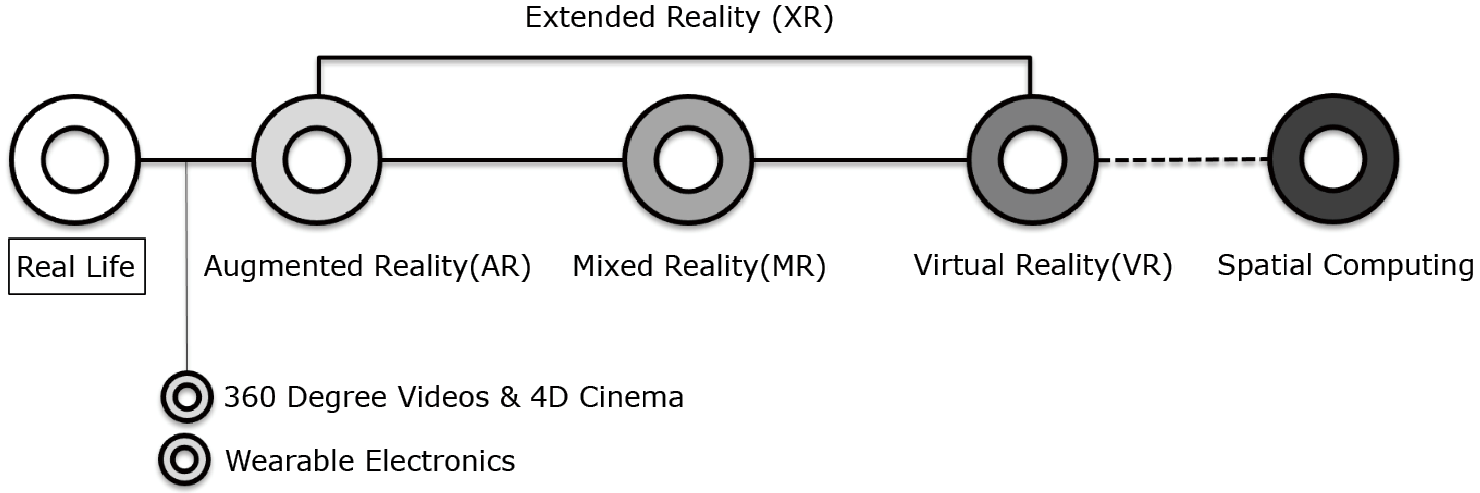
Figure 1. The Family of Extended Reality.
As shown in Figure 1, there are different core members in this family. While they may seem similar, an underlying difference exists among these members. AR is essentially the overlaying of digital content on the real world, allowing users to interact with both real and digital environments. Mixed Reality (MR), on the other hand, refers to an experience that seamlessly blends the real-world environment with digitally created content, enabling both environments to coexist and interact with each other. Examples of this technology include Microsoft’s HoloLens and the MR Easter Egg Hunt Project. VR offers a completely simulated experience that can be similar to or vastly different from the real world. It may involve a computer-based online community environment designed and shared by individuals for interaction in a custom-built, simulated world using avatars[32], as seen in Job Simulator and the Metaverse. 360-degree videos and 4D cinema provide immersive virtual experiences, such as Google Earth and the Virtual Vatican Museums in Rome. Wearable electronics, like smart surgeon gloves and Garmin watches, are also emerging members of the XR family. The final step is spatial computing technology, which may lead users to a completely new level of immersive experience and interaction.
All these members provide different virtual experiences to users, but the key lies in offering a sense of immersion. According to Sherman and Craig[32], the term “immersion” refers to an alternate reality or perspective that allows users to perceive either an alternate world or the normal world from a different point of view, which can include purely imaginary environments. Imagination is where virtual worlds begin and how numerous virtual experiences are shaped[32]. The sense of immersion is crucial in all types of virtual experiences. Researchers in HCI[33] explain that immersion is a sense of being in an environment that can exist as a purely mental state or be achieved through physical means. Immersion can be divided into mental and physical categories. Mental immersion involves being deeply engaged, characterized by a suspension of disbelief and involvement. In contrast, physical immersion involves sensory streams from the real world being replaced by rich synthetic stimuli generated by technology[34]. In contrast, physical immersion entails bodily entering a medium and receiving synthetic stimuli that engage the body's senses via technology[35]. In this context, sensory feedback (SF) allows users to select their vantage point by positioning their bodies and influencing events in the virtual world. SF is an essential component of VR, providing direct SF based on users' physical positions. Interactivity is also crucial, as computer responses to user actions must be authentic[36]. Virtual experiences are no longer separate from our lives; they have become integral to our reality.
5 COMPARATIVE ANALYSIS FOR UNDERSTANDING THE DEVELOPMENT OF HUMAN VIRTUAL EXPERIENCES
Comparative analysis involves examining phenomena to identify similarities and differences in situations or consequences among large-scale social units[37]. This research employs a key subtype of comparative analysis, known as Pattern Analysis, to discern patterns or recurrences of digital trends across extensive data sets. For better classification of historical factors, this paper has compiled a comprehensive chart detailing the development of human virtual experiences, which can be found in Table 1. As shown in the table, the earliest human virtual experience dates back to the 1890s when William Friese-Greene patented a 3D movie process. The final entry in this research is the official release of OpenAI ChatGPT in 2022. A decade is used as an interval to classify various events throughout this historical development.
Table 2. The Five Key Classifications for the Pattern Analysis
Factor(s) |
Description(s) |
Sign(s) |
1 |
Influential VR/AR Devices and Systems |
◉ |
2 |
Outstanding Films and Visual Effects |
✺ |
3 |
Distinctive Virtual Environments and Platforms |
◎ |
4 |
Key Concepts and Literature of VR/AR |
★ |
5 |
Core Virtual Currencies and Business |
▲ |
Table 3. The Tremendous Development of the Five Factors
|
1890s |
1890 |
|
✺ |
|
|
|
|
|
|
|
|
|
|
|
1891 |
|
|
|
|
|
|
|
|
|
|
|
|
|
|
1892 |
|
|
|
|
|
|
|
|
|
|
|
|
|
|
1893 |
|
|
|
|
|
|
|
|
|
|
|
|
|
|
1894 |
|
|
|
|
|
|
|
|
|
|
|
|
|
|
1895 |
|
|
|
|
|
|
|
|
|
|
|
|
|
|
1896 |
|
|
|
|
|
|
|
|
|
|
|
|
|
|
1897 |
|
|
|
|
|
|
|
|
|
|
|
|
|
|
1898 |
|
|
|
|
|
|
|
|
|
|
|
|
|
|
1899 |
|
|
|
|
|
|
|
|
|
|
|
|
|
|
|
1900s |
1900 |
|
◉ |
|
|
|
|
|
|
|
|
|
|
|
1901 |
|
|
|
|
|
|
|
|
|
|
|
|
|
|
1902 |
|
|
|
|
|
|
|
|
|
|
|
|
|
|
1903 |
|
|
|
|
|
|
|
|
|
|
|
|
|
|
1904 |
|
|
|
|
|
|
|
|
|
|
|
|
|
|
1905 |
|
|
|
|
|
|
|
|
|
|
|
|
|
|
1906 |
|
|
|
|
|
|
|
|
|
|
|
|
|
|
1907 |
|
|
|
|
|
|
|
|
|
|
|
|
|
|
1908 |
|
|
|
|
|
|
|
|
|
|
|
|
|
|
1909 |
|
|
|
|
|
|
|
|
|
|
|
|
|
|
|
1910s |
1910 |
|
|
|
|
|
|
|
|
|
|
|
|
|
1911 |
|
|
|
|
|
|
|
|
|
|
|
|
|
|
1912 |
|
|
|
|
|
|
|
|
|
|
|
|
|
|
1913 |
|
◉ |
|
|
|
|
|
|
|
|
|
|
|
|
1914 |
|
|
|
|
|
|
|
|
|
|
|
|
|
|
1915 |
|
✺ |
|
|
|
|
|
|
|
|
|
|
|
|
1916 |
|
◉ |
|
|
|
|
|
|
|
|
|
|
|
|
1917 |
|
|
|
|
|
|
|
|
|
|
|
|
|
|
1918 |
|
|
|
|
|
|
|
|
|
|
|
|
|
|
1919 |
|
|
|
|
|
|
|
|
|
|
|
|
|
|
|
1920s |
1920 |
|
|
|
|
|
|
|
|
|
|
|
|
|
1921 |
|
|
|
|
|
|
|
|
|
|
|
|
|
|
1922 |
|
◉ |
✺ |
|
|
|
|
|
|
|
|
|
|
|
1923 |
|
✺ |
|
|
|
|
|
|
|
|
|
|
|
|
1924 |
|
|
|
|
|
|
|
|
|
|
|
|
|
|
1925 |
|
|
|
|
|
|
|
|
|
|
|
|
|
|
1926 |
|
|
|
|
|
|
|
|
|
|
|
|
|
|
1927 |
|
|
|
|
|
|
|
|
|
|
|
|
|
|
1928 |
|
|
|
|
|
|
|
|
|
|
|
|
|
|
1929 |
|
✺ |
◉ |
|
|
|
|
|
|
|
|
|
|
|
|
1930s |
1930 |
|
|
|
|
|
|
|
|
|
|
|
|
|
1931 |
|
|
|
|
|
|
|
|
|
|
|
|
|
|
1932 |
|
|
|
|
|
|
|
|
|
|
|
|
|
|
1933 |
|
◉ |
|
|
|
|
|
|
|
|
|
|
|
|
1934 |
|
|
|
|
|
|
|
|
|
|
|
|
|
|
1935 |
|
★ |
|
|
|
|
|
|
|
|
|
|
|
|
1936 |
|
✺ |
✺ |
|
|
|
|
|
|
|
|
|
|
|
1937 |
|
✺ |
|
|
|
|
|
|
|
|
|
|
|
|
1938 |
|
◉ |
◎ |
|
|
|
|
|
|
|
|
|
|
|
1939 |
|
✺ |
|
|
|
|
|
|
|
|
|
|
|
|
|
1940s |
1940 |
|
|
|
|
|
|
|
|
|
|
|
|
|
1941 |
|
|
|
|
|
|
|
|
|
|
|
|
|
|
1942 |
|
|
|
|
|
|
|
|
|
|
|
|
|
|
1943 |
|
|
|
|
|
|
|
|
|
|
|
|
|
|
1944 |
|
|
|
|
|
|
|
|
|
|
|
|
|
|
1945 |
|
|
|
|
|
|
|
|
|
|
|
|
|
|
1946 |
|
◉ |
|
|
|
|
|
|
|
|
|
|
|
|
1947 |
|
|
|
|
|
|
|
|
|
|
|
|
|
|
1948 |
|
◉ |
★ |
|
|
|
|
|
|
|
|
|
|
|
1949 |
|
|
|
|
|
|
|
|
|
|
|
|
|
|
|
1950s |
1950 |
|
|
|
|
|
|
|
|
|
|
|
|
|
1951 |
|
|
|
|
|
|
|
|
|
|
|
|
|
|
1952 |
|
✺ |
✺ |
✺ |
|
|
|
|
|
|
|
|
|
|
1953 |
|
✺ |
✺ |
✺ |
✺ |
✺ |
|
|
|
|
|
|
|
|
1954 |
|
✺ |
✺ |
◎ |
|
|
|
|
|
|
|
|
|
|
1955 |
|
|
|
|
|
|
|
|
|
|
|
|
|
|
1956 |
|
◉ |
|
|
|
|
|
|
|
|
|
|
|
|
1957 |
|
◉ |
✺ |
|
|
|
|
|
|
|
|
|
|
|
1958 |
|
|
|
|
|
|
|
|
|
|
|
|
|
|
1959 |
|
|
|
|
|
|
|
|
|
|
|
|
|
|
|
1960s |
1960 |
|
✺ |
|
|
|
|
|
|
|
|
|
|
|
1961 |
|
◉ |
✺ |
|
|
|
|
|
|
|
|
|
|
|
1962 |
|
◉ |
|
|
|
|
|
|
|
|
|
|
|
|
1963 |
|
◉ |
|
|
|
|
|
|
|
|
|
|
|
|
1964 |
|
◉ |
|
|
|
|
|
|
|
|
|
|
|
|
1965 |
|
◉ |
|
|
|
|
|
|
|
|
|
|
|
|
1966 |
|
◉ |
|
|
|
|
|
|
|
|
|
|
|
|
1967 |
|
|
|
|
|
|
|
|
|
|
|
|
|
|
1968 |
|
◉ |
|
|
|
|
|
|
|
|
|
|
|
|
1969 |
|
✺ |
|
|
|
|
|
|
|
|
|
|
|
|
|
1970s |
1970 |
|
✺ |
|
|
|
|
|
|
|
|
|
|
|
1971 |
|
✺ |
|
|
|
|
|
|
|
|
|
|
|
|
1972 |
|
◉ |
|
|
|
|
|
|
|
|
|
|
|
|
1973 |
|
◉ |
|
|
|
|
|
|
|
|
|
|
|
|
1974 |
|
|
|
|
|
|
|
|
|
|
|
|
|
|
1975 |
|
◉ |
|
|
|
|
|
|
|
|
|
|
|
|
1976 |
|
✺ |
✺ |
|
|
|
|
|
|
|
|
|
|
|
1977 |
|
◉ |
◉ |
◎ |
|
|
|
|
|
|
|
|
|
|
1978 |
|
◎ |
|
|
|
|
|
|
|
|
|
|
|
|
1979 |
|
◉ |
◉ |
◎ |
|
|
|
|
|
|
|
|
|
|
|
1980s |
1980 |
|
|
|
|
|
|
|
|
|
|
|
|
|
1981 |
|
✺ |
◎ |
|
|
|
|
|
|
|
|
|
|
|
1982 |
|
✺ |
◎ |
|
|
|
|
|
|
|
|
|
|
|
1983 |
|
✺ |
◎ |
|
|
|
|
|
|
|
|
|
|
|
1984 |
|
◉ |
✺ |
★ |
|
|
|
|
|
|
|
|
|
|
1985 |
|
✺ |
◉ |
|
|
|
|
|
|
|
|
|
|
|
1986 |
|
◉ |
◉ |
✺ |
◎ |
|
|
|
|
|
|
|
|
|
1987 |
|
◉ |
★ |
|
|
|
|
|
|
|
|
|
|
|
1988 |
|
◉ |
✺ |
|
|
|
|
|
|
|
|
|
|
|
1989 |
|
◉ |
✺ |
▲ |
|
|
|
|
|
|
|
|
|
|
|
1990s |
1990 |
|
◉ |
◎ |
✺ |
|
|
|
|
|
|
|
|
|
1991 |
|
◉ |
◉ |
✺ |
◎ |
★ |
★ |
|
|
|
|
|
|
|
1992 |
|
◉ |
✺ |
◎ |
◎ |
★ |
★ |
|
|
|
|
|
|
|
1993 |
|
◉ |
◉ |
◉ |
◉ |
◉ |
◎ |
◎ |
|
|
|
|
|
|
1994 |
|
◉ |
✺ |
✺ |
◉ |
◎ |
◎ |
▲ |
|
|
|
|
|
|
1995 |
|
◉ |
◉ |
◉ |
✺ |
✺ |
✺ |
✺ |
◎ |
▲ |
▲ |
▲ |
|
|
1996 |
|
◉ |
◉ |
◉ |
◉ |
◉ |
◎ |
◎ |
|
|
|
|
|
|
1997 |
|
◉ |
◉ |
✺ |
✺ |
◎ |
|
|
|
|
|
|
|
|
1998 |
|
◉ |
✺ |
◎ |
▲ |
|
|
|
|
|
|
|
|
|
1999 |
|
◉ |
✺ |
✺ |
✺ |
|
|
|
|
|
|
|
|
|
|
2000s |
2000 |
|
|
|
|
|
|
|
|
|
|
|
|
|
2001 |
|
◉ |
✺ |
|
|
|
|
|
|
|
|
|
|
|
2002 |
|
◉ |
◉ |
✺ |
◎ |
|
|
|
|
|
|
|
|
|
2003 |
|
◉ |
◉ |
✺ |
✺ |
◎ |
◎ |
◎ |
◎ |
◎ |
|
|
|
|
2004 |
|
◉ |
◉ |
◉ |
◉ |
✺ |
◎ |
◎ |
◎ |
◎ |
|
|
|
|
2005 |
|
◉ |
◉ |
✺ |
◎ |
▲ |
|
|
|
|
|
|
|
|
2006 |
|
◉ |
◉ |
✺ |
✺ |
✺ |
◎ |
▲ |
|
|
|
|
|
|
2007 |
|
◉ |
✺ |
✺ |
|
|
|
|
|
|
|
|
|
|
2008 |
|
◉ |
◉ |
✺ |
◎ |
◎ |
|
|
|
|
|
|
|
|
2009 |
|
◉ |
◉ |
◉ |
▲ |
★ |
★ |
|
|
|
|
|
|
|
|
2010s |
2010 |
|
◉ |
◎ |
|
|
|
|
|
|
|
|
|
|
2011 |
|
✺ |
◎ |
◎ |
|
|
|
|
|
|
|
|
|
|
2012 |
|
◉ |
◎ |
▲ |
|
|
|
|
|
|
|
|
|
|
2013 |
|
◉ |
◉ |
|
|
|
|
|
|
|
|
|
|
|
2014 |
|
◉ |
◉ |
◉ |
◉ |
◎ |
|
|
|
|
|
|
|
|
2015 |
|
◉ |
◉ |
◉ |
▲ |
|
|
|
|
|
|
|
|
|
2016 |
|
◉ |
◉ |
◉ |
◉ |
◎ |
◎ |
|
|
|
|
|
|
|
2017 |
|
◉ |
◉ |
◉ |
◉ |
◉ |
◎ |
|
|
|
|
|
|
|
2018 |
|
◉ |
◉ |
▲ |
|
|
|
|
|
|
|
|
|
|
2019 |
|
◉ |
◎ |
|
|
|
|
|
|
|
|
|
|
|
|
2020s |
2020 |
|
◉ |
|
|
|
|
|
|
|
|
|
|
|
2021 |
|
◉ |
◎ |
▲ |
|
|
|
|
|
|
|
|
|
|
2022 |
|
◉ |
◎ |
|
|
|
|
|
|
|
|
|
|
|
2023 |
|
|
|
|
|
|
|
|
|
|
|
|
|
|
2024 |
|
|
|
|
|
|
|
|
|
|
|
|
|
|
2025 |
|
|
|
|
|
|
|
|
|
|
|
|
|
|
2026 |
|
|
|
|
|
|
|
|
|
|
|
|
|
|
2027 |
|
|
|
|
|
|
|
|
|
|
|
|
|
|
2028 |
|
|
|
|
|
|
|
|
|
|
|
|
|
|
2029 |
|
|
|
|
|
|
|
|
|
|
|
|
|
To summarize human virtual experiences from historical studies, five milestones or periods can be identified. The first milestone, in the 1880s, marks the beginning of the concept of human virtuality with the invention of photography and the first stereoscope camera, providing the initial experience of what could be called “virtuality.” The second milestone, in the 1950s, features the creation of the first VR device, known as “Sensorama,” by cinematographer Morton Heilig, which stimulated all of the audience's senses in an arcade-style theater cabinet. The third milestone, in the 1980s, saw the invention of a range of devices, such as goggles, gloves, and other gear, signifying the actual beginning of the age of virtual experiences. The fourth milestone, in the 2000s, involved Google enhancing its Earth Map service with street-level 360-degree images captured by special cars, enriching human virtual experiences within VE and extending them to hyper-realistic world situations. Finally, the fifth milestone, in the 2020s, introduces Meta’s metaverse, representing an evolutionary stage in human virtual experiences and social connection, with expectations to transform interactions across social, learning, work collaboration, and entertainment. In this context, conventional HCI approaches are no longer sufficient, as the user interface is expected to fade out and be replaced by cognitive control systems. The shift from HCI to a more Experience-Centered Interaction (ECI) is crucial, and further discussion will be provided in the later sections.
6 A NEW FORM OF INTERACTION IN IMMERSIVE VIRTUAL ENVIRONMENTS – CREATING ECI
In 1984, William Gibson foreshadowed a future-connected world in his science fiction novel Neuromancer, where every individual could merge into a larger whole to connect. Gibson’s concept goes beyond merely predicting the rise of social media; it anticipates entirely new human virtual experiences enabled by technology.
Indeed, numerous studies have mentioned that one of the aims of virtual technology development is to embody the human virtual experience [39-42] , which significantly enhances the experience of “being there” [43] for humans in the computer-mediated environment. Although Sensorama embodied the sense of telepresence, VR did not allow users to interact with the immersive environment until the establishment of Sutherland’s HMD in 1968 [44] . Researchers suggest that the concept of VR is shaped by the events of technology development and that a more advanced immersive virtual environment could induce a more advanced telepresence experience [45] . This paper highlights the importance of human virtual experiences, particularly "telepresence experiences," along with the history of virtual technology development. Telepresence is closely related to the user’s psychological state, and some research has been conducted on user perception [40] , user engagement [46] , and sensorial experience [47] . Interactivity also manifests in micro-level behaviors in virtual worlds, such as the human-avatar relationship [48] . Experience-centered interaction encompasses both simulation and stimulation of real or physical experiences within an immersive virtual environment, conceptualized in the context of user interaction as being between direct and indirect responsiveness. For example, Wang and his colleagues [49] investigated the influence of the interaction experiential customization mode on consumers' information processing fluency and their intentions, while Kadaskar [50] examined the effectiveness of gestural interaction in enhancing user experience (UX) in mobile application design, with findings indicating a significant improvement in user engagement and satisfaction.
HCI mainly focuses on the deliberate design of the user interface and experiences. It is a “direct” approach to understanding users’ behavior in an immersive virtual environment. In contrast, ECI is an “indirect” approach that aims to create unique stimulation in experiences for all types of users. Current efforts are exploring diverse perspectives; for instance, Li and Zhang [51] examine the application of fuzzy logic within a specified interaction design use-case model to improve UX, while Afzal [52] emphasizes the significance of User Experience Strategy in meeting consumer needs and crafting practical, engaging solutions. Nonetheless, ECI is expected to be highly immersive, offering users an unlimited sense of imagination and association.
As Figure 2 shows the forecasted development of human virtual experiences, we are currently situated between stage one of HCI and stage two of ECI. Stage one focuses on the understanding and implementation of (1) vividness interactivity; (2) UX/UI design; (3) the use of sensory feedback; and (4) computer simulation. In contrast, stage two emphasizes (1) the sense of presence; (2) experience design; (3) immersive experiences; and (4) computer stimulation. In the era of ECI, there are several key technologies that interaction designers should be aware of. For instance, Spatial Computing makes the hardware disappear, showcasing only the output of the machine (e.g., the Oculus Home on Samsung GearVR; eye-controlled interactions). Additionally, the Cognitive Control System responds to the user’s single actions, requiring that the intended action originate from the user. This system should indicate where the user needs to engage with the interface and the desired direction of their action. Last but not least, Knowledge Tracking is also highly emphasized; it is a knowledge-based method for analyzing the dominant structures related to problem-solving. Furthermore, interactive designers should anticipate the forthcoming stage three of AI-Centered Interactions, which comprises a set of interactions among the Web, Me Media, Big Data, and the Internet of Things.
|
|
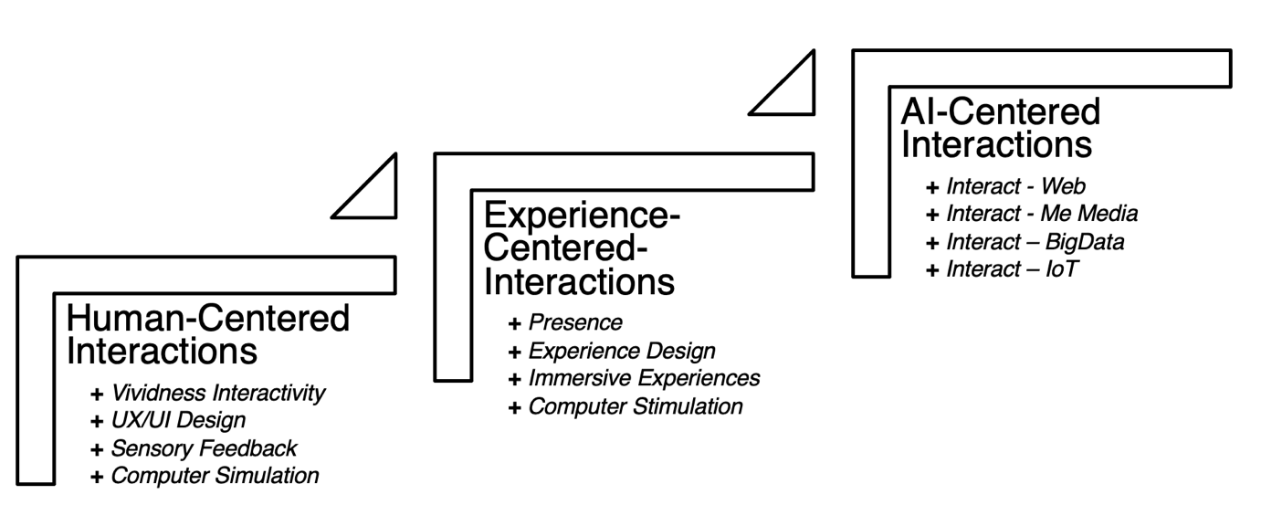
Figure 2. A Forecasted Development of Human Virtual Experiences.
7 CONCLUSION AND IMPLICATIONS
This paper discusses the changes in human experiences with the development of virtual technologies and concepts through pattern analysis. The direction of interaction design is gradually shifting from HCI to ECI, providing humans with new experiences in a virtual world, which has become a crucial factor in successful interaction design. Wu [53] highlights the necessity for innovative interaction design methods to improve UX in both virtual and physical products amid the digital revolution. User interface design and interaction experience are always critical to the success of digital platforms, as their optimization can significantly enhance user satisfaction and operational efficiency [33] . Indeed, current research [53] studies the design methodologies for UX in interaction design.
Nonetheless, the key is always to focus on providing users with stimulation rather than simulation [54,55] . Technology and practice, even coding, are not the primary concerns in today’s AI-enhanced production (e.g., ChatGPT). ChatGPT is indeed a cognitive control system for a new type of ECI, as it reduces users’ cognitive load when interacting with the system, allowing them to conserve energy and enjoy the stimulation of the environment. This new form of human-computer interaction ultimately leads to a higher level of immersive experiences. An all-in-one human experience-centered interface should be developed to work with the metaverse. From academic and educational perspectives, there is a need to change the entire theoretical foundation and practices [56,57] , as well as the teaching and learning of interaction design in the virtual world, based on the consideration of human virtual experiences.
A new set of theories and practices to enhance humans’ sense of immersion in XR should be introduced to cope with these historical changes. The significance of employing proactive interaction strategies with users is underscored, as such approaches facilitate active engagement and enable the delivery of optimal solutions tailored to personalized contextual data [58] . Nevertheless, significant unknowns still exist in the approach of ECI in highly immersive VR. There is much to be learned about how such an environment will affect experience design, stimulation, and interaction. With our new generations increasingly emphasizing the importance of experiential factors in their daily lives, there is no doubt that ECI will continue to be a trend in designing immersive VE for various purposes. Therefore, we suggest that further studies be conducted to explore the unanswered questions and identify how to make the best use of this potential approach for interactive design.
Acknowledgements
Not applicable.
Conflicts of Interest
The author declared no conflict of interest.
Data Availability
All data generated or analyzed during this study are included in this published article.
Copyright Permissions
Copyright © 2025 The Author(s). Published by Innovation Forever Publishing Group Limited. This open-access article is licensed under a Creative Commons Attribution 4.0 International License (https://creativecommons.org/licenses/by/4.0), which permits unrestricted use, sharing, adaptation, distribution, and reproduction in any medium, provided the original work is properly cited.
Author Contribution
Lau KW contributed to the manuscript and approved the final version.
Abbreviation List
ECI, Experience-centered interaction
HCI, Human-centered interaction
HMD, Head-mounted display
MR, Mixed reality
SF, Sensory feedback
UX, User experience
VE, Virtual environments
VR, Virtual reality
XR, Extended reality
References
[1] Seow V, Schäfer D. Making history: technologies of production and the estate of knowledge in East Asia.Hist Technol,2022; 38: 107-125.[DOI]
[2] Hutchinson JMC. The History of Virtual and Augmented Reality: From 1838 to Present.Int J Virtual Aug,2019; 31: 1-15.
[3] Schroeder R. Virtual reality in the real world: history, applications and projections.Futures,1993; 25: 963-973.[DOI]
[4] Mazuryk T, Gervautz M. Virtual reality: History, Applications, Technology and Future. Available at:[Web]
[5] Spehr P. The Man Who Made Movies: WKL Dickson. John Libbey Publishing: New Barnet, UK, 2008.[DOI]
[6] Jockenhövel J. What is it if it’s not real? it’s genre—early color film and digital 3D.Indep Film J,2011; 7: 1-14. Available at.[Web]
[7] Krueger MW. Responsive environments. Proceedings of the June 13-16, 1977, national computer conference. 1977: 423-433.[DOI]
[8] Heim M. Virtual Realism. Oxford University Press: New York, USA, 1998.[DOI]
[9] Greenbaum P. The Lawnmower Man. Film and Video. 1992.
[10] Shields R. The Virtual. Routledge: New York, USA, 2003.
[11] Fitzgerald M, Riva G. Telemedicine glossary. European Commission-DG INFSO, 2001.
[12] Riva G. From technology to communication: Psycho-social issues in developing virtual environments.J Visual Lang Comput,1999; 10: 87-97.[DOI]
[13] Seidel RJ, Chatelier PR, NATO Defense Research Group, 1997. Virtual reality, training’s future?: perspectives on virtual reality and related emerging technologies. Plenum Press: New York, USA, 1997.[DOI]
[14] Steuer JS. Defining Virtual Reality: Dimensions Determining Telepresence.J Commun,1992; 42: 73-93.[DOI]
[15] Li H, Daugherty T, Biocca F. Characteristics of virtual experience in electronic commerce: A protocol analysis.J Interact Mark,2001; 15: 13-30.[DOI]
[16] Slater M. Measuring presence: A response to the Witmer and Singer presence questionnaire.Presence-Teleop Virt,1999; 8: 560-565.[DOI]
[17] Kim T, Biocca F. Telepresence via television: Two dimensions of telepresence may have different connections to memory and persuasion.J Comput-Mediat Comm,1997; 3: JCMC325.[DOI]
[18] Fiore AM, Jin HJ, Kim J. For fun and profit: Hedonic value from image interactivity and responses toward an online store.Psychol Market,2005; 22: 669-694.[DOI]
[19] Fiore AM, Kim J, Lee HH. Effect of image interactivity technology on consumer responses toward the online retailer.J Interact Mark,2005; 19: 38-53.[DOI]
[20] Yoon SY, Laffey J, Oh H. Understanding usability and user experience of web-based 3D graphics technology.Int J Hum-Comput Interact,2008; 24: 288-306.[DOI]
[21] Nunez D, Blake E. Learning, experience, and cognitive factors in the presence experiences of gamers: An exploratory relational study.Presence-Teleop Virt,2006; 15: 373-380.[DOI]
[22] Weghorst S, Billinghurst M. Spatial perception of immersive virtual environments. University of Washington: Seattle, USA, 1993.
[23] Yuille JC, Catchpole MJ. The role of imagery in models of cognition.J Ment Imagery,1977; 1: 171-180.
[24] Regenbrecht H, Schubert T. Real and Illusory Interactions Enhance Presence in Virtual Environments.Presence Teleoperators & Virtual Environments,2002; 11: 425-434.[DOI]
[25] Daugherty TM, Li H, Biocca F. Consumer Learning and 3-D Ecommerce: The Effects of Sequential Exposure of a Virtual Experience Relative to Indirect and Direct Product Experience on Product Knowledge, Brand Attitude and Purchase Intention. Michigan State University. College of Communication Arts & Sciences, Mass Media Ph. D. Program, 2001.
[26] Biocca F. The Cyborg's Dilemma: Progressive Embodiment in Virtual Environments.J Comput-Mediat Comm,1997; 3: JCMC324.[DOI]
[27] Biocca F. Communication Within Virtual Reality: Creating a Space for Research.J Commun,1992; 42: 5-5.[DOI]
[28] Crecente B PlayStation Move Review: The Motion Controller Wars Start Now, in Kotaku, Gawker Media. Accessed 13 March 2019. Available at:[Web]
[29] Wesley YP. PlayStation 3 hits 70 million units shipped worldwide mark six years after launch, Eurogamer. Accessed 13 March 2019. Available at:[Web]
[30] Thomas PC, David WM. Augmented reality: An application of heads-up display technology to manual manufacturing processes. Proceedings of the Twenty-Fifth Hawaii International Conference on System Sciences, Kauai, HI, USA,1992; 2: 659-669.[DOI]
[31] Adil M, Song H, Khan MK et al. 5G/6G-enabled metaverse technologies: Taxonomy, applications, and open security challenges with future research directions.J Netw Comput Appl,2024; 223: 103828.[DOI]
[32] Sherman WR, Craig AB. Understanding virtual reality. San Francisco, CA: Morgan Kauffman: New York, USA, 2003
[33] Qi Y, Xu R. Research on User Interface Design and Interaction Experience: A Case Study from "Duolingo" Platform.EAI Endorsed Trans Scalable Inform Systs,2024; 11: 61.[DOI]
[34] Agrawal S, Simon A, Bech S et al. Defining Immersion: Literature Review and Implications for Research on Immersive Audiovisual Experiences.J Audio Eng Soc,2020; 68: 404-417.[DOI]
[35] Parsons TD, Gaggioli A, Riva G. Virtual Reality for Research in Social Neuroscience.Brain Sci,2017; 7: 42.[DOI]
[36] Wang A, Thompson M, Uz-Bilgin C et al. Authenticity, Interactivity, and Collaboration in Virtual Reality Games: Best Practices and Lessons Learned.Front Virtual Real,2021; 2: 734083.[DOI]
[37] Smelser NJ. Comparative methods in the social sciences. Quid Pro Books: USA, 2013.
[38] Blade RA, Padgett ML. Virtual environments: History and profession. Handbook of Virtual Environments. Lawrence Erlbaum Associates: New Jersey, USA, 2002: 1207-1218.
[39] Milan S, Jesu K, Sujit J. Virtual Reality and Human Experience.Indian J Mod Res Rev,2024; 2: 22-26.[DOI]
[40] Faiola A, Newlon C, Pfaff M et al. Correlating the effects of flow and telepresence in virtual worlds: Enhancing our understanding of user behavior in game-based learning.Comput Hum Behav,2013; 29: 1113-1121.[DOI]
[41] Haans A, IJsselsteijn WA. Embodiment and telepresence: Toward a comprehensive theoretical framework.Interact Comput,2012; 24: 211-218.[DOI]
[42] Hyun MY, O'Keefe RM. Virtual destination image: Testing a telepresence model.J Bus Res,2012; 65: 29-35.[DOI]
[43] Schroeder R. Being there together: Social interaction in shared virtual environments. Oxford University Press: London, UK, 2010[DOI]
[44] Sutherland IE. A head-mounted three dimensional display. Proceedings of the December 9-11, 1968, fall joint computer conference, part I. 1968: 757-764.[DOI]
[45] Hameed A, Perkis A. Authenticity and presence: defining perceived quality in VR experiences.Front Psychol,2024; 15: 1291650.[DOI]
[46] Mollen A, Wilson H. Engagement, telepresence and interactivity in online consumer experience: Reconciling scholastic and managerial perspectives.J Bus Res,2010; 63: 919-925.[DOI]
[47] Reinhard CL. Interviews within experimental frameworks: How to make sense of sense-making in virtual worlds.J Virtual Worlds Res,2010; 3: 1.[DOI]
[48] Hasler BS, Tuchman P, Friedman D. Virtual research assistants: Replacing human interviewers by automated avatars in virtual worlds.Comput Hum Behav,2013; 29: 1608-1616.[DOI]
[49] Wang C, Zhang Y, Zhang R. Green consumption by design: Interaction experiences and customization intentions.Manage Decis,2024; 62: 1375-1394.[DOI]
[50] Kadaskar HR. Enhancing user experience in mobile application design through gestural interaction: a human-computer interaction perspective.Int J Sci Res Mod Sci Technol,2024; 3: 01-06.[DOI]
[51] Li J, Zhang B. The Role of Interaction Design Based on Fuzzy Decision Support System in Improving User Experience.Int J Fuzzy Syst,2025; 2025: 1-17.[DOI]
[52] Afzal M, Salahuddin M, Hira S et al. A Systematic Literature Review of Understanding the Human-Computer-Intraction Collaboration with User Experience Design. Bulletin of Business and Economics (BBE), 2024; 13: 723-729.[DOI]
[53] Wu Y. The scope and analysis of design methodologies for user experience in interaction design. International Conference on Human-Computer Interaction. Cham: Springer Nature Switzerland, 2023: 169-175.[DOI]
[54] Lau KW. Learning game innovations in immersive game environments: a factor analytic study of students’ learning inventory in virtual reality.Virtual Real,2023; 27: 2331-2339.[DOI]
[55] Lau KW. Social Virtual Reality as a Solution for Aging Services and Gerontology: Understanding the Older Adults’ Acceptance of Virtual Reality Applications.Adv Gerontol,2024; 14: 161-170.[DOI]
[56] Adi Badiozaman IF, Segar AR, Hii J. A pilot evaluation of technology–enabled active learning through a hybrid augmented and virtual reality app.Innov Educ Teach Int,2022; 59: 586-596.[DOI]
[57] Bowman DA, Hodges LF, Allison D et al. The educational value of an information-rich virtual environment.Presence-Teleop Virt,1999; 8: 317-331.[DOI]
[58] Ren M, Dong L, Xia Z et al. A proactive interaction design method for personalized user context prediction in smart-product service system.Procedia CIRP,2023; 119: 963-968.[DOI]



 Copyright ©