
Advancing Adjuvant Treatment for Bacterial Sepsis: Exploring Anti-biofilm Compounds and Efflux Pump Inhibitors
Marcos López-Pérez1*, Leonardo Herrera-Zúñiga2,3
1Department of Environmental Sciences, Division of Biological and Health Sciences, Autonomous Metropolitan University (Lerma Unit), Mexico City, Mexico
2Department of Chemistry, Autonomous Metropolitan University (Iztapalapa Unit), Mexico City, Mexico
3Department of Natural Sciences, Autonomous Metropolitan University (Cuajimalpa Unit), Mexico City, Mexico
*Correspondence to: Marcos López-Pérez, PhD, Senior Researcher, Department of Environmental Sciences, Division of Biological and Health Sciences, Autonomous Metropolitan University (Lerma Unit), Avda. Hidalgo Poniente 46, Col. La Estación, Lerma de Villada, Municipio de Lerma, Estado de México, C. P. 52006, Mexico City, Mexico; E-mail: m.lopez@correo.ler.uam.mx
DOI: 10.53964/id.2025009
Abstract
Bacterial infectious diseases have been treated with antibiotics for several decades. However, the adaptive response observed throughout this period can be summarised as the emergence of a diverse range of resistance mechanisms. Consequently, the inevitability of this bacteria's adaptive response can be mitigated by the application of drugs or compounds that are not related to the physiological mechanisms associated with the antibiotics' effects. However, if it is possible to use adjuvant strategies, this may prove more effective. In this context, it is possible to cite the drugs and compounds that affect efflux cells or efflux pump inhibitors, as well as those that influence the mechanisms associated with biofilm production. Both types of compounds are related to non-specific resistance mechanisms, and thus represent two of the principal processes through which bacteria can develop resistance mechanisms. This paper presents a framework for understanding the relevance of prioritising mechanisms associated with non-specific resistance as a pharmacological target as a strategy to attenuate the intensity and frequency of antibiotic resistance mechanisms.
Keywords: antibiotic resistance, anti-biofilm compound, efflux pumps inhibitors, non-specific mechanism
1 INTRODUCTION
A nonspecific microbial mechanism was identified in the physiology of bacteria, and it was found to be present in all bacterial diversity, being found to be present in all ecosystem niches of the biosphere[1]. Currently, non-specific adaptation processes (mainly those associated with transport, internalisation or selective regulation and cellular efflux, bacterial aggregation, modification of metabolic intensity and/or cellular latency, among others) represent a significant challenge for bacterial species with pathogenic potential, with a particular impact in clinical environments. It is therefore pertinent to refer to the genera Klebsiella, Mycobacterium, Salmonella, Acitenobacter, Vibrio, or Pseudomonas, among others, which have developed highly effective and diverse resistance mechanisms to drugs with antimicrobial activity as a consequence of scenarios whose selection pressure It is characterised by the constant presence of antibiotics where, eventually, their concentration may be in sub-lethal conditions. In these circumstances, non-specific resistance mechanisms enable bacteria to evade cell lysis in a bacteriostatic scenario. Over time, if these conditions persist, they facilitate the emergence of resistance phenotypes. This article reviews the two main categories of non-specific resistance mechanisms that have the potential to be pharmacological targets to prevent the emergence of resistance phenotypes under conditions of sub-lethality in a context of antibiotic therapy. These are cell efflux pump inhibitors (EPIs) and inhibitors of the development of bacterial biofilms.
2 INHIBITORS OF CELLULAR EFFLUX AS AN ADJUVANT ELEMENT IN THERAPY WITH ANTIBIOTICS
Cellular efflux mechanisms are systems that play a central role in homeostatic regulation present not only in bacteria but have also been identified and studied in eukaryotic organisms. In conclusion, the functioning dynamics of these systems can be divided into two main categories. The first category encompasses the mechanisms associated with the regulation of expression, which modify the amount of these transporters present and active in bacterial physiology. These mechanisms have been repeatedly reported to be of special relevance under stress conditions due to different factors[2]. In this context, the diverse types and intensities of stressful conditions determine the upregulation or downregulation of these transporters, which in turn adjusts their function from a quantitative perspective. In contrast, the second category , pertains to the specific efflux function of this type of protein. It is therefore pertinent to indicate that the transporters associated with cellular efflux are very diverse, with some examples shown in Figure 1. Furthermore, one of the defining characteristics of these proteins is that they have been the subject of numerous studies which have indicated that they are not particularly specific or promiscuous[3]. This phenomenon is evolutionarily plausible, given that they are systems used by bacteria in a non-specific manner to eliminate a vast array of organic molecules from the cytoplasm, originating from the metabolism of soil microorganisms. These microorganisms employ an extensive range of metabolic pathways, resulting in the production of a vast array of secondary metabolites with potential bacteriostatic and/or bactericidal properties[4].
|
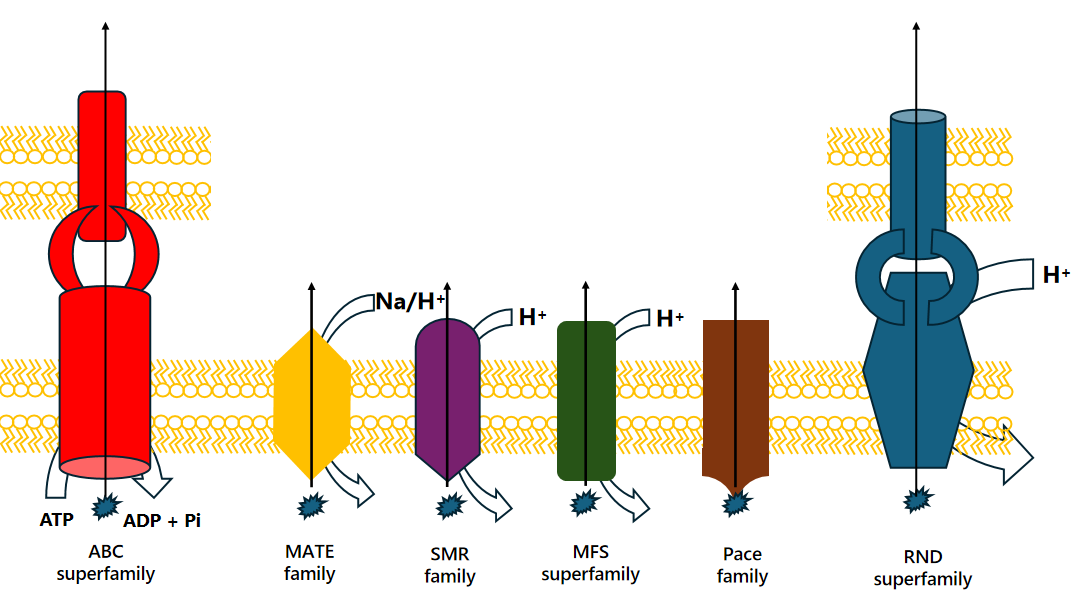
Figure 1. Main Mechanisms of Cell Efflux Described in Bacterial Physiology.
These two broad categories of mechanisms act in an adjuvant and cooperative manner within a bacterial microcolony, enabling the adaptation phenomena of a vast array of ecosystem niches. This bacterial characteristic is currently the subject of research into the development of antimicrobial treatments, with a focus on efflux mechanisms present in bacteria with relevance in clinical microbiology. Several studies have been conducted on this topic, including work by Askoura et al.[5] on the genus Pseudomonas, which involved the use of peptidomimetic compounds such as phenylalanine arginyl β-naphthylamide. In addition, inhibitors of the AcrAB-TolC transporters of Escherichia coli have also recently been studied[6]. Other studies have examined the cellular efflux systems of Acinetobacter baumannii concerning antibiotic resistance processes, to develop EPIs for this pathogen[7].
Other pertinent studies in this field have employed the use of cell efflux inhibitors in the presence of antibiotics to examine the effects on Klebsiella pneumoniae[8]. Regarding the methodologies employed in the development of EPIs, these may be broadly categorised into two main groups. The first of these encompasses studies that analyse the pharmacopoeia, particularly in natural environments with a high diversity of secondary metabolites. The compounds in question have the potential to exhibit antimicrobial activity, inhibiting the intensity of non-specific adaptation mechanisms. In this context, it has recently been published that a significant number of compounds with these characteristics are found in plants, as has already been reported[9]. In the other major category of development of cellular efflux inhibitors, it is possible to speak of the bioinformatics approach. This involves the analysis of the isolated genetic sequences of the organisms of interest and their subsequent bioinformatics analysis. This focuses mainly on the development of the three-dimensional model of the protein and the subsequent analysis of its functioning kinetics (Figure 2).
|
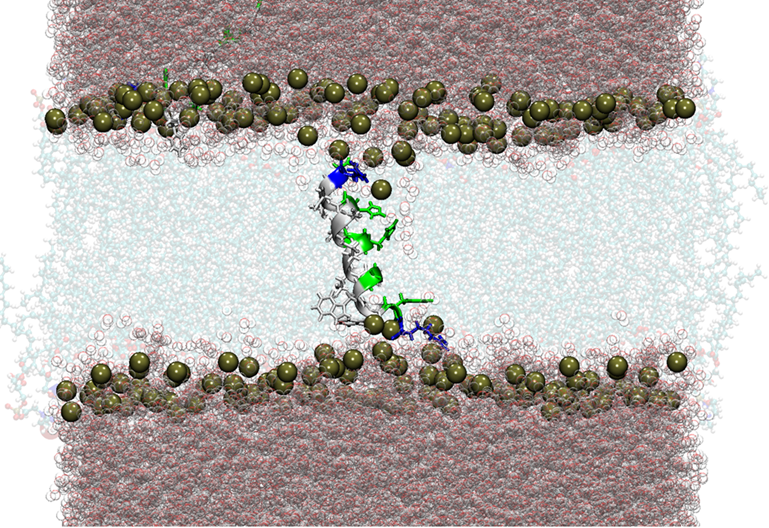
Figure 2. Representation a Generic Example of an Interaction Between an Efflux Inhibitor and an Helix in an Amino Acid Residue of a Transporter Protein.
This allows the necessary information to be collected that allows the inhibition of the cellular efflux process to be theorised. In this context, it is necessary to cite several relevant works. For instance, there are works that have explored this methodology[10], while other works have employed substrate-protein docking analysis (docking)[11]. Additionally, there are reference works that are based on in silico analysis[12].
3 BIOFILM INHIBITION AS AN ADJUVANT STRATEGY TO REDUCE BACTERIAL NON-SPECIFIC RESISTANCE TO ANTIBIOTICS
Throughout evolutionary history, bacteria have developed the ability to form biofilms with two fundamental adaptive goals, with broad physiological and genetic consequences. It is important to note that the bacterial ecosystem niche is characterised by significant fluctuations in its parameters over short periods of time. This has clear consequences, including the implementation of mechanisms that promote adaptation to new physical-chemical conditions, which entails a significant consumption of energy. Therefore, the processes that resulted in the anchoring to the substrate enabled the bacteria to utilise the resources of an ecosystem niche without having a potential exposure to a drastic environmental variation. This strategy was so successful that it was extended throughout the bacterial tree of life. Conversely, the formation of biofilms conferred another significant adaptive advantage. This can be summarised as follows: the micro-colonies formation anchored to the substrate, through the production of biofilms, allowed bacteria of different species to agglutinate, thereby creating an optimal scenario for the horizontal transfer of genetic information. These two advantages permit an explanation of why the formation of biofilms represents a non-specific adequacy mechanism. The repression of biofilm formation would limit the bacterial adaptive capacity. This represents a novel approach that has recently been explored as an adjuvant strategy to limit the emergence of resistance to antibiotics.
In the scientific literature, several strategies have been described whose purpose is to affect the biofilm formation physiology of the bacteria in different parts. In this context, we may consider the following strategies: a) The destruction of extracellular polymeric substances. In this approach, enzymes have been employed as the primary agent of destruction[13,14]; b) Induces biofilm dispersion by affecting quorum sensing. In this second approach, the works have focused on affecting the processes associated with the receptors of secondary cellular messengers related to the detection of cell density. or affect the processes of information transfer in signal transduction mechanisms. In this context, despite the profusion of the bibliography, it is pertinent to mention some works, such as those focused on gram-negative pathways, which used N-acyl homoserine lactones and the quinolone signal[15,16]. Finally, the other strategy present in the bibliography refers to c) the killing of persister cells within biofilms. It is important to clarify that one of the non-specific mechanisms that enables resistance to drugs with antimicrobial activity refers to cells that remain in a latent state, maintaining low rates of energy demand by a very low metabolic rate. This also affects the transport process, which is severely limited. In turn, this affects the penetration of antibiotics. Furthermore, the molecular targets of antibiotics have much less activity, which dramatically decreases the effect on cell physiology. The third strategy entails the identification of compounds that can eradicate these cells, thus preventing the reactivation of the culture with an additional resistance phenotype if the selection pressure for antibiotics ceases. In this context, it is possible to cite several works that have been carried out in this field. For example, some studies have focused on the use of synthetic antibiotics[17], as well as studies that have employed host defence mechanisms[18-20]. This strategy encompasses other noteworthy works focused on the design of adjuvant treatments with metabolites[21].
4 NANOTECHNOLOGICAL APPROACHES FOR REPRESSION OF BIOFILM
To address the development of new strategies to confront antimicrobial resistance, it is necessary to refer to nanotechnology. In this sense, there are review works that have previously brought together the most interesting studies published to date[22]. For the development of treatments that contribute to the presence of antibiotics, several approaches have been taken, such as the use of metal nanoparticles, for example, zinc oxide NPs, used in Candida Albicans[23], silver NPs in combination with biofilm-lysing enzyme (α-amylase) and dopamine, in S. aureus biofilms[24]. Functionalized metal nanoparticles have also been used. In this case, some of the most relevant works used Pseudomonas auroginosa, where they used poly-L-lysine (HBPL)-modified manganese dioxide (MnO2)[25] or quercetin[26]. Another relevant approach refers to the use of dendrimers, particularly PEGylated carbosilane dendrimers used in P. aeruginosa[27]. Additionally, an additional perspective includes the use of polymeric nanoparticles. Some examples with this approach were carried out through the analysis of yeast cultures of the genus Candida[28], or for example, the use of doxycycline-functionalized polymeric, analyzed in cultures of Enterococcus faecalis[29]. Finally, one of the most interesting approaches refers to the use of solid lipid nanoparticles. Regarding this last application, it is pertinent to refer to work carried out with S. aureus[30]. In another notable work, Liposomes-in-chitosan was used[31].
5 GENE EDITING AS A TOOL FOR THE ATTENUATION OF RESISTANCE MEDIATED BY BIOFILMS
The problem of bacterial sepsis measured by the presence of biofilm has also been addressed using gene editing techniques. Fundamentally based on CRISPR-Cas techniques. Concerning this technique, it is pertinent to indicate that its use can be categorized with two approaches, one directed at pathogens specifically or it has also been used on specific genes independently of the genome of the organism where they are integrated[32]. In this sense, several works should be cited. For example, relevant works whose approach includes the use of plasmids that carry information to deactivate a resistance gene, so that the integration of these vectors results in a phenotypic change from resistant to susceptible[33]. Specific work with this approach was carried out by Bikard et al.[34], who deactivated a methicillin resistance gene in S. aureus. In another more recent work, the effect of using pCasCure plasmids to generate susceptibility of Enterobacteriaceae to antibiotics from the carbapenem group was evaluated[35]. Finally, some of the relevant works that should be incorporated into this analysis focus on genes associated with the quorum sensing mechanism, particularly affecting the sequence of the luxS gene, in E. coli[36], while in another work this same group focused on affecting the function of bacterial adhesion, using CRISPR to modify the effect of the fimH gene[37]. Finally, it is necessary to mention that there are already works that have developed techniques to combine the use of nanoparticles and genetic editing, using CRISPR, to confront antimicrobial resistance[38].
6 ARTIFICIAL INTELLIGENCE (AI) APPROACH FOCUS TO BIOFILMS GROWTH PREVENT
The use of AI as an adjuvant tool to include in future treatments to control bacterial sepsis may provide a hopeful horizon for facing a process as complicated as bacterial adaptation. In this sense, although there is little bibliography on the matter, there are some works that have specifically delved into this approach. However, some works have had results using AI to predict the formation of biofilms, as well as the identification of genes through the study of genomes, which could potentially have a role in the formation of biofilms[39]. On the other hand, there are works with a focus on inert surfaces (titanium), where the formation of biofilms has been evaluated through image analysis[40].
7 CONCLUSION
The microbial adaptation processes to treatments that involve the use of antibiotics are articulated with specific and non-specific mechanisms. Regarding the non-specific mechanisms, the selective permeability regulation phenomena of cell efflux are processes that directly affect homeostatic regulation, controlling the molar concentrations of metabolites and other compounds in the cytoplasm and thereby affecting cell physiology. These processes always act in an adjuvant manner on the bacterial phenotype, promoting adaptation phenomena under a wide range of stress conditions. In this context, the development of treatments that involve antibiotics and cellular efflux inhibitors facilitates the targeting of two pharmacological targets. On the one hand, the antibiotic is specifically affected, while on the other hand, non-specific resistance processes are limited in their ability to enter the cytoplasm or to be expelled from it. Conversely, bacterial aggregation has been demonstrated to be an adaptive strategy that enables bacteria to adhere to a substrate, thereby avoiding the constant costs associated with adaptation. Furthermore, it contributes to the formation of micro-gradients that facilitate the avoidance of high concentrations of compounds with toxic activity by cells within the biofilm.
Consequently, the combination of anti-biofilm compounds with the pharmacological action of antibiotics represents a strategy for combating bacterial sepsis, thereby avoiding the emergence of resistance mechanisms. In light of the aforementioned arguments, future treatments aimed at limiting or attenuating deaths caused by infectious-contagious diseases of bacterial origin in hospital environments or in patients with greater immunological susceptibility should consider the use of different types of antibiotics that ensure the presence of several pharmacological targets and the adjuvantness of compounds or metabolites that affect the mechanisms of non-specific adaptation, which promote the emergence of resistance. This will result in an increase in the effectiveness of treatments, a reduction in mortality and the attenuation of the phenomenon of resistance to antibiotics, which constitutes a public health problem today.
Acknowledgements
We thank Consejo Nacional de Ciencia y Tecnología de México (CONAHCYT) for the support granted to Marcos López-Pérez (Project 319224).
Conflicts of Interest
The authors declare that they have no known competing financial interests or personal relationships that could have appeared to influence the work reported in this paper.
Data Availability
No additional data are available.
Copyright Permissions
Copyright © 2025 The Author(s). Published by Innovation Forever Publishing Group Limited. This open-access article is licensed under a Creative Commons Attribution 4.0 International License (https://creativecommons.org/licenses/by/4.0), which permits unrestricted use, sharing, adaptation, distribution, and reproduction in any medium, provided the original work is properly cited.
Author Contribution
López-Pérez M and Herrera-Zúñiga L contributed to the conceptualization and interpretation, wrote and reviewed the manuscript, and approved the final manuscript.
Abbreviation List
AI, Artificial intelligence
EPIs, Efflux pump inhibitors
References
[1] Bottery MJ, Pitchford JW, Friman VP. Ecology and evolution of antimicrobial resistance in bacterial communities. ISME J, 2021; 15: 939-948.[DOI]
[2] Huang L, Wu C, Gao H et al. Bacterial Multidrug Efflux Pumps at the Frontline of Antimicrobial Resistance: An Overview. Antibiotics (Basel), 2022; 11: 520.[DOI]
[3] Zgurskaya HI, Malloci G, Chandar B et al. Bacterial efflux transporters' polyspecificity - a gift and a curse? Curr Opin Microbiol, 2021; 61: 115-123.[DOI]
[4] Al-Shaibani MM, Radin Mohamed RMS, Sidik NM et al. Biodiversity of Secondary Metabolites Compounds Isolated from Phylum Actinobacteria and Its Therapeutic Applications. Molecules, 2021; 26: 4504.[DOI]
[5] Askoura M, Mottawea W, Abujamel T et al. Efflux pump inhibitors (EPIs) as new antimicrobial agents against Pseudomonas aeruginosa. Libyan J Med, 2011; 6.[DOI]
[6] Alenazy R. Drug Efflux Pump Inhibitors: A Promising Approach to Counter Multidrug Resistance in Gram-Negative Pathogens by Targeting AcrB Protein from AcrAB-TolC Multidrug Efflux Pump from Escherichia coli. Biology (Basel), 2022; 11: 1328.[DOI]
[7] Abdi SN, Ghotaslou R, Ganbarov K et al. Acinetobacter baumannii Efflux Pumps and Antibiotic Resistance. Infect Drug Resist, 2020; 13: 423-434.[DOI]
[8] Khan S, Khan SN, Akhtar F et al. Inhibition of multi-drug resistant Klebsiella pneumoniae: Nanoparticles induced photoinactivation in presence of efflux pump inhibitor. Eur J Pharm Biopharm, 2020; 157: 165-174.[DOI]
[9] Shriram V, Khare T, Bhagwat R et al. Inhibiting Bacterial Drug Efflux Pumps via Phyto-Therapeutics to Combat Threatening Antimicrobial Resistance. Front Microbiol, 2018; 9: 2990.[DOI]
[10] Kourtesi C, Ball AR, Huang YY et al. Microbial efflux systems and inhibitors: approaches to drug discovery and the challenge of clinical implementation. Open Microbiol J, 2013; 7: 34-52.[DOI]
[11] Rafiq Z, Sivaraj S, Vaidyanathan R. Computational docking and in silico analysis of potential efflux pump inhibitor punigratane. Int J Pharm Pharm Sci, 2018; 10: 27.[DOI]
[12] Aparna V, Dineshkumar K, Mohanalakshmi N et al. Identification of natural compound inhibitors for multidrug efflux pumps of Escherichia coli and Pseudomonas aeruginosa using in silico high-throughput virtual screening and in vitro validation. PLoS One, 2014; 9: e101840.[DOI]
[13] Swartjes JJTM, Das T, Sharifi S et al. A functional DNASE I coating to prevent adhesion of bacteria and the formation of biofilm. Adv Funct Mater, 2013; 23: 2843-2849.[DOI]
[14] Jennings LK, Storek KM, Ledvina HE et al. Pel is a cationic exopolysaccharide that cross-links extracellular DNA in the Pseudomonas aeruginosa biofilm matrix. Proc Natl Acad Sci USA, 2015; 112: 11353-11358.[DOI]
[15] Schaefer AL, Greenberg EP, Oliver CM et al. A new class of homoserine lactone quorum-sensing signals. Nature, 2008; 454: 595-599.[DOI]
[16] Ivanova K, Fernandes MM, Mendoza E et al. Enzyme multilayer coatings inhibit Pseudomonas aeruginosa biofilm formation on urinary catheters. Appl Microbiol Biotechnol, 2015; 99: 4373-4385.[DOI]
[17] Kim W, Zhu W, Hendricks GL et al. A new class of synthetic retinoid antibiotics effective against bacterial persisters. Nature, 2018; 556: 103-107.[DOI]
[18] Chen X, Zhang M, Zhou C et al. Control of bacterial persister cells by Trp/Arg-containing antimicrobial peptides. Appl Environ Microbiol, 2011; 77: 4878-4885.[DOI]
[19] Bahar AA, Liu Z, Totsingan F et al. Synthetic dendrimeric peptide active against biofilm and persister cells of Pseudomonas aeruginosa. Appl Microbiol Biotechnol, 2015; 99: 8125-8135.[DOI]
[20] Pletzer D, Hancock RE. Antibiofilm Peptides: Potential as Broad-Spectrum Agents. J Bacteriol, 2016; 198: 2572-2578.[DOI]
[21] Allison KR, Brynildsen MP, Collins JJ. Metabolite-enabled eradication of bacterial persisters by aminoglycosides. Nature, 2011; 473: 216-220.[DOI]
[22] Kumar L, Bisen M, Harjai K et al. Advances in Nanotechnology for Biofilm Inhibition. ACS Omega, 2023; 8: 21391-21409.[DOI]
[23] Joshi KM, Shelar A, Kasabe U et al. Biofilm inhibition in Candida albicans with biogenic hierarchical zinc-oxide nanoparticles. Biomater Adv, 2022; 134: 112592.[DOI]
[24] Tran HA, Tran PA. In Situ Coatings of Silver Nanoparticles for Biofilm Treatment in Implant-Retention Surgeries: Antimicrobial Activities in Monoculture and Coculture. ACS Appl Mater Interfaces, 2021; 13: 41435-41444.[DOI]
[25] Tu C, Lu H, Zhou T et al. Promoting the healing of infected diabetic wound by an anti-bacterial and nano-enzyme-containing hydrogel with inflammation-suppressing, ROS-scavenging, oxygen and nitric oxide-generating properties. Biomaterials, 2022; 286: 121597.[DOI]
[26] Tran TT, Hadinoto K. A Potential Quorum-Sensing Inhibitor for Bronchiectasis Therapy: Quercetin-Chitosan Nanoparticle Complex Exhibiting Superior Inhibition of Biofilm Formation and Swimming Motility of Pseudomonas aeruginosa to the Native Quercetin. Int J Mol Sci, 2021; 22: 1541.[DOI]
[27] Quintana-Sanchez S, Gómez-Casanova N, Sánchez-Nieves J et al. The Antibacterial Effect of PEGylated Carbosilane Dendrimers on P. aeruginosa Alone and in Combination with Phage-Derived Endolysin. Int J Mol Sci, 2022; 23: 1873.[DOI]
[28] Alakkad A, Stapleton P, Schlosser C et al. Amphotericin B Polymer Nanoparticles Show Efficacy against Candida Species Biofilms. Pathogens, 2022; 11: 73.[DOI]
[29] Arias-Moliz MT, Baca P, Solana C et al. Doxycycline-functionalized polymeric nanoparticles inhibit Enterococcus faecalis biofilm formation on dentine. Int Endod J, 2021; 54: 413-426.[DOI]
[30] Anjum MM, Patel KK, Dehari D et al. Anacardic acid encapsulated solid lipid nanoparticles for Staphylococcus aureus biofilm therapy: chitosan and DNase coating improves antimicrobial activity. Drug Deliv Transl Res, 2021; 11: 305-317.[DOI]
[31] Hemmingsen LM, Giordani B, Pettersen AK et al. Liposomes-in-chitosan hydrogel boosts potential of chlorhexidine in biofilm eradication in vitro. Carbohydr Polym, 2021; 262: 117939.[DOI]
[32] Li M, Fan YN, Chen ZY, et al. Optimized nanoparticle-mediated delivery of CRISPR-Cas9 system for B cell intervention. Nano Res, 2018; 11: 6270-6282.[DOI]
[33] Nie M, Dong Y, Cao Q et al. CRISPR Contributes to Adhesion, Invasion, and Biofilm Formation in Streptococcus agalactiae by Repressing Capsular Polysaccharide Production. Microbiol Spectr, 2022; 10: e0211321.[DOI]
[34] Bikard D, Euler CW, Jiang W, Nussenzweig PM, Goldberg GW, Duportet X, Fischetti VA, Marraffini LA. Exploiting CRISPR-Cas nucleases to produce sequence-specific antimicrobials. Nat Biotechnol, 2014; 32: 1146-1150.[DOI]
[35] Hao M, He Y, Zhang H et al. CRISPR-Cas9-Mediated Carbapenemase Gene and Plasmid Curing in Carbapenem-Resistant Enterobacteriaceae. Antimicrob Agents Chemother, 2020; 64: e00843-20.[DOI]
[36] Zuberi A, Azam MW, Khan AU. CRISPR Interference (CRISPRi) Mediated Suppression of OmpR Gene in E. coli: An Alternative Approach to Inhibit Biofilm. Curr Microbiol, 2022; 79: 78.[DOI]
[37] Zuberi A, Misba L, Khan AU. CRISPR Interference (CRISPRi) Inhibition of luxS Gene Expression in E. coli: An Approach to Inhibit Biofilm. Front Cell Infect Microbiol, 2017; 7: 214.[DOI]
[38] Duan L, Ouyang K, Xu X et al. Nanoparticle Delivery of CRISPR/Cas9 for Genome Editing. Front Genet, 2021; 12: 673286.[DOI]
[39] Ragi S, Rahman MH, Duckworth J et al. Artificial Intelligence-Driven Image Analysis of Bacterial Cells and Biofilms. IEEE/ACM Trans Comput Biol Bioinform, 2023; 20: 174-184.[DOI]
[40] Vyas N, Sammons RL, Addison O et al. A quantitative method to measure biofilm removal efficiency from complex biomaterial surfaces using SEM and image analysis. Sci Rep, 2016; 6: 32694.[DOI]



 Copyright ©